Nintendo Making Apparent Changes to Switch Game Cases

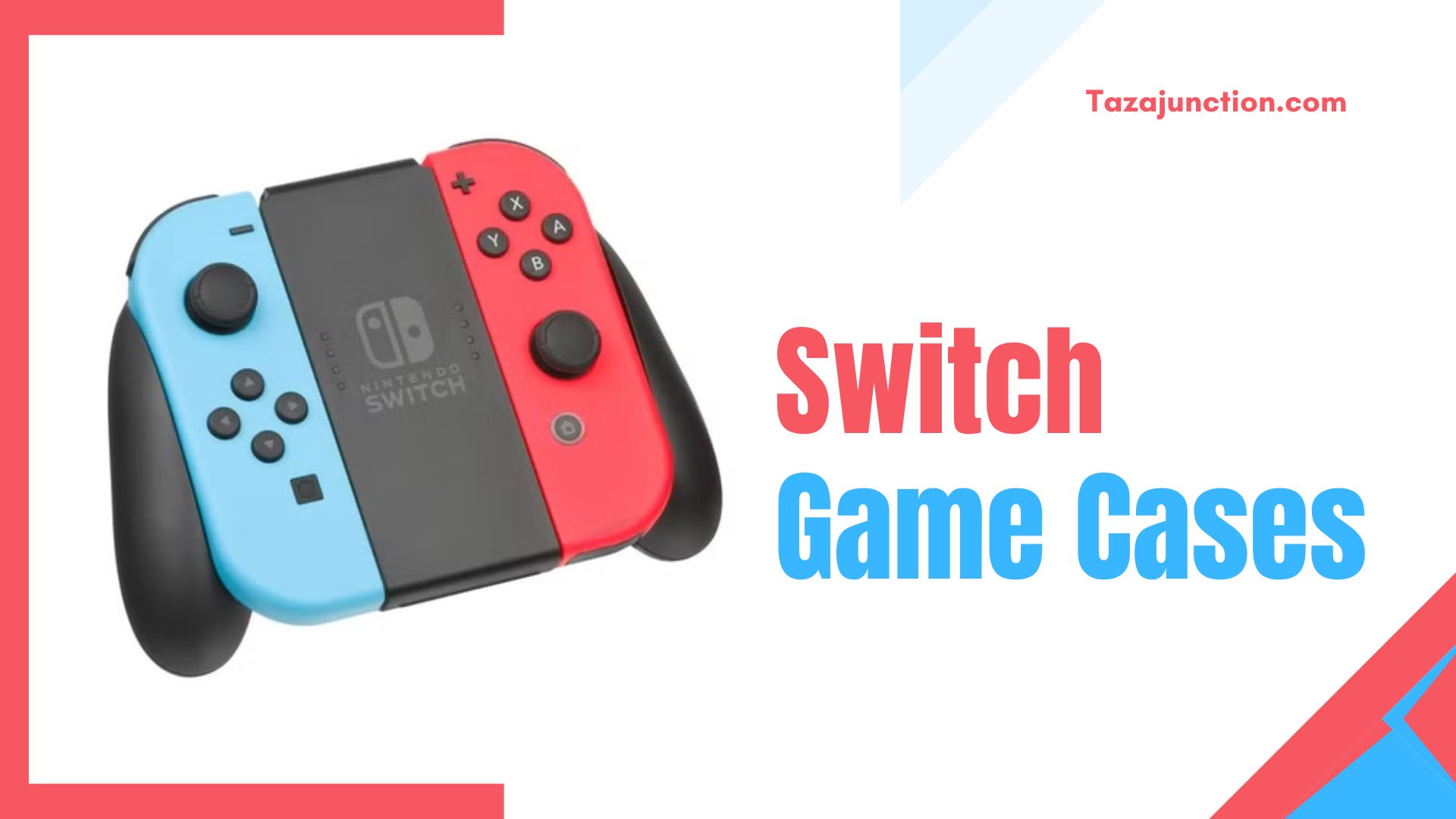
switch game cases

The Nintendo Switch has been one of the most successful consoles of all time, blending handheld portability with home console power. Over its lifespan, fans have seen countless innovations, from Joy-Con color variations to limited-edition console bundles.

But now, a new development has caught the attention of collectors and casual players alike: Nintendo Making Apparent Changes to Switch Game Cases.

This seemingly small adjustment has sparked big conversations in the gaming community, raising questions about design, collectability, and the future of physical media.

A Brief History of Switch Game Cases

When the Nintendo Switch launched in 2017, its game cases were instantly recognizable. Slim, clear, and compact, they stood out from the bulkier cases of PlayStation and Xbox titles.

The transparent design allowed publishers to include reversible cover art, a feature beloved by collectors who enjoyed displaying alternate artwork.

For years, this design remained consistent. Whether you bought a first-party Nintendo title like The Legend of Zelda: Breath of the Wild or a third-party port like The Witcher 3, the case design was the same.

That’s why the news of Nintendo Making Apparent Changes to Switch Game Cases feels so significant — it disrupts a design standard that has lasted nearly a decade.

What’s Changing?

Reports from retailers and fans suggest that some Switch titles are now being sold in red-colored cases instead of the traditional clear ones. These red cases resemble those used for the upcoming Nintendo Switch 2, which has already been confirmed to feature a bold crimson design for its physical releases.

The fact that Nintendo Making Apparent Changes to Switch Game Cases means that older Switch titles, such as Red Dead Redemption and Grand Theft Auto: The Trilogy, have been spotted in these new red cases.

In some instances, these cases were used for voucher-based releases, making them more of a novelty item. However, upcoming titles like the Super Mario Galaxy + Super Mario Galaxy 2 bundle in Japan are also reportedly adopting the red design.

Why the Change Matters?
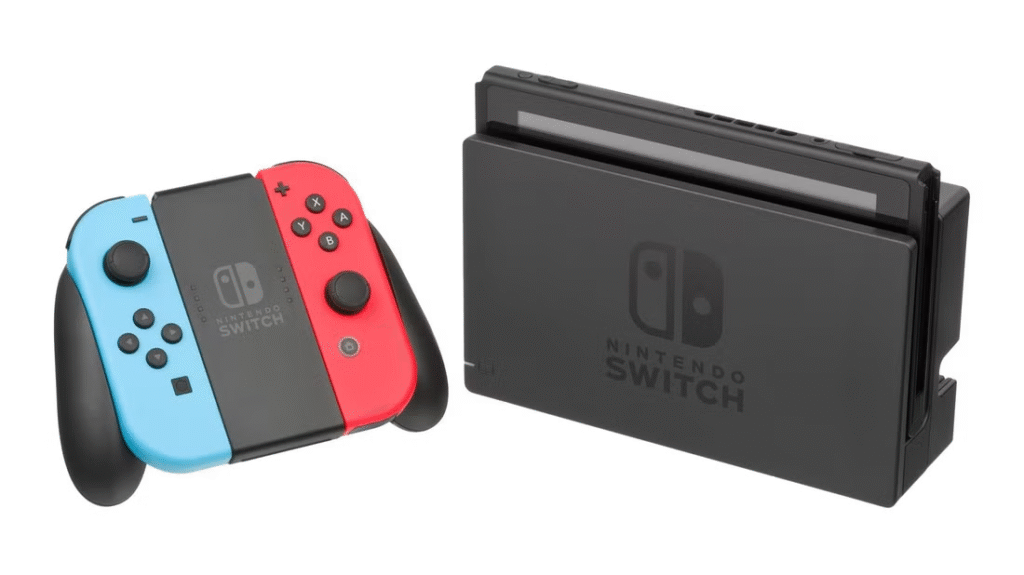
Switch Game Cases

At first glance, changing the color of a game case might seem trivial. But for collectors and fans of physical media, it’s a big deal. The clear cases allowed for reversible artwork, something that red opaque cases do not. This means fans lose a small but meaningful feature that added value to their purchases.

The fact that Nintendo Making Apparent Changes to Switch Game Cases also raises concerns about confusion. With the Switch 2 on the horizon, having both consoles use red cases could make it harder for consumers to distinguish between Switch and Switch 2 titles at a glance.

Fan Reactions

Unsurprisingly, fan reactions have been mixed. Some players welcome the bold red design, saying it makes the cases stand out on shelves. Others, particularly collectors, are disappointed by the loss of transparent cases and reversible art.

The fact that Nintendo Making Apparent Changes to Switch Game Cases has sparked debates across forums and social media shows how passionate fans are about even the smallest details. For many, physical game cases are more than packaging — they’re part of the gaming experience.

The Collector’s Perspective

Collectors are particularly vocal about this change. Transparent cases allowed them to showcase alternate cover art, making each game feel more unique. Red cases, while striking, remove that option.

The fact that Nintendo Making Apparent Changes to Switch Game Cases could also impact the long-term value of physical copies. Variants, such as early clear-case editions versus later red-case editions, may become sought-after by collectors, creating a new niche market.

Comparisons to Other Consoles

Nintendo isn’t the first company to change its case design mid-generation. Sony and Microsoft have both adjusted their packaging over the years, often to align with new branding or console launches.

However, Nintendo’s decision feels more controversial because of the Switch’s unique identity and the timing so close to the Switch 2’s release.

The fact that Nintendo Making Apparent Changes to Switch Game Cases highlights how even small design tweaks can have outsized effects in the gaming community.

Possible Reasons for the Change
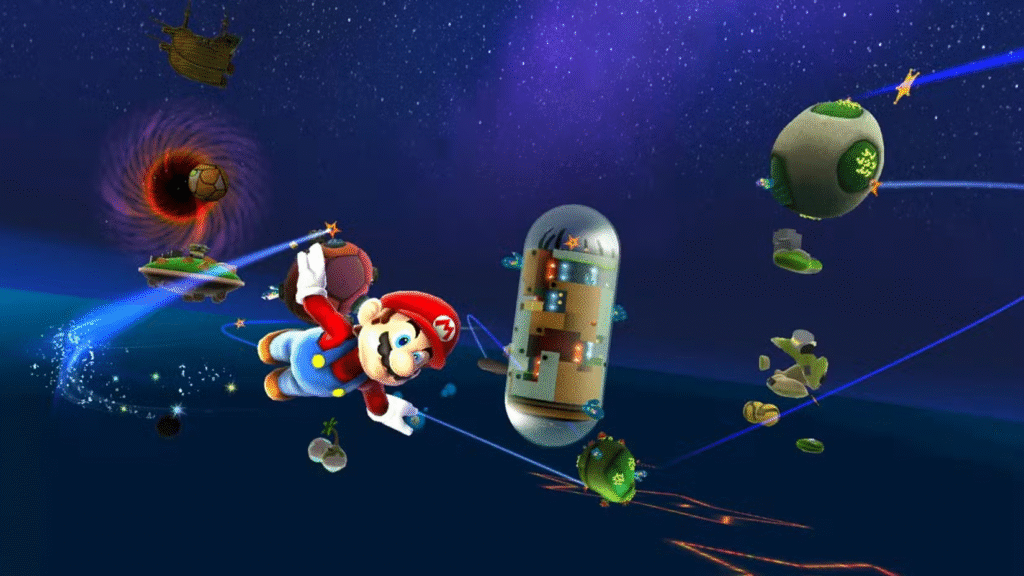
image 252

Why would Nintendo make this change now? There are several possible explanations:

  • Brand Consistency: Aligning Switch cases with Switch 2’s red design could create a unified look across both consoles.
  • Cost Efficiency: Red cases may be cheaper or easier to produce in bulk.
  • Marketing Strategy: The bold red design could help Nintendo titles stand out on crowded retail shelves.

Whatever the reason, the fact that Nintendo Making Apparent Changes to Switch Game Cases suggests a deliberate strategy rather than a random decision.

The Future of Physical Media

This change also raises broader questions about the future of physical media. With digital sales on the rise, physical packaging has become as much about collectability as functionality. For many players, owning a physical case is part of the joy of gaming.

The fact that Nintendo Making Apparent Changes to Switch Game Cases could signal a shift in how the company views physical releases. If reversible art and transparent cases are no longer priorities, it may reflect a growing emphasis on digital distribution.

Impact on Upcoming Releases

Upcoming titles like Metroid Prime 4: Beyond and Pokémon Legends: Z-A are expected to launch on both Switch and Switch 2. This dual release strategy makes the case design even more important. If both versions use red cases, distinguishing between them could be confusing for consumers.

The fact that Nintendo Making Apparent Changes to Switch Game Cases means fans will be watching closely to see how these high-profile releases are packaged.

A Puzzling Decision

Ultimately, the decision remains puzzling. Nintendo has always been known for its attention to detail, from the design of its consoles to the packaging of its games.

The fact that Nintendo Making Apparent Changes to Switch Game Cases feels at odds with that reputation, especially since it risks confusing consumers and disappointing collectors.

Conclusion

On the surface, changing the color of a game case might seem insignificant. But in the world of gaming, where fans cherish every detail, it’s a big deal.

The fact that Nintendo Making Apparent Changes to Switch Game Cases has sparked so much discussion shows how deeply players care about the physical aspects of their hobby.

Whether this change becomes the new standard or remains a limited experiment, it’s clear that Nintendo’s decisions about packaging carry weight.

For collectors, casual players, and future historians of gaming, these cases are more than plastic — they’re part of the story of the Nintendo Switch.
Nintendo Switch Exclusive Game is Being Delisted on November 28

nintendo switch exclusive game

The gaming community is buzzing with concern and disappointment as reports confirm that a Nintendo Switch exclusive game is being delisted on November 28.

For fans, this announcement not only marks the end of an era for a unique title but also raises ongoing questions about digital preservation and the fragility of exclusive releases in today’s gaming industry.

While Nintendo is known for housing some of the most iconic exclusives in gaming history, the removal of a title from its eShop always stirs debate about ownership, accessibility, and long-term availability.


The Importance of Exclusives on Nintendo Switch

Exclusives have always been at the heart of Nintendo’s brand identity. Titles like The Legend of Zelda: Breath of the Wild, Animal Crossing: New Horizons, and Super Mario Odyssey have driven millions of console sales.

So when the news breaks that a Nintendo Switch exclusive game is being delisted on November 28, it naturally alarms fans who worry that a cherished piece of Nintendo diverse library will soon disappear from official access.

Exclusives provide a sense of identity and pride for console owners. They often symbolize innovation, creativity, and unique gameplay mechanics not available anywhere else.

The delisting of such a game doesn’t just represent a loss in the digital storefront—it feels like a fragment of gaming history is being erased.


Why Delisting Happens?

Understanding why a Nintendo Switch exclusive game is being delisted on November 28 requires a look at the broader dynamics of the gaming industry. Delistings are not uncommon, and they typically happen for a few key reasons:

  1. Licensing Issues – Games tied to third-party IPs, licensed music, or brand deals often face expiration dates. When contracts end, publishers must remove the game unless they renew.
  2. Low Sales – Some exclusives fail to perform commercially, leading publishers to cut ongoing support.
  3. Technical or Legal Barriers – Compliance with evolving regulations, platform updates, or disputes between developers and publishers can lead to removal.
  4. Shift in Strategy – Occasionally, a delisting signals a re-release or remaster planned for another date or console.

Whatever the reason, the fact remains: when a Nintendo Switch exclusive game is being delisted on November 28, it highlights the fragility of digital ownership.


How Fans Are Reacting?

Nintendo Switch Exclusive Game

Unsurprisingly, fans are upset. Online forums, Reddit threads, and Twitter discussions are filled with posts lamenting the loss.

Some players are rushing to purchase the title before November 28 to ensure it remains in their digital library, while others argue that the delisting is unfair to those who may discover the game later.

The emotional connection fans develop with exclusives cannot be understated. When a Nintendo Switch exclusive game is being delisted on November 28, it feels like a betrayal to those who invested in the console specifically for access to such unique titles.


The Broader Debate on Digital Preservation

This situation reignites a long-standing debate in the gaming world: how can we preserve digital games for future generations? When physical cartridges were the norm, collectors could rely on tangible ownership.

In today’s digital-first marketplace, however, when a Nintendo Switch exclusive game is being delisted on November 28, it effectively disappears from legitimate purchase options.

Preservationists argue that gaming companies must take stronger responsibility for ensuring that titles remain accessible, whether through remasters, subscription services, or archival initiatives. Otherwise, entire generations of games risk vanishing.


What Players Can Do Before November 28?

For those who haven’t yet purchased the game, the next few weeks are critical. If a Nintendo Switch exclusive game is being delisted on November 28, players must act quickly to secure their copy. Once delisted, the title will no longer be available for purchase on the Nintendo eShop.

Key steps for fans:

  • Purchase the Game Immediately – Digital copies bought before delisting remain tied to your account and can be redownloaded in the future.
  • Check for Physical Editions – If available, physical cartridges provide long-term ownership unaffected by delisting.
  • Back Up Data – Ensure game saves are backed up to Nintendo’s cloud service or your microSD card.

While it’s frustrating that the burden falls on players, these precautions can at least secure continued access.


Implications for Nintendo’s Reputation

Nintendo has a long history of prioritizing its unique vision over industry trends. However, when a Nintendo Switch exclusive game is being delisted on November 28, it raises questions about how the company balances innovation with responsibility.

Critics argue that Nintendo should do more to maintain its digital catalog. Players invest in consoles and ecosystems expecting stability and longevity.

Each delisting chips away at that confidence. Supporters, on the other hand, point out that these issues are common across the industry and not unique to Nintendo.


Lessons for the Industry

The news that a Nintendo Switch exclusive game is being delisted on November 28 serves as a reminder of several key lessons for the gaming industry:

  1. Digital Ownership is Temporary – Unless games are archived or re-released, they risk permanent loss.
  2. Transparency is Key – Developers and publishers should communicate clearly about why delisting occurs.
  3. Preservation Must Be a Priority – Industry leaders must ensure that games are accessible for historical and cultural preservation.

As gaming continues to evolve, companies will face increasing pressure to reconcile profitability with long-term preservation.


Could the Game Return in the Future?

When a Nintendo Switch exclusive game is being delisted on November 28, fans naturally wonder whether it might reappear later. There are a few possibilities:

  • Remasters or Ports – The title could resurface on the next Nintendo console or even other platforms.
  • Subscription Services – Nintendo Switch Online or future services might host delisted games as part of their libraries.
  • Special Editions – Developers might re-release the game with updated features or bundled content.

While nothing is guaranteed, fans remain hopeful that delisting does not mean permanent disappearance.


The Emotional Side of Delisting

For many gamers, titles are more than entertainment—they are memories. When a Nintendo Switch exclusive game is being delisted on November 28, it feels like losing access to a piece of personal history.

Players often recall the excitement of launch day, the hours spent exploring unique mechanics, and the friendships formed in fan communities. Delisting disrupts those connections, leaving fans with a sense of loss.


Conclusion

The announcement that a Nintendo Switch exclusive game is being delisted on November 28 has reignited important conversations in the gaming community.

While the reasons for delisting may vary—licensing, strategy, or technical hurdles—the end result is always the same: fans lose official access to a unique experience.

This decision underscores the fragile nature of digital ownership and the ongoing need for better preservation practices in gaming. For fans, the best course of action is to secure the game before the deadline. For Nintendo and the industry as a whole, the challenge is to ensure that games—especially exclusives—are not lost to history.

Even as we say goodbye to this title, the discussion it sparks will continue shaping how we think about digital gaming in the future.

Nintendo Switch Online GameCube Update Adds New Classic Title for Fans

nintendo switch online gamecube

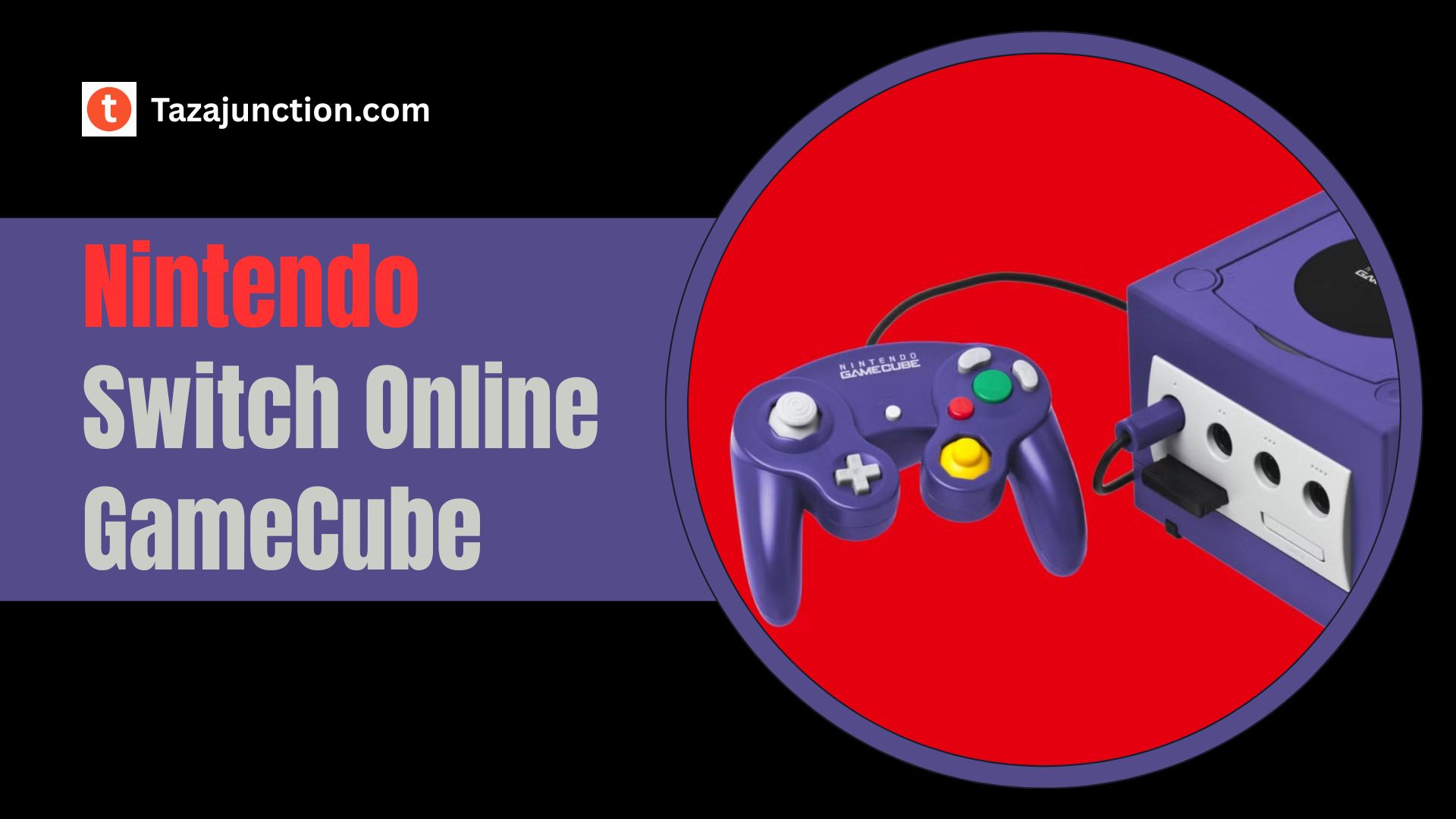
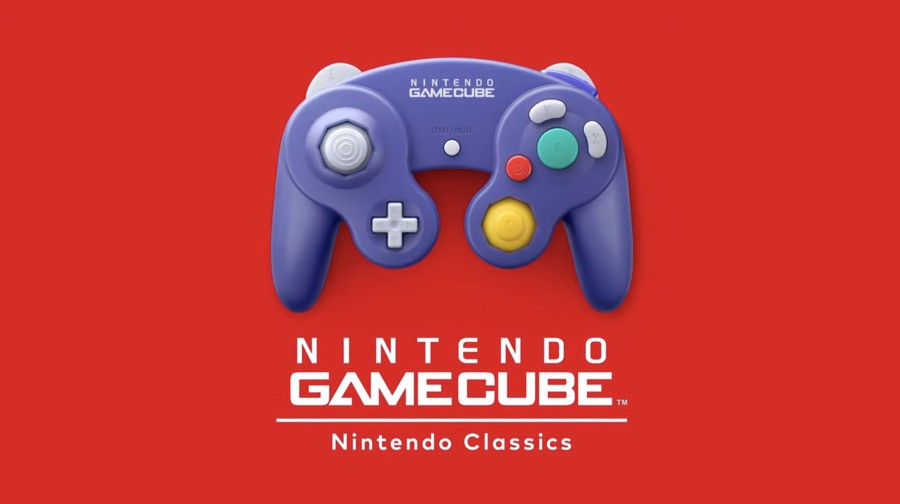
The legacy of the GameCube continues to shine in the modern gaming world as Nintendo Switch Online GameCube expands once more.

Nintendo has officially announced the addition of another beloved title from the iconic console’s library, further enriching the subscription service that’s bringing nostalgic joy to longtime fans and fresh experiences to a new generation of players.

With this latest update of TazaJunction.com, Nintendo proves it is serious about honoring its rich gaming history, and the Nintendo Switch Online GameCube expansion is at the forefront of that mission.


A Look Back: The Importance of GameCube Games

The Nintendo GameCube may not have sold as many units as some of its competitors, but it holds a treasured spot in the hearts of many gamers.

Released in 2001, the GameCube was home to a number of timeless titles including Super Mario Sunshine, The Legend of Zelda: The Wind Waker, Metroid Prime, Luigi’s Mansion, Animal Crossing, and F-Zero GX.

These titles not only showcased Nintendo’s creative risks but also introduced mechanics, characters, and storytelling techniques that are still influential today. Now, thanks to the Nintendo Switch Online GameCube initiative, these classics are making a well-deserved comeback.


Another GameCube Classic Joins the Nintendo Switch Online Expansion

Nintendo has confirmed that another GameCube favorite will soon be added to the online catalog available through the Expansion Pack membership.

While the company has not yet revealed the exact title in the teaser, hints from the promotional imagery and leaks suggest it may be either Super Mario Strikers, Paper Mario: The Thousand-Year Door, or possibly Metroid Prime 2: Echoes.

Regardless of which title is officially unveiled next, it’s clear that the Nintendo Switch Online GameCube lineup is becoming more diverse with each addition—catering to fans of sports, action, RPGs, and more.


Why This Matters for the Nintendo Community?

image 42

Bringing back these classic titles through emulation is more than a business strategy—it’s a preservation effort. Many GameCube titles are either hard to find or expensive to purchase second-hand.

Through the Nintendo Switch Online GameCube service, Nintendo provides an affordable, accessible way to experience these titles again without needing original hardware.

For gamers who grew up with the GameCube, these releases are a nostalgia trip. For younger players, they’re an introduction to a golden era of Nintendo game design. The availability of these games through Switch Online ensures their legacy is preserved and shared.


Enhanced Features Through Emulation

What sets the Nintendo Switch Online GameCube experience apart is how it merges retro content with modern convenience.

These titles aren’t just straight ports; they come with enhancements that elevate the overall experience:

  • Save States: Players can save progress at any point, a major convenience that wasn’t available in the original games.
  • Rewind Function: Make a mistake? Rewind time and try again.
  • Widescreen Support: Some games support updated aspect ratios to fit modern displays.
  • Improved Load Times: Thanks to Switch hardware, games run smoother and faster than ever.

These upgrades ensure that classic gameplay meets today’s player expectations without compromising the original charm.


Subscription Model & Value

To access the Nintendo Switch Online GameCube library, players need to subscribe to the Nintendo Switch Online + Expansion Pack plan. While this tier costs more than the standard plan, the added value becomes more evident with every new release.

Subscribers not only gain access to GameCube games, but also Nintendo 64, Game Boy Advance, and SEGA Genesis titles—all of which are continually updated. For gamers who enjoy a wide selection of retro content, the subscription more than justifies its cost.


Community Reactions and Expectations

The response to the ongoing additions in the Nintendo Switch Online GameCube catalog has been overwhelmingly positive. Social media and gaming forums are buzzing with discussions, wishlist predictions, and celebratory posts.

Fans are already speculating about which titles will be added next. Popular requests include:

  • Mario Kart: Double Dash!!
  • Fire Emblem: Path of Radiance
  • Pikmin 2
  • Donkey Konga
  • Eternal Darkness: Sanity’s Requiem

Each of these games holds a special place in Nintendo’s portfolio and would be warmly welcomed by the community.


What’s Next for GameCube on Switch?

Nintendo has shown a consistent release cadence when it comes to adding new titles. If this trend continues, players can expect a steady stream of Nintendo Switch Online GameCube additions every month or so.

There’s also speculation that Nintendo may bring enhanced multiplayer functionality to certain titles, allowing users to play local co-op games online with friends.

Moreover, there is potential for special editions or remastered versions of select titles to release alongside the emulated originals, offering fans the best of both worlds—authentic nostalgia and modern polish.


A New Life for Old Favorites

There’s something magical about revisiting a game from the past and discovering it still holds up. That’s exactly what the Nintendo Switch Online GameCube experience offers. Titles that once defined a generation are now back in circulation, giving them new life and renewed appreciation.

Games like The Legend of Zelda: The Wind Waker and Luigi’s Mansion aren’t just playable—they’re thriving, sparking conversation, and connecting gamers across generations.


Conclusion

With each new GameCube release, Nintendo cements its position as a company that understands the value of its legacy. The Nintendo Switch Online GameCube initiative is more than fan service—it’s a thoughtful effort to preserve, present, and popularize some of the greatest games ever made.

The next time a new title drops, millions of players will log on not just for nostalgia, but for the pure joy of experiencing Nintendo’s magic all over again.

Whether you’re a longtime fan or new to the GameCube era, now is the perfect time to jump in and discover why these games continue to matter.