
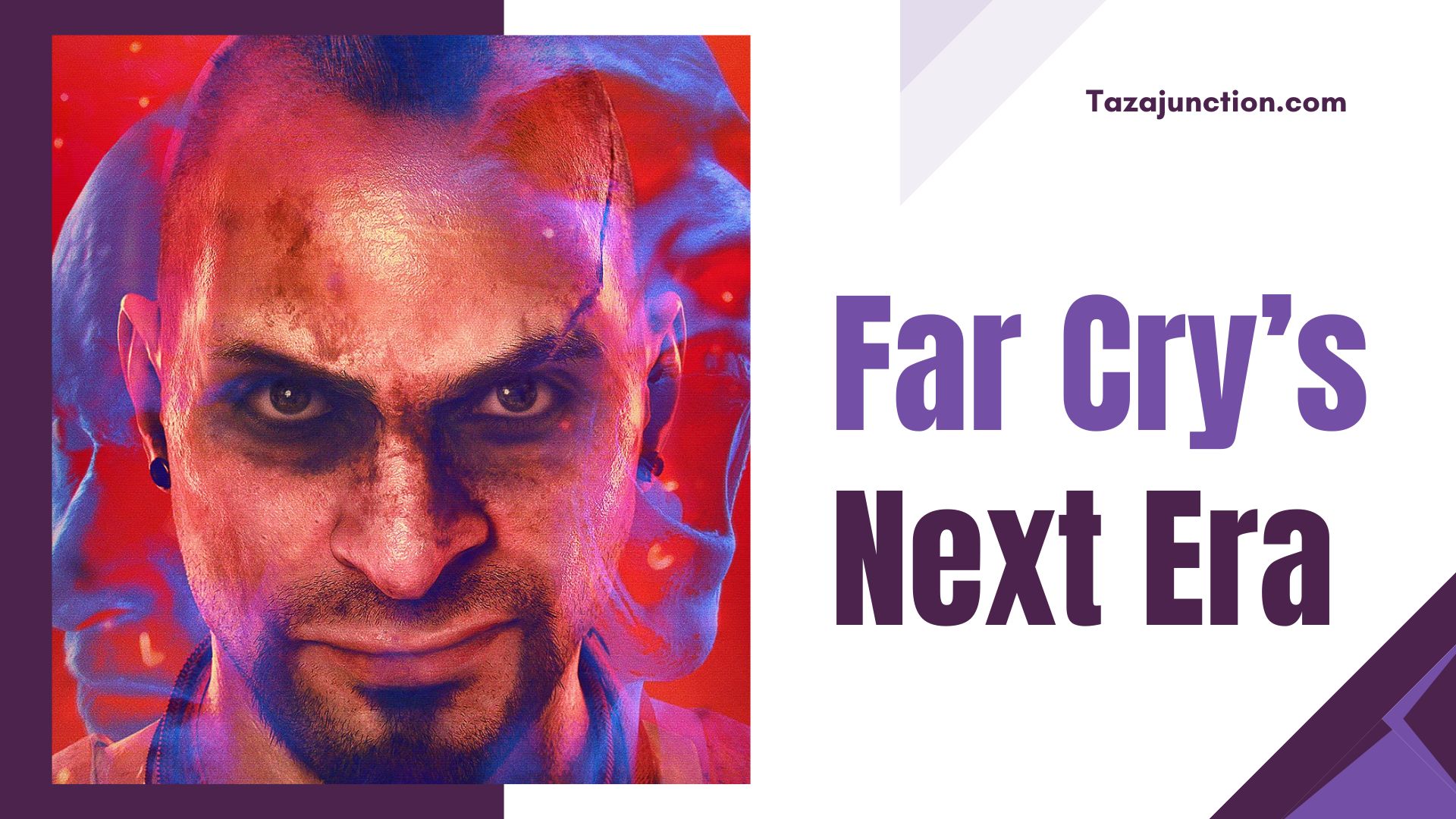
For over two decades, the Far Cry franchise has been one of Ubisoft’s most reliable and recognizable series. Known for sprawling open worlds, charismatic villains, and explosive first-person gameplay, the series has evolved significantly since its debut in 2004.
However, recent comments from Ubisoft have sparked intrigue and speculation about where the franchise could be headed. The company has hinted that Far Cry Next Era may break away from long-standing traditions, offering something fans might not have expected.
In this TazaJunction.com article, we’ll explore the history of the series, the context behind Ubisoft’s remarks, possible directions for the next installment, and what players can realistically expect from Far Cry Next Era.
Table of Contents
A Look Back: The Legacy of Far Cry
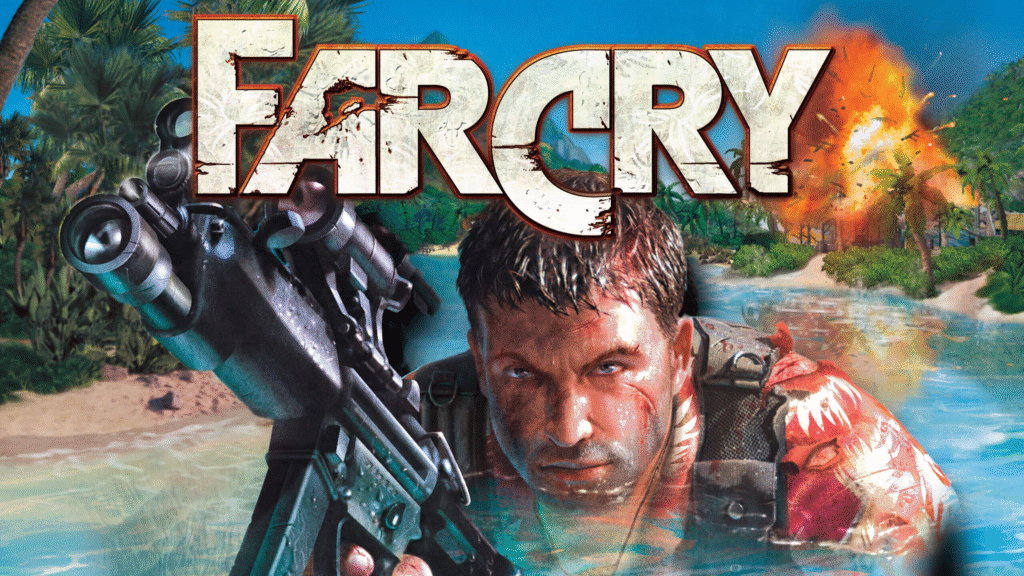
The original Far Cry introduced players to lush environments and freedom of exploration, setting the stage for a franchise that would become synonymous with massive, open-ended playgrounds.
With Far Cry 3 (2012), Ubisoft struck gold by perfecting its formula: exotic islands, resource hunting, skill trees, and unforgettable antagonists like Vaas Montenegro.
Over the years, entries like Far Cry 4, Far Cry 5, and Far Cry 6 expanded on this formula, each offering unique settings—whether Himalayan peaks, rural Montana, or the revolution-torn island of Yara.
Yet, as beloved as these games are, some critics and fans argue that the formula has become predictable. This is why Ubisoft’s latest hints about Far Cry Next Era are generating so much buzz—it suggests major changes could be on the horizon.
Ubisoft’s Hint: A New Direction
Ubisoft recently suggested that the series is entering a transformative stage, which it referred to as Far Cry Next Era. While details remain vague, the wording implies more than a simple continuation of past gameplay.
It signals that Ubisoft might be rethinking how the franchise operates, from narrative structure and gameplay mechanics to technological advancements.
This approach mirrors Ubisoft’s larger shift in strategy across its portfolio. Just as franchises like Assassin’s Creed embraced RPG mechanics in games like Origins and Odyssey, the next stage of Far Cry could represent a similarly bold reinvention.
What Could Far Cry’s Next Era Mean?
1. A Live-Service Model
One possibility for Far Cry Next Era is that Ubisoft could pivot to a live-service model. The publisher has experimented with this structure in other titles, and it allows continuous updates, expansions, and seasonal events.
If Far Cry adopts this approach, it could offer evolving environments and ongoing stories rather than a one-and-done single-player campaign.
2. A Return to Survival Roots
Another direction might be a return to the survival-driven focus of the original game. Players could see harsher environments, limited resources, and mechanics that emphasize realism and immersion.
This would be a dramatic shift from the action-heavy approach of recent entries, but it could help distinguish Far Cry’s Next Era from its predecessors.
3. New Geographic Settings
Far Cry has always excelled at transporting players to exotic and unfamiliar landscapes. The “next era” could take players somewhere truly different—urban jungles, post-apocalyptic wastelands, or even futuristic territories.
Ubisoft has hinted that the setting will be unlike what fans might predict, adding further weight to the claim that Far Cry’s Next Era will surprise audiences.
4. Enhanced Multiplayer and Co-op Focus
While past games offered co-op, the feature was often secondary. In Far Cry Next Era, Ubisoft may push multiplayer into the spotlight, possibly building a competitive or cooperative experience that exists alongside the main campaign. This would align with modern gaming trends that emphasize community and shared experiences.
Fan Reactions: Excitement and Skepticism
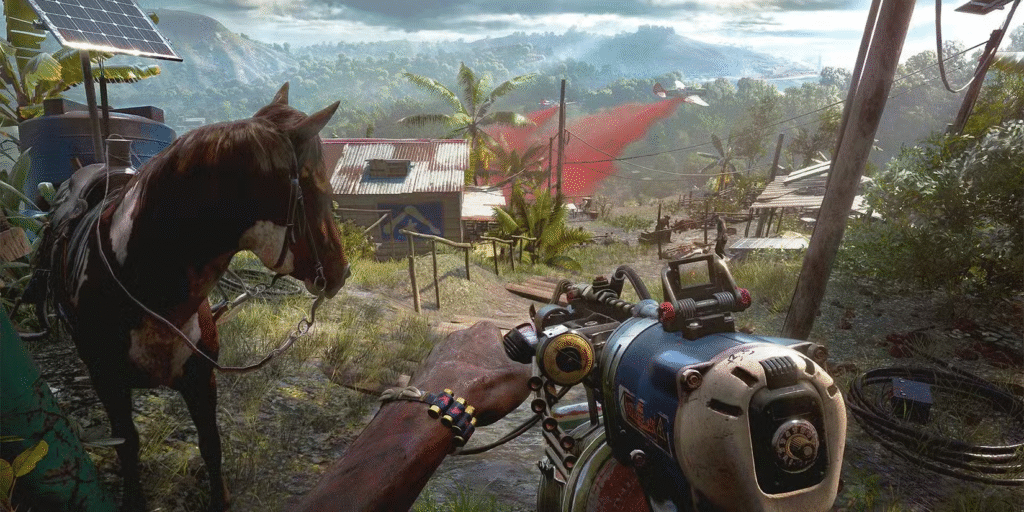
The announcement of Far Cry Next Era has been met with a mix of excitement and hesitation. Long-time fans are eager to see the franchise evolve, especially if it addresses criticisms of repetition and predictability.
Many are hopeful for fresh narratives and mechanics that feel innovative while still retaining the spirit of Far Cry. However, there’s also skepticism. Ubisoft has faced criticism in recent years for over-reliance on formulas and attempts to force live-service models into franchises.
Some players worry that too radical a shift could strip away what makes Far Cry special in the first place—its strong single-player campaigns and unforgettable villains.
Lessons From the Past
Ubisoft has successfully reinvented franchises before. The transition of Assassin’s Creed into a full-fledged RPG proved that bold changes can revitalize a series and win back audiences. However, there have also been missteps—games that leaned too heavily on monetization or deviated too far from fan expectations.
If Ubisoft applies the right balance of innovation and respect for tradition, Far Cry Next Era could become a defining moment in gaming. It has the potential to introduce mechanics that reshape open-world shooters and once again place Far Cry at the cutting edge of the genre.
The Role of Technology in Far Cry’s Next Era
Advancements in hardware and software will also play a key role in shaping Far Cry Next Era. With next-gen consoles and high-performance PCs, Ubisoft can push the boundaries of realism, AI behavior, and environmental interaction.
Imagine ecosystems that respond dynamically to player choices, weather systems that affect gameplay, or enemies that adapt to strategies in real-time.
Additionally, integration with Ubisoft’s proprietary tools like Snowdrop and Dunia engines could allow seamless open-world experiences with fewer technical limitations.
These advancements would ensure the franchise remains competitive in a market where immersion and realism are becoming increasingly important.
Storytelling Opportunities Ahead
A major hallmark of the franchise has always been its villains. From Vaas in Far Cry 3 to Pagan Min and Anton Castillo, Far Cry has consistently delivered antagonists that are as captivating as the worlds themselves.
Far Cry’s Next Era presents an opportunity to elevate storytelling even further, possibly offering narratives that branch more significantly, giving players choices that meaningfully alter the outcome of the story.
Ubisoft could also experiment with non-linear storytelling, episodic arcs, or even multiple protagonists, adding layers of complexity that push beyond the standard hero-versus-villain formula.
Why Ubisoft Needs Far Cry’s Next Era?
Ubisoft has struggled in recent years with delays, mixed critical receptions, and increased competition in the open-world genre. A bold reinvention of Far Cry could provide the refresh the company desperately needs.
By delivering a title that exceeds expectations, Ubisoft could not only breathe new life into the franchise but also reaffirm its place as a leader in open-world gaming.
The company’s acknowledgment that Far Cry Next Era might not be what fans expect is both a challenge and an opportunity. It sets the stage for a reinvention that could redefine the series for a new generation of players.
Final Thoughts
As Ubisoft teases what lies ahead, it’s clear that Far Cry Next Era will be more than just another entry in the franchise—it’s a turning point. Whether it involves a shift to live-service gameplay, a deeper focus on survival, or entirely new storytelling techniques, this new chapter promises to surprise players.
The challenge will be maintaining the essence of what makes Far Cry beloved while embracing bold innovation. If Ubisoft strikes the right balance, Far Cry’s Next Era could emerge as a landmark title, not just for the franchise but for the entire open-world genre.