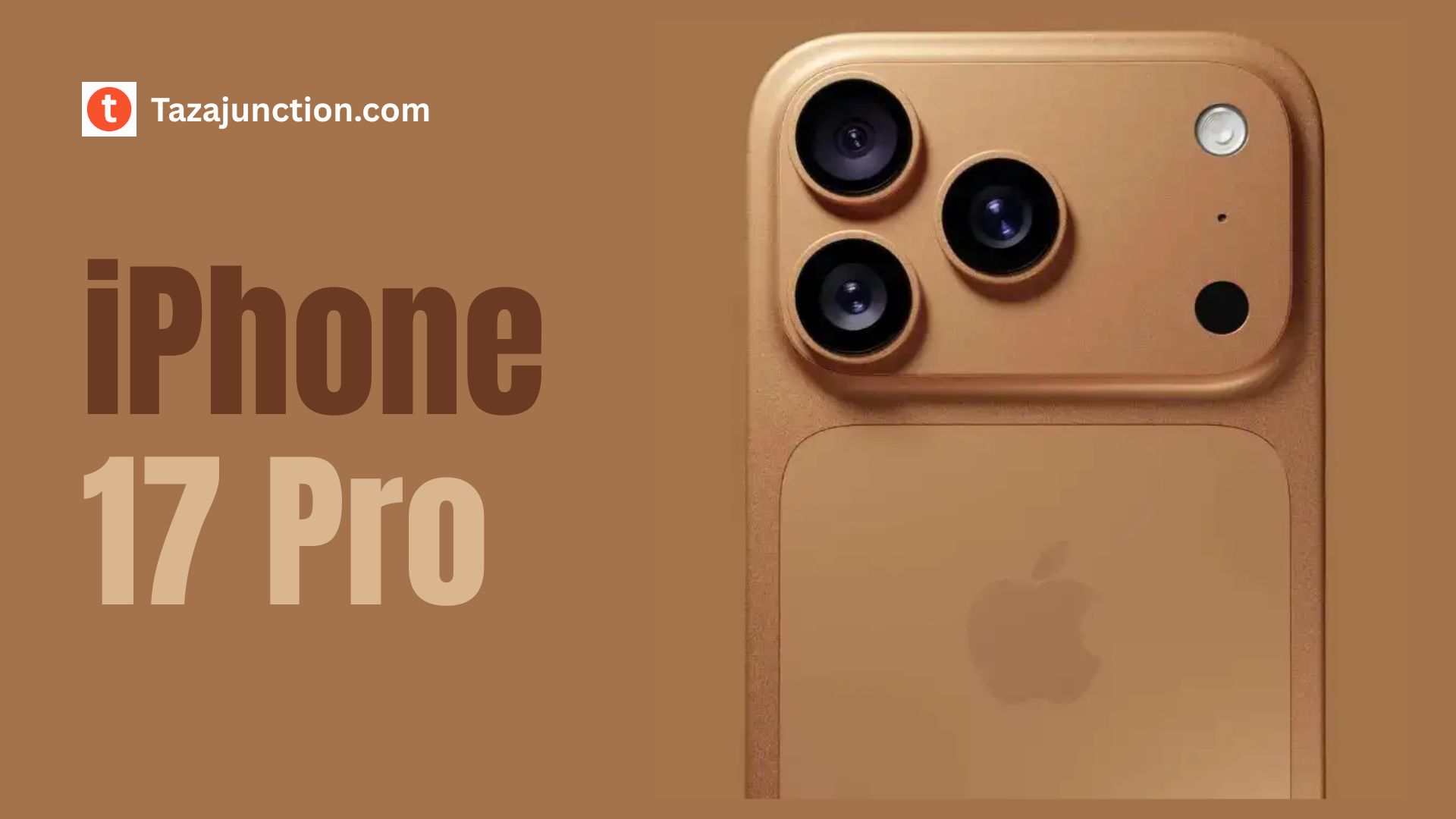
iPhone 17 Pro: Full Specs, Features, Camera & Release Date Revealed

iphone 17 pro

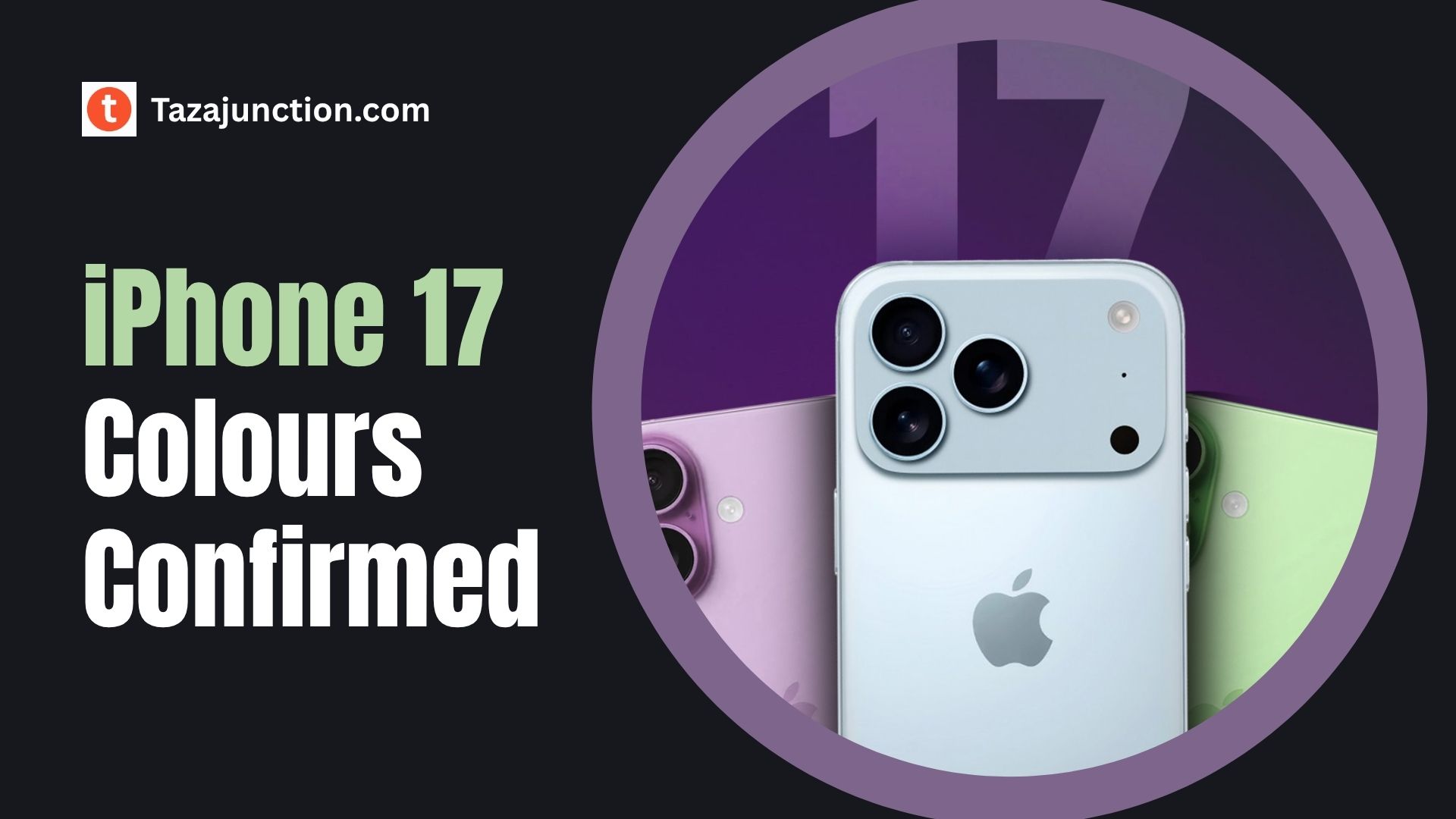
With the expected launch of the iPhone 17 Pro in September 2025, Apple appears to be preparing one of its most significant updates to the Pro lineup in years with iPhone 17 Air.

From new materials and camera upgrades to internal cooling and performance enhancements, the iPhone 17 Pro could be the most advanced smartphone Apple has ever released.

Here’s everything we know so far.


All-New Aluminum and Glass Design

One of the most exciting changes to the iPhone 17 Pro is its rumored redesign. Apple may replace the titanium frame used in recent models with a lighter aluminum and glass construction. This change is said to improve thermal conductivity and reduce weight without sacrificing structural strength.

Adding to the visual appeal, the Pro is expected to feature a dual-tone finish, combining a matte glass back with a glossy camera housing.

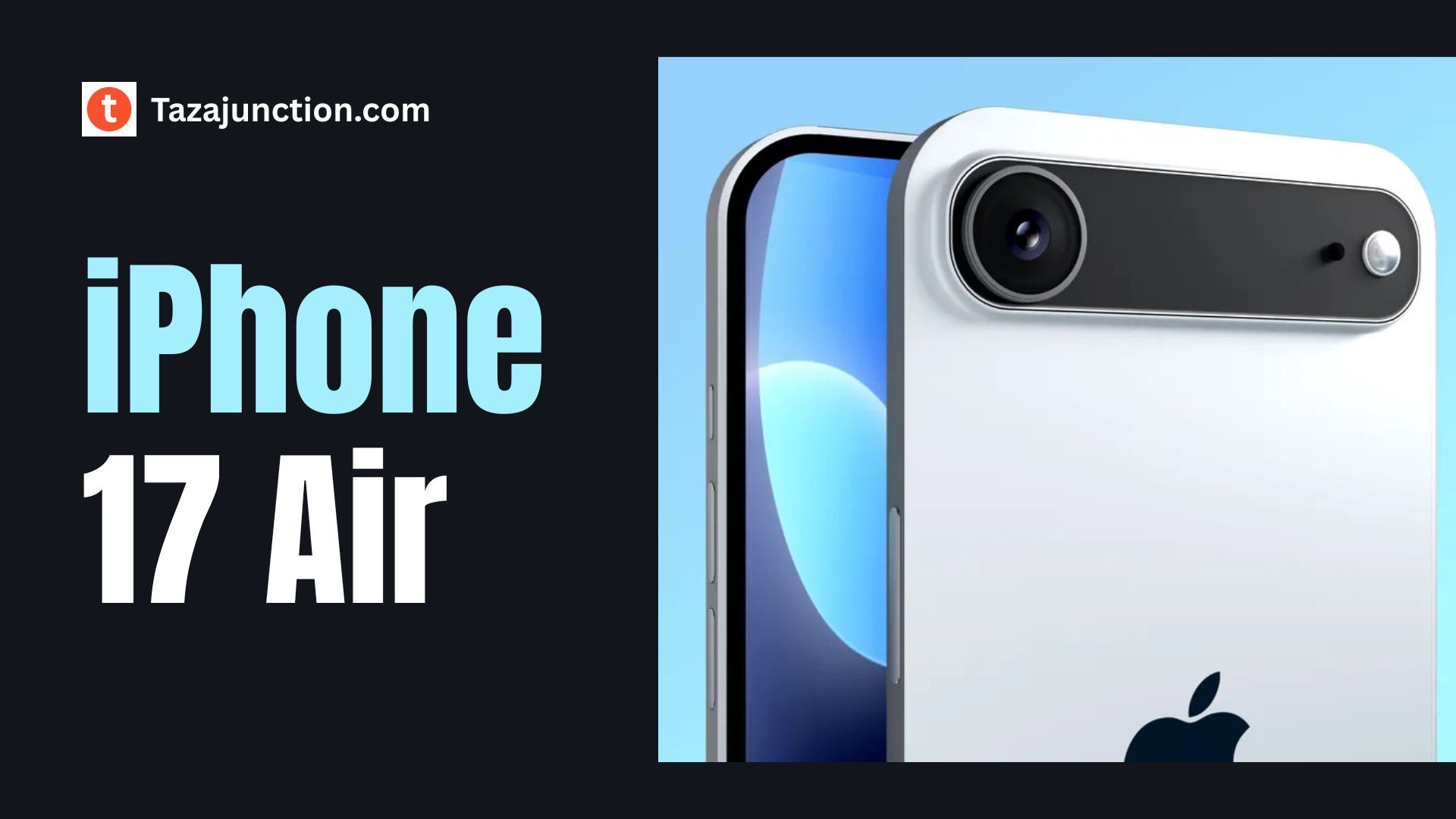
The new horizontal camera bar, which stretches across the width of the phone, gives the device a futuristic and more balanced appearance.

The Pro Max version is also expected to adopt the same design elements while offering a slightly larger form factor.


Smaller Dynamic Island and Durable Display
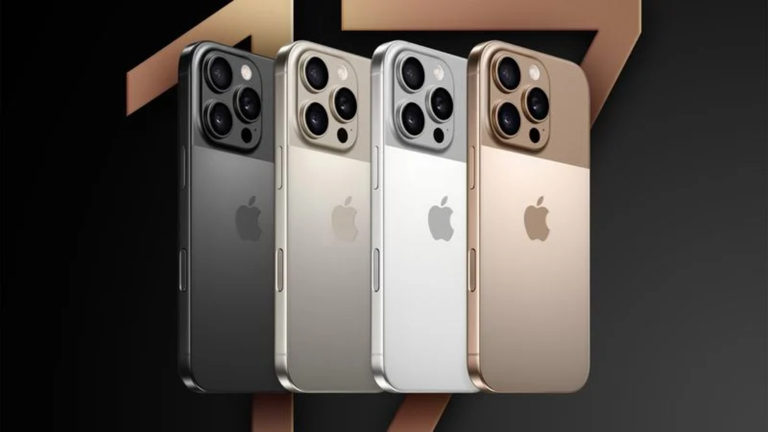
image 120

The front of the iPhone 17 Pro is likely to retain the 6.3-inch Super Retina XDR OLED display, but with a few refinements. Apple may introduce a smaller Dynamic Island, made possible by next-gen metalens technology that reduces the size of the front camera and Face ID sensors.

Another standout feature is the introduction of a new scratch-resistant, anti-reflective coating, which enhances screen durability and outdoor visibility.

Combined with 120Hz ProMotion technology and ultra-thin bezels, the display promises to be more immersive and responsive than ever.


Powered by the A19 Pro Chip and 12GB RAM

Under the hood, the iPhone 17 Pro is expected to debut with the powerful A19 Pro chip, manufactured using TSMC’s advanced 3nm process.

This chip will deliver faster processing, better graphics, and more energy-efficient performance, setting the stage for the next generation of mobile computing.

To support Apple’s growing suite of on-device AI tools, the iPhone 17 Pro will likely feature 12GB of RAM, up from 8GB in previous models. This increase will ensure seamless multitasking and optimal performance for new features introduced with iOS 26 and Apple Intelligence.


Next-Level Camera Capabilities

The iPhone 17 Pro will reportedly come equipped with a triple-lens 48MP camera system, marking a significant leap in Apple’s imaging technology. The setup is expected to include:

  • A 48MP wide (main) lens
  • A 48MP ultra-wide lens
  • A 48MP telephoto lens with improved zoom and stabilization

This would be the first time all rear cameras have the same high resolution, promising superior low-light performance, sharper details, and advanced computational photography.

The front camera may also receive a boost to 24MP, enhancing selfies, video calls, and Face ID accuracy. Another new addition could be dual-video recording, which allows simultaneous recording from both front and rear cameras — ideal for vloggers and content creators.

Additionally, the device is expected to support 8K video recording, bringing Pro-level filmmaking tools to a smartphone.


Vapor Chamber Cooling System

With the iPhone 17 Pro packing more powerful internals, Apple is expected to introduce a vapor chamber cooling system to manage heat effectively.

This technology is commonly found in high-end gaming phones and ensures consistent performance during intense tasks like video editing, gaming, and 8K recording.

The use of aluminum also improves thermal conductivity, helping the device stay cooler and last longer without throttling under load.


Battery and Charging Enhancements

The new internal layout and slightly thicker design may allow Apple to include a larger battery than previous Pro models. This should lead to improved screen-on time, even with power-hungry features like ProMotion and AI processing.

On the charging front, Apple is expected to upgrade:

  • Wired charging: Up to 35W via USB-C
  • Wireless charging: Faster MagSafe with Qi2 support up to 25W
  • Reverse wireless charging: Rumored to allow charging of AirPods or Apple Watch from the back of the phone

These enhancements aim to make charging more convenient and versatile, keeping pace with top-tier Android competitors.


Faster, Smarter Connectivity
image 121

Connectivity will also see improvements in the iPhone 17 Pro. Apple may introduce its first in-house Wi-Fi 7 modem, bringing faster wireless speeds, reduced latency, and more efficient data transmission in congested areas.

The iPhone 17 Pro is also expected to support:

  • Advanced 5G
  • Low-energy Bluetooth 6
  • Enhanced UWB (Ultra-Wideband) for spatial awareness and ecosystem features like AirTag tracking

With these upgrades, users can expect a faster, more reliable, and smarter experience across networks and connected devices.


iOS 26 and Apple Intelligence
image 122

The iPhone 17 Pro will launch with iOS 26, and one of its biggest attractions will be its tight integration with Apple Intelligence — Apple’s new generative AI platform.

Features expected to run natively on the iPhone 17 Pro include:

  • Smarter Siri with contextual awareness
  • AI-assisted photo editing and organization
  • Enhanced voice dictation and writing suggestions
  • Smart app suggestions and scheduling

Thanks to the A19 Pro chip and expanded memory, all of these tools can run on-device, offering high performance with maximum privacy.


Colors and Finish Options

Apple is expected to offer the iPhone 17 Pro in a new selection of elegant and bold color options, including:

  • Sky Blue
  • Desert Copper (Orange)
  • Midnight Blue
  • Titanium Gray

These finishes are likely to use anodized aluminum or brushed metal textures, offering both grip and visual appeal. Also you can check confirmed iPhone 17 colors.


Expected Launch and Pricing

Apple typically launches new iPhones in early to mid-September, and the iPhone 17 Pro is expected to follow this schedule in 2025.

Here’s a quick breakdown of expected availability and pricing:

  • Launch event: Between September 8–12, 2025
  • Pre-orders: Likely open the same week
  • In-store availability: Around September 19, 2025
  • Expected starting price (US): Around $1,099
  • Expected starting price (India): ₹1,39,900

Prices will vary depending on storage configurations, which are expected to range from 256GB up to 2TB.


iPhone 17 Pro vs iPhone 17 Air

The iPhone 17 Pro is designed for professionals and enthusiasts who want the most powerful features Apple offers. In contrast, the iPhone 17 Air — also launching this year — will be thinner and lighter, but with fewer camera lenses, smaller battery, and a less powerful chip.

Key differences:

  • Camera: Triple 48MP system on Pro vs. single-lens on Air
  • Build: Aluminum Pro body vs. titanium in Air
  • Battery life: Longer in Pro
  • Price: iPhone 17 Pro will cost significantly more

Who Should Buy the iPhone 17 Pro?

The iPhone 17 Pro is built for users who need performance and quality above all else. It’s ideal for:

  • Mobile photographers and videographers
  • Power users and professionals
  • Gamers and creatives
  • Anyone excited about on-device AI tools

If you’re looking for Apple most complete and capable smartphone experience, the iPhone 17 Pro is shaping up to be a clear front-runner.


Final Thoughts

The iPhone 17 Pro is shaping up to be more than just another iPhone. With its all-new design, triple 48MP camera system, A19 Pro chip, advanced AI features, and smarter connectivity, it represents a major evolution of the iPhone platform.

As September 2025 approaches, all eyes will be on Apple to see how many of these rumors become reality. One thing’s for sure — the iPhone 17 Pro will raise the bar once again in the premium smartphone space.
iPhone 17 Air: Specs, Features, Release Date & Everything We Know So Far

iphone 17 air

Apple is no stranger to innovation, but the upcoming iPhone 17 Air might mark its boldest move yet in the smartphone world.

Slated for release in late 2025, this ultra-slim iPhone is expected to replace the Plus model and introduce a new standard in portable design and intelligent performance.

As more leaks and rumors surface, we’ve compiled everything we know so far about this sleek, futuristic addition to the iPhone lineup.


A Radical New Design

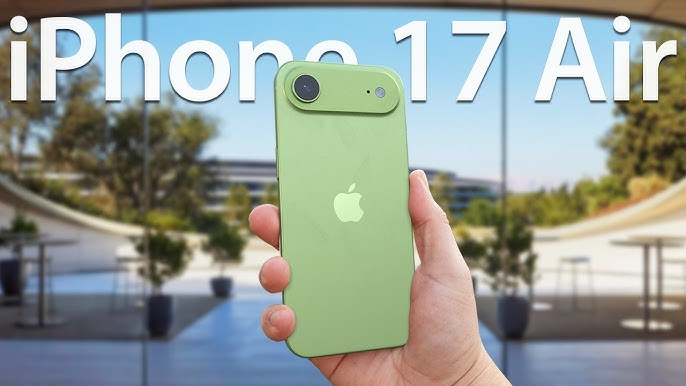
The iPhone 17 Air is expected to be Apple’s thinnest iPhone ever, measuring approximately 5.5 mm in thickness. This is a significant departure from the current design language and may even surpass the famously slim iPhone 6.

To achieve such a thin profile, Apple is rumored to be using a titanium frame, which offers strength while maintaining a featherlight build. Early estimations suggest the phone will weigh around 145 grams, making it ideal for users who prioritize comfort and portability.

In terms of size, the iPhone 17 Air is expected to feature a 6.6-inch OLED display. The screen will likely support ProMotion technology, offering up to 120Hz refresh rates for smoother scrolling and more responsive gaming.

To complement the slim profile, Apple might implement a reduced Dynamic Island with a more compact sensor cutout, possibly enabled by metalens camera technology.

This year, Apple is doubling down on variety, introducing distinct color options for each iPhone 17 variant. From bold tones to muted classics, the new lineup offers something for every taste — from fashion-forward users to minimalists.


Performance Powered by the A19 Chip

Apple’s next-generation A19 chip is expected to power the iPhone 17 Air. Built on an advanced 3nm process, the A19 is designed for energy efficiency while still delivering the fast performance Apple users have come to expect.

It may not be quite as powerful as the A19 Pro found in the Pro models, but it will still be more than capable of handling demanding tasks.

The iPhone 17 Air is also rumored to feature 8GB to 12GB of RAM, which aligns with Apple’s push for more on-device AI capabilities. With iOS 26 introducing new Apple Intelligence features, this amount of memory ensures a smoother, smarter user experience with better multitasking and app management.


The New Standard in Connectivity

image 117

The iPhone 17 Air is expected to be the first iPhone to feature Apple’s in-house C1 modem, which supports 5G, Wi-Fi, Bluetooth, and GPS. This change represents a major shift from using third-party modem suppliers and is aimed at improving both speed and efficiency.

Additionally, the Air model may be among the first Apple devices to support Wi-Fi 7, offering faster and more stable internet connections. Whether streaming, gaming, or video calling, users can expect significantly improved connectivity—even in crowded environments.


Simplified Camera System

In contrast to the multiple-lens systems on Pro models, the iPhone 17 Air is expected to feature a single 48MP rear camera. This may seem like a downgrade to some, but Apple is reportedly leveraging advanced image processing and sensor technology to deliver performance that rivals dual or triple-camera setups.

The camera will be placed in a horizontal camera bar, giving the iPhone 17 Air a clean and modern aesthetic. The front camera is rumored to receive an upgrade to 24MP, enhancing selfie quality and Face ID precision.

These changes may allow Apple to maintain top-tier photo and video quality while adhering to the Air’s slim form factor.


Battery Trade-Offs

The biggest trade-off in making the iPhone 17 Air so slim is battery capacity. Reports suggest the device will house a 2,800 mAh battery, significantly smaller than that of the iPhone 16 Plus. While this may sound concerning, Apple is expected to introduce several software and hardware optimizations to make the most of the battery it has.

iOS 26 will likely include a new Adaptive Power Mode, which dynamically adjusts settings to conserve energy based on usage patterns. In addition, rumors suggest Apple may implement next-generation silicon-anode or carbon-silicon battery materials, offering higher energy density to help balance the reduced size.

Still, early expectations suggest that while light to moderate users may get a full day of usage, heavy users may require mid-day top-ups. To address this, Apple may offer a Smart Battery Case as an accessory for those needing extended power without compromising the thin form factor.


USB-C and eSIM Only

image 118

In keeping with regulatory compliance and a minimalist approach, the iPhone 17 Air is expected to ditch the SIM tray entirely and go eSIM-only worldwide. While this move simplifies the internal design, it may raise concerns for users in countries where eSIM adoption is still growing.

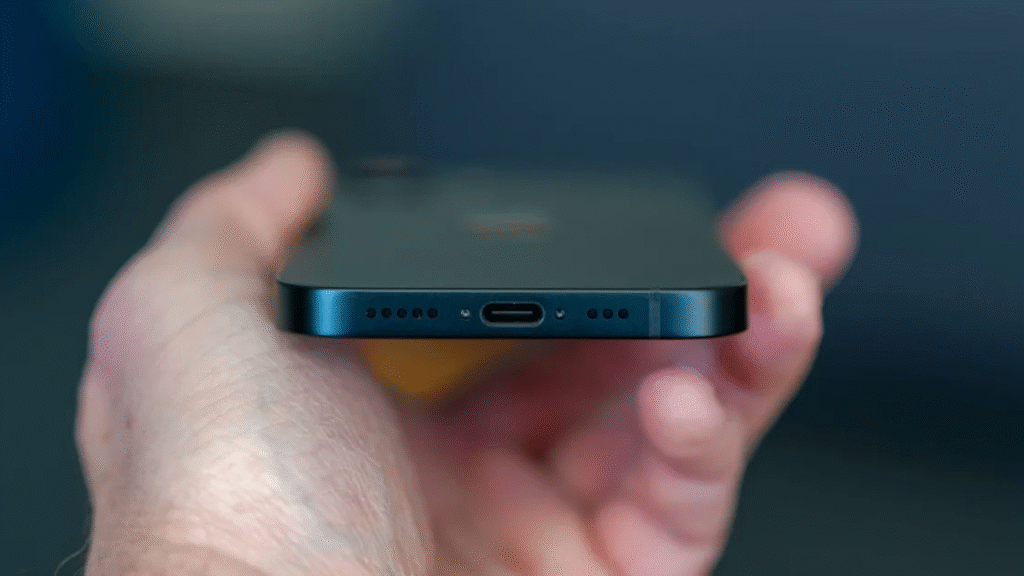
The Air will retain a USB-C port, likely positioned to maximize internal space efficiency. Apple had reportedly considered making the Air completely portless, but regulations—especially in Europe—require USB-C as the standard.

The device is also expected to support MagSafe for wireless charging and accessories, with the latest Qi 2.2 standard allowing for faster wireless charging speeds up to 25W.


Advanced Thermal and Structural Engineering

With such a thin chassis, thermal management and structural integrity become top concerns. To prevent issues like overheating and device warping, Apple is said to be implementing a vapor chamber cooling system inside the iPhone 17 Air. This technology is already common in high-end gaming phones and could help maintain performance under load.

To avoid structural issues like bending, which plagued earlier models like the iPhone 6 Plus, Apple is reportedly using a combination of titanium alloy, internal reinforcement, and improved glass durability to maintain rigidity despite the phone’s ultra-slim design.


iOS 26 and Apple Intelligence

The iPhone 17 Air will ship with iOS 26, which emphasizes Apple’s new Apple Intelligence platform. Users can expect smarter Siri, AI-powered writing tools, automatic photo edits, and app suggestions based on behavior. These AI tools will be handled on-device as much as possible for privacy and performance.

Thanks to the A19 chip and improved RAM, the Air will fully support these features—bringing many Pro-level software tools to a thinner, more accessible device.


Pricing and Release Timeline

Apple is expected to announce the iPhone 17 lineup, including the Air model, in September 2025. Pre-orders should open shortly after the announcement, with general availability expected later in the month.

As for pricing, the iPhone 17 Air is rumored to start around $899 in the U.S., filling the gap between the standard iPhone 17 and the iPhone 17 Pro. In other markets like India, the expected price is between ₹90,000 and ₹99,900, depending on storage configurations and local taxes.


Who Is the iPhone 17 Air For?

The iPhone 17 Air is clearly designed for a specific audience:

  • Style-conscious users who want a lightweight, ultra-thin iPhone without sacrificing too much on performance.
  • AI enthusiasts who want to take advantage of Apple Intelligence without going for the Pro lineup.
  • Light to moderate users who value portability and design more than extended battery life or advanced camera setups.
  • Frequent travelers who will benefit from the slim design, fast connectivity, and eSIM support across regions.

Final Thoughts

The iPhone 17 Air could represent a major shift in Apple’s iPhone strategy. By prioritizing slimness, modern aesthetics, and AI capabilities, it introduces a new type of iPhone that blends portability with intelligence.

While compromises are evident—especially in battery size and camera count—the overall package could appeal to a wide range of users.

If the rumors hold true, the iPhone 17 Air may be one of the most intriguing devices Apple has released in years. Whether it becomes a fan favorite or a niche product will depend on how well Apple balances design ambition with everyday usability.

Either way, September 2025 is shaping up to be a big month for Apple fans.

Powerline Adapters: 5 Surprising Facts About Powerline Adapters

powerline adapters

In an age where fast, reliable internet is no longer a luxury but a necessity, many people are turning to lesser-known networking tools to boost connectivity.

Among the most underrated solutions are powerline adapters — devices that transform your home’s electrical wiring into a high-speed data network.

While they may not get as much spotlight as mesh Wi-Fi systems or high-end routers, powerline adapters offer a unique combination of performance and convenience.

Whether you’re a tech enthusiast or just tired of poor Wi-Fi in the attic or basement, here are five surprising facts about powerline adapters that may change how you think about home networking.


5 Surprising Facts About Powerline Adapters

1. They Use Your Home’s Existing Electrical Wiring for Data Transmission

image 113

One of the most remarkable things about powerline adapters is how they work. Instead of relying on traditional Ethernet cables or wireless signals, these devices use your home’s existing electrical circuitry to transmit data.

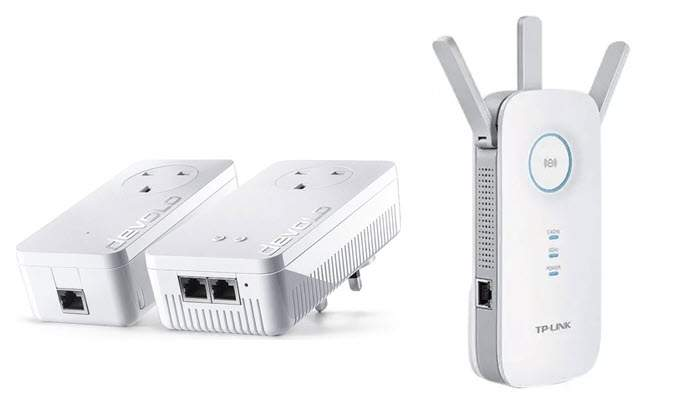
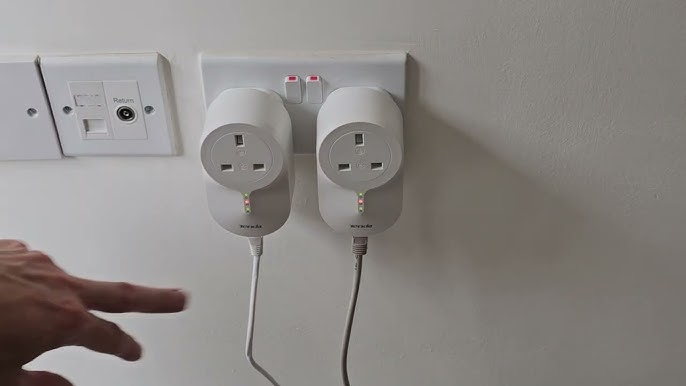
Here’s how it works: you plug one adapter into a power outlet near your router and connect it via Ethernet. Then, you plug a second adapter into another outlet in the room where you need internet, and connect your device to it. The data travels over the copper wires in your walls, allowing for a wired internet connection without installing new cables.

What surprises many people is how efficient this method is. While it might sound like a compromise, powerline adapters can deliver speeds sufficient for gaming, video streaming, and even home office setups. This makes them a smart alternative in homes where Wi-Fi struggles to reach.

Also if you’re looking for innovation, performance, and versatility in one sleek package, the Samsung Galaxy Z Fold 7 is the foldable to beat in 2025.


2. Powerline Adapters Can Offer Better Performance Than Wi-Fi in Some Scenarios

image 114

If you’re assuming powerline adapters are a “last resort,” think again. In certain cases, they actually outperform Wi-Fi — especially in homes with thick walls, multiple floors, or crowded wireless environments.

Wi-Fi signals weaken as they pass through obstacles like brick, concrete, or even furniture. Plus, interference from other devices (microwaves, Bluetooth, neighbor’s Wi-Fi) can further degrade the signal. In contrast, powerline adapters aren’t affected by those limitations. As long as the electrical wiring is in decent condition and on the same circuit, they provide a stable, low-latency connection.

This makes them particularly ideal for online gaming or streaming 4K video — tasks where lag and buffering are unacceptable. In some head-to-head tests, powerline adapters actually beat mid-range Wi-Fi routers in delivering consistent download and upload speeds.


3. Not All Power Outlets Are Equal

Here’s a detail most users overlook: not all power outlets will give the same performance when using powerline adapters.

While it’s true that these devices work with standard electrical outlets, their performance can vary depending on how your home is wired. If the two outlets you’re using are on different electrical circuits or breaker panels, performance may be significantly reduced — or the connection may not work at all.

Also, avoid plugging powerline adapters into power strips or surge protectors, as these can filter out the data signals. For best results, always plug them directly into the wall socket. Some premium adapters come with pass-through power sockets so you don’t lose an outlet in the process.

The takeaway? Placement matters. You might need to experiment a bit to find the optimal spots for your powerline adapters — but once you do, the performance payoff is worth it.


4. Encryption and Security Are Built-In

image 116

A common concern with data traveling through electrical wiring is security. After all, if the signal is going through the walls, couldn’t someone else tap into it?

Fortunately, most modern powerline adapters come with built-in 128-bit AES encryption. That means your data is scrambled and protected, just like it would be over a secure Wi-Fi network.

Setting up the encryption is usually as simple as pressing a “pair” button on each adapter. Once paired, the devices form a secure, private network that cannot be accessed by anyone not part of your home circuit.

This level of security makes powerline adapters suitable even for tasks involving sensitive information, like remote work or online banking.


5. They Can Be Combined With Wi-Fi Extenders or Mesh Systems

Here’s a surprising and highly useful fact: you don’t have to choose between powerline adapters and Wi-Fi. In fact, many of the best networking setups involve combining the two.

Some powerline adapters come with built-in Wi-Fi access points. That means once the data reaches the second adapter, it can be broadcast wirelessly — effectively acting as a Wi-Fi extender.

This hybrid approach gives you the best of both worlds: the speed and reliability of a wired connection with the convenience of wireless access.

You can even integrate powerline adapters into some mesh networking systems, depending on the brand and compatibility. This is ideal for large homes where even mesh systems struggle to cover every corner.

By strategically placing powerline units, you can bring high-speed internet to hard-to-reach spots without cluttering your home with extra Ethernet cables.


Are Powerline Adapters Right for You?

Now that you know these five surprising facts about powerline adapters, you might be wondering whether they’re the right solution for your home network.

Here are a few scenarios where they shine:

  • You have a dead zone in your house where Wi-Fi just won’t reach.
  • You’re a gamer or streamer who needs a low-latency, reliable connection.
  • Your home has thick walls or multiple floors.
  • You want an easy, plug-and-play way to get wired internet without drilling holes.

Of course, powerline adapters aren’t perfect. Their performance depends on the age and layout of your home’s electrical system. In newer homes, they tend to work exceptionally well.

In older homes with complex wiring or noisy electrical environments, the results can vary. Still, for many users, they offer a powerful, often overlooked alternative to expensive networking solutions.


Final Thoughts

In the ever-evolving world of home networking, it’s easy to get caught up in the latest router specs or Wi-Fi 6E buzzwords. But sometimes, a simple, proven technology like powerline adapters can offer just what you need: fast, reliable internet where you didn’t think it was possible.

From surprising performance capabilities to security features and hybrid Wi-Fi integration, powerline adapters are far more versatile than most people realize. They’re not just a quick fix — they’re a smart addition to your home network toolkit.

So next time your Wi-Fi signal fades, don’t just move your router. Consider harnessing the hidden power running through your walls.

Google Pixel 9 Pro: AI Flagship with 7 Years of Updates & Pro Camera Power

google pixel  9 pro

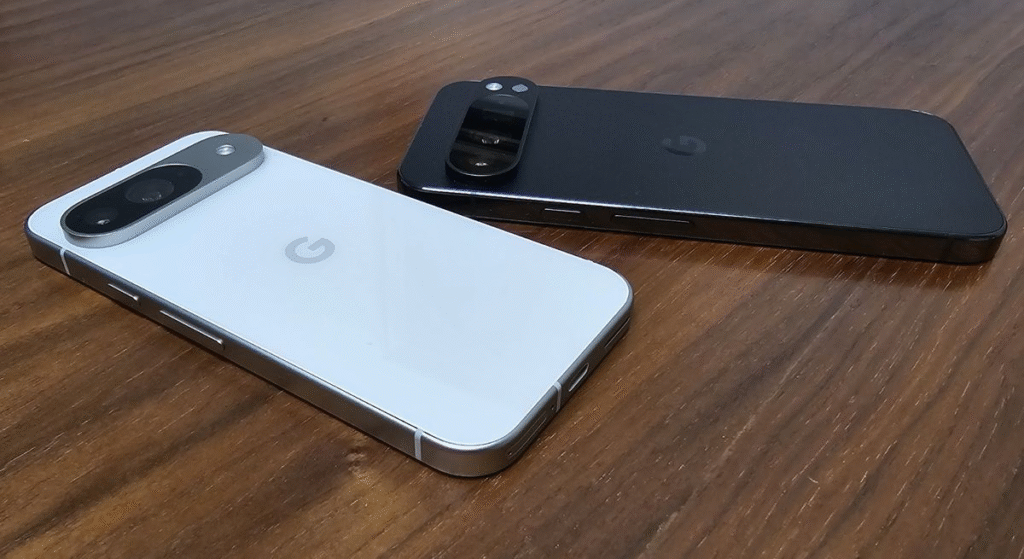
The Google Pixel 9 Pro is Google’s answer to a compact, AI‑powered flagship built for camera lovers and software enthusiasts.

Announced in August 2024, the Pixel 9 Pro landed in India shortly after, offering premium hardware and industry‑leading AI features at a relatively balanced price.

Google promises seven years of OS, security, and Pixel Drop updates, ensuring the Google Pixel 9 Pro stays current far longer than most smartphones.

Also Apple is preparing for the launch of its next-generation smartphone — the iPhone 17 series, expected in September 2025 — and leaks surrounding the new colour options have generated significant buzz. So you read our article on the iPhone 17 Colours confirmation.


Design and Display

The Google Pixel 9 Pro features a 6.3‑inch Super Actua LTPO OLED display with a resolution of 1280 × 2856 pixels. It supports a smooth 1 Hz to 120 Hz refresh rate and peak brightness up to 3000 nits, backed by Gorilla Glass Victus 2 on both front and back.

With 495 ppi, the screen is razor‑sharp and usable under direct sunlight. The aluminum frame, IP68 dust and water resistance, and compact 152.8 x 72 x 8.5 mm body at 199 g make the Google Pixel 9 Pro easier to handle than many other flagships.

Also if you’re looking for innovation, performance, and versatility in one sleek package, the Samsung Galaxy Z Fold 7 is the foldable to beat in 2025.


Performance and Chipset

image 107

Powered by Google’s fourth‑generation Tensor G4 processor and secured by the Titan M2 chip, the Google Pixel 9 Pro brings cutting‑edge custom silicon optimized for AI and multimedia.

With 16 GB of LPDDR5X RAM and storage options ranging up to 256 GB (expandable by higher variants in some regions), the Google Pixel 9 Pro handles multitasking with ease. It benefits from vapor‑chamber cooling to keep thermals in check during extended use—unlike its non‑Pro sibling.


Cameras and Imaging

Photography is where the Google Pixel 9 Pro truly shines. The rear triple camera system comprises a 50 MP wide sensor, a 48 MP ultra‑wide, and a 48 MP telephoto lens offering 5× optical zoom and up to 30× Super Res Zoom. The 42 MP front camera with autofocus delivers sharp selfies and crisp video calls.

The Google Pixel 9 Pro can shoot 8K video at 30 fps from the rear cameras and supports 4K at 60 fps on all lenses. Software tools like Magic Editor, Add Me, Face Unblur, and Pixel Studio enhance creative control via AI.


Battery and Charging

The Google Pixel 9 Pro houses a 4,700 mAh battery and supports fast wired charging up to 45 W, and fast wireless charging up to 21 W via Qi. It also supports reverse wireless charging.

The battery and fast‑charging combo let users recharge to 70 percent in around 30 minutes, ensuring minimal downtime.


Software and Updates

Running Android 14 out of the box, the Google Pixel 9 Pro receives seven years of OS upgrades, security fixes, and feature drops. Users also enjoy Gemini AI integration, Pixel Screenshots, Ambient Call Notes, and Gemini Live voice interaction.

With built‑in temperature sensing, ultra‑wideband support, and enhanced security features, the Google Pixel 9 Pro stands out among Android phones.


Connectivity and Extras

As standard, the Google Pixel 9 Pro offers 5G SA/NSA, Wi‑Fi 7, Bluetooth 5.3 LE, NFC, dual SIM (nano + eSIM), and USB‑C 3.2.

The in‑display ultrasonic fingerprint sensor and stereo speakers add convenience. The IP68 rating and robust build ensure long‑term durability for the Google Pixel 9 Pro.


Real‑World Usage

Users report that the Google Pixel 9 Pro excels in photo quality, voice clarity, and multitasking. A few note that the phone remains cool during gaming, thanks to the vapor chamber cooling.

On Reddit, users contrast it with the standard Pixel 9, which overheats during heavy use. The Google Pixel 9 Pro draws consistent praise for its refined performance under load.


Market Position and Pricing

In India, the Google Pixel 9 Pro launched at ₹1,09,999 for the 16 GB/256 GB version. It was available from mid‑October 2024 via online and select offline channels, including Google‑operated stores in Delhi, Bangalore, and Mumbai. The top‑end Google Pixel 9 Pro delivers a flagship experience at a price more accessible than many competing flagships.

While some buyers noted pricing felt high compared to similarly spec’d Chinese brands, those prioritizing software support, AI functionality, and camera excellence often found the Google Pixel 9 Pro to offer unmatched value in its segment.


Pros and Cons

Pros

  • Stunning triple‑camera system with 5× optical zoom and 30× digital zoom
  • Crisp 6.3‑inch LTPO OLED display with 120 Hz switching and 3000 nits brightness
  • Tensor G4 and Titan M2 paired with 16 GB RAM deliver smooth performance
  • Seven years of guaranteed updates—for Google Pixel 9 Pro users, this means longevity
  • Compact form factor, IP68‑rated, premium build

Cons

  • Price higher than some flagship Android rivals
  • No charger included in the box
  • Availability in offline stores limited outside major cities
  • Heavier charger required for fastest wired charging (45 W)

Who Should Pick the Google Pixel 9 Pro?

Photographers and content creators who demand advanced zoom and AI editing tools. Users planning to keep their phone for several years and expecting ongoing updates.

Anyone wanting flagship‑level hardware in a compact, pocketable size. If you’re after exemplary voice assistants, Gemini features, and reliable security, the Google Pixel 9 Pro is built for you.


Comparison Highlights

Compared to the base Pixel 9, the Google Pixel 9 Pro adds vapor‑chamber cooling, telephoto optics, UWB chip, enhanced video recording, and a sharper front camera.

While the Pro XL offers a larger 6.8‑inch screen and bigger battery, the Google Pixel 9 Pro caters to those preferring one‑hand use without sacrificing power.


Conclusion

The Google Pixel 9 Pro stakes its claim as one of the smartest flagships for 2025. With top‑tier camera hardware, AI‑driven software enhancements, long‑term software support, and a refined design, it appeals to those seeking performance, utility, and longevity.

If you’re looking for a true flagship that delivers speed, photography excellence, and seven years of updates—packaged in a compact and durable body—the Google Pixel 9 Pro remains one of the most compelling choices on the market today.

Vivo X200 FE Launched in India: Compact Flagship With Big Performance

vivo x200 fe

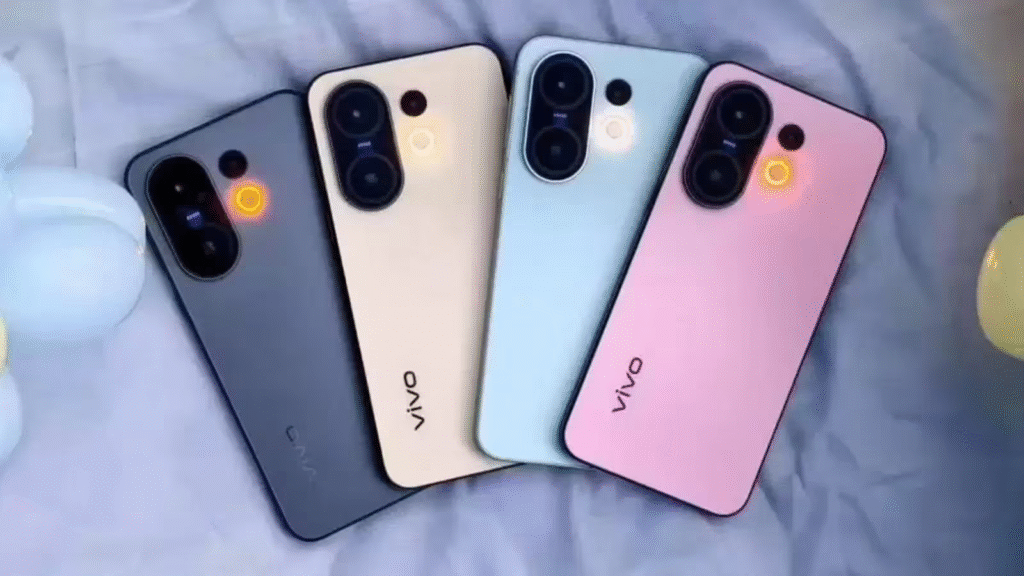
Vivo has officially launched the Vivo X200 FE in India, marking a significant moment in the compact flagship smartphone segment. Designed for users who want flagship-level performance, powerful cameras, and future-ready technology without carrying a bulky device, the Vivo X200 FE delivers a well-rounded package.

With a competitive price tag and features that rival even premium-tier phones, this device has already caught the attention of smartphone enthusiasts and industry observers alike.

Also, if you’re looking for innovation, performance, and versatility in one sleek package, the Samsung Galaxy Z Fold 7 is the foldable to beat in 2025.

Let’s explore what makes the Vivo X200 FE a compelling choice for 2025.


Sleek Design, Premium Display

The Vivo X200 FE is crafted with a modern and sleek design, featuring a matte finish and slim profile that fits comfortably in one hand.

It comes with a 6.31-inch LTPO AMOLED display offering a 1.5K resolution and an adaptive 120Hz refresh rate. With support for HDR10+ and peak brightness of up to 5,000 nits, the screen remains bright and legible even in direct sunlight.

Despite being a compact device, it does not compromise on build quality. The phone carries IP68 and IP69 certifications for water and dust resistance, making it durable enough for real-world usage. Its aluminum frame and curved glass back give it a premium feel, while remaining light at around 186 grams.

Apple is also preparing for the launch of its next-generation smartphone — the iPhone 17 series, expected in September 2025 — and leaks surrounding the new colour options have generated significant buzz. So you read our article on the iPhone 17 Colours confirmation.


Powerful Processor With Flagship Performance

image 110

Under the hood, the Vivo X200 FE is powered by the MediaTek Dimensity 9300+ chipset, a 4nm processor that competes directly with the top-tier Snapdragon processors. It is paired with up to 16GB of LPDDR5X RAM and up to 512GB of UFS 3.1 storage, ensuring smooth performance for multitasking, gaming, and productivity.

This flagship chip brings notable gains in AI processing, graphics performance, and power efficiency. Whether you’re editing photos, running intensive apps, or gaming at high settings, the Vivo X200 FE delivers consistent and efficient performance without overheating—thanks to its advanced cooling system.


Camera System Co-Engineered With Zeiss

Photography is one of the strongest selling points of the Vivo X200 FE. Vivo has continued its collaboration with Zeiss to deliver a camera setup tuned for clarity, realism, and versatility.

The rear camera setup includes:

  • A 50MP main sensor with optical image stabilization (OIS)
  • A 50MP telephoto sensor with 3x optical zoom
  • An 8MP ultra-wide-angle camera

These lenses offer excellent results in various lighting conditions, especially low light. The main sensor captures detailed shots with rich colors, while the telephoto lens provides lossless zoom for portraits and distant subjects. The ultra-wide lens offers creative flexibility for landscapes and group photos.

On the front, the Vivo X200 FE houses a 50MP autofocus selfie camera that excels in sharpness and natural color reproduction. The device supports 4K video recording at 60fps on both the front and rear cameras, allowing content creators and vloggers to shoot high-quality footage on the go.


Long-Lasting Battery With Fast Charging

One of the standout features of the Vivo X200 FE is its massive 6,500mAh silicon-carbon battery, an impressive capacity for a compact phone. It provides all-day battery life, even with heavy usage like streaming, gaming, and camera use.

In addition to longevity, the phone supports 90W wired fast charging. It can reach up to 50% charge in just under 20 minutes, and a full charge takes around 40 minutes. This means less time plugged in and more time using your phone.

Reverse charging is also supported, allowing the device to serve as a power bank in emergencies.


Software and AI Features

The Vivo X200 FE runs on Android 15 out of the box, layered with Vivo’s refined Funtouch OS 15. The software experience is fluid, clean, and full of intelligent features.

AI integration is deeply embedded in the operating system, with tools like:

  • AI Call Assistant
  • AI Eraser for removing unwanted objects from images
  • Live translation for voice and text
  • Smart screenshot summarization
  • Personalized app suggestions

These features make the phone more intuitive and user-friendly while boosting productivity.


Connectivity and Audio

Connectivity is future-ready on the Vivo X200 FE. It supports:

  • 5G SA/NSA
  • Wi-Fi 7
  • Bluetooth 5.4
  • NFC
  • Dual SIM functionality

There’s also an infrared blaster and USB-C with support for high-speed data transfer. The in-display fingerprint scanner is fast and accurate, and face unlock is quick in good lighting.

On the audio front, the phone features stereo speakers with Hi-Res Audio support, offering clear and immersive sound for videos, calls, and music playback.


Variants, Price, and Availability

The Vivo X200 FE is available in two primary variants in India:

  • 12GB RAM + 256GB storage: ₹54,999
  • 16GB RAM + 512GB storage: ₹59,999

It comes in three attractive color options—Frost Blue, Luxe Gray, and Amber Yellow. Pre-orders began mid-July, with open sales starting on July 23 through online and offline retailers.

The pricing places it in the premium mid-range segment, where it competes with other flagship killers and compact premium phones. However, the Vivo X200 FE distinguishes itself with its balance of power, camera versatility, and compact form.


Key Reasons to Buy the Vivo X200 FE

If you’re unsure whether this phone is for you, here are the top reasons to consider the Vivo X200 FE:

  1. Compact flagship design – Slim, light, and IP-rated for durability
  2. Zeiss-powered camera system – Advanced optics with 3x optical zoom
  3. Massive battery life – 6,500mAh capacity with 90W fast charging
  4. Flagship-level chipset – MediaTek Dimensity 9300+ for ultra-fast performance
  5. Bright and sharp AMOLED display – Excellent for outdoor and multimedia use
  6. AI-integrated software – Smart features that enhance daily usability

Pros and Cons

Pros

  • Premium design with IP68/IP69 rating
  • Powerful processor with 16GB RAM option
  • Stunning display with high brightness
  • Great camera system with 4K video on all lenses
  • Fast charging and excellent battery life
  • Advanced AI tools for productivity and creativity

Cons

  • Ultra-wide camera lacks the detail of the primary and telephoto lenses
  • No wireless charging support
  • No expandable storage via microSD

Final Verdict

The Vivo X200 FE represents one of the most well-rounded smartphones in its price segment. Vivo has managed to combine compact design, flagship performance, outstanding cameras, long battery life, and smart software in one attractive package.

For users who want top-tier capabilities without compromising portability, the Vivo X200 FE stands out as an exceptional choice.

From professional photography to gaming and long-term usage, this phone is designed to excel. With strong competition in the market, the Vivo X200 FE proves that compact doesn’t mean compromised—and that premium features can still come at a fair price.

Apple iOS 26 Update: Public Beta Release, Supported Devices, Top Features

apple ios 26 update

Apple has officially announced the release of the iOS 26 update, a major upgrade to the iPhone operating system packed with new features, interface changes, and enhanced artificial intelligence integration.

With the public beta now available, users can preview the changes before the final rollout, which is expected to coincide with the iPhone 17 series launch later this year. So you read our article on the iPhone 17 Colours confirmation.

From an all-new visual style to deeper personalization and smarter apps, the iOS 26 update aims to redefine how users interact with their devices. This article covers everything you need to know, including the public beta release date, a full list of supported devices, and the most exciting features coming your way.


Public Beta Release Date

The iOS 26 update entered its public beta phase in late July 2025, following several weeks of developer testing. This release allows general users to experience the system and provide feedback while Apple continues refining it for its final release.

The stable version is expected to be rolled out in September 2025, aligning with Apple’s traditional software release cycle during the annual iPhone launch event. By offering a public beta ahead of time, Apple allows users to report bugs, test compatibility, and explore the system’s new features early.

If you’re eager to try out the new features, the public beta can be downloaded through Apple’s Beta Software Program. However, it’s best to install it on a secondary device, as pre-release software can sometimes contain bugs or stability issues.


List of Supported Devices

The iOS 26 update supports iPhones powered by the A13 Bionic chip and newer. Here’s a complete list of devices eligible for the update:

  • iPhone 11, iPhone 11 Pro, iPhone 11 Pro Max
  • iPhone SE (2nd and 3rd generation)
  • iPhone 12, 12 Mini, 12 Pro, 12 Pro Max
  • iPhone 13, 13 Mini, 13 Pro, 13 Pro Max
  • iPhone 14, 14 Plus, 14 Pro, 14 Pro Max
  • iPhone 15, 15 Plus, 15 Pro, 15 Pro Max
  • iPhone 16 series (upcoming)
  • iPhone 17 series (launching with the final iOS 26 update)

Devices older than the iPhone 11, such as the iPhone XR, XS, and XS Max, will no longer receive this update. Also, while many new features will be available to all supported devices, some AI-related features will be exclusive to iPhones with the A17 Pro chip and newer due to hardware requirements.


Top Features of iOS 26

image 99

The iOS 26 update introduces numerous changes, both cosmetic and functional. Apple has worked extensively to enhance usability, performance, and intelligence across the entire system.

Let’s explore the standout features:

1. Liquid Glass Design

One of the most eye-catching updates is the new Liquid Glass design. This fresh interface style brings animated transparencies, fluid movement, and a more dynamic visual identity to the home screen, lock screen, widgets, and Control Center.

Icons now subtly shift with motion, the notification shade appears semi-translucent, and interface elements feature more depth, giving the OS a sleeker, more modern appearance.


2. Apple Intelligence (AI Features)

iOS 26 heavily integrates Apple Intelligence, a suite of AI-powered tools designed to improve productivity and personalization. Key AI features include:

  • Smart notifications that summarize emails, articles, and messages
  • Genmoji, which allows users to create custom emojis using AI
  • Image Playground, a tool to generate visuals from text prompts
  • Smart replies, which suggest complete, contextual message responses
  • Live language translation within calls and messages

These tools operate mostly on-device, preserving user privacy while offering impressive intelligence. However, full functionality requires an iPhone 15 Pro or newer.


3. Improved Messages App

The Messages app has received several new features in the iOS 26 update, including:

  • Chat polls for quick group decisions
  • New sticker and emoji reactions
  • Custom message themes and backgrounds
  • Improved filtering of unknown senders
  • Typing indicators for group chats

With these additions, messaging becomes more fun, organized, and interactive—perfect for social and work conversations alike.


4. Updated Phone App

Apple has overhauled the Phone app in iOS 26 with smarter call features and a more streamlined design. The updated app includes:

  • Call Screening, which uses AI to identify spam or unwanted calls in real time
  • Hold Assist, which listens on your behalf during hold music and alerts you when a human agent returns
  • Unified call history and voicemail tabs for easier access

This makes daily phone use far more convenient and efficient.


5. Safari Redesign and Smart Features

Safari in iOS 26 now supports:

  • A cleaner tab layout
  • AI-generated content summaries
  • Improved Private Browsing, with Face ID authentication
  • Enhanced Reader View, providing article highlights and estimated reading times

With speed and privacy enhancements, Safari continues to be a reliable choice for mobile browsing.


6. Photos and Camera Enhancements

Photos and Camera have been upgraded with:

  • 3D effects for select images
  • Improved search filters
  • AI-assisted photo sorting
  • Manual exposure and focus controls in the Camera app

These improvements make content creation more professional and organization easier.


7. Apple Games Hub

The iOS 26 update introduces a new Games app that serves as a central hub for Apple Arcade and Game Center activities. Users can manage games, achievements, and friend activity from one location—streamlining the gaming experience.


8. Smarter Battery Management

Battery health is a common concern, and Apple addresses it with:

  • A new Adaptive Power Mode, using AI to adjust background tasks and screen brightness
  • A redesigned Battery Dashboard, showing detailed usage insights and health data
  • Alerts for battery-draining apps

This feature helps extend daily use and improve long-term battery health.


9. Control Center Customization

Control Center is now fully customizable. Users can:

  • Resize tiles
  • Rearrange functions
  • Add third-party app shortcuts
  • Create widget stacks with swipeable panels

This enables more efficient control over common settings and actions.


10. Siri 2.0

Siri has been redesigned with better voice recognition and contextual understanding. New Siri features include:

  • Offline functionality for core actions
  • Conversational memory for follow-up questions
  • Integration with the Apple Intelligence platform

Siri can now assist with multi-step tasks, such as planning events or setting up reminders based on real-time information.


11. Enhanced Accessibility

Accessibility continues to be a focus in iOS 26, with new features like:

  • Eye-tracking controls
  • Personal Voice 2.0, allowing users with speech disabilities to create realistic digital voices
  • Adaptive audio feedback
  • Simplified interface modes for users with cognitive disabilities

These tools make the iPhone more inclusive than ever before.


12. CarPlay and Maps Upgrades

CarPlay now features:

  • More responsive dashboard controls
  • Enhanced support for Live Activities like food deliveries or ride-hailing
  • New Maps features, including detailed EV charging station info and pedestrian navigation improvements

These upgrades improve the in-car iOS experience, making it smarter and safer.


Final Thoughts

The iOS 26 update is one of Apple’s most ambitious software releases to date. From its striking Liquid Glass design to its AI-driven Apple Intelligence features, it brings a new level of personalization and performance to the iPhone.

Users with newer devices—especially those powered by the A17 Pro chip—will benefit the most from these changes. However, even older supported devices will see noticeable improvements in speed, usability, and aesthetics.

With the public beta already in user hands and the final release just around the corner, the iOS 26 update promises to elevate how users experience their iPhones in 2025 and beyond.

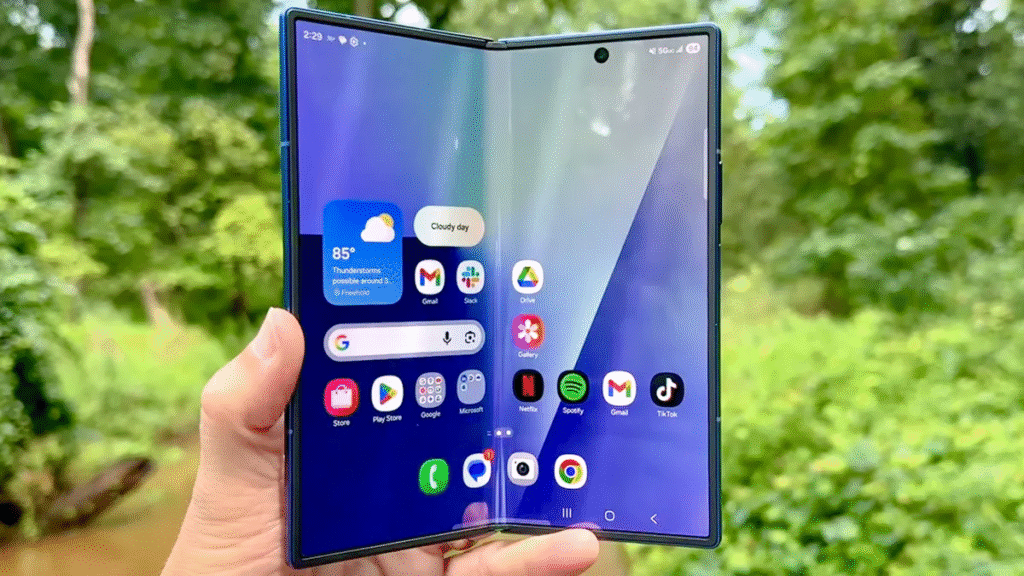
Samsung Galaxy Z Fold 7: 120Hz Brilliance, Specifications, and Pricing Unveiled

samsung galaxy z fold 7

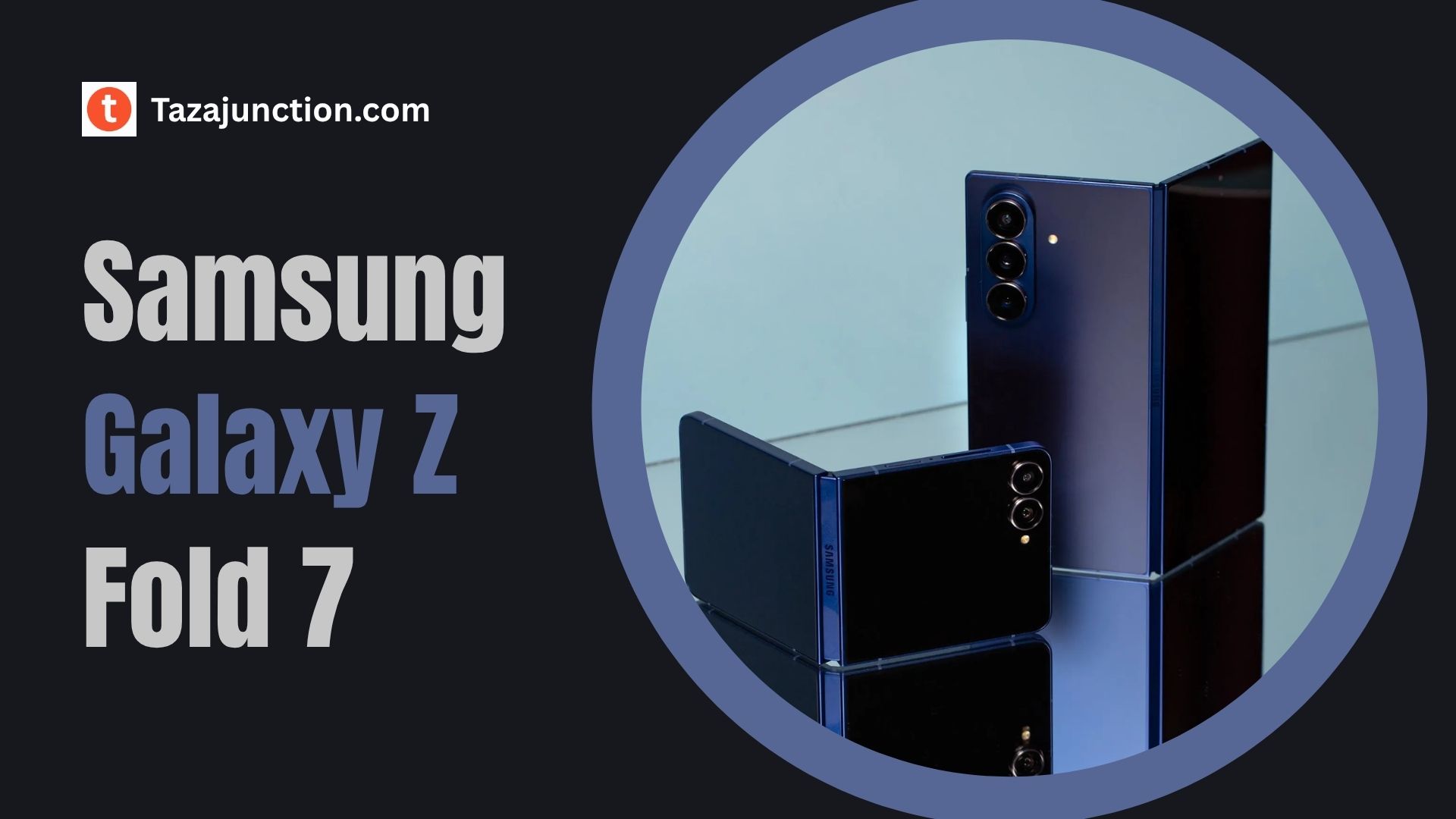
The Samsung Galaxy Z Fold 7 marks a bold step forward in the evolution of foldable smartphones. As Samsung’s flagship foldable for 2025, it combines cutting-edge hardware, immersive displays, refined design, and futuristic software features.

With a 120Hz display on both the inner and outer screens, a slimmer chassis, and the powerful Snapdragon 8 Gen 3 processor, the Samsung Galaxy Z Fold 7 is the most advanced foldable phone Samsung has ever created.

This Tazajunction.com article explores the device’s key specifications, price, display features, and performance, offering a complete overview for tech enthusiasts and prospective buyers.


Design and Build – A Sleeker Foldable Form

1. Ultra-Thin Design and Lightweight Body

Samsung has made notable improvements in design with the Samsung Galaxy Z Fold 7, which is now thinner and lighter than any of its predecessors. When folded, the phone is just 8.9mm thick, and when unfolded, it measures a wafer-thin 4.2mm. Despite this slimmer profile, it maintains solid durability, thanks to Titanium side rails and the new Flex Hinge system.

The device weighs only 215 grams, which is surprisingly light for a phone that doubles as a tablet. This significant weight reduction makes it much more comfortable for prolonged use, whether folded or unfolded.

2. IP48 Rating – First Dust-Resistant Foldable

For the first time in the Fold series, the Samsung Galaxy Z Fold 7 comes with an IP48 rating, offering dust resistance—a crucial upgrade for a foldable device. Samsung continues to set new benchmarks in the foldable segment with meaningful improvements to everyday usability and longevity.

Apple is preparing for the launch of its next-generation smartphone — the iPhone 17 series, expected in September 2025 — and leaks surrounding the new colour options have generated significant buzz. So you read our article on the iPhone 17 Colours confirmation.


Display – Dual 120Hz AMOLED Brilliance

1. Main Display – Immersive and Powerful

The inner display is an 8.0-inch QXGA+ Dynamic AMOLED 2X panel with a 120Hz refresh rate, LTPO technology, and HDR10+ support. It boasts a resolution of 2184 x 1968 pixels, offering crisp visuals for reading, gaming, or multitasking.

The Samsung Galaxy Z Fold 7 brings a nearly crease-free experience, with Samsung fine-tuning the hinge mechanism and ultra-thin glass. This improvement makes reading, scrolling, and watching videos more immersive than ever before.

2. Cover Display – Everyday Convenience

The 6.5-inch outer screen is also a 120Hz AMOLED panel, with a tall 21:9 aspect ratio and a resolution of 2520 x 1080 pixels. It feels like a traditional smartphone and is perfect for quick tasks, phone calls, and app use on the go.

Both displays support Adaptive Refresh Rate, meaning the phone intelligently adjusts the refresh rate to save battery or enhance responsiveness depending on the activity.


Performance and Hardware

image 74

1. Powered by Snapdragon 8 Gen 3 for Galaxy

The Samsung Galaxy Z Fold 7 is powered by the Snapdragon 8 Gen 3 for Galaxy processor, which is currently one of the most powerful mobile chipsets available. This chip is optimized specifically for Samsung, offering enhanced performance and efficiency.

With 12GB or 16GB RAM options and storage variants ranging from 256GB to 1TB, the Fold 7 easily handles multitasking, gaming, and heavy apps.

2. Software – One UI 7 and Galaxy AI

The device runs on Android 15 with Samsung’s One UI 7, packed with foldable-specific features like Multi-Active Windows, Taskbar, Flex Mode, and Split View.

Samsung also introduced Galaxy AI, with features like Generative Edit, AI Note Assist, and Interpreter Mode, making the Samsung Galaxy Z Fold 7 not just smart but contextually intelligent.


Camera Capabilities

1. Triple Rear Camera System

The Samsung Galaxy Z Fold 7 includes a flagship-grade triple camera setup:

  • 200MP primary sensor with OIS
  • 12MP ultra-wide sensor
  • 10MP telephoto lens with 3x optical zoom

These cameras produce sharp, vibrant images in all lighting conditions and support 8K video recording.

2. Under-Display and Cover Cameras

  • 10MP under-display camera on the inner screen
  • 10MP punch-hole selfie camera on the outer display

The under-display sensor is now less visible, blending seamlessly into the screen, ideal for immersive viewing and video calls.


Battery Life and Charging

image 73

1. All-Day Battery Performance

The Samsung Galaxy Z Fold 7 packs a 4,400mAh dual-cell battery that supports all-day use, especially with optimized power consumption from the LTPO display and Snapdragon processor.

2. Charging Options

  • 25W wired fast charging
  • 15W wireless charging
  • 4.5W reverse wireless charging

While some users may have expected faster wired charging, Samsung focused on device thinness and thermal management. Most users will find the 25W charging adequate for daily use.


Connectivity and Extras

The Samsung Galaxy Z Fold 7 includes all the premium connectivity options you’d expect:

  • 5G and Wi-Fi 7
  • Bluetooth 5.4 and NFC
  • Side-mounted fingerprint scanner
  • Stereo speakers tuned by AKG
  • Samsung DeX support for desktop-like experience
  • No built-in S Pen support (to maintain slim design)

Despite dropping the built-in S Pen slot, the Samsung Galaxy Z Fold 7 still supports external S Pen Fold Edition, which works beautifully with the large inner screen.


Price and Availability

Global Pricing

  • USA: Starting at $1,999 for the 256GB model
  • UK: From £1,799
  • Europe: Approx. €1,999
  • India: Starting at ₹1,74,999

Samsung is offering early bird deals, including up to $1,000 trade-in credit, free storage upgrades, and one year of Samsung Care+ in select regions.


Why Choose the Samsung Galaxy Z Fold 7?

10 Reasons to Consider It

  1. Immersive 120Hz dual displays
  2. Thinner and lighter foldable design
  3. Powerful Snapdragon 8 Gen 3 chip
  4. Dust and water resistance (IP48)
  5. Flagship 200MP camera
  6. Android 15 with One UI 7
  7. AI-enhanced productivity features
  8. Smoother multitasking
  9. All-day battery life
  10. Samsung’s 5-year update promise

The Samsung Galaxy Z Fold 7 caters to professionals, tech enthusiasts, and anyone who needs a powerful phone-tablet hybrid for multitasking, content creation, and immersive media consumption.


Final Verdict

The Samsung Galaxy Z Fold 7 represents the most refined and capable foldable yet. From the immersive 120Hz AMOLED displays to the powerful internals and polished software, it’s a premium flagship that delivers on nearly all fronts.

Though expensive, its design, features, and long-term support justify the price for users who want the future of mobile technology today.

If you’re looking for innovation, performance, and versatility in one sleek package, the Samsung Galaxy Z Fold 7 is the foldable to beat in 2025.

iPhone 17 Colours Confirmed: Apple’s Most Vibrant Lineup Yet

iphone 17 colours confirmed

Apple is preparing for the launch of its next-generation smartphone — the iPhone 17 series, expected in September 2025 — and leaks surrounding the new colour options have generated significant buzz.

While performance and camera upgrades are always highly anticipated, it’s the iPhone 17 Colours, iPhone 17 Air, and iPhone 17 Pro models that have taken centre stage this year.

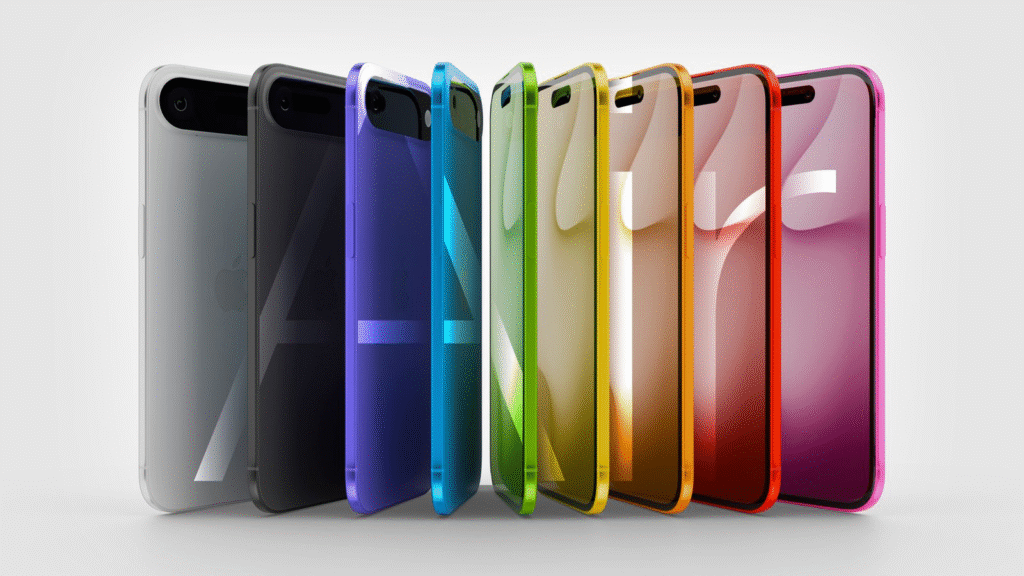
This year, Apple is doubling down on variety, introducing distinct colour options for each iPhone 17 variant. From bold tones to muted classics, the new lineup offers something for every taste — from fashion-forward users to minimalists.

Also you want to know about Income Tax return then read our article. This article provides a complete guide on the start date of ITR filing, who needs to file, the due dates, document checklist, common mistakes, and the importance of filing early.


A Big Year for Colour

For years, Apple has played with a mix of safe and experimental iPhone 17 Colours options — with models like the iPhone 5C, iPhone XR, and iPhone 14 making waves for their vibrant choices. In 2025, Apple is going bigger and bolder than ever, with three tiers of colour strategies tailored for different user demographics:

  • The Standard iPhone 17 focuses on youthfulness and trend-driven hues.
  • The iPhone 17 Air, a new ultra-slim model, comes in soft, elegant colours.
  • The iPhone 17 Pro/Pro Max balances luxury with a bold edge, offering deep finishes and a surprise new shade.

iPhone 17 Colours: A Refreshing Blend of Fun and Familiar

Apple is reportedly offering six iPhone 17 Colours for the standard iPhone 17:

  • Black
  • White
  • Steel Gray
  • Green
  • Purple
  • Light Blue

These colours blend timeless choices like black and white with playful options like purple and light blue. Green makes a return, likely in a fresher shade, while steel gray is a new addition meant to evoke a clean, industrial look.

This set appeals to a wide audience — from first-time iPhone buyers to those seeking a vibrant upgrade. The colours are expected to have a glossy finish, continuing Apple’s trend with the standard lineup.


iPhone 17 Air: Subtle Elegance in a New Form

image 58

Replacing the Plus model in Apple’s lineup is the iPhone 17 Air — an ultra-thin and lightweight version that is expected to turn heads with both its design and colours. The four confirmed colours for the iPhone 17 Air include:

  • Black
  • White
  • Light Blue
  • Light Gold

These soft tones are deliberately refined, targeting a more professional or style-conscious audience. Light gold, in particular, stands out as a nod to premium aesthetics, without the shimmer of previous gold finishes.

The Air’s design and colour palette signal Apple’s intention to offer a more fashionable alternative to the standard and Pro models.


iPhone 17 Pro and Pro Max: Luxury Meets Statement

image 59

The iPhone 17 Pro lineup is getting five carefully curated colours this year:

  • Black
  • White
  • Gray
  • Dark Blue
  • Orange/Copper

Black, white, and gray provide a sophisticated and reliable base — colours that appeal to Pro users who prioritize performance and subtlety. Dark blue returns from previous models but is said to be deeper and richer in tone.

However, the real showstopper is the new orange/copper shade — a daring and luxurious addition never before seen in the Pro range. This colour is expected to stand out in product marketing and serve as a visual signature for the 2025 flagship.

The Pro series also features a brushed matte finish, giving the devices a premium texture while reducing fingerprints and glare.


Why Colour Matters More Than Ever?

Colour may seem cosmetic, but it plays a strategic role in Apple’s design and marketing philosophy. Here’s why these new colour options are a big deal:

1. Brand Differentiation

With three distinct iPhone tiers — Standard, Air, and Pro — colour helps create visual separation and identity. Customers can now more easily identify an iPhone model based on its finish alone.

2. Lifestyle Appeal

Colours are no longer just tech choices — they’re lifestyle statements. By offering everything from minimal white to expressive purple, Apple is catering to the personal style of its global audience.

3. Accessory Ecosystem

Each iPhone colour comes with corresponding accessories, such as MagSafe cases and watch bands. The more colour options Apple offers, the more opportunities it has to sell coordinated accessories.


Consumer Reactions and Online Buzz

The colour leaks have caused quite a stir in the Apple community, with users on social media platforms expressing everything from excitement to skepticism.

  • Purple and green are getting love from younger users, especially fans of the iPhone 12 and 14 colour palettes.
  • The orange/copper Pro variant is dividing opinions — some love the boldness, while others find it too experimental.
  • Light gold and light blue in the Air model are being praised for their subtlety and elegance.

Overall, the expanded palette is being seen as a positive evolution, offering buyers more freedom to match their devices with their personal identity.


Design Integration and Material Choices

It’s worth noting that colour doesn’t stand alone — Apple designs its hues in tandem with material finishes. This year’s models are expected to feature:

  • Aluminum frames for the iPhone 17 and 17 Air
  • Titanium alloy or brushed aluminum for the iPhone 17 Pro and Pro Max

Each material interacts differently with light, resulting in unique depth and sheen for each colour. For example, the copper tone on titanium may appear warmer and deeper compared to the same tone on an aluminum chassis.


Predicted Impact on Sales

Apple often introduces a standout colour that drives early interest and social media chatter. In past years, colours like Midnight Green, Pacific Blue, and Deep Purple became fan favorites and helped boost pre-order sales.

With orange/copper in the Pro and light gold in the Air, Apple appears to be betting on visual flair to generate strong first impressions and differentiate this generation from previous ones.

This may also help Apple sustain demand across multiple models by giving each a unique visual character.


Full Colour Chart Summary

ModelConfirmed Colours
iPhone 17Black, White, Steel Gray, Green, Purple, Light Blue
iPhone 17 AirBlack, White, Light Blue, Light Gold
iPhone 17 ProBlack, White, Gray, Dark Blue, Orange/Copper

Final Thoughts

Apple’s decision to expand and diversify its iPhone 17 Colours offerings for the iPhone 17 lineup is a smart move. In a saturated market, design and individuality matter more than ever. By tailoring colours to each model, Apple ensures that there’s a distinct visual identity for every type of user.

Whether you’re after the classic sophistication of gray, the playful charm of purple, or the bold personality of orange, the iPhone 17 family offers a finish for every kind of user in 2025.

From casual users to professionals and style enthusiasts, the iPhone 17 colours reflect Apple’s evolution from a tech company to a lifestyle brand — one that knows that innovation is not just about performance, but also about personality.

ChatGPT Agent Development: How Yash Kumar Is Shaping the Future of AI

chatgpt agent

In the ever-evolving landscape of artificial intelligence, few innovations have captured the public’s imagination quite like OpenAI’s ChatGPT.

While the platform itself has become a household name, less known are the visionary individuals behind its latest breakthrough—the ChatGPT Agent. At the forefront of this next-gen AI development is Yash Kumar, the project lead responsible for bringing the ChatGPT Agent to life.

Yash Kumar is not just another tech executive in Silicon Valley. He represents a new breed of global engineers and leaders—technically brilliant, safety-conscious, and mission-driven.

His leadership on the ChatGPT Agent project has helped shape a new direction in human-computer interaction, moving AI from a responsive assistant to an autonomous operator capable of performing multi-step tasks across a virtual environment.

If you love to ride, then you can take your next ride with Yamaha Motor because India has officially launched the all-new 2025 Yamaha FZ X Hybrid model.


Early Life and Educational Background

Yash Kumar hails from India and is an alumnus of the Indian Institute of Information Technology, Hyderabad (IIIT-H). Known for its cutting-edge research and a rigorous curriculum in computer science, IIIT-H has been a launching pad for many globally recognized tech professionals.

During his academic journey, Kumar focused on core computer science principles, software engineering, and machine learning—skills that would later serve as the foundation for his work in AI.

His academic experience was not limited to the classroom; he was actively involved in research, programming contests, and innovation-driven student projects.


Professional Journey Before OpenAI

After graduating from IIIT-H, Yash Kumar built an impressive career in some of the world’s top tech companies. He spent significant time at Google, where he worked on large-scale backend systems and gained deep exposure to AI, cloud infrastructure, and product development.

He later held leadership positions at companies like DoorDash and Scratch, contributing to engineering architecture and team scaling. These experiences shaped his technical capabilities and his approach to managing cross-functional teams, setting the stage for a leadership role in the fast-moving world of AI.


Joining OpenAI: A Turning Point

image 35

Yash Kumar joined OpenAI in 2023 as part of its growing team focused on building more capable and safe AI systems. At OpenAI, he quickly rose through the ranks, taking on the critical responsibility of leading the development of ChatGPT Agent, a project that merges AI capabilities with real-world automation.

The ChatGPT Agent project is one of OpenAI’s most ambitious initiatives—transforming the way users interact with AI. It goes beyond conversational capabilities, allowing AI to perform complex, multi-step digital tasks independently using a virtual computer environment.


The ChatGPT Agent: What It Is and Why It Matters

image 33

The ChatGPT Agent is designed to autonomously complete tasks such as browsing websites, managing files, scheduling calendar events, booking tickets, generating documents, and executing code—all while maintaining human oversight and control.

Under Kumar’s leadership, the project brought together two major tools previously under development—Operator and Deep Research—into a single, streamlined interface. This integration not only enhances user experience but also increases the range of tasks AI can handle in real-world scenarios.

Whether it’s planning a business trip, summarizing financial reports, or creating a presentation from scratch, the ChatGPT Agent executes these workflows efficiently with minimal input from the user. This represents a paradigm shift from traditional AI assistants, positioning the agent as an intelligent, semi-autonomous digital worker.


Leadership Style and Vision

Yash Kumar is known within OpenAI for his pragmatic and user-centric leadership style. His focus isn’t just on building advanced features—it’s about ensuring they work reliably, safely, and intuitively for users. He has emphasized repeatedly that the Agent is designed not for speed, but for “solving hard problems.”

One of his key principles has been to ensure the system prioritizes correctness over speed. Tasks that may take 10–20 minutes to complete are acceptable if the final output is accurate and useful. In Kumar’s view, this trade-off enhances trust and reliability, two vital pillars in the adoption of autonomous AI.

Another notable aspect of his leadership is his commitment to user control. Every action the Agent takes—especially those that could have real-world consequences like sending emails, making purchases, or editing documents—requires explicit user approval. This keeps the user in the loop and prevents unintended behavior.


Safety and Control at the Forefront

Safety has been a central theme in Yash Kumar’s approach to developing the ChatGPT Agent. He understands the potential risks of giving AI the ability to act autonomously in digital environments. Under his leadership, OpenAI has implemented several layers of protection:

  • Manual Approvals: Users must confirm any high-impact actions before the agent executes them.
  • Watch Mode: For actions involving sensitive data (like passwords or financial information), users must remain actively engaged on the screen.
  • No Background Execution for Sensitive Tasks: The agent cannot perform critical actions without real-time user visibility.
  • Secure Environment: The virtual workspace used by the agent is isolated and sandboxed to prevent any unauthorized access or data leakage.

These safety mechanisms make the ChatGPT Agent a trustworthy assistant for both individual users and enterprise environments.


Team Collaboration and Development Process

Yash Kumar works closely with a team of engineers, researchers, designers, and safety experts to bring the ChatGPT Agent to life. He also collaborates with Isa Fulford, a research lead at OpenAI, to align technological innovations with product execution.

The team operates in an iterative environment—testing, refining, and stress-testing new features before releasing them to users. Kumar encourages experimentation while maintaining high standards for reliability and usability. His leadership ensures that both the engineering depth and the user experience remain world-class.


Current Status and Access

As of now, the ChatGPT Agent is available to a select group of users on OpenAI’s Pro, Team, and Enterprise plans. The tool is still being refined, with ongoing feedback shaping its evolution. Eventually, the goal is to make the Agent more widely available with broader capabilities.

Yash Kumar has emphasized that the rollout is being conducted in a measured and responsible manner, ensuring safety, stability, and scalability before mass deployment.


Looking Ahead: The Future Under Kumar’s Direction

Yash Kumar sees the ChatGPT Agent as just the beginning of a broader transformation. Future updates may include:

  • Personalized Memory: The ability for the agent to remember user preferences and work history to better anticipate needs.
  • Faster Execution: Improved performance to handle more tasks in less time.
  • Deeper Integrations: Connections with more third-party apps and services to expand utility.
  • Enterprise Capabilities: Features designed specifically for business users, including data security, compliance, and collaboration tools.

He also envisions agents that can work collaboratively with users in real-time, helping them brainstorm, organize, and execute ideas with AI as a co-pilot.


Why Yash Kumar’s Role Matters?

Yash Kumar is not just leading a software project—he is at the helm of a shift in how humans interact with machines. His approach to safety, reliability, and user empowerment is shaping how AI assistants will function in the years to come.

In an industry where speed often trumps caution, Kumar stands out for his commitment to responsible innovation. He is not just building features—he is building trust. That makes his leadership on the ChatGPT Agent project not only technically impressive but also socially significant.


Conclusion

Yash Kumar’s rise as the project lead for OpenAI’s ChatGPT Agent reflects a powerful blend of technical excellence, strategic thinking, and ethical responsibility. From his early days at IIIT Hyderabad to his current leadership at OpenAI, his journey is a testament to global collaboration in advancing AI.

Under his guidance, the ChatGPT Agent is becoming more than just a tool—it’s evolving into a trusted partner that can handle the digital complexity of modern life. In the years ahead, Yash Kumar’s work will likely be seen as a key chapter in the story of artificial intelligence, automation, and the future of productivity.

Top 4 Tata Electric Cars in 2025 – What’s New and What to Expect

tata electric cars

As the world pivots toward a greener future, India’s automotive sector is undergoing a transformation like never before. At the forefront of this shift is Tata Motors, a brand that has not only embraced electrification but is redefining the standards for sustainable mobility in India.

By 2025, Tata Motors has firmly positioned itself as a leader in the Tata electric cars (EV) segment with a versatile portfolio that includes the Tata Harrier EV, Safari EV, Sierra EV, and Altroz EV.

This article delves into these four key Tata electric cars models and explores how Tata Motors is shaping the future of electric mobility in India and beyond.

Now you can also compare Yamaha electric cycle to Jio electric cycle. Read our article on it, you can get more info about it.


1. Tata Harrier EV – The Electric SUV with a Bold Presence

image 24

The Tata Harrier EV is one of the most anticipated launches of 2025. Building on the success of its internal combustion engine (ICE) predecessor, the Harrier EV brings the same muscular design, rugged character, and road presence—now enhanced with a clean electric drivetrain.

Design and Platform

The Harrier EV retains the OMEGA architecture, derived from Land Rover’s D8 platform, but is now adapted for electrification. It features Tata’s Gen 2 EV architecture, which allows for a larger battery pack and supports dual-motor all-wheel drive capabilities.

Aesthetically, the EV version introduces subtle changes to differentiate it from the ICE model—sleek LED lighting, a closed-off grille for improved aerodynamics, and exclusive EV-themed blue accents. The modern design reflects Tata’s futuristic vision without straying from the Harrier’s bold identity.

Performance and Range

The Harrier EV is expected to come with a battery pack between 60-70 kWh, offering a range of 400–500 km on a single charge. Dual motors enable it to tackle various terrains with ease, appealing to adventure-loving urban drivers.

Features

Inside, it boasts a panoramic sunroof, a 12.3-inch touchscreen infotainment system, connected car features, wireless charging, ventilated seats, and a 360-degree camera. Safety features include ADAS (Advanced Driver Assistance Systems), which makes the Harrier EV not just eco-friendly but also smarter and safer.

You can also take a deep dive into the Toyota Fortuner 2025—covering its design, engine options, features, performance, safety, pricing, and more


2. Tata Safari EV – Luxury and Sustainability Rolled into One

image 26

The Tata Safari EV takes everything people love about the iconic Safari—its spaciousness, commanding driving position, and road dominance—and adds the silent strength of an electric drivetrain.

Design Evolution

While the ICE Safari received a facelift in late 2023, the 2025 Tata electric carsTata electric cars version pushes the design envelope further. The EV version maintains the three-row configuration while adopting sleeker body lines, digital DRLs, a futuristic front fascia, and larger alloy wheels. The rear has a more sculpted look, and the vehicle features a new EV badge denoting its electric identity.

Interior and Comfort

The cabin focuses on a premium, tech-rich experience. Plush materials, powered front seats with memory function, and customizable ambient lighting add to the luxury feel. It also features Tata’s new software interface, which offers over-the-air (OTA) updates and integrates with Tata’s connected vehicle ecosystem.

Powertrain and Range

Under the hood, the Safari EV uses the same Gen 2 EV platform as the Harrier EV but may feature a slightly higher battery capacity to support its larger size. Range estimates fall between 450–520 km, making it a top contender for long family trips.

Target Market

This Tata electric cars model is perfect for large families or professionals seeking a premium, sustainable SUV that makes no compromise on space or road presence.


3. Tata Sierra EV – The Revival of a Legend

image 27

The return of the Tata Sierra, one of India’s most beloved SUVs from the 1990s, has sparked immense excitement. But this time, it’s back as an all-electric, futuristic SUV that pays homage to its heritage while paving the way for the future.

Design Language

The Sierra EV’s concept first wowed audiences at Auto Expo 2020, and the 2025 production model remains true to that vision. It retains the iconic wraparound rear glass panels—a design signature of the original Sierra—but modernized with LED lighting, a minimalist closed grille, and sculpted body lines.

Built on Tata’s Born Electric platform, the Sierra EV is not just an electrified version of an existing car—it’s designed from the ground up as an EV. This means optimized space utilization, a flat floor, and enhanced battery integration.

Performance and Specifications

Expected to come in both single and dual-motor variants, the Sierra EV will cater to a wide spectrum of buyers. The vehicle is expected to offer up to 500 km range, supported by fast-charging capabilities.

Interior and Experience

Inside, the Sierra EV is designed to feel like a “living room on wheels.” Spacious rear seating, a panoramic sunroof, rotating front passenger seat (as seen in concept), and minimalistic dashboard offer a unique combination of comfort and innovation. The infotainment system integrates AI-based personalization, making every drive seamless.

Legacy Meets Future

The Sierra EV is more than a car—it’s a nostalgic revival for older generations and an exciting discovery for the youth, making it a unique cultural and automotive milestone for Tata Motors.


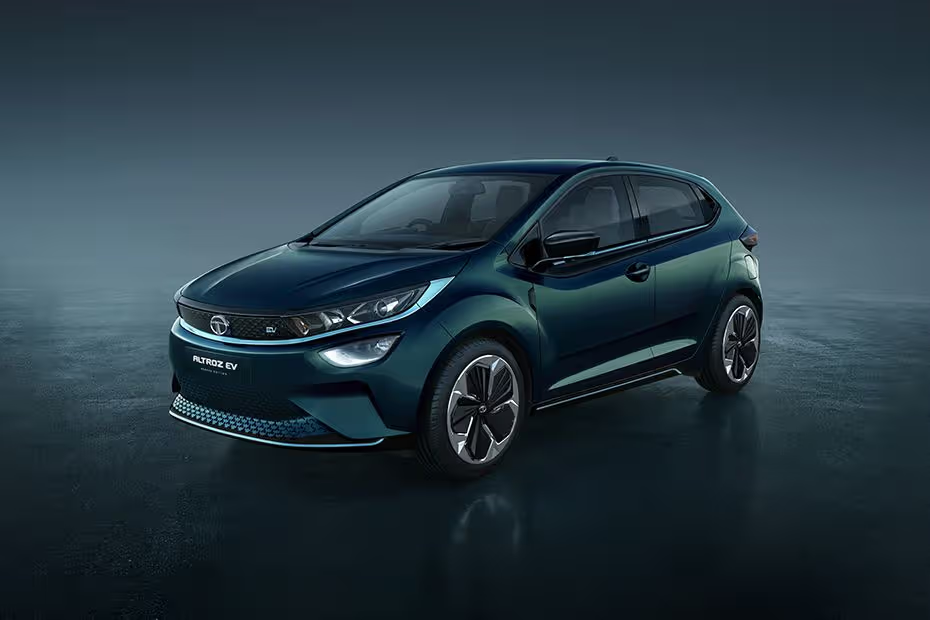
4. Tata Altroz EV – Practical Hatchback with Green Tech

image 28

The Tata Altroz EV represents Tata’s commitment to making EVs accessible and practical for Indian consumers. Based on the company’s proven ALFA (Agile Light Flexible Advanced) architecture, the Altroz EV combines the everyday practicality of a premium hatchback with the benefits of clean energy.

Design and Exterior

The design of the Altroz EV mirrors that of the ICE version but adds EV-specific elements such as a redesigned grille, EV badges, blue accents, and aerodynamic wheels. Its sharp, angular lines give it a sporty yet premium appeal.

Battery and Range

The Altroz EV is expected to come with a 30–40 kWh battery, offering a range of 300–350 km, ideal for daily urban and suburban commutes. It supports both AC and DC fast charging, allowing up to 80% charge in just under an hour.

Features and Tech

Despite being an entry-level Tata electric cars, the Altroz EV doesn’t skimp on features. It includes a 10.25-inch touchscreen, digital instrument cluster, connected car features, voice commands, and cruise control. Tata’s Ziptron technology ensures reliability, performance, and safety.

Target Audience

Perfect for young professionals, college students, and urban dwellers, the Altroz EV is designed for those who want an affordable yet premium green mobility solution without compromising on design and features.


Tata’s EV Ecosystem and Strategy

Tata Motors is not just launching Tata electric cars—it’s building a complete EV ecosystem. With its Ziptron technology, Tata ensures all its EVs meet high standards of safety, performance, and longevity.

The company also collaborates with Tata Power to expand the EV charging infrastructure across India, making EV adoption more practical.

Additionally, Tata’s investment in Jaguar Land Rover’s EV ambitions, battery supply chains, and dedicated EV platforms shows that the brand is not taking a backseat in the global EV revolution.


Conclusion

In 2025, Tata Motors stands at a pivotal point in India’s automotive history. With the Harrier EV, Safari EV, Sierra EV, and Altroz EV, the company is offering something for everyone—from premium SUV buyers to young hatchback owners—all while staying true to its mission of sustainable innovation.

By combining advanced technology, compelling design, and consumer-friendly pricing, Tata Motors has not only democratized electric mobility but has also placed India on the global EV map. With the auto giant’s ambitious plans, the future of Indian transportation looks not only electric—but also exhilarating.