
PS3 Issue Disrupts Trophies and Game Access — What Happened This Past Week

ps3 issue

The PlayStation 3 might be a relic of the past for some, but for many dedicated gamers, collectors, and preservationists, it’s still a vital part of gaming history. However, this past week, a mysterious and troubling PS3 issue surfaced, sending shockwaves through the retro gaming community.

Suddenly, many users reported corrupted trophies, failing game licenses, and even lost digital purchases. For a console long considered stable—albeit aging—the timing and severity of this incident raised serious questions about the long-term accessibility of digital content on legacy platforms.

Let’s explore with TazaJunction.com on what exactly went wrong, why it matters, and how this PS3 issue could be a warning sign of bigger problems to come in gaming preservation.


The Issue: What Happened to the PS3 This Week?

Reports began emerging across online communities and forums that PS3 users were experiencing sudden errors tied to trophy data. Specifically, players logging into their accounts found that their trophy lists were either corrupted, erased, or had inaccurate timestamps showing trophies dated from the year 1969.

Others noted problems with launching digital games they had previously purchased, or receiving license errors for content that should have been available.

As the number of reports increased, the gaming world began to suspect a larger systemic PS3 issue, not just isolated user glitches. The most alarming part? There was no immediate word or official acknowledgement from Sony, leaving players in the dark.


Breaking Down the PS3 Issue

Let’s take a closer look at the symptoms of the PS3 issue that occurred:

1. Trophy Corruption

This was the most widespread problem. Trophy data either disappeared, appeared in the wrong order, or showed incorrect timestamps. The year 1969 showed up consistently across corrupted trophies, a detail that led some to speculate about UNIX timestamp errors—potentially indicating a clock or server synchronization problem.

2. License Verification Failures

Users with a digital-only library found themselves unable to launch games. Instead, they were met with errors stating their license could not be verified. These types of issues raise red flags about Sony’s server-side validation for PS3 content, despite it being a legacy system.

3. System Crashes and Freezes

A smaller but still notable subset of users reported their consoles crashing or freezing when attempting to sync trophies or launch certain apps. Whether this was caused by corrupted data or a broader PS3 issue, it added another layer of frustration.


Why This PS3 Issue Is a Big Deal?

image 27

While some may shrug this off—after all, the PS3 launched back in 2006—it brings forward several serious concerns about the preservation and ownership of digital content.

1. Digital Ownership Concerns

If users can’t access games they purchased legally, what does it say about true digital ownership? The PS3 issue makes it clear that even a decade-old digital library is vulnerable to server-side changes or errors.

2. Dependence on Online Validation

Most affected content was digital, not disc-based. The dependency on Sony’s servers to verify licenses, even for old games, proves that offline access is no longer guaranteed. If support is pulled or errors are not addressed, users could permanently lose access.

3. Lack of Transparency

Sony’s silence throughout much of this PS3 issue only worsened community trust. Many users were left wondering whether their systems had failed, whether the servers had been hacked, or if this was an intentional phasing out.


What Could Have Caused This?

While Sony hasn’t officially confirmed the cause, several theories have gained traction:

  • UNIX Timestamp Glitch: The recurring 1969 trophy date could point to a reset UNIX time value (epoch time), suggesting a server desync or internal clock failure.
  • Server Maintenance Gone Wrong: Silent backend changes, server maintenance, or reconfiguration could have unintentionally caused disruptions.
  • Preparations for PSN Changes: Some speculate that the PS3’s network integration is being altered behind the scenes—either trimmed down or slowly phased out, resulting in these hiccups.

Regardless of the cause, the bottom line remains: the PS3 issue showed how fragile the digital infrastructure is for legacy consoles.


Community Reaction

The gaming community did not take the PS3 issue lightly. On Reddit, Twitter, and gaming forums, long-time users shared frustration, sadness, and even panic. Some attempted hard resets and cache clearing, while others feared permanent data loss.

Collectors and digital archivists voiced concern that if Sony doesn’t address these issues soon, large swaths of gaming history could vanish. Others began looking for ways to back up their data offline or explored emulation as a long-term preservation tool.


Sony’s Role and Responsibility

As the platform holder, Sony has a responsibility to support access to paid digital content, even for older consoles. While the PS3 is officially discontinued, its online services—especially PlayStation Network access—are still active. Users who invested hundreds or thousands of dollars in digital purchases expect a minimum level of continuity.

The PS3 issue is not just about bugs. It’s a trust problem. If users fear that content can be arbitrarily lost or corrupted, future purchases on PlayStation platforms could be affected.


What Can Players Do?

Here are steps users can take if they’re affected by the PS3 issue:

  1. Sync Trophies Manually: Sometimes forcing a sync can restore corrupted lists.
  2. Restore Licenses: Through account settings, you can try to re-validate content licenses.
  3. Backup Your Data: Save critical game data to external storage to avoid further corruption.
  4. Monitor Updates: Stay active in the PS3 community forums for fixes or patches.
  5. Contact Support: Open a ticket with PlayStation Support. Individual cases can sometimes trigger broader fixes.

Lessons for the Future

This PS3 issue has sparked broader conversations about digital preservation and the lifespan of online services. If companies like Sony choose to wind down services silently or without community input, they risk erasing generations of gaming history.

It’s a wake-up call for gamers and developers alike. We need better systems for preserving and accessing digital content—especially as more consoles go online-only.


Final Thoughts

The PS3 issue that emerged this past week wasn’t just a technical hiccup. It was a symbol of the fragility of our digital game libraries, especially when they rely on aging infrastructure and silent backend processes. For many, it was a reminder that the games we “own” are often at the mercy of servers we don’t control.

Until Sony formally addresses what happened and provides safeguards against future issues, the PS3 community remains in a state of uncertainty. One thing is clear: digital preservation isn’t a luxury—it’s a necessity.

Microsoft Set to Launch Xbox Handheld Console by Late 2025: What to Expect

xbox handheld console

The gaming world is buzzing with anticipation as Microsoft appears poised to enter the handheld console market for the first time in its history.

After years of speculation and industry rumors, credible reports now suggest that an official Xbox handheld console may be on the horizon, with a possible launch as early as late 2025.

As gaming continues to evolve beyond traditional living room setups, Microsoft seems ready to offer a portable experience that brings the full power of Xbox on the go.

With competitors like the Nintendo Switch and Steam Deck already making waves, Microsoft’s entry could reshape the landscape of portable gaming. But what exactly can we expect—and when?

Here’s everything we know so far with TazaJunction.com!


A Long-Awaited Move

The idea of an Xbox handheld console isn’t new. For over a decade, fans and tech analysts have floated concepts of what a portable Xbox experience might look like. From rumors of a “Xbox Mini” to expectations of a cloud-based device, Microsoft has toyed with the idea internally but never released a product.

That could be changing. Microsoft is reportedly working on a new strategy that blends Windows-powered handheld devices with the Xbox ecosystem.

This isn’t just speculation—industry insiders have pointed to hardware partnerships, internal prototypes, and changes in Xbox’s software platform that indicate something big is on the horizon.

Also, Microsoft has launched Copilot 3D, a groundbreaking AI tool that converts ordinary 2D images into fully rendered 3D models. Let’s explore how Copilot 3D works.


Why Microsoft Is Finally Taking the Leap?

So why now? The answer is multifaceted. First, the handheld gaming market is booming. The success of the Nintendo Switch, Steam Deck, and various Windows handheld PCs has proven that there’s a massive demand for portable gaming without compromising power or performance.

Second, the Xbox ecosystem is evolving beyond the traditional console. With the rise of Xbox Game Pass, cloud streaming, and PC gaming integration, Microsoft is creating a platform that thrives across multiple device categories. A dedicated Xbox handheld console would be a natural extension of this strategy.

Lastly, Microsoft likely recognizes that its absence in the handheld space gives competitors an edge. By launching a portable console, they not only meet demand but solidify Xbox’s place in the ever-changing future of gaming.


The Hardware: What We Know So Far?

image 7

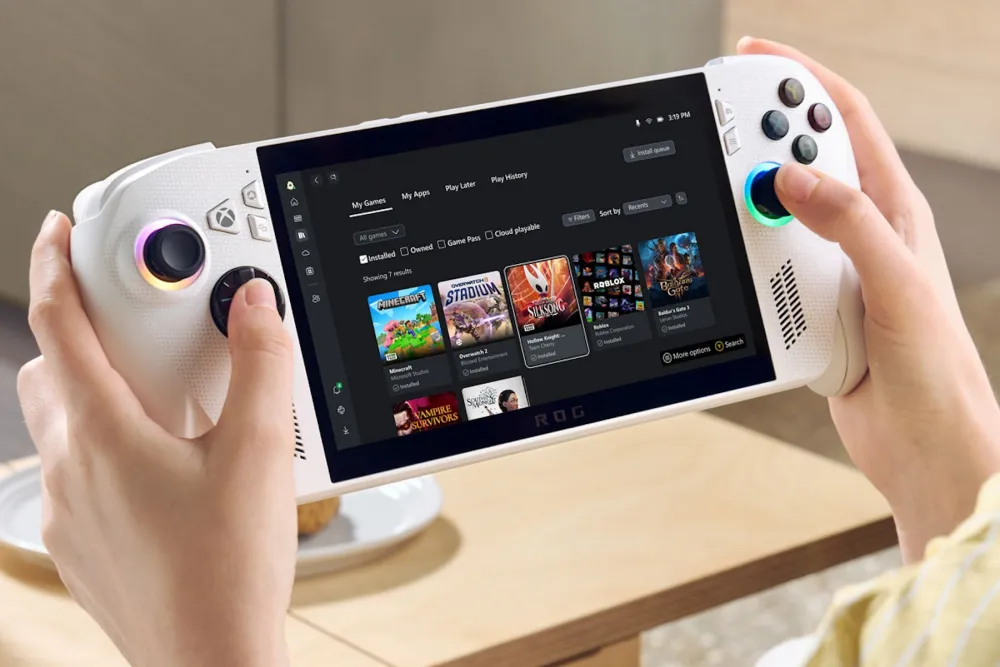
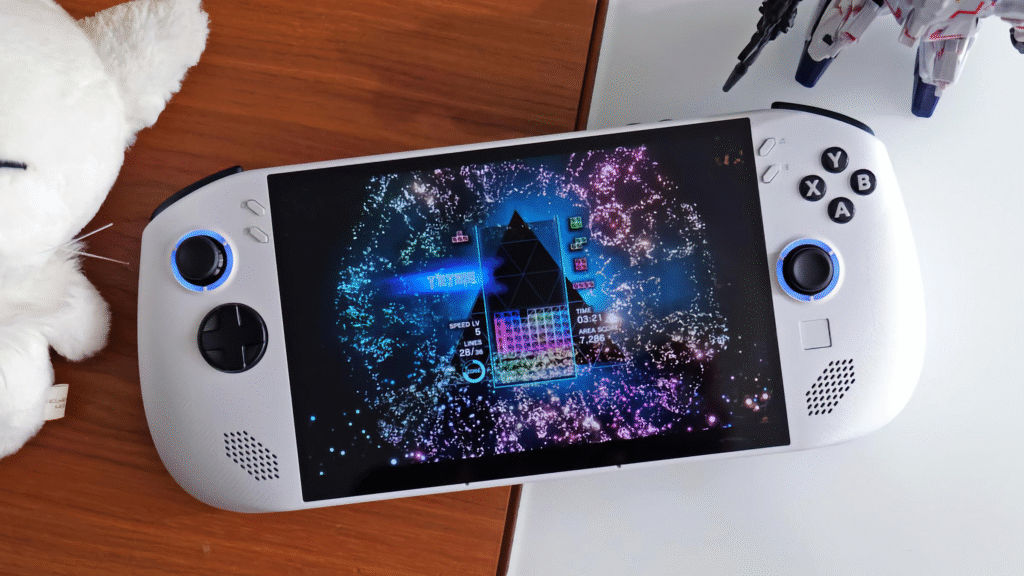
While Microsoft has yet to officially unveil the device, leaks and internal reports suggest the upcoming Xbox handheld console will not be a direct competitor to the likes of the Steam Deck in terms of raw PC capabilities. Instead, it will focus on delivering an optimized Xbox experience in a portable format.

Rather than building an entirely new operating system, the device is expected to run a lightweight version of Windows, custom-tailored for gaming. The UI may resemble the familiar Xbox dashboard, complete with quick access to Game Pass, the Microsoft Store, and Xbox Cloud Gaming. This will allow users to access both local and cloud-based titles.

Early reports indicate that the hardware will include dedicated Xbox buttons, triggers, and analog sticks similar to an Xbox controller. The device is rumored to feature a 1080p display with a high refresh rate, enough RAM for multitasking, and a solid-state drive to reduce load times.

While Microsoft hasn’t confirmed specs, it’s safe to assume the device will be designed to balance performance, portability, and battery life.


ASUS Partnership and the Xbox Ally Line

Interestingly, Microsoft is not going at it alone. Recent developments suggest that the first wave of Xbox handheld console experiences may arrive through a partnership with ASUS. This collaboration has reportedly resulted in a new line of handhelds that blend ASUS’s hardware engineering with Xbox’s software and services.

The device, internally referred to as the Xbox Ally, may ship in two models: a standard edition and a more powerful “Pro” version with enhanced specs. Both are designed for gaming on the go and are expected to include seamless integration with Game Pass, xCloud, and other Xbox services.

By partnering with ASUS, Microsoft reduces its risk while rapidly entering the handheld market. This also allows them to focus on optimizing the Xbox platform for third-party devices—something that could lead to a broader family of compatible handhelds in the future.


When to Expect the Launch?

Here’s the part gamers have been waiting for: when exactly is Microsoft planning to launch its first Xbox handheld console?

Based on current reports and scheduling around major tech events, insiders believe the console will be officially revealed by late summer 2025. Microsoft may use a major gaming convention, such as Gamescom or a dedicated Xbox Showcase, to make the announcement.

As for the release date, it’s projected to hit shelves in October 2025, just ahead of the holiday season. This timeline makes strategic sense.

Not only would it give Microsoft a new product to drive end-of-year sales, but it also aligns with the company’s ongoing push to broaden its hardware lineup before the next generation of Xbox consoles arrives around 2027.


Features That Could Set It Apart

image 8

To succeed in the competitive handheld market, the Xbox handheld console will need to bring something fresh. Here are several features that could differentiate it from its rivals:

1. Deep Game Pass Integration

Unlike the Steam Deck, which relies on third-party launchers and workarounds for Game Pass, Microsoft’s handheld would offer native access. This alone could make it the most Game Pass-friendly portable system on the market.

2. Hybrid Gaming Options

The ability to download games locally or stream them via xCloud would give users maximum flexibility. Whether on a road trip or at home, players could continue their gaming sessions without interruption.

3. Shared Ecosystem

Because it’s tied to your existing Xbox profile, achievements, saves, and friends lists would all sync seamlessly between devices. You could start playing a game on your Xbox Series X and pick it up on the handheld.

4. PC Compatibility

If running a streamlined version of Windows, the console could also support light PC gaming or productivity tools—ideal for users who want more than just a gaming machine.


Price Expectations

While pricing hasn’t been officially discussed, analysts believe the base model of the Xbox handheld console will likely fall between $399 and $499. This would position it competitively against both the Steam Deck and high-end Nintendo Switch models.

If Microsoft releases a premium edition with upgraded specs, the price could climb closer to $699. However, the base model is expected to target mainstream gamers looking for an affordable yet powerful portable option.


What This Means for the Future of Xbox?

The launch of the Xbox handheld console would be more than just another device—it represents a major milestone in Microsoft’s strategy to turn Xbox into a platform, not just a box. By allowing players to access Xbox games anytime, anywhere, Microsoft continues to blur the lines between console and PC gaming.

This move also challenges Sony and Nintendo to rethink their strategies. With Microsoft’s vast cloud infrastructure, Game Pass library, and third-party support, it could create a uniquely compelling ecosystem that’s hard to replicate.

Moreover, if the first-generation handheld is successful, it may pave the way for more dedicated devices. Microsoft could explore rugged gaming tablets, cloud-only handhelds, or even companion devices for Xbox consoles.


Final Thoughts

So, when will Microsoft finally launch its long-rumored Xbox handheld console? All signs point to a reveal by the end of summer 2025 and a commercial release in October of the same year.

Through a strategic partnership with ASUS and a refined focus on integrating Xbox with Windows-based hardware, Microsoft is positioning itself to make a serious impact in the portable gaming space.

For fans of Xbox, this is not just exciting—it’s transformative. The era of gaming only from your living room may be coming to an end. With the Xbox handheld console, you might soon be carrying the entire Xbox universe in your backpack.

Microsoft Launches Copilot 3D: Transform Photos into 3D Models — Try It Now

copilot 3d

In a bold move that brings 3D design to everyday users, Microsoft has launched Copilot 3D, a groundbreaking AI tool that converts ordinary 2D images into fully rendered 3D models.

Housed within the experimental Copilot Labs environment, Copilot 3D simplifies what was once a highly technical process into a few intuitive steps—opening up the world of 3D modeling to creators, students, hobbyists, and professionals alike. This new tool, currently available in public preview, doesn’t just promise convenience—it delivers it.

Let’s explore how Copilot 3D works, who it’s for, and why it might represent the future of 3D content creation with TazaJunction.com.


What Is Copilot 3D?

Copilot 3D is a user-friendly AI feature that allows you to upload a single image and instantly generate a downloadable 3D model. The tool is available to anyone with a Microsoft account—no paid subscription required—and supports common image formats such as JPG and PNG, with a file size limit of 10MB.

Once an image is uploaded, Copilot 3D uses machine learning algorithms to infer the object’s depth and shape, producing a 3D model in GLB format. The resulting model can be viewed, downloaded, and used in game engines, 3D editing tools, or even for 3D printing.

Also you can explores everything you need to know about gpt-5—from its groundbreaking capabilities to its applications, features, and the broader implications for artificial general intelligence.


How It Works?

Using Copilot 3D is as simple as dragging and dropping an image into the tool. After uploading, the AI quickly processes the image and creates a textured 3D model. Each user gets a “My Creations” gallery, where models are stored temporarily for up to 28 days. You can download your models for permanent storage or further editing.

The tool is optimized for simple objects with clean backgrounds. It performs best when the subject of the image is clearly separated from its surroundings. For example, items like coffee mugs, headphones, and chairs tend to generate higher-quality results than complex scenes or human faces.


Who Is It For?

image 2

While traditional 3D modeling software like Blender or Maya requires steep learning curves, Copilot 3D aims to democratize the space. It’s perfect for:

  • Educators looking to create visual aids and interactive teaching materials
  • Designers who want a quick 3D prototype without the hassle of manual modeling
  • Developers in need of placeholder assets for games or apps
  • Students and hobbyists exploring 3D design for the first time
  • 3D printing enthusiasts seeking custom models from real-world images

By removing technical barriers, Copilot 3D invites anyone to experiment with 3D creation—no experience necessary.


Real-World Use Cases

Imagine taking a photo of a teapot and turning it into a digital 3D object for use in a virtual kitchen simulator. Or snapping a picture of a toy to create a printable replica. With Copilot 3D, those possibilities become real.

Some of the most promising use cases include:

  • Education: Biology teachers can turn textbook diagrams into tactile learning tools.
  • Interior Design: Designers can digitize decor or furniture ideas into virtual layouts.
  • Retail: Online sellers can offer interactive 3D previews of physical products.
  • Game Development: Indie developers can populate scenes with AI-generated assets.
  • Art & NFTs: Artists can use photo-based 3D modeling to create unique digital works.

The simplicity of Copilot 3D means you don’t need to be an expert to bring your ideas into the third dimension.


Early Performance and Limitations

Initial impressions show that Copilot 3D delivers strong results with simple, static objects. The AI accurately reconstructs shape, texture, and proportions when the subject is well-defined and properly lit. For example, clean photos of objects like fruit, tech devices, and home decor typically yield impressive models.

However, the tool does have limitations. Photos with complex textures, overlapping elements, or poor lighting can result in inaccurate or distorted outputs.

Attempts to model humans, pets, or detailed machinery often produce strange or misshapen results. Additionally, Copilot 3D currently doesn’t support prompt-based 3D generation—it only works from images.

Another limitation is content safety. To ensure responsible use, the tool rejects uploads that feature recognizable people, copyrighted characters, or sensitive subject matter. These guardrails help prevent misuse of the technology but can also limit creativity in certain contexts.


Accessibility and Integration

One of the most compelling aspects of Copilot 3D is its accessibility. It’s free to use, requires no installation, and doesn’t hide key features behind a paywall. All you need is a Microsoft account to get started.

The 3D models generated in GLB format are compatible with popular tools and platforms, including Unity, Unreal Engine, and web-based 3D viewers. This makes it easy to plug Copilot 3D into existing workflows, whether you’re developing an app or preparing a virtual demo.

Looking forward, it’s expected that Copilot 3D will also integrate more deeply into other Microsoft products, such as PowerPoint, Teams, and Paint, expanding its creative potential for businesses, students, and professionals alike.


Tips for Best Results

To get the most out of Copilot 3D, follow these practical tips:

  1. Use High-Quality Images: Clear, well-lit photos with simple backgrounds yield the best results.
  2. Center the Object: Keep your subject centered in the frame with minimal clutter.
  3. Avoid Reflections and Screens: These can confuse the AI and produce artifacts.
  4. Choose Static Subjects: Still objects like mugs, plants, or figurines are ideal.
  5. Download Promptly: Since your creations are only stored for 28 days, save your models locally if you want to keep them.

These guidelines ensure smoother output and a more satisfying creative experience.


Copilot 3D and the Future of AI Design

Copilot 3D is more than a fun experiment—it represents a shift in how we think about 3D modeling. By using AI to bridge the gap between imagination and execution, it paves the way for faster, easier, and more inclusive creative workflows.

As AI continues to evolve, features like prompt-to-3D generation, animation, and multi-angle input may be added, making the tool even more powerful. Microsoft ongoing investment in Copilot tools suggests a future where 3D creativity becomes as accessible as writing an email or making a spreadsheet.

Copilot 3D isn’t just about creating models—it’s about empowering people to visualize and build ideas without needing a technical background. And in doing so, it brings us closer to a world where creation is limited only by imagination—not by software skills.


Final Thoughts

The launch of Copilot 3D signals an important step forward in making advanced technologies accessible to everyone. Whether you’re a teacher looking to innovate in the classroom, a designer working on rapid concepts, or simply curious about 3D modeling, this tool offers a fast, fun, and functional way to get started.

In a digital age where visuals dominate, the ability to turn simple images into interactive 3D assets has vast potential. And thanks to Microsoft’s forward-thinking approach, that potential is now just a few clicks away.

Copilot 3D is here, and it’s ready to redefine what’s possible for creators of all levels. Try it out—you might be surprised at what you can create.

GPT-5: OpenAI Launches Its Latest Flagship Model

gpt-5

OpenAI has officially unveiled its most advanced artificial intelligence model to date: gpt-5. After months of speculation and anticipation, this flagship release sets a new benchmark for AI performance, accessibility, and intelligence.

The model was launched in August 2025 and is already generating significant interest across tech industries, educational institutions, creative sectors, and the general public.

This TazaJuntion.com article explores everything you need to know about gpt-5—from its groundbreaking capabilities to its applications, features, and the broader implications for artificial general intelligence (AGI).


A New Era of AI Intelligence

OpenAI describes gpt-5 as a major leap forward—not just in raw capability, but in usability and integration. Designed to simulate expert-level understanding and behavior, the model is capable of complex reasoning, nuanced conversations, and dynamic problem-solving.

In fact, early comparisons liken its performance to that of a PhD-level expert across fields like mathematics, coding, law, and science.

Unlike its predecessors, gpt-5 doesn’t just generate answers; it analyzes context more deeply and offers insights with greater accuracy and reliability.

It is less prone to hallucination (a common issue in earlier models where AI would generate false or misleading information) and is capable of following more complex and multi-step instructions.


A Smart, Unified Model

One of the most significant innovations introduced with gpt-5 is its dynamic architecture. Rather than selecting between different models manually (like GPT-3.5 or GPT-4), the system automatically routes user requests through the most appropriate model based on complexity, task type, and tools required.

This model-switching is done behind the scenes using a “real-time router,” streamlining the experience and making AI more accessible for everyday users.

The result is a smart, responsive AI that adapts on the fly. Whether the task is writing a blog post, analyzing legal documents, creating code, or interpreting images, gpt-5 tailors its processing path accordingly. This seamless integration eliminates confusion and improves performance—especially for those who aren’t technically inclined.


Multimodal Capabilities

A standout feature of gpt-5 is its enhanced multimodal functionality. The model supports text, image, audio, and even video inputs. This means users can, for example, upload an image and ask the model to interpret its contents, identify objects, or generate a story based on visual elements. In the case of audio, gpt-5 can transcribe, translate, and even respond conversationally in real time.

These multimodal abilities dramatically expand the model’s usefulness across fields like education, journalism, design, healthcare, and more. It represents a move toward a more human-like understanding of the world—not just words on a page, but a contextual awareness of sound, sight, and language together.


Extended Memory and Context

image

OpenAI has also addressed one of the biggest limitations of earlier models: memory. With gpt-5, the context window has been expanded to support up to one million tokens. This means users can input vast amounts of data—books, transcripts, datasets, or long documents—and still receive relevant, contextual responses.

Additionally, gpt-5 introduces persistent memory. The model can remember user preferences, previous conversations, and customized behavior across sessions.

For instance, if you prefer brief summaries over long explanations or want replies in a specific tone, the model will remember and adjust automatically. This creates a more personalized and consistent AI experience.


Custom Personalities and Use Cases

Another new feature is the ability to create custom “personas” or conversational agents. With built-in options like “Listener,” “Cynic,” “Nerd,” and “Robot,” users can choose how gpt-5 responds. Whether you want an analytical partner, a humorous assistant, or a straightforward advisor, you can tailor the model to match.

This customization is not just for fun—it also boosts productivity. Educators might want an encouraging tone; developers might prefer highly technical feedback. The adaptability of gpt-5 helps it fit seamlessly into a wide range of workflows and environments.


Accessibility and Pricing

OpenAI has ensured that gpt-5 is available to a wide audience. Free users can access the model with some usage limits. Those subscribed to the ChatGPT Plus plan receive higher limits, while Pro users get access to even more powerful versions of the model, optimized for high-end use cases.

Additionally, gpt-5 is integrated across platforms, including OpenAI’s API and enterprise tools, Microsoft’s Copilot, and Apple’s upcoming AI features.

This broad accessibility ensures that individuals, developers, and organizations can benefit from the new technology regardless of their budget or technical background.


Real-World Applications

The launch of gpt-5 unlocks a broad array of practical uses:

  • Education: Students can get real-time tutoring, while teachers can create lesson plans, quizzes, and study guides.
  • Business: Teams can automate customer service, generate reports, analyze data, or draft proposals with minimal effort.
  • Healthcare: Medical professionals can use AI to interpret symptoms, summarize research, or draft clinical documentation.
  • Creativity: Artists, musicians, and writers can collaborate with gpt-5 to brainstorm, create, or refine their work.
  • Coding: Programmers can get instant debugging help, code generation, or system architecture suggestions.

The list continues to grow, with developers around the world already creating custom applications that leverage gpt-5’s robust capabilities.


Limitations and Responsible Use

Despite its power, gpt-5 is not without limitations. While hallucinations have decreased, they have not been eliminated entirely. The model also does not possess real consciousness or true understanding—it’s still a predictive language system, albeit an extremely advanced one.

OpenAI has taken steps to address safety and ethical concerns. Stronger content filters, improved moderation, and transparency tools have been added to help users and developers manage risks responsibly.

The company also emphasizes that the model should not be used in high-risk or decision-critical scenarios without human oversight.


Industry Impact and Outlook

The release of gpt-5 is more than a technical achievement—it’s a signal of the growing maturity of AI as a transformative tool. Businesses are reorganizing workflows around AI integration. Schools are rethinking how learning can be personalized. Individuals are using AI to enhance their productivity, creativity, and communication.

Yet, the long-term impact of gpt-5 goes beyond utility. It is one of the clearest steps yet toward artificial general intelligence—a system that can learn and apply knowledge across domains in a human-like way. While we are not there yet, many experts see this release as a foundational building block.

The months ahead will be critical in understanding just how transformative gpt-5 really is. Will it become as common as smartphones or search engines? Will it fundamentally reshape knowledge work? These are questions we are only beginning to explore.


Final Thoughts

With the launch of gpt-5, OpenAI has once again pushed the boundaries of what’s possible with artificial intelligence. Smarter, faster, more adaptable, and deeply integrated into modern tools and platforms, this model promises to change the way we live and work.

Whether you’re a student looking for academic support, a developer seeking coding assistance, or a business leader exploring automation, gpt-5 offers a glimpse into the future of intelligent systems—one where AI is not just a tool, but a trusted collaborator

Meta AI Coding Tests Transform Tech Hiring – LATEST 2025

meta ai coding tests

In a groundbreaking move that reflects the changing landscape of technology and work, Meta has announced that it will allow job candidates to use artificial intelligence tools during technical assessments.

This policy shift signals a major departure from traditional hiring practices in the tech industry and highlights the growing relevance of AI in real-world development environments.

The new approach, referred to as Meta AI coding tests, aims to better reflect the tools developers use on the job today.

Also you can check, the Meta smartwatch camera could redefine how users interact with their devices, blending wearable convenience with powerful imaging capabilities.

Let’s explore more!

Rethinking Technical Assessments

For years, coding interviews have followed a fairly standard model—candidates solve algorithmic problems without assistance, often on a whiteboard or in isolated coding platforms.

These assessments have come under criticism for not accurately reflecting real-world software development, where engineers often consult documentation, use debuggers, and increasingly, leverage AI tools for assistance.

With Meta AI coding tests, the company is choosing to modernize this process. Instead of viewing AI as a crutch or a form of cheating, Meta is embracing it as a legitimate part of the developer toolkit.

This change is designed to assess how well candidates can integrate AI tools into their workflows, mirroring actual job scenarios.

What Are Meta AI Coding Tests?

image 166

Meta AI coding tests refer to technical interview sessions in which candidates are explicitly allowed to use AI tools, such as coding assistants or language models, to help them solve problems.

These tools might include platforms that offer code suggestions, explain programming concepts, or optimize algorithms based on user input.

The goal is not to test memorization or raw problem-solving in a vacuum but to evaluate how efficiently a candidate can solve tasks using all available resources.

Meta AI coding tests are intended to measure a developer’s adaptability, problem-solving strategy, and ability to collaborate with modern software tools.

Why Meta Is Making This Change?

Meta has always positioned itself at the intersection of innovation and practicality. The adoption of Meta AI coding tests aligns with broader trends in how software development is evolving.

Developers today don’t work in isolation—they work with AI, in teams, and with access to vast repositories of information.

By allowing AI tools during interviews, Meta hopes to:

  • Reflect real-world coding environments
  • Attract a wider and more diverse pool of candidates
  • Reduce stress and performance anxiety in interviews
  • Encourage the ethical and effective use of AI tools

This shift could help Meta find talent that’s more prepared to work in modern tech teams where AI-driven development is becoming the norm.

Impact on Candidate Experience

The introduction of Meta AI coding tests could dramatically improve the candidate experience. Traditional coding tests can be high-pressure environments, often favoring those with recent experience in academic-style problems. These tests may not always identify the most capable developers, particularly those who excel in applied, real-world scenarios.

With the support of AI tools, candidates can focus more on problem-solving strategy, code quality, and system design. Meta AI coding tests make it easier for candidates to demonstrate how they would actually approach tasks at work, rather than trying to solve puzzles under unrealistic constraints.

Preparing for Meta AI Coding Tests

image 169

For candidates, preparing for Meta AI coding tests will still require a solid foundation in programming, algorithms, and software design. However, they’ll also need to understand how to use AI tools effectively and responsibly.

Here are a few preparation strategies:

  • Practice using AI-assisted coding tools in everyday projects
  • Learn how to review, verify, and improve AI-generated code
  • Understand the limitations and potential biases of AI outputs
  • Focus on combining AI suggestions with critical thinking

The emphasis in Meta AI coding tests will be on using AI to enhance productivity, not replace understanding. Candidates who treat AI as a collaborative partner, rather than a shortcut, are more likely to succeed.

Industry Reactions to Meta AI Coding Tests

Meta’s decision to embrace Meta AI coding tests has generated widespread discussion in the tech industry. Some applaud the move as forward-thinking and inclusive, while others worry it may lower the technical bar or create inconsistencies in evaluations.

Supporters argue that this change mirrors the way developers already work. AI coding assistants are becoming standard in many engineering teams, and knowing how to use them well is a skill in itself. Critics, however, raise concerns about fairness, especially regarding which AI tools are allowed and how much assistance is considered acceptable.

Regardless of opinion, Meta AI coding tests are likely to influence how other tech companies evaluate talent in the future.

The Role of Human Judgment

Even with AI tools allowed, human judgment remains central to Meta AI coding tests. Interviewers will assess not just whether the candidate arrives at the correct answer, but how they approach the problem, interact with the AI, and justify their decisions.

Meta has emphasized that creativity, code structure, efficiency, and communication will still play a major role in evaluating performance. The presence of AI doesn’t eliminate the need for technical insight—it changes how that insight is applied in practice.

Ethical Considerations

The rise of AI in hiring also brings ethical challenges. In the context of Meta AI coding tests, transparency will be key. Meta must clearly define which tools are permitted, how usage is monitored, and how results are evaluated fairly.

There’s also the question of access—do all candidates have equal familiarity with AI tools? Will this advantage some applicants over others? To address this, Meta may offer standardized tools or built-in AI within its test platforms to ensure a level playing field.

By making these tests fair and well-structured, Meta can ensure that Meta AI coding tests uphold both technical integrity and equal opportunity.

The Future of Technical Hiring

The adoption of Meta AI coding tests may mark a turning point in how companies approach hiring. As AI becomes more integrated into development workflows, testing for isolated technical ability becomes less relevant. Instead, companies will prioritize collaboration, problem decomposition, and tool proficiency.

Other tech giants may soon follow Meta’s lead, introducing similar assessments that focus on applied intelligence rather than rote knowledge. Meta AI coding tests may be the first step in building a new standard for evaluating developers in the AI-driven era.

Meta’s Long-Term Vision

This decision also fits within Meta’s broader strategy of leading in AI research and innovation. By making Meta AI coding tests part of its hiring process, Meta reinforces its belief that AI will shape not just products and platforms, but also how companies build their teams.

It’s a message to job seekers and competitors alike: understanding AI is no longer optional—it’s essential.

Conclusion

Meta AI coding tests reflect a bold, forward-thinking shift in how technical talent is identified and evaluated. By allowing candidates to use AI tools during assessments, Meta is embracing the future of software development—where humans and machines collaborate to create smarter, more efficient solutions.

This new approach promises to make hiring more realistic, inclusive, and aligned with the tools developers already rely on. As the tech industry evolves, Meta AI coding tests may become the new normal, signaling a more adaptive and modern way to build great engineering teams.

Meta Smartwatch Camera: A New Era in Wearable Tech 2025

meta smartwatch camera

Tech giant Meta is reportedly reconsidering its approach to wearable technology, with plans to revive its smartwatch project.

This new direction places a special emphasis on a standout feature: the camera. The Meta smartwatch camera could redefine how users interact with their devices, blending wearable convenience with powerful imaging capabilities.

Wearable devices have become increasingly popular, but few companies have mastered the smartwatch market as successfully as others.

Meta’s renewed interest in this space, particularly with a focus on the smartwatch camera, suggests the company is aiming to set itself apart by integrating advanced photography features that go beyond typical health tracking and notifications.

Why Focus on the Meta Smartwatch Camera?

Traditional smartwatches focus largely on fitness tracking, notifications, and seamless smartphone integration. Meta’s plan to emphasize the Meta smartwatch camera reveals a strategy to innovate beyond these functionalities.

Cameras built into smartwatches are still relatively rare but hold the potential to transform how users capture moments spontaneously.

The integration of a high-quality camera directly into a smartwatch could allow users to take quick photos or videos hands-free or on the go without needing to pull out their phones.

The smartwatch camera could be especially useful for activities like video calls, social media content creation, and even augmented reality experiences, aligning with Meta’s broader push into immersive technologies.

Also you can take deep dive into the design, features, performance, and value to see how the Amazfit Active 2 (Square) stacks up in real-world use.

A New Chapter for Meta’s Wearable Strategy

Meta’s history with wearables includes attempts at smartwatches and smart glasses, but none have yet reached mass-market success. The renewed focus on the Meta smartwatch camera suggests the company is aiming to redefine wearables with a fresh perspective.

By prioritizing the camera, Meta hopes to tap into the growing consumer demand for devices that combine communication, entertainment, and social connectivity.

The Meta smartwatch camera could serve as a compact hub for users to capture life’s moments instantly and share them seamlessly within Meta’s ecosystem of apps and platforms.

Technical Innovations Behind the Meta Smartwatch Camera

image 165

While details are still emerging, the Meta smartwatch camera is expected to feature cutting-edge technology to balance power, size, and battery life. Cameras on small devices face unique challenges, including limited space for lenses and sensors, as well as power consumption concerns.

Meta may leverage advancements in miniaturized camera modules and computational photography to deliver high-quality images from the smartwatch. Features such as image stabilization, AI-enhanced photography, and video streaming capabilities could make the Meta smartwatch camera a powerful tool for users.

Additionally, integrating the camera with Meta’s AI and AR technologies could open new interactive possibilities, such as gesture controls, contextual photo suggestions, or immersive video calls, all accessible directly from the wrist.

Enhancing Social Connectivity Through the Meta Smartwatch Camera

Meta’s core mission revolves around connecting people through technology. The Meta smartwatch camera will likely play a crucial role in enhancing social interaction by providing users with new ways to communicate.

Video calls and real-time video sharing could become more accessible with the Meta smartwatch camera enabling spontaneous and hands-free communication. Whether on a walk, at work, or during a workout, users may be able to stay visually connected without needing to rely on their phones.

Furthermore, the integration of the Meta smartwatch camera with social media and Meta’s own platforms could enable quick content creation and sharing, fostering more dynamic and authentic interactions.

Privacy Considerations Surrounding the Meta Smartwatch Camera

While the Meta smartwatch camera promises many exciting features, it also raises important privacy questions. Wearable cameras can lead to concerns about unauthorized recording or surveillance.

Meta will need to address these privacy concerns head-on by incorporating transparent user controls, clear indicators when the camera is active, and robust security measures. Building trust around the Meta smartwatch camera will be essential for adoption, especially in public or sensitive environments.

Competitive Landscape for the Meta Smartwatch Camera

The wearable tech market is highly competitive, with major players like Apple, Samsung, and Google continuously innovating their smartwatches. However, none have fully integrated a camera as a central feature in their devices.

By focusing on the smartwatch camera, Meta could carve out a unique niche that distinguishes its product from others. This approach could appeal to users looking for a more versatile wearable that offers creative and communicative functionalities beyond health metrics and notifications.

Potential Use Cases for the Meta Smartwatch Camera

The possibilities unlocked by the Meta smartwatch camera are broad and diverse:

  • Instant Photography: Capture quick moments without reaching for a phone.
  • Video Communication: Engage in hands-free video calls on the go.
  • Augmented Reality: Combine camera data with AR overlays for immersive experiences.
  • Fitness and Sports: Record workout videos or share live fitness progress.
  • Security and Alerts: Use the camera for quick scanning or real-time environment monitoring.

These use cases highlight how the Meta smartwatch camera can transform a smartwatch from a secondary device into a primary tool for daily life.

Challenges and Opportunities

While the Meta smartwatch camera offers exciting prospects, several challenges remain. Battery life, user interface design, and camera quality will be critical factors determining the device’s success.

Meta’s expertise in AI and software development may help overcome hardware limitations by optimizing how the Meta camera processes images and manages power. Moreover, user experience design will need to ensure that camera features feel intuitive and enhance, rather than complicate, the smartwatch experience.

How the Meta Smartwatch Camera Fits Into Meta’s Broader Vision?

Meta has invested heavily in the future of computing with its focus on the metaverse, virtual reality (VR), and augmented reality (AR). The Meta camera can act as a bridge between physical and digital worlds, providing users with new ways to capture and interact with content.

Wearables like this could play a vital role in Meta’s vision of connected, immersive experiences where users fluidly shift between online and offline interactions. The smartwatch camera could become a key hardware element that brings these experiences closer to everyday users.

Conclusion

Meta’s potential revival of its smartwatch project with an emphasis on the Meta smartwatch camera marks a significant shift in wearable technology. By focusing on innovative camera features, Meta is positioning itself to challenge the current smartwatch market leaders and offer users a fresh, multifunctional device.

As details continue to emerge, the tech community and consumers alike will watch closely to see how Meta’s unique approach with the smartwatch camera unfolds.

If successful, this device could reshape how we think about wearables—not just as tools for fitness or notifications but as essential companions for communication, creativity, and connectivity.

May Mobility Robotaxis Expand to 2 More US Cities | The Future of Urban Mobility

may mobility robotaxis

The future of urban transportation is rapidly evolving, and May Mobility Robotaxis are leading the way. The company recently announced plans to expand its autonomous ride service to two additional U.S. cities this year.

This TazaJunction.com expansion reflects the growing confidence in self-driving technology and highlights how May Mobility’s Robotaxis are becoming an integral part of modern urban mobility.

Known for prioritizing safety, accessibility, and practical deployment, May Mobility Robotaxis have already been tested successfully in several U.S. cities.

The company’s continued growth demonstrates the increasing demand for smarter, more sustainable transportation options in American cities.

What Are May Mobility Robotaxis?

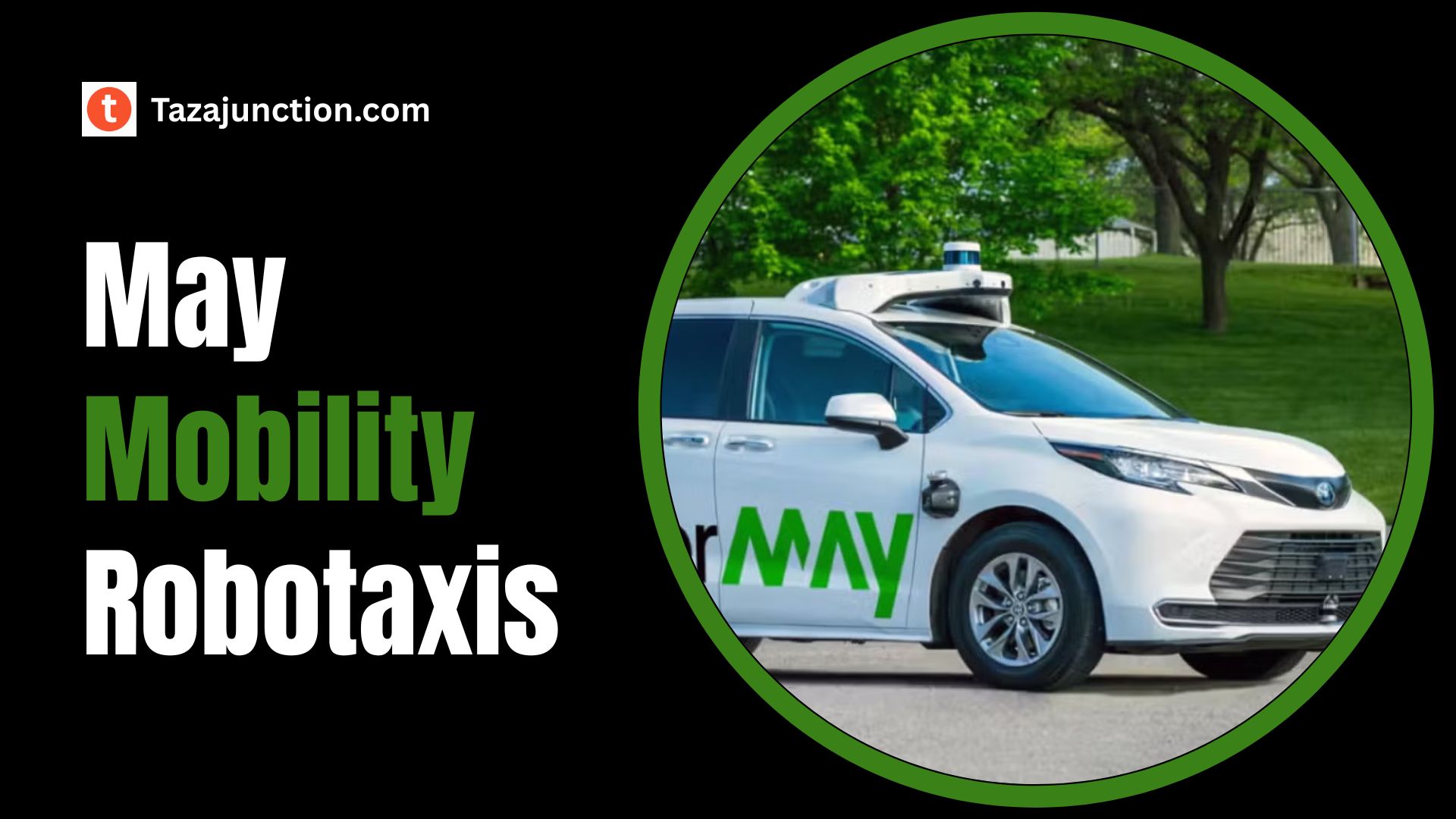
Founded in 2017, May Mobility has quickly become a leader in autonomous vehicle technology. Their core offering, May Mobility Robotaxis, are electric, self-driving shuttles designed for short routes in urban and suburban areas.

These Robotaxis vehicles are equipped with advanced sensors and AI systems that allow them to navigate city streets safely without a human driver.

Unlike many autonomous vehicle projects focused solely on passenger cars, May Mobility Robotaxis are purpose-built for shared mobility. This approach aims to solve the first-mile and last-mile transit challenges that often limit public transportation effectiveness.

Expansion to Two More Cities

In their latest announcement, May Mobility confirmed that May Mobility’s Robotaxis will soon be operating in two new U.S. cities. Although the exact locations are yet to be disclosed, both cities were selected for their commitment to innovation and smart city development.

These deployments will include the newest fleet of May Mobility Robotaxis, featuring enhanced safety measures, better AI navigation, and increased operational efficiency. The vehicles are electric, quiet, and designed to reduce urban congestion and pollution.

Why May Mobility Robotaxis Matter?

image 164

May Mobility’s Robotaxis represent a transformative shift in urban transportation. They offer a flexible, on-demand alternative to traditional public transit and private car ownership. By reducing reliance on fossil fuels and minimizing traffic, these autonomous shuttles help cities address major environmental and logistical challenges.

Moreover, May Mobility’s Robotaxis provide a reliable and accessible transit option for all, including those with mobility impairments. The company’s focus on inclusivity means many of their vehicles are wheelchair accessible and designed with universal usability in mind.

Safety First: The Hallmark of May Mobility’s Robotaxis

Safety is the cornerstone of May Mobility Robotaxis. The company uses a combination of LiDAR, radar, cameras, and sophisticated AI software to ensure the vehicles can detect and respond to complex driving scenarios. In current operations, safety operators are onboard to monitor the rides, though the company is steadily moving towards full autonomy.

By prioritizing safety and reliability, May Mobility Robotaxis aim to build public trust and pave the way for wider acceptance of autonomous vehicles.

Collaboration with Cities and Partners

A key to the success of May Mobility Robotaxis has been collaboration with local governments and transit agencies. Rather than replacing existing transportation systems, the robotaxis are designed to complement and enhance them.

Partnerships with automotive manufacturers like Toyota have provided technological support and vehicles, enabling May Mobility’s Robotaxis to scale operations efficiently. These alliances also help foster innovation in electric vehicle technology and autonomous driving software.

Economic Impact and Job Creation

While autonomous vehicles raise concerns about job displacement, May Mobility sees its robotaxis as creating new types of employment. As May Mobility Robotaxis expand, there will be increased demand for vehicle maintenance technicians, software engineers, customer support, and fleet management professionals.

In this way, the growth of May Mobility’s Robotaxis not only advances technology but also contributes to the economy by generating diverse job opportunities.

Addressing Urban Challenges

Urban areas face mounting challenges: traffic congestion, pollution, and inefficient transit options. May Mobility’s Robotaxis offer practical solutions by providing clean, autonomous rides that can be summoned via smartphone apps.

By integrating with public transit and city infrastructure, May Mobility Robotaxis help reduce car ownership rates, ease traffic jams, and lower emissions. These improvements are essential for sustainable city growth.

Public Education and Trust Building

One of the biggest hurdles for autonomous vehicles is public perception. To address this, May Mobility conducts community outreach and education to familiarize residents with May Mobility Robotaxis. Demonstrations, safety briefings, and trial rides help build confidence.

Educating the public about the technology and safety features of May Mobility’s Robotaxis is crucial for widespread adoption and acceptance.

What’s Next for May Mobility’s Robotaxis?

Looking ahead, May Mobility Robotaxis are poised for further expansion across the U.S. and possibly international markets. The company is investing in technology improvements such as enhanced AI, better data analytics, and integration with smart city infrastructure.

Future iterations of May Mobility’s Robotaxis could operate with greater autonomy, efficiency, and passenger comfort. As regulatory frameworks evolve, the company aims to make its robotaxis a common sight in cities worldwide.

Conclusion

The arrival of May Mobility Robotaxis in two new U.S. cities is more than just an expansion—it’s a clear indicator of the future of urban transportation. Through careful deployment, a commitment to safety, and strategic partnerships, May Mobility Robotaxis are transforming how people move.

As cities grow smarter and more environmentally conscious, services like May Mobility Robotaxis will be key to creating efficient, accessible, and sustainable transportation networks.

Their continued development and deployment mark an exciting step toward a future where autonomous, electric robotaxis are an everyday reality.

How Intelligent Vehicles Will Define India’s Global Role – Nitin Gadkari’s Vision

rise of intelligent vehicles

Union Minister for Road Transport and Highways, Nitin Gadkari, has emphasized a powerful vision for India’s future: the rise of intelligent vehicles.

According to him, the global relevance of India will increasingly depend on how the nation adapts to and leads in the development of smart transportation systems.

The concept of intelligent vehicles includes automation, real-time data exchange, sensor-based mobility, AI-driven decision-making, and electric or hybrid energy solutions. These technologies are set to redefine how India moves—and how it is perceived on the world stage.

The Shift Toward Intelligent Transportation

For decades, India’s transportation system has faced challenges related to congestion, emissions, road safety, and inefficiencies. But with a growing economy and a young, tech-savvy population, India is now on the cusp of a transportation revolution. Intelligent vehicles offer the opportunity to leapfrog into the future by bypassing older, outdated infrastructure models.

These vehicles are not just about driverless cars or electric engines. They encompass a broader vision of mobility—where vehicles communicate with each other and the road infrastructure, avoid accidents using predictive technology, optimize fuel use, and reduce environmental impact.

According to Gadkari, embracing intelligent vehicles will help India align its development with global standards and environmental goals.

Environmental Benefits and Sustainability

One of the most crucial benefits of intelligent vehicles is their contribution to sustainability. Traditional vehicles emit large amounts of carbon dioxide and other pollutants.

With India being one of the most populous countries and among the top contributors to global emissions, there’s an urgent need for cleaner transportation solutions.

By integrating electric propulsion systems, AI for efficient route planning, and automated driving features that reduce unnecessary acceleration or idling, intelligent vehicles can significantly reduce fuel consumption and emissions. This aligns perfectly with India’s commitments under the Paris Agreement and its push for a greener economy.

Gadkari has repeatedly stated that India must lead the charge in clean mobility. And intelligent vehicles are central to achieving this vision. They not only support sustainability but also create opportunities for innovation in battery technology, charging infrastructure, and renewable energy integration.

Economic Growth and Technological Innovation

image 163

The emergence of intelligent vehicles has opened up an entire ecosystem of innovation. Startups, tech companies, automobile manufacturers, and educational institutions are all engaging with AI, data science, IoT (Internet of Things), and robotics to bring intelligent mobility solutions to life.

This ecosystem can generate significant employment opportunities and attract foreign investment. According to Gadkari, the push for intelligent vehicles is not just a matter of convenience or technology—it’s an economic strategy. It places India at the heart of a new global industrial movement, positioning it as both a consumer and a producer of future-forward transport solutions.

Moreover, India’s robust IT industry gives it a competitive edge in developing the software and connectivity platforms that make intelligent vehicles possible. With collaboration between the automotive and digital sectors, India can emerge as a global hub for smart vehicle technology.

Safer Roads, Smarter Cities

Road safety is a critical issue in India. Every year, thousands of lives are lost due to traffic accidents, many caused by human error, poor road conditions, or lack of enforcement. Intelligent vehicles promise a future where safety is significantly improved through automation, predictive analytics, and constant communication between vehicles and infrastructure.

Advanced driver-assistance systems (ADAS), automatic braking, lane departure warnings, and collision-avoidance technologies are already being tested and implemented in several countries. Bringing these features into India’s transportation landscape will drastically reduce accident rates.

Gadkari believes that safety features in intelligent vehicles must become mandatory to save lives and reduce the economic burden of road accidents.

In addition, smart vehicles contribute to smarter urban planning. Cities can use real-time data from intelligent vehicles to manage traffic flow, reduce congestion, plan infrastructure more efficiently, and improve emergency response times.

India’s Global Positioning

Gadkari has made it clear: the adoption and development of intelligent vehicles will influence India’s global standing. Countries that invest early and seriously in future mobility will shape the rules, standards, and supply chains of the automotive world for decades to come.

India has the talent, the market size, and the innovation potential to play a leadership role. Already, Indian manufacturers are making progress in electric mobility. Combining this with intelligence and automation will give India a competitive edge.

By producing indigenous technology and exporting intelligent vehicles, India can strengthen its position as a major player in the global automobile market. This will not only bring prestige but also long-term economic resilience through export revenues, technology partnerships, and international collaborations.

Policy and Government Support

The success of intelligent vehicles in India will heavily depend on policy frameworks, infrastructure investment, and regulatory support. Gadkari has consistently advocated for public-private partnerships to accelerate research, testing, and production in this area.

The government is also working on framing guidelines for autonomous driving, updating safety norms, and encouraging electric vehicle adoption through tax incentives. Special zones for testing and development of intelligent vehicles are also under consideration.

Policies that support renewable energy, battery manufacturing, and digital infrastructure will further encourage the development of this sector. As India moves forward, having a strong, visionary policy base will be essential to maximize the impact of intelligent vehicles.

Challenges Ahead

Despite the exciting potential, there are still significant hurdles. Infrastructure gaps, public awareness, affordability, and legal frameworks are areas that require urgent attention. For intelligent vehicles to succeed, India must invest in reliable road networks, digital connectivity, and charging infrastructure.

There’s also the need for reskilling the workforce. Mechanics, drivers, and engineers will need to understand AI systems, sensors, and smart diagnostics. Training programs and curriculum reforms will play a critical role in preparing the population for this new era of mobility.

Gadkari acknowledges these challenges but sees them as opportunities. Overcoming these barriers will not only help in adopting intelligent vehicles but will also contribute to overall national development.

Conclusion

India stands at the edge of a major transformation. The transportation sector, once seen as a slow-moving giant, is now becoming one of the most dynamic and innovative parts of the economy. As Nitin Gadkari rightly stated, the rise of intelligent vehicles will define India’s relevance in a rapidly evolving global landscape.

These smart mobility solutions offer a way forward that is cleaner, safer, more efficient, and deeply integrated with technology. With the right policies, public support, and sustained investment, India can become a world leader in the field.

The intelligent vehicles revolution is not just about machines or algorithms. It’s about reshaping how a nation moves, grows, and connects with the world. And in that movement, India has the chance to lead—not just follow.

OnePlus Nord CE 5 Review: Long Battery Life, Clean Design Make It a Reliable Phone

oneplus nord ce 5

The OnePlus Nord CE 5 continues OnePlus’s tradition of delivering reliable, performance-driven smartphones in the mid-range category.

With a massive battery, a sleek design, and polished software, this device aims to offer excellent everyday functionality without the hefty price tag.

In this TazaJunction.com review, we take a comprehensive look at how the Nord CE 5 performs across the board.


Design and Build Quality

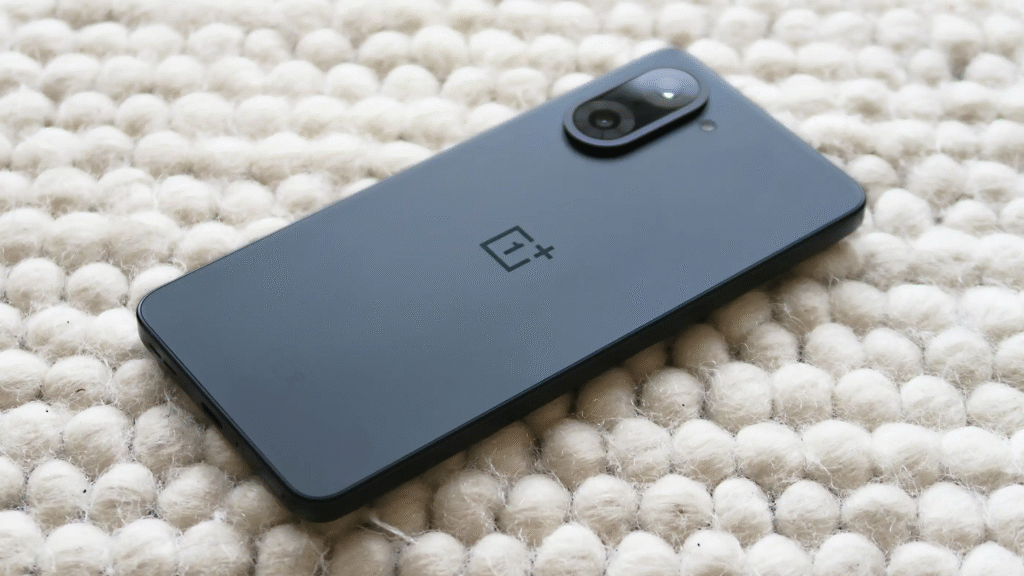
OnePlus has always emphasized clean, minimal designs—and the Nord CE 5 is no exception. The phone feels premium in hand thanks to its curved edges, slim profile, and matte finish. It’s not flashy or overdone; the design is deliberate and elegant.

Despite using a plastic frame, the phone feels sturdy and well-built. It’s lightweight yet substantial enough to feel secure during one-handed use. Overall, the design language is modern, professional, and simple—a shprt but confident statement from OnePlus.


Display and Visual Experience

The Nord CE 5 sports a 6.7-inch AMOLED display with a 120Hz refresh rate and FHD+ resolution. It offers crisp visuals, excellent color reproduction, and deep blacks—perfect for watching videos, browsing, or casual gaming.

Touch response is excellent, and the high refresh rate makes animations feel fluid and modern. With high brightness levels, the screen performs well even under direct sunlight. This section stays shprt to highlight what matters: a vibrant and reliable screen.


Performance and Processor

image 161

Under the hood, the Nord CE 5 is powered by the MediaTek Dimensity 8350 Apex chipset, backed by up to 12GB of LPDDR5X RAM and UFS 3.1 storage. The result is a fast, responsive user experience.

Apps open quickly, switching between them is smooth, and the phone handles multitasking without breaking a sweat. Gaming performance is more than acceptable for most titles. Whether you’re using it for work or entertainment, the phone is fast, efficient, and dependable—a shprt but important win for performance.


Battery Life That Lasts

One of the most standout features of the OnePlus Nord CE 5 is its massive 7100mAh battery, a rarity in its class. This translates into all-day—and often two-day—battery life on a single charge, depending on usage.

Even with heavy usage like streaming, navigation, and multitasking, the battery holds up extremely well. Additionally, it supports 80W SuperVOOC fast charging, getting you from 0 to nearly full in under an hour.

Battery life is a major selling point, and it’s one of the strongest arguments for buying this phone. It’s a shprt wait for a long-lasting result.


Camera System

The OnePlus Nord CE 5 comes equipped with a triple rear camera setup: a 50MP Sony LYT-600 main sensor with OIS, an 8MP ultra-wide lens, and a macro sensor. It also features a 16MP front camera for selfies.

In daylight, the primary camera captures sharp, vibrant images with good dynamic range. The ultra-wide lens is decent, though edge distortion is noticeable. In low light, performance dips a bit, but Night Mode helps restore clarity and brightness.

Video recording supports up to 4K at 60fps, but electronic stabilization works best at 1080p. Overall, it’s a capable camera system that won’t disappoint in everyday use. The section stays shprt but insightful.


Software and User Experience

The OnePlus Nord CE 5 runs on OxygenOS 15 based on Android 15, offering a near-stock Android experience. It’s fast, clean, and free from bloatware. The UI is easy to navigate and polished, and it comes with subtle enhancements that improve usability.

The phone also includes AI features like live caption, document summarization, and image editing. These tools are useful for students and professionals alike, making it a smarter device in a shprt period of time.

OxygenOS has long been favored for its speed and simplicity—and it’s no different here. Updates are promised for four years, with six years of security patches, future-proofing the phone better than many competitors.


Audio and Multimedia

Surprisingly, the OnePlus Nord CE 5 includes only a single mono speaker. While it gets loud enough for personal use, the lack of stereo sound is a drawback, especially when watching movies or gaming. Audio output via wired headphones or Bluetooth, however, is crisp and well-balanced.

There’s no 3.5mm headphone jack, but most users have already transitioned to wireless audio. If audio quality is high on your priority list, this might be a shprt step back.


Connectivity and Extras

The device supports 5G, dual-band Wi-Fi, Bluetooth 5.3, and USB-C. It also features an in-display fingerprint sensor, face unlock, and IP65 water and dust resistance.

Storage is expandable via a microSD card up to 1TB, which is a pleasant surprise in this price range. However, there’s no NFC or support for USB-C audio, which might limit some users’ connectivity options. A shprt list of omissions, but worth noting.


Strengths

  • Massive 7100mAh battery with 80W fast charging
  • Clean and fluid 120Hz AMOLED display
  • Smooth, responsive performance
  • OxygenOS is bloat-free and intuitive
  • Promised long-term software support
  • Practical AI features built-in
  • Expandable storage and water resistance

These are all standout features that make the phone a solid buy. Each point delivers big impact in shprt order.


Who Should Buy It?

The OnePlus Nord CE 5 is ideal for:

  • Students who need long battery life and performance
  • Professionals who want a distraction-free UI
  • Casual gamers and streamers
  • Anyone who values battery and software over flashy features
  • Buyers seeking value under ₹30,000

It’s a dependable, feature-rich phone that doesn’t overwhelm. Its learning curve is shprt, and usability is high.


Final Verdict

The OnePlus Nord CE 5 is a compelling choice in the mid-range smartphone market. It gets all the basics right—display, performance, software, and most importantly, battery life. With its massive 7100mAh battery, 120Hz AMOLED display, and clean OxygenOS interface, it delivers a user experience that feels more premium than its price tag suggests.

It’s not without flaws—the lack of stereo speakers and NFC may deter some users—but the pros far outweigh the cons. For those looking for a practical, powerful daily driver with reliable battery endurance and strong long-term software support, this phone is a shprt leap ahead of the competition.

In summary, the OnePlus Nord CE 5 is not a flashy phone—but it’s a smart, focused, and user-friendly device that ticks most boxes for the everyday smartphone user. A short investment, big returns.

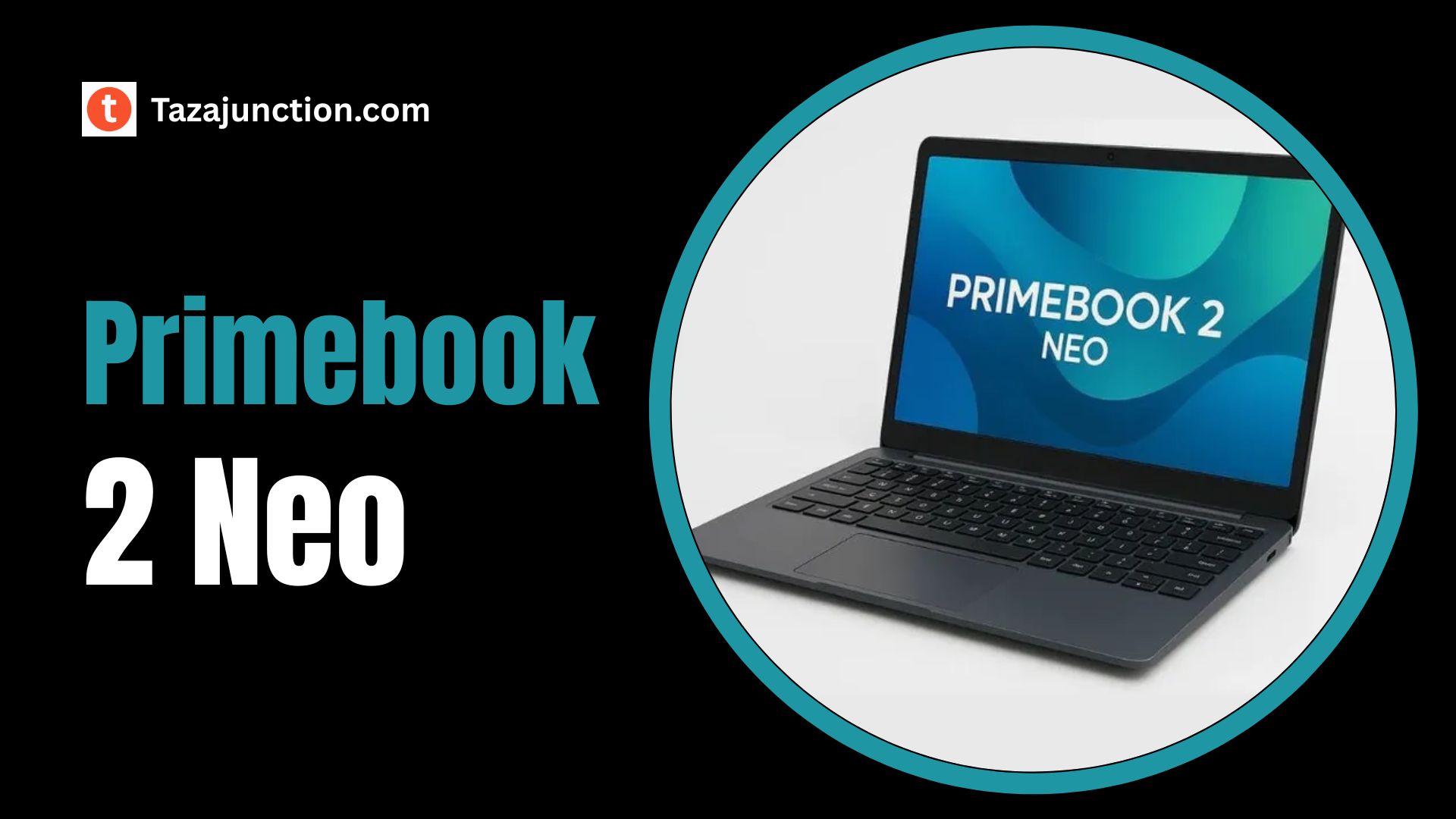
Primebook 2 Neo Launching July 31 with Helio G99 SoC – Latest

primebook 2 neo

India’s budget computing landscape is about to receive a significant upgrade with the launch of the Primebook 2 Neo.

Scheduled for release on July 31, this lightweight laptop is set to come equipped with the MediaTek Helio G99 SoC, promising solid performance, enhanced battery efficiency, and AI-powered features at an affordable price point.

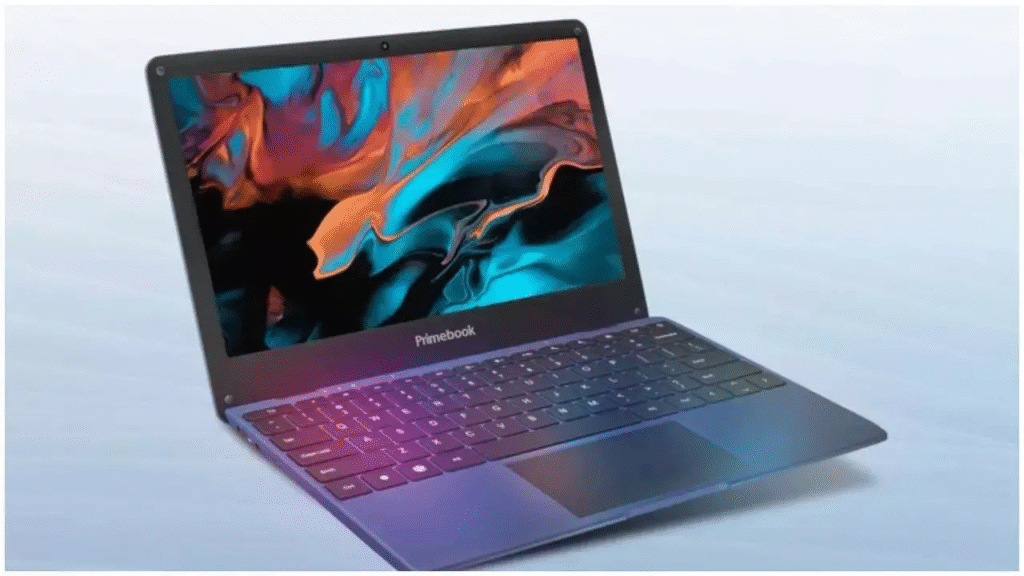
Designed especially for students, freelancers, and everyday users, the Primebook 2 Neo positions itself as an innovative alternative to traditional entry-level laptops and Chromebooks.

This TazaJunction.com article will break down everything we know about the Primebook 2 Neo in clear, short sections to give you a comprehensive understanding without the fluff.


Launch Date and Price

The official launch date for the Primebook 2 Neo is July 31. The company has confirmed that the base variant of the laptop will be priced starting at ₹15,990, making it one of the most affordable laptops featuring the MediaTek Helio G99 chipset.

Special promotional pricing or early-bird discounts may also be available to customers purchasing through the company’s official website or leading e-commerce platforms.

Keeping this introduction short ensures you know when to watch and what to expect.vAlso you can take deep dive into the design, features, performance, and value to see how the Amazfit Active 2 (Square) stacks up in real-world use.


Processor and Performance

The highlight of the Primebook 2 Neo is its MediaTek Helio G99 SoC, an octa-core processor built on a 6nm architecture. It includes two high-performance Cortex-A76 cores and six Cortex-A55 cores, providing efficient power distribution between heavy and light tasks.

The chip also includes a Mali-G57 MC2 GPU, enabling smoother graphics rendering for tasks like light gaming, video streaming, and multitasking.

This short yet powerful processor configuration ensures the device can handle day-to-day productivity applications like word processing, web browsing, and classroom activities with ease.


Memory and Storage Options

According to early specifications, the Primebook 2 Neo will be available with 6GB of LPDDR4X RAM and 128GB of internal UFS 2.2 storage, expandable via microSD up to 512GB. This setup offers more than enough memory and space for schoolwork, light business usage, and casual entertainment.

This short configuration meets the needs of the average Indian student or mobile worker, especially in areas with limited digital infrastructure.


Operating System: PrimeOS Based on Android

image 159

Instead of Windows or ChromeOS, Primebook 2 Neo will run on PrimeOS 3.0, a custom Android-based operating system designed to mimic the traditional desktop experience.

This OS supports multitasking with resizable windows, a taskbar, file manager, and access to the Android app ecosystem. Users can install apps from the Play Store or Primebook’s own curated app hub.

The use of Android allows the device to remain lightweight and responsive while enabling thousands of applications in a short learning curve.


AI Features and Tools

A standout aspect of the Primebook 2 Neo is its AI integration. Key features teased so far include:

  • Companion Mode: An on-device AI assistant that can summarize documents, articles, and class notes.
  • Operator Mode (coming soon): Allows automation of repetitive tasks like organizing files or scheduling reminders.
  • AI Global Search: Enables quick, unified searching across apps, files, and settings from a single search bar.

These tools are designed to make digital tasks short and efficient, especially for students and first-time laptop users.


Display and Build Quality

Though the full specifications are yet to be confirmed, reports suggest the Primebook 2 Neo will feature an 11.6-inch HD IPS display with a resolution of 1366×768 pixels. The panel will offer wide viewing angles and sufficient brightness for indoor and classroom use.

The design of the laptop is focused on portability. The expected weight is around 990 grams, and the chassis will likely be under 18mm in thickness, allowing for easy transport in backpacks. This makes the device ideal for users who prefer to carry a short and light computing device without compromising usability.


Battery Life and Charging

One of the critical selling points is its long battery life. The laptop is rumored to feature a 50Wh battery that could offer up to 10 hours of usage on a single charge, depending on usage. Fast-charging support is expected, though the exact wattage has not been disclosed.

This feature is particularly useful for students in rural or semi-urban areas, where access to consistent electricity might be limited, and where a short charging session needs to go a long way.


Connectivity and Ports

The Primebook 2 Neo is expected to include a wide range of connectivity features, including:

  • USB-A 3.0 ports
  • USB-C for charging and data transfer
  • 3.5mm audio jack
  • HDMI port
  • MicroSD card slot
  • Dual-band Wi-Fi
  • Bluetooth 5.0 support

For users who require wired peripherals and external display options, the inclusion of these ports makes this compact device far more than just a short solution—it’s a full-fledged productivity tool.


Target Audience

Primebook has made it clear that the 2 Neo is built with students, freelancers, and first-time laptop buyers in mind. With an affordable price, modern design, and educational tools built into the software, this device aims to help close the digital divide, especially in Tier-II and Tier-III cities.

The user interface has a short learning curve, thanks to Android familiarity, making it accessible to even young children and older adults alike.


Gaming and App Support

While not a gaming powerhouse, the MediaTek Helio G99 allows for casual gaming. The device supports keyboard mapping for popular Android games, transforming the gaming experience from touchscreen to keyboard-based. Educational apps, office suites, and multimedia tools also run smoothly.

This makes Primebook 2 Neo a solid option for short gaming breaks or casual media use in between study or work.


Primebook vs Competitors

Compared to Chromebooks, budget Windows laptops, and Android tablets, Primebook 2 Neo offers an interesting hybrid. It combines Android’s flexibility with a traditional laptop form factor and introduces AI features that aren’t found in similarly priced devices.

Its short boot times, minimal lag, and smooth multitasking give it an edge in the budget computing segment.


Launch Expectations on July 31

At the launch event, Primebook is expected to officially confirm:

  • Final pricing across variants
  • Full hardware and software specifications
  • Warranty and after-sales support plans
  • Availability and early-buyer bonuses
  • Launch-day reviews and hands-on demos

This launch could be a short, impactful moment for the brand, helping it expand its reach into Indian households and classrooms.


Final Thoughts

The Primebook 2 Neo, powered by the MediaTek Helio G99 SoC, represents a strong evolution in affordable computing. With its Android-based PrimeOS, AI-powered tools, and lightweight design, it offers a compelling solution for digital-first users looking for a laptop that’s powerful, portable, and budget-friendly.

In an era where hybrid learning and remote work are the norm, devices like this ensure that technology remains inclusive and accessible—not just to urban professionals, but to learners across India.

With only a few days left until the official launch, expectations are high. And if early teasers are accurate, the Primebook 2 Neo could deliver an experience that’s far from short on value.