Cyberpunk 2077 is Teasing Something for September 4

cyberpunk 2077

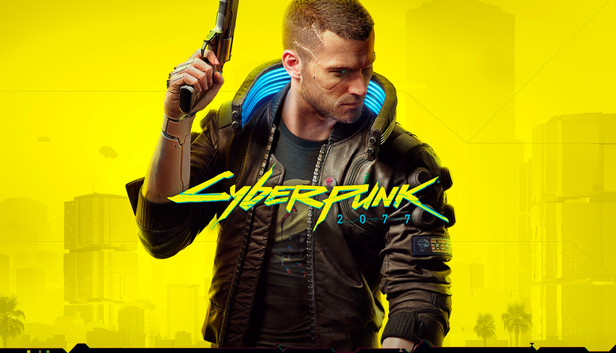
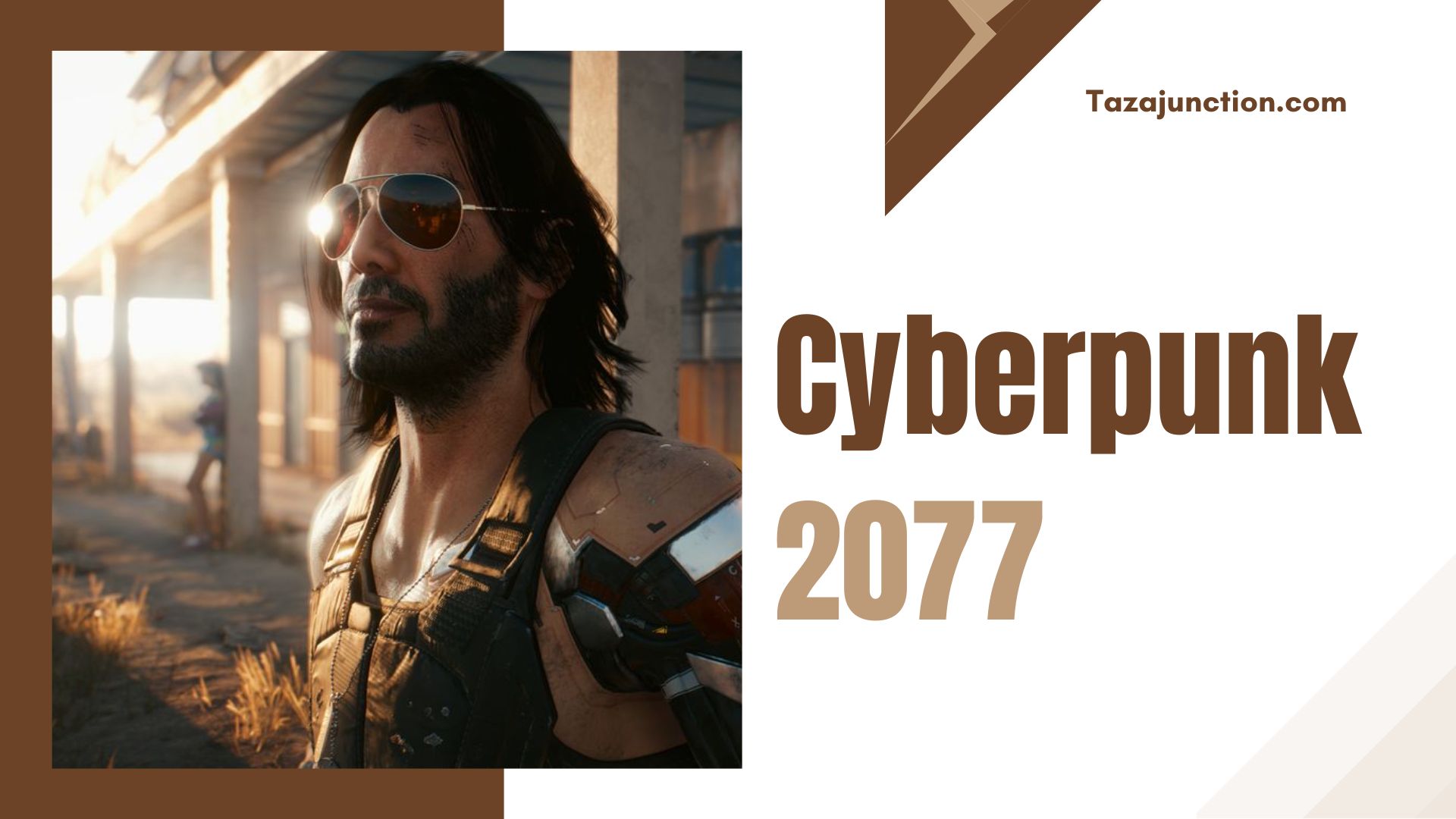
The world of gaming is buzzing once again as Cyberpunk 2077 is teasing something for September 4, igniting speculation, curiosity, and excitement among fans worldwide.

Since its release in December 2020, Cyberpunk 2077 has been one of the most talked-about games in the industry, not just for its ambitious open-world design and futuristic storytelling but also for its rocky launch and subsequent redemption arc.

With this new teaser, CD Projekt Red seems to be preparing another big moment for the game, and fans are eager to know what awaits them.

In this TazaJunction.com article, we’ll explore the background of Cyberpunk 2077, the journey it has taken so far, the possible announcements hinted at for September 4, and what this means for the community and the game’s long-term legacy.


The Road So Far for Cyberpunk 2077

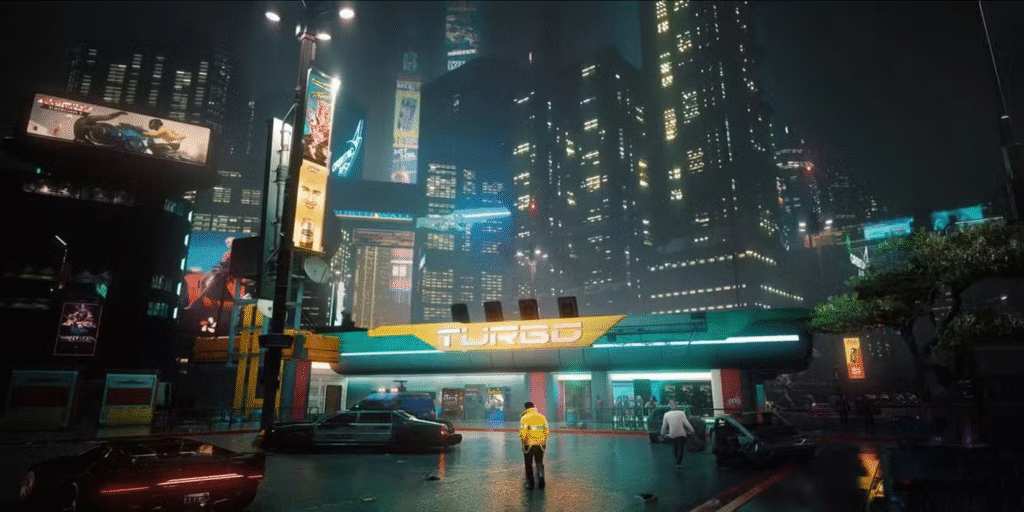
When Cyberpunk 2077 launched, expectations were sky-high. CD Projekt Red had built massive anticipation with years of trailers, gameplay demos, and promises of an immersive world set in Night City.

However, the game’s release was plagued by bugs, crashes, and performance issues, particularly on last-gen consoles. This led to widespread criticism and even temporary removal from digital stores.

Despite this rocky start, CD Projekt Red has spent the past three years steadily improving the game. Through multiple patches, hotfixes, and expansions—most notably the Phantom Liberty DLC—Cyberpunk 2077 has transformed into a more stable, engaging, and respected RPG. Many fans now see it as the game it was always meant to be.

Against this backdrop, the fact that Cyberpunk 2077 is teasing something for September 4 adds even more weight. It suggests that CD Projekt Red is not done with Night City and may still have surprises for Cyberpunk 2077 players.


What Could Be Teased for September 4?
Cyberpunk 2077

Whenever a developer teases an announcement, fans immediately begin speculating. With Cyberpunk 2077 is teasing something for September 4 making headlines, here are some of the most likely possibilities being discussed:

1. A New Expansion or DLC

Phantom Liberty was marketed as the only major expansion for Cyberpunk 2077. However, CD Projekt Red may have something smaller in store—perhaps additional side content, new missions, or even a crossover event. A surprise DLC drop would definitely excite the community.

2. Next-Gen Enhancements or Performance Updates

Although the game already received a significant next-gen update, CD Projekt Red may announce further improvements optimized for new hardware. Ray-tracing enhancements, expanded mod support, or gameplay balancing tweaks could be unveiled.

3. Cyberpunk 2077 Multiplayer Tease

Before launch, the studio hinted at a multiplayer mode. That idea was shelved, but given the ongoing popularity of online experiences, Cyberpunk 2077 is teasing something for September 4 could revive hopes of a multiplayer or co-op feature.

4. Cyberpunk Universe Expansion

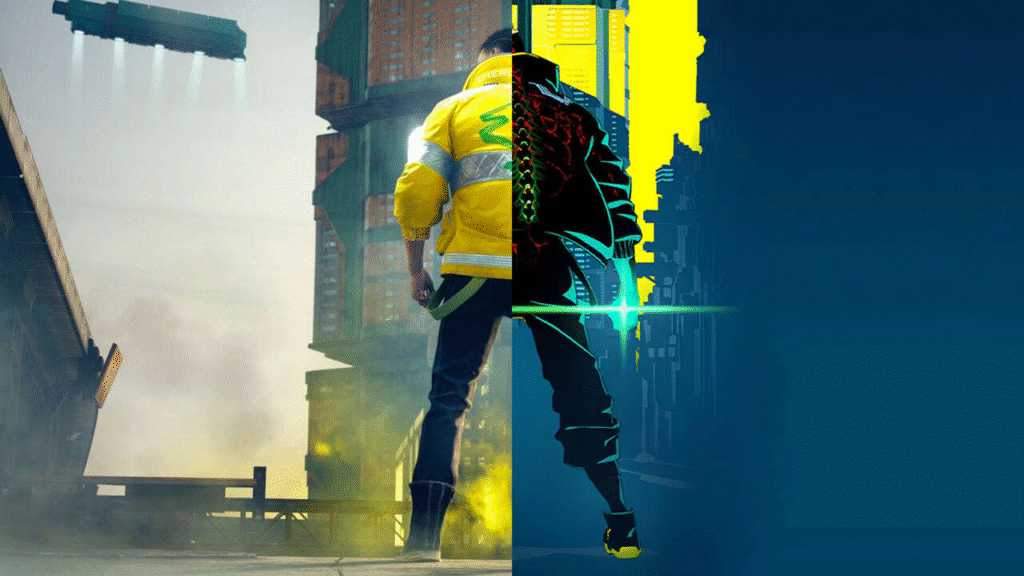
Beyond the game itself, the Cyberpunk brand has grown thanks to the Edgerunners anime series. Fans wonder if September 4 could bring news of a sequel series, new transmedia projects, or cross-promotions that further expand the universe.

5. A Sequel or Next-Gen Cyberpunk Project

This may be the most ambitious theory, but some believe CD Projekt Red might use this moment to officially confirm early work on Cyberpunk 2078 or a related project. While unlikely, it’s a thrilling possibility that keeps fans glued to updates.


Fan Reactions to the Teaser

The moment Cyberpunk 2077 is teasing something for September 4 was shared online, fan communities lit up with speculation. Reddit threads, Discord groups, and Twitter posts are overflowing with theories, excitement, and cautious optimism.

Many longtime players see this as proof that CD Projekt Red is committed to keeping Cyberpunk alive even years after its release. Others are more cautious, remembering the disappointment of the launch and warning not to get carried away until details are confirmed.

Still, the overall mood leans toward excitement. Gamers love surprises, and the promise of new content or announcements gives them another reason to dive back into Night City.


Why This Teaser Matters?

Announcements like this may seem small, but they play an important role in shaping the long-term legacy of a game. Cyberpunk 2077 is teasing something for September 4 at a time when the game has finally regained the trust of its audience.

This teaser could mark the beginning of a new chapter for the franchise. Instead of being remembered solely for its troubled launch, Cyberpunk may now be seen as a story of redemption—where developer dedication and fan support transformed a struggling release into a beloved experience.

For CD Projekt Red, it’s also a chance to showcase how much they’ve learned since 2020. Delivering on this teaser with something meaningful will strengthen their relationship with players and restore confidence in their future projects, including the next Witcher game.


Looking Ahead: What This Means for Gamers?
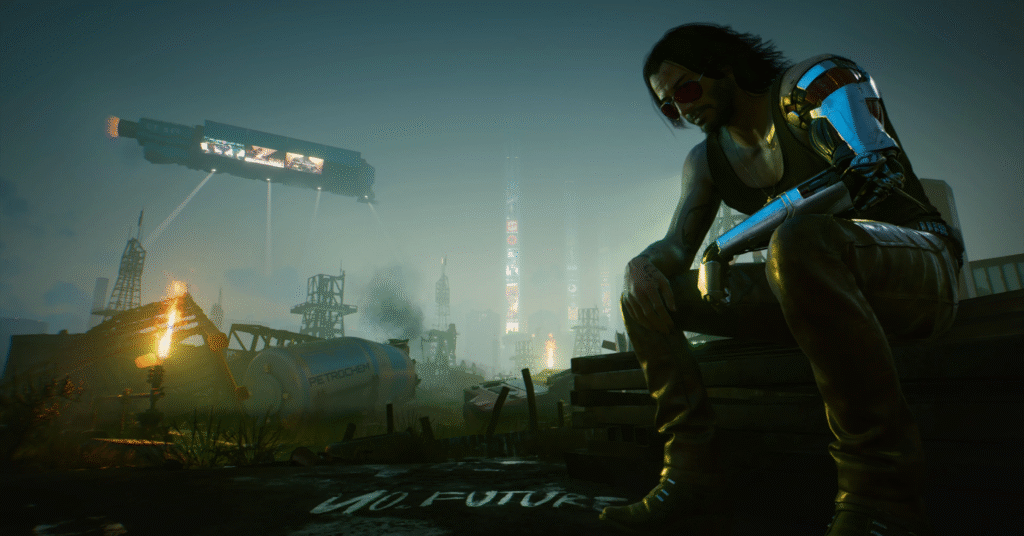
image 61

If Cyberpunk 2077 is teasing something for September 4 turns out to be significant—like an expansion, multiplayer mode, or even the early seeds of a sequel—it could signal that Night City will remain a hub of activity for years to come.

For players, this means more opportunities to explore, experiment, and immerse themselves in the rich cyberpunk world. It also reinforces the value of sticking with games long after launch, as developers continue to add content, features, and improvements that extend their lifespans.


The Bigger Picture in Gaming

Cyberpunk 2077’s journey reflects a broader trend in gaming: the idea that a game doesn’t end at release. Many modern titles evolve over years, with updates and expansions keeping them alive long past their initial debut.

By teasing something new, CD Projekt Red is aligning Cyberpunk with the likes of Destiny 2, Fortnite, and No Man’s Sky—games that have reinvented themselves through long-term support.

If successful, this approach ensures that Cyberpunk 2077 is teasing something for September 4 becomes more than just a headline—it becomes another milestone in the game’s evolving history.


Conclusion

At this point, all we know is that Cyberpunk 2077 is teasing something for September 4, and the gaming world is watching closely. Whether it’s a small update, a new DLC, or a massive announcement, it’s clear that CD Projekt Red has captured attention once again.

For fans, this teaser is a reminder of why they fell in love with Night City in the first place. For critics, it’s an opportunity to see how far the game has come since its rocky debut. And for CD Projekt Red, it’s a chance to prove that their most ambitious project still has untapped potential.

One thing is certain: September 4 will be a day to remember for the Cyberpunk community.
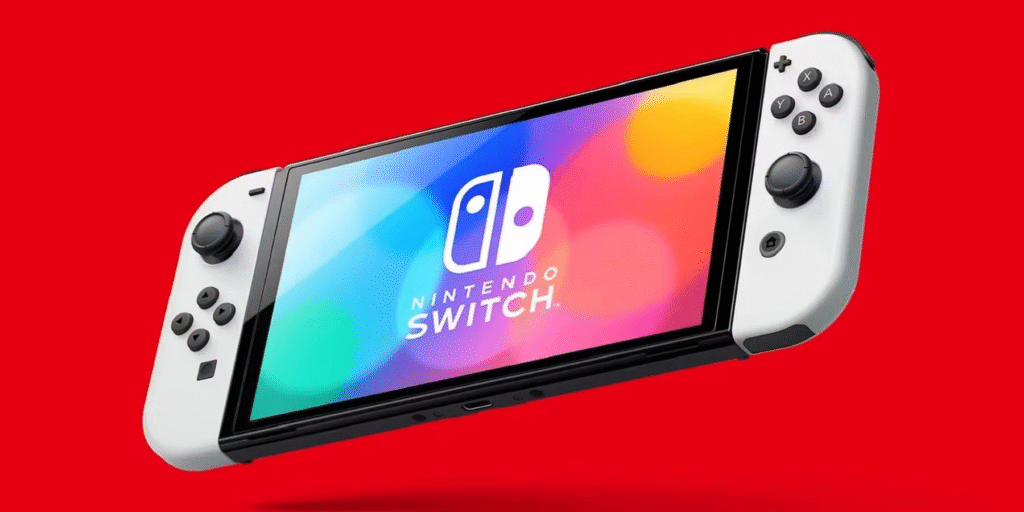
Nintendo Switch Exclusive Game is Being Delisted on November 28

nintendo switch exclusive game

The gaming community is buzzing with concern and disappointment as reports confirm that a Nintendo Switch exclusive game is being delisted on November 28.

For fans, this announcement not only marks the end of an era for a unique title but also raises ongoing questions about digital preservation and the fragility of exclusive releases in today’s gaming industry.

While Nintendo is known for housing some of the most iconic exclusives in gaming history, the removal of a title from its eShop always stirs debate about ownership, accessibility, and long-term availability.


The Importance of Exclusives on Nintendo Switch

Exclusives have always been at the heart of Nintendo’s brand identity. Titles like The Legend of Zelda: Breath of the Wild, Animal Crossing: New Horizons, and Super Mario Odyssey have driven millions of console sales.

So when the news breaks that a Nintendo Switch exclusive game is being delisted on November 28, it naturally alarms fans who worry that a cherished piece of Nintendo diverse library will soon disappear from official access.

Exclusives provide a sense of identity and pride for console owners. They often symbolize innovation, creativity, and unique gameplay mechanics not available anywhere else.

The delisting of such a game doesn’t just represent a loss in the digital storefront—it feels like a fragment of gaming history is being erased.


Why Delisting Happens?

Understanding why a Nintendo Switch exclusive game is being delisted on November 28 requires a look at the broader dynamics of the gaming industry. Delistings are not uncommon, and they typically happen for a few key reasons:

  1. Licensing Issues – Games tied to third-party IPs, licensed music, or brand deals often face expiration dates. When contracts end, publishers must remove the game unless they renew.
  2. Low Sales – Some exclusives fail to perform commercially, leading publishers to cut ongoing support.
  3. Technical or Legal Barriers – Compliance with evolving regulations, platform updates, or disputes between developers and publishers can lead to removal.
  4. Shift in Strategy – Occasionally, a delisting signals a re-release or remaster planned for another date or console.

Whatever the reason, the fact remains: when a Nintendo Switch exclusive game is being delisted on November 28, it highlights the fragility of digital ownership.


How Fans Are Reacting?

Nintendo Switch Exclusive Game

Unsurprisingly, fans are upset. Online forums, Reddit threads, and Twitter discussions are filled with posts lamenting the loss.

Some players are rushing to purchase the title before November 28 to ensure it remains in their digital library, while others argue that the delisting is unfair to those who may discover the game later.

The emotional connection fans develop with exclusives cannot be understated. When a Nintendo Switch exclusive game is being delisted on November 28, it feels like a betrayal to those who invested in the console specifically for access to such unique titles.


The Broader Debate on Digital Preservation

This situation reignites a long-standing debate in the gaming world: how can we preserve digital games for future generations? When physical cartridges were the norm, collectors could rely on tangible ownership.

In today’s digital-first marketplace, however, when a Nintendo Switch exclusive game is being delisted on November 28, it effectively disappears from legitimate purchase options.

Preservationists argue that gaming companies must take stronger responsibility for ensuring that titles remain accessible, whether through remasters, subscription services, or archival initiatives. Otherwise, entire generations of games risk vanishing.


What Players Can Do Before November 28?

For those who haven’t yet purchased the game, the next few weeks are critical. If a Nintendo Switch exclusive game is being delisted on November 28, players must act quickly to secure their copy. Once delisted, the title will no longer be available for purchase on the Nintendo eShop.

Key steps for fans:

  • Purchase the Game Immediately – Digital copies bought before delisting remain tied to your account and can be redownloaded in the future.
  • Check for Physical Editions – If available, physical cartridges provide long-term ownership unaffected by delisting.
  • Back Up Data – Ensure game saves are backed up to Nintendo’s cloud service or your microSD card.

While it’s frustrating that the burden falls on players, these precautions can at least secure continued access.


Implications for Nintendo’s Reputation

Nintendo has a long history of prioritizing its unique vision over industry trends. However, when a Nintendo Switch exclusive game is being delisted on November 28, it raises questions about how the company balances innovation with responsibility.

Critics argue that Nintendo should do more to maintain its digital catalog. Players invest in consoles and ecosystems expecting stability and longevity.

Each delisting chips away at that confidence. Supporters, on the other hand, point out that these issues are common across the industry and not unique to Nintendo.


Lessons for the Industry

The news that a Nintendo Switch exclusive game is being delisted on November 28 serves as a reminder of several key lessons for the gaming industry:

  1. Digital Ownership is Temporary – Unless games are archived or re-released, they risk permanent loss.
  2. Transparency is Key – Developers and publishers should communicate clearly about why delisting occurs.
  3. Preservation Must Be a Priority – Industry leaders must ensure that games are accessible for historical and cultural preservation.

As gaming continues to evolve, companies will face increasing pressure to reconcile profitability with long-term preservation.


Could the Game Return in the Future?

When a Nintendo Switch exclusive game is being delisted on November 28, fans naturally wonder whether it might reappear later. There are a few possibilities:

  • Remasters or Ports – The title could resurface on the next Nintendo console or even other platforms.
  • Subscription Services – Nintendo Switch Online or future services might host delisted games as part of their libraries.
  • Special Editions – Developers might re-release the game with updated features or bundled content.

While nothing is guaranteed, fans remain hopeful that delisting does not mean permanent disappearance.


The Emotional Side of Delisting

For many gamers, titles are more than entertainment—they are memories. When a Nintendo Switch exclusive game is being delisted on November 28, it feels like losing access to a piece of personal history.

Players often recall the excitement of launch day, the hours spent exploring unique mechanics, and the friendships formed in fan communities. Delisting disrupts those connections, leaving fans with a sense of loss.


Conclusion

The announcement that a Nintendo Switch exclusive game is being delisted on November 28 has reignited important conversations in the gaming community.

While the reasons for delisting may vary—licensing, strategy, or technical hurdles—the end result is always the same: fans lose official access to a unique experience.

This decision underscores the fragile nature of digital ownership and the ongoing need for better preservation practices in gaming. For fans, the best course of action is to secure the game before the deadline. For Nintendo and the industry as a whole, the challenge is to ensure that games—especially exclusives—are not lost to history.

Even as we say goodbye to this title, the discussion it sparks will continue shaping how we think about digital gaming in the future.

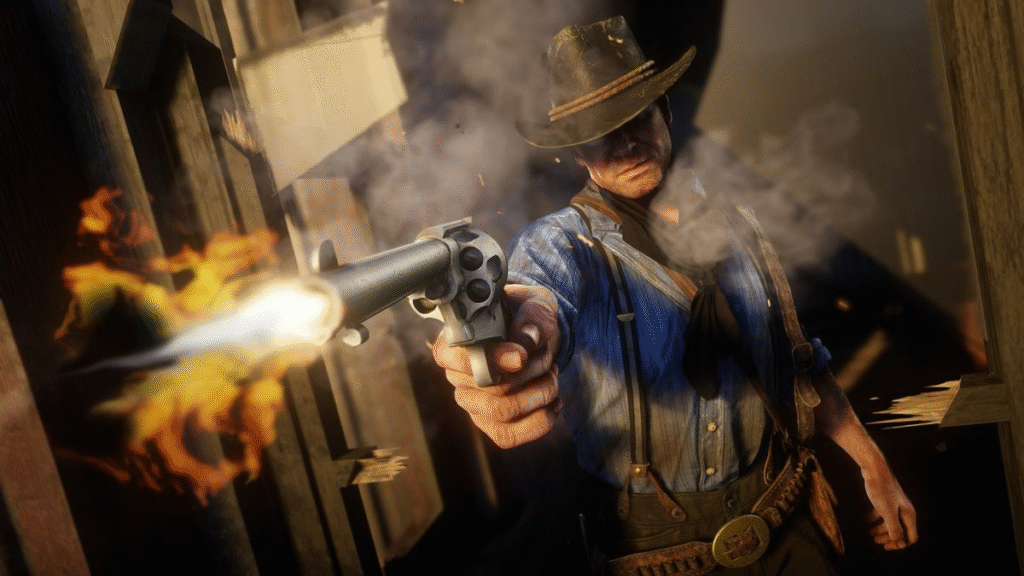
Rockstar Games Gets Rid of Red Dead Redemption 2 Companion App

red dead redemption 2 companion app

In a surprising move that has left fans both nostalgic and disappointed, Rockstar Games gets rid of Red Dead Redemption 2 Companion App, officially ending support for a tool that once enhanced the player’s experience.

The app, first introduced in 2018 alongside the game’s release, allowed players to use their smartphones or tablets as an interactive second screen while exploring the sprawling frontier of Red Dead Redemption 2.

While many fans have long moved on to other features within the game or its online mode, the decision has reignited discussions about the importance of companion apps in gaming, Rockstar’s future plans, and the preservation of gaming tools that once defined an era.


What Was the Companion App?

When Rockstar Games gets rid of Red Dead Redemption 2 Companion App, it is important to remember what the app represented at launch.

The Red Dead Redemption 2 Companion App was not just an add-on, but a feature designed to immerse players deeper into the game.

With the app, players could:

  • Access an interactive map in real time.
  • Set waypoints without opening the in-game menu.
  • Track health, stamina, and Dead Eye meters.
  • Read Arthur Morgan’s in-game journal.
  • Learn detailed stats about weapons, horses, and characters.

This second-screen experience was hailed as innovative at the time, blending modern mobile convenience with Rockstar’s classic attention to detail. It was also particularly useful for players who wanted to avoid cluttering their game screen with HUD elements.


Why Rockstar Made the Decision?

Red Dead Redemption 2 Companion App

The news that Rockstar Games gets rid of Red Dead Redemption 2 Companion App is not entirely shocking, but it does mark the end of an era. Rockstar has not offered extensive explanations, but several likely reasons stand out.

  1. Declining Usage – Companion apps often enjoy initial success but eventually fade as players stop using them. With Red Dead Redemption 2 nearly six years old, fewer fans were actively using the app.
  2. Maintenance Costs – Apps require ongoing updates to stay compatible with new operating systems. The cost of maintaining the app may not have justified its relatively small user base.
  3. Focus on GTA 6 – Rockstar is pouring resources into its next big release. The removal of older services like the Companion App may free up attention and technical staff for future projects.

By removing the app, Rockstar has essentially admitted that the tool no longer fits within their ecosystem.


Fan Reactions

As expected, the news that Rockstar Games gets rid of Red Dead Redemption 2 Companion App has sparked emotional responses across gaming forums and social media.

  • Nostalgia – Many fans reminisced about how the app enhanced their first playthroughs, especially with the real-time interactive map.
  • Frustration – Some players argued that Rockstar should have kept the app for historical preservation, even if usage was low.
  • Understanding – A portion of the community acknowledged the realities of maintaining outdated apps and felt it was a practical move.

For some, the app was more than just a utility—it was part of the immersive Red Dead experience. Losing it feels like saying goodbye to a small piece of gaming history.


Companion Apps in the Gaming Industry

The fact that Rockstar Games gets rid of Red Dead Redemption 2 Companion App highlights the broader trend of declining interest in companion apps.

In the early 2010s, companion apps were heavily promoted across the industry. Games like Assassin’s Creed IV: Black Flag, Destiny, and Battlefield had their own apps to offer maps, stats, or lore outside the main game.

However, with advances in in-game menus, UI design, and console connectivity, the need for second-screen experiences has largely faded. Players now expect all necessary information to be available directly within the game, reducing reliance on external tools.


What Players Lose?

image 57

When Rockstar Games gets rid of Red Dead Redemption 2 Companion App, players lose access to several unique features that the app provided:

  • The ability to use a mobile device as a live map.
  • Arthur’s digitalized journal for easier reading.
  • A sleek second-screen interface for immersion.

While none of these were absolutely essential, they contributed to the overall Red Dead Redemption 2 experience. Many fans feel that these features could have been integrated into the main game permanently rather than abandoned.


Could Rockstar Bring It Back?

Although Rockstar Games gets rid of Red Dead Redemption 2 Companion App, there’s always the possibility of repurposing its features. Rockstar could:

  • Integrate the app’s functionality directly into the console and PC versions of the game.
  • Create a simplified web-based tool for interactive maps.
  • Add journal and stat-tracking features to Red Dead Online.

If enough fan demand surfaces, Rockstar might reconsider or offer a new version in the future, though nothing has been confirmed.


The Legacy of Red Dead Redemption 2

Even without the app, Red Dead Redemption 2 remains one of the most immersive open-world games ever created. The fact that Rockstar Games gets rid of Red Dead Redemption 2 Companion App does not diminish the game’s legacy, but it does mark the slow winding down of services tied to it.

As Rockstar shifts its focus to Grand Theft Auto 6, many fans worry that Red Dead Online and Red Dead Redemption 2 will continue to be sidelined. This move adds weight to that concern.


Lessons for the Gaming Industry

The removal of the app teaches developers and players several lessons:

  1. Companion apps have limited lifespans.
  2. Integration is more sustainable than external apps.
  3. Fans value preservation of digital tools as part of gaming history.

When Rockstar Games gets rid of Red Dead Redemption 2 Companion App, it sends a signal to the industry: players appreciate immersion, but they prefer features that are directly embedded into their games.


Community Hopes Going Forward

Fans of Red Dead Redemption 2 now look to Rockstar for reassurance. With the app gone, many want to see:

  • Updates for Red Dead Online to keep it fresh.
  • Preservation of lore and journals within the main game.
  • A possible remastered version with integrated features.

Ultimately, while Rockstar Games gets rid of Red Dead Redemption 2 Companion App, the community hopes it is not a sign that Rockstar is completely abandoning the Red Dead franchise.


Conclusion

The decision to end support for the Red Dead Redemption 2 Companion App may seem minor, but its impact is felt deeply among dedicated fans.

The fact that Rockstar Games gets rid of Red Dead Redemption 2 Companion App underscores both the challenges of maintaining older gaming services and the changing role of second-screen experiences in modern gaming.

For players, it is a reminder that even beloved features can fade with time. For Rockstar, it is an opportunity to learn from the past and ensure future games incorporate immersive tools directly into the experience, rather than relying on apps that may one day be discontinued.

Though the app is gone, the world of Red Dead Redemption 2 lives on, continuing to capture imaginations and prove why Rockstar’s work is etched into gaming history.

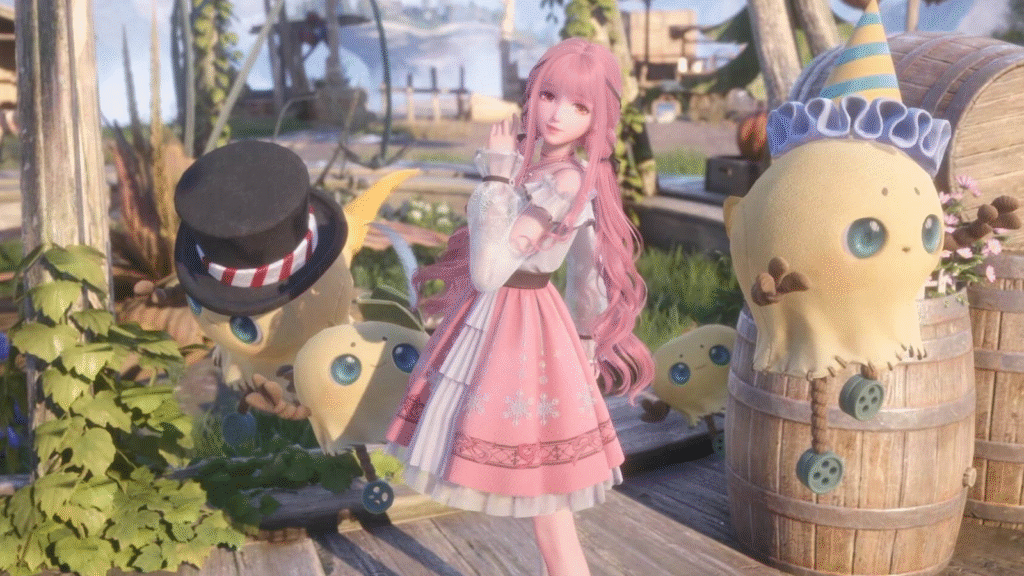
Infinity Nikki Issues Yet Another Apology After Yet Another Controversy

infinity nikki

The gaming world often sees its share of controversies, ranging from development setbacks to community disputes.

However, the latest drama surrounding Infinity Nikki issues yet another apology after yet another controversy has sparked widespread conversation among players and industry watchers alike.

The highly anticipated open-world dress-up adventure game has gained attention not just for its innovative mechanics, but also for the number of times the developers have had to release official apologies in response to fan backlash.

The Rise of Infinity Nikki

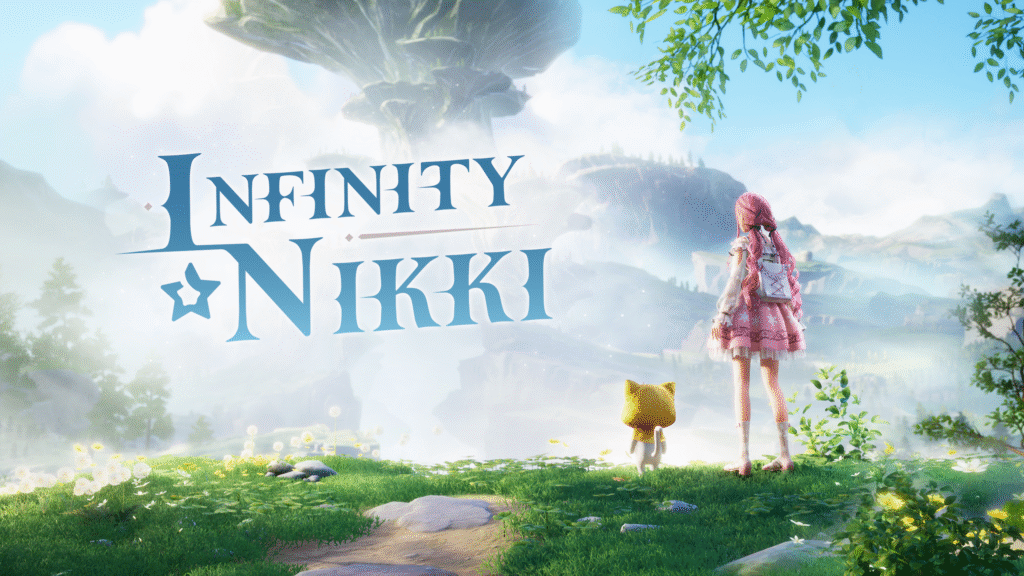
Infinity Nikki has been billed as the next big step in the dress-up RPG genre, blending fashion design, adventure exploration, and fantasy storytelling.

Created by Papergames, the studio behind the popular Nikki franchise, the game has been eagerly awaited by fans worldwide. Its trailers highlighted stunning visuals, immersive gameplay, and a broader vision compared to its predecessors.

Yet, despite the strong start, Infinity Nikki issues yet another apology after yet another controversy—a pattern that has become almost as prominent as the game itself.

While players remain excited about the core experience, many are beginning to express frustration at the frequent stumbles in public relations.

Why the Apologies Keep Coming?

When analyzing why Infinity Nikki issues yet another apology after yet another controversy, one finds that the reasons vary widely. Some stem from technical missteps, while others revolve around cultural sensitivity, monetization, or communication issues.

For instance, earlier apologies were linked to mistranslations in promotional content, which caused confusion and misrepresentation of key game features. More recently, concerns over microtransactions and pay-to-win elements sparked anger within the fan base.

Players felt that the spirit of creativity and freedom promised in the game was being overshadowed by aggressive monetization strategies.

The Latest Controversy

Infinity Nikki

The most recent incident that forced Infinity Nikki issues yet another apology after yet another controversy involved exclusive in-game items tied to costly pre-order packages.

Fans argued that this created inequality between those who could afford premium content and those who could not. Critics on forums and social media platforms accused the developers of prioritizing profit over player experience.

In response, Papergames released a lengthy apology, promising to reconsider the structure of in-game purchases. However, as this marks yet another addition to a growing list of apologies, many are questioning whether the studio is truly listening to feedback or merely reacting to crises as they arise.

The Impact on the Community

The community response has been mixed. On one hand, some players appreciate that the developers consistently issue apologies and attempt to correct their missteps. On the other hand, frequent controversies have eroded trust.

Gamers are starting to see a pattern where Infinity Nikki issues yet another apology after yet another controversy, leading them to wonder whether the studio can deliver a polished and controversy-free final product.

Discord groups, Reddit threads, and Twitter discussions are filled with debates on whether the repeated apologies are genuine acts of accountability or simply a damage-control strategy. Many players want to support the franchise but feel burned by repeated disappointments.

The Role of Transparency

One of the lessons from this saga is the importance of transparency. The fact that Infinity Nikki issues yet another apology after yet another controversy highlights how easily trust can be shaken in the gaming industry.

Players invest not only money but also their emotions into anticipated titles, making them especially sensitive to miscommunication or perceived exploitation.

Transparency could help the developers regain some of that lost trust. Clear communication about monetization, gameplay mechanics, and future updates could go a long way in reducing the need for repeated apologies.

Industry Comparisons

Infinity Nikki is not the first game to fall into this cycle. Games like Cyberpunk 2077 and No Man’s Sky also launched with controversies that forced developers to release multiple apologies. Yet, both eventually rebuilt their reputations by focusing on player satisfaction and delivering substantial improvements.

If Infinity Nikki issues yet another apology after yet another controversy but pairs it with real, meaningful change, it could follow a similar redemption arc. However, the risk lies in apologies without action—words alone will not sustain long-term community trust.

The Marketing Dilemma

Another factor in these repeated controversies is the marketing approach. By heavily hyping up certain features, the developers may be setting expectations too high.

Every time reality falls short of those expectations, backlash follows. Then, once again, Infinity Nikki issues yet another apology after yet another controversy, perpetuating the cycle.

A more measured, realistic marketing campaign might help temper expectations and reduce the potential for disappointment.

Lessons for the Future

image 55

The repeated apologies serve as a reminder that modern gamers demand accountability. In an era where community engagement is instantaneous and global, companies cannot afford to stumble repeatedly without consequences.

When Infinity Nikki issues yet another apology after yet another controversy, it underscores the high stakes of today’s gaming landscape.

For the developers, the path forward is clear: fewer apologies and more proactive measures to ensure quality and fairness. For the players, it is a test of patience and loyalty—deciding whether to stick with a beloved franchise despite ongoing turbulence.

Can Infinity Nikki Recover?

Despite the controversies, there is still hope for the game. The fan base remains passionate, and the core concept of an expansive, fashion-driven adventure remains unique and promising.

If Papergames learns from past mistakes, implements community-driven improvements, and communicates more transparently, the game could thrive.

But if Infinity Nikki issues yet another apology after yet another controversy without substantial follow-through, it risks losing even its most loyal fans. Apologies alone will not fix broken trust—actions will.

Conclusion

The story of Infinity Nikki is one of high expectations, repeated stumbles, and cautious hope. The fact that Infinity Nikki issues yet another apology after yet another controversy has become a recurring theme speaks volumes about both the challenges of game development and the heightened scrutiny of modern players.

Ultimately, the fate of Infinity Nikki will depend on whether the developers move beyond apologies and deliver a game worthy of the hype.

Until then, the cycle of controversy and apology will remain a cautionary tale for the industry.

Xbox Game Pass Losing 5 Games Today, Including 3 Beloved Co-Op Titles

xbox game pass

Today marks a bittersweet moment for Xbox Game Pass subscribers as five titles are set to leave the service, including three beloved co-op games that have captured the hearts of players around the world.

Known for its dynamic library and rotating catalog, Xbox Game Pass regularly adds and removes games to keep the experience fresh—but losing fan-favorite multiplayer titles is never easy.

From chaotic looter-shooter action to charming family-friendly adventures, these co-op games have offered countless hours of shared gameplay and unforgettable memories. As they exit the platform, players are left to decide whether to purchase them or move on to new experiences.

Let’s take a closer look at what’s leaving and why it matters to the Xbox Game Pass community.

A Regular Shake-Up in the Xbox Game Pass Library

Xbox Game Pass has become a cornerstone of modern gaming, offering players access to a vast and ever-evolving library of titles.

With new games added monthly, the service keeps things fresh—but that also means some games must leave to make room.

Today’s update sees five games exiting the platform, and for fans of cooperative gameplay, the loss is particularly painful.

The five games leaving Xbox Game Pass today are:

  • Borderlands 3
  • Sea of Stars
  • PAW Patrol: Mighty Pups Save Adventure Bay
  • Ben 10: Power Trip
  • This War of Mine: Final Cut

Of these, three are known for their co-op features: Borderlands 3, Sea of Stars, and PAW Patrol: Mighty Pups Save Adventure Bay. Each has offered unique multiplayer experiences, from chaotic looter-shooter action to family-friendly adventures.

The Games Leaving Xbox Game Pass Today

1. Borderlands 3: A Co-Op Titan Bows Out

Xbox Game Pass

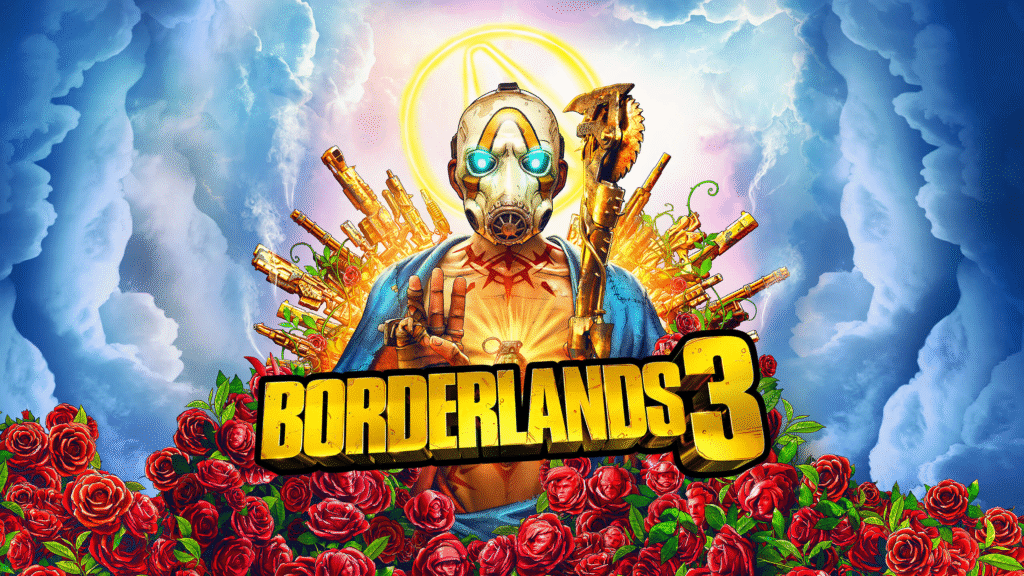
Perhaps the most notable departure is Borderlands 3, a game that has defined co-op looter-shooter gameplay for years.

Its inclusion in Xbox Game Pass was a major win for fans, allowing squads to dive into Pandora’s chaotic world without purchasing the game outright.

With support for up to four players in online co-op, Borderlands 3 delivered hours of explosive action, quirky humor, and deep customization.

Its removal from Xbox Game Pass comes just months before the anticipated release of Borderlands 4, suggesting a strategic move by publisher 2K Games.

By pulling the title now, they may be encouraging players to purchase the game or prepare for the sequel. For many, this means either buying the game to continue their progress or saying goodbye to their vault-hunting adventures.

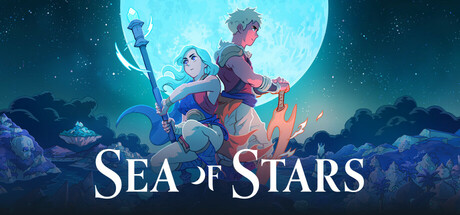
2. Sea of Stars: A Modern Classic with a Nostalgic Heart

image 39

Sea of Stars is another co-op gem leaving Xbox Game Pass today. Developed by Sabotage Studio, this indie RPG blends retro aesthetics with modern mechanics, offering a turn-based combat system that feels both familiar and fresh.

While primarily a single-player experience, the game includes local co-op features that allow up to three players to explore its beautifully crafted world together.

Its departure is a blow to fans of pixel art RPGs and couch co-op gaming. Sea of Stars has been praised for its storytelling, music, and innovative gameplay, making it a standout title in the Xbox Game Pass lineup.

For those who haven’t finished their journey, now is the time to either wrap things up or consider purchasing the game before it disappears.

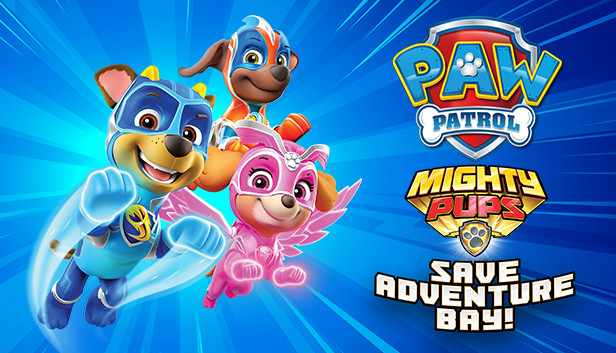
3. PAW Patrol: Mighty Pups Save Adventure Bay – Family Fun Fades

image 40

While PAW Patrol: Mighty Pups Save Adventure Bay may not be a hardcore gamer’s first pick, it has carved out a niche among younger players and families. Its cooperative gameplay allows kids and parents to team up and tackle missions together, making it a valuable addition to the Xbox Game Pass catalog.

The game’s removal is especially disappointing for families who rely on Xbox Game Pass for accessible, age-appropriate content. With simple controls, colorful visuals, and familiar characters, PAW Patrol offered a safe and enjoyable co-op experience. Its exit leaves a gap in the family-friendly section of the service.

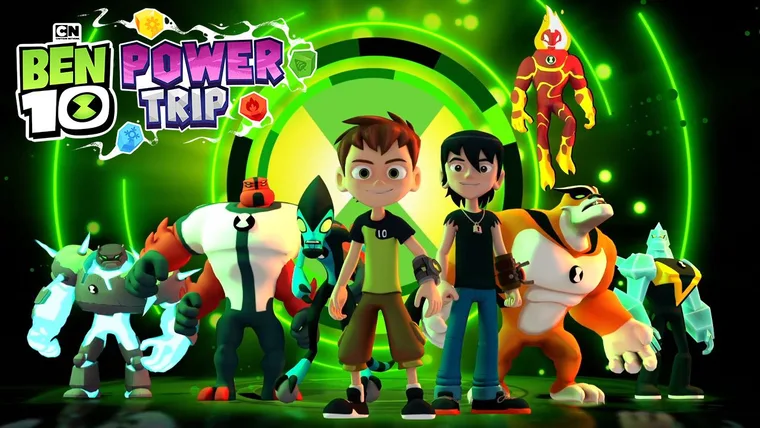
4. Ben 10: Power Trip and This War of Mine: Final Cut – Solo Farewells

image 41

The other two titles leaving Xbox Game Pass today—Ben 10: Power Trip and This War of Mine: Final Cut—are primarily single-player experiences. Ben 10 offers action-packed gameplay based on the popular cartoon series, while This War of Mine presents a harrowing survival experience set in a war-torn city.

Though not co-op titles, their departure still matters. Ben 10 has been a hit among younger audiences, and This War of Mine has earned critical acclaim for its emotional storytelling and moral complexity. Their removal underscores the diverse nature of the Xbox Game Pass library and the wide range of players it serves.

Why Games Leave Xbox Game Pass?

The rotation of games in Xbox Game Pass is driven by licensing agreements and strategic decisions. Titles are typically available for a set period, after which they may be removed to make room for new additions. While this keeps the service dynamic, it also means players must stay vigilant about what’s leaving and when.

Microsoft usually announces departures in advance, giving subscribers time to finish games or purchase them at a discount. Still, the loss of co-op titles like Borderlands 3 and Sea of Stars can feel abrupt, especially for players in the middle of a campaign.

What This Means for Co-Op Gamers?

Co-op gaming has always been a major draw for Xbox Game Pass. The ability to jump into multiplayer adventures with friends—without everyone needing to buy the game—is a huge perk. Losing three co-op titles in one day is a reminder of the service’s fluid nature and the importance of planning ahead.

For co-op enthusiasts, this might be a good time to explore other multiplayer titles still available on Xbox Game Pass. Games like Halo Infinite, Minecraft, and Grounded continue to offer rich cooperative experiences. And with new titles added regularly, there’s always something fresh to discover.

Looking Ahead: What’s Next for Xbox Game Pass?

Despite today’s losses, Xbox Game Pass remains a powerhouse in the gaming industry. August 2025 saw more games added than removed, and September promises exciting new entries like Hollow Knight: Silksong. Microsoft’s commitment to expanding the service ensures that players will continue to have access to top-tier content.

Still, the departure of beloved co-op games is a moment worth reflecting on. These titles brought people together, fostered teamwork, and created lasting memories. Their exit is a reminder of the value they brought—and the potential for future co-op gems to take their place.

Final Thoughts

The removal of five games from Xbox Game Pass today, including three beloved co-op titles, marks a significant moment for subscribers. While the service continues to grow and evolve, the loss of Borderlands 3, Sea of Stars, and PAW Patrol is felt deeply by fans who cherished their multiplayer experiences.

As always, change is part of the Xbox Game Pass journey. With new games on the horizon and a community eager to explore them, the future remains bright.

But for today, we say goodbye to some truly memorable adventures—and look forward to what comes next.

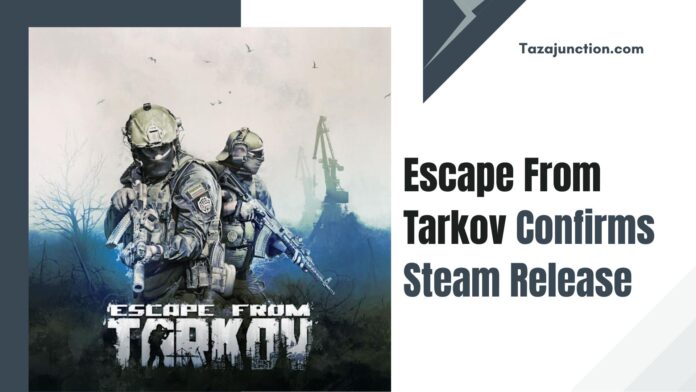
Escape From Tarkov Confirms Steam Release

escape from tarkov confirms steam release

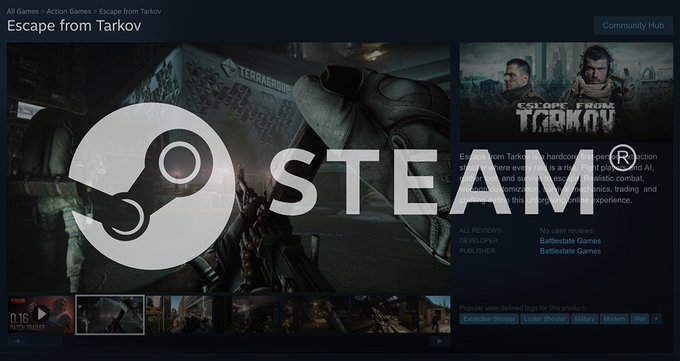
The hardcore first-person shooter community has been buzzing with excitement as Escape From Tarkov confirms Steam release after years of exclusivity through its own launcher.

For a long time, Battlestate Games has resisted putting the popular extraction shooter on platforms like Steam, preferring to distribute the game directly.

But now, that’s about to change, and players around the world are discussing what this major step could mean for accessibility, community growth, and the game’s long-term future.

This announcement not only expands the reach of one of the most intense and realistic FPS experiences but also sets a new precedent for how niche, hardcore games can evolve into mainstream popularity.

Let’s break down why this is such a big deal, what fans can expect, and how the Steam launch could reshape Tarkov’s future.


A Game Built on Hardcore Realism

Before diving into the details of how Escape From Tarkov confirms Steam release, it’s important to understand why the game has developed such a cult following.

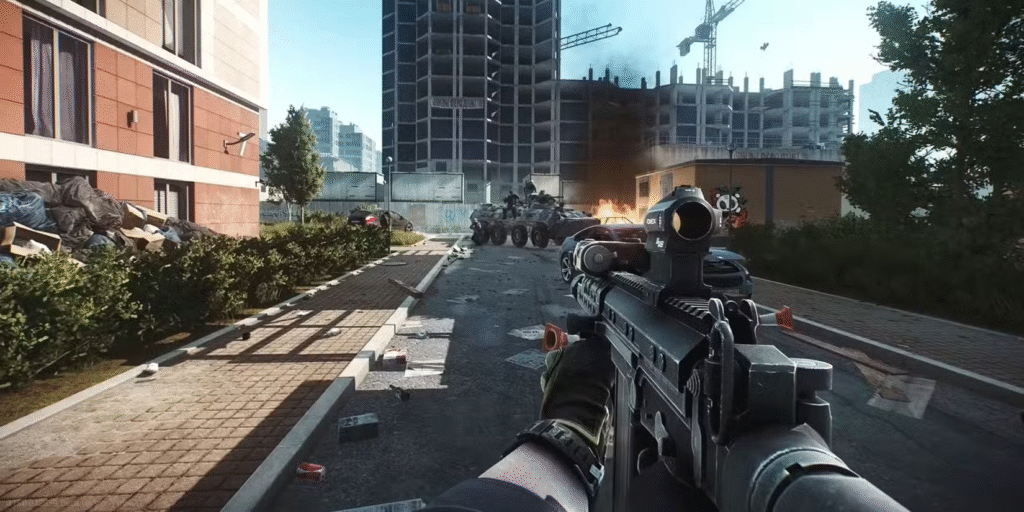
Tarkov is not your average shooter. It blends survival, looting, and brutal combat mechanics with extreme realism. Players must manage every detail, from weapon attachments and armor weight to hydration and energy levels.

Every match, or “raid,” is high stakes—if you die, you lose the gear you carried. This level of intensity has made Tarkov one of the most unique shooters available, but it has also limited its appeal to only the most dedicated players. A Steam release could help ease that barrier by making the game more accessible and discoverable.


Why the Steam Release Matters?

Escape From Tarkov

When news broke that Escape From Tarkov confirms Steam release, many gamers saw it as more than just convenience.

For years, one of the biggest complaints about Tarkov was its reliance on the Battlestate launcher, which often experienced bugs, long update times, and limited global reach. Steam offers a smoother experience, automatic updates, and a massive built-in community.

Here are some of the key reasons this move is significant:

  • Wider Accessibility: Millions of players who primarily use Steam will now have easier access.
  • Community Integration: Steam features like friends lists, achievements, and trading cards could expand Tarkov’s reach.
  • Credibility Boost: A Steam release signals maturity, showing that Battlestate Games is ready for broader adoption.
  • Global Reach: Steam’s international infrastructure ensures smoother downloads and better regional support.

For players, this marks a turning point where Tarkov can shift from niche success into a more mainstream phenomenon.


Community Reactions

As soon as Escape From Tarkov confirms Steam release, social media and forums lit up with reactions. Long-time players expressed excitement at the possibility of easier updates and a more stable platform.

However, there was also some concern. Veterans worry that an influx of new players could shift the balance of the community and potentially dilute the hardcore experience that makes Tarkov unique.

Some even debated whether Steam’s user review system could affect the game’s reputation. Tarkov, known for its frequent bugs and steep learning curve, may face mixed reviews from players unprepared for its difficulty.

Still, the majority welcomed the change, seeing it as a chance for Tarkov to cement its place among the greats of the FPS genre.


How This Could Change Tarkov’s Future?

The fact that Escape From Tarkov confirms Steam release hints at bigger changes in the future. With increased visibility, Battlestate Games will likely feel more pressure to polish the game and deliver regular updates.

The Steam audience is vast and vocal, and developers often respond to heightened scrutiny by improving communication and support.

This move could also pave the way for additional features:

  • Expanded Modding Support: Steam Workshop integration might allow for mods, a feature the community has long requested.
  • Better Anti-Cheat Measures: A larger player base could justify investing in stronger anti-cheat tools.
  • Esports Potential: Accessibility through Steam could spark competitive Tarkov events, making the game more visible on streaming platforms.
  • Console Ports: While unconfirmed, Steam success might push Battlestate Games to consider consoles.

In many ways, Steam could act as the launchpad Tarkov needs to evolve from cult classic to global juggernaut.


Comparisons to Other Games

image 37

The decision that Escape From Tarkov confirms Steam release draws comparisons to other games that started small before finding huge success on mainstream platforms.

Titles like Rust, DayZ, and Hunt: Showdown thrived once they reached Steam, benefiting from visibility and community support.

Tarkov has a chance to follow in those footsteps, but it also faces unique challenges. Its steep learning curve and punishing mechanics may intimidate casual players. The Steam release will test whether Tarkov can expand without losing its identity.


Potential Challenges Ahead

Of course, not everything about this move is guaranteed to be smooth. When Escape From Tarkov confirms Steam release, Battlestate Games must also prepare for potential issues:

  • Server Stress: An influx of new players could overload servers.
  • Toxicity in Community: A larger player base sometimes brings increased negative behavior.
  • Bug Exposure: Steam reviews are unforgiving, and any major bugs could impact the game’s rating.
  • Balancing Act: Developers must decide how to keep the hardcore community happy while welcoming new players.

Still, most fans believe these challenges are worth it for the long-term benefits of greater accessibility.


What Players Can Expect?

When Escape From Tarkov confirms Steam release, here’s what players can likely expect:

  • Seamless Updates: No more clunky launcher updates—Steam will handle patches.
  • Cross-Progression: Existing players should be able to link their accounts, though details aren’t fully clear yet.
  • Better Support: Steam’s support system may provide faster solutions for common issues.
  • Increased Popularity: More players mean faster matchmaking and a livelier community.

If Battlestate manages the rollout properly, the Steam version of Tarkov could become the definitive way to play.


Looking at the Bigger Picture

Ultimately, the fact that Escape From Tarkov confirms Steam release represents a milestone in the game’s journey. It shows Battlestate Games’ willingness to evolve and embrace a broader audience, without necessarily abandoning the core values that made Tarkov special.

For long-time fans, it’s a sign that their favorite game may finally receive the recognition it deserves. For newcomers, it’s an invitation to experience one of the most intense survival shooters ever made. And for the industry, it’s proof that even niche titles can grow into mainstream hits with the right strategy.


Conclusion

The announcement that Escape From Tarkov confirms Steam release is more than just a headline—it’s a major moment in the game’s history.

By joining Steam, Tarkov gains access to a massive audience, improved infrastructure, and the credibility that comes with being part of the world’s biggest PC gaming platform.

While challenges remain, the opportunities far outweigh the risks. As Tarkov steps into this new chapter, the game has the chance to solidify its legacy as one of the most ambitious and immersive shooters ever created.

Whether you’re a veteran scavenger or a newcomer curious about the hype, the Steam release could mark the perfect time to dive into the dangerous, thrilling world of Escape From Tarkov.

Steam Reportedly Asks User of 19 Years to Verify if They Are 18

steam reportedly asks user of 19 years to verify if they are 18

In a surprising twist that has caught the attention of gamers worldwide, Steam reportedly asks user of 19 years to verify if they are 18 before continuing to access their favorite online games.

The incident has sparked conversations across gaming communities about account verification, age restrictions, and how platforms like Steam handle long-time users.

For many, the story feels ironic—after nearly two decades of loyalty, a player is suddenly asked to prove something as basic as their age.

This unusual scenario raises several questions: Why would such a request surface after 19 years? Is this a glitch, or is it part of a larger security strategy from Valve?

And most importantly, what does this mean for other long-term Steam users who have invested years into building their libraries and gaming profiles?

Let’s dive with TazaJunction.com into the details, explore community reactions, and analyze the implications of this viral story.


The Incident Explained

The gaming community was abuzz when reports surfaced that Steam reportedly asks user of 19 years to verify if they are 18. According to posts shared online, a veteran Steam player logged in only to be greeted by an age verification screen.

Despite nearly two decades of continuous activity on the platform, the system requested proof of adulthood to proceed. While age verification isn’t new—especially with mature-rated titles—what shocked many was the timing. This wasn’t a brand-new account, nor was it a suspicious login.

Instead, it was a loyal gamer with years of history on Steam, suddenly blocked by what seemed like an unnecessary roadblock.


Why Would Steam Do This?

Steam reportedly asks user of 19 years to verify if they are 18

There are several possible explanations as to why Steam reportedly asks user of 19 years to verify if they are 18.

  1. Policy Updates: Steam, like most digital platforms, regularly updates its policies to align with regulations in different regions. It’s possible that new rules triggered age verification requirements universally.
  2. System Glitch: Another explanation could be a simple error. A system bug may have incorrectly flagged the account, forcing an unnecessary verification process.
  3. Legal Compliance: With stricter data and privacy laws worldwide, companies must ensure that users accessing adult or restricted content are legally eligible. Even if the user is clearly above 18, Steam might have rolled out a blanket check to cover all bases.
  4. Security Measures: As online fraud and account sharing continue to grow, Steam might be experimenting with additional verification steps to protect user accounts.

Whatever the cause, the story highlights the quirky and sometimes frustrating side of digital platform management.


Community Reactions

Unsurprisingly, when Steam reportedly asks user of 19 years to verify if they are 18, the community reacted with a mix of humor and frustration. Memes flooded social media, with gamers joking that after 19 years of playing, Steam still wasn’t sure if someone had turned 18.

On forums like Reddit, users debated whether the move was justified. Some argued that extra verification could protect the platform from legal troubles.

Others found it insulting that a player with nearly two decades of purchase history still had to prove their age. The general consensus leaned toward amusement, but underlying concerns about digital ownership and platform control also emerged.


The Broader Implications

When Steam reportedly asks user of 19 years to verify if they are 18, it’s more than just a funny headline—it touches on the broader challenges of digital platforms.

  1. Trust Between Users and Platforms: Long-term users expect recognition and smooth experiences. Sudden interruptions can make loyal customers feel undervalued.
  2. Ownership Questions: Stories like this remind players that they don’t truly own their digital libraries. Instead, access depends on the platform’s policies.
  3. User Experie nce vs. Regulation: Balancing seamless gaming experiences with regulatory compliance is tricky. Steam may have good intentions, but poor execution can frustrate users.

Comparisons with Other Platforms

Interestingly, this isn’t the first time gamers have faced unexpected age checks. Platforms like Xbox Live, PlayStation Network, and even Epic Games Store occasionally require users to reconfirm their details. However, when Steam reportedly asks user of 19 years to verify if they are 18, it feels more ironic given the player’s long history.

Other services often tie age verification to account creation or parental controls, making such checks rare for long-term adult users. Steam’s decision—whether intentional or accidental—highlights how inconsistencies in account management can become viral stories.


What Should Users Do?

image 35

If Steam reportedly asks user of 19 years to verify if they are 18, here are some steps players can take:

  • Complete the Verification: If it’s a one-time request, simply verify and move on.
  • Check for Policy Updates: Visit Steam’s support page to see if new rules have been announced.
  • Secure Your Account: Ensure that the request is legitimate and not a phishing attempt.
  • Report Glitches: If it seems like an error, contact Steam Support for clarification.

For most users, the issue is minor, but the fact that it happened at all underscores the importance of staying informed.


A Lesson for the Industry

The story of how Steam reportedly asks user of 19 years to verify if they are 18 is a reminder to all digital platforms: user experience matters. While rules and regulations are important, so is the trust and loyalty of long-time customers. A balance must be struck between compliance and convenience.

Gamers today invest not just money, but also years of their lives into platforms like Steam. Any disruption—even something as small as an unnecessary age verification—can make them feel disconnected or undervalued. Companies that fail to recognize this risk alienating their most dedicated supporters.


Looking Ahead

Will this incident change how Steam handles long-term accounts? It’s hard to say. Some believe Valve will quietly fix the glitch if it was unintentional. Others think more such verifications may roll out as laws evolve.

Either way, the phrase “Steam reportedly asks user of 19 years to verify if they are 18” will likely remain a talking point in gaming communities for some time.

It’s a strange reminder that even in the digital age, your years of loyalty may not always exempt you from the quirks of automated systems. Gamers are resilient, and most will laugh it off—but it also highlights deeper issues about digital rights and customer trust.


Conclusion

The story that Steam reportedly asks user of 19 years to verify if they are 18 may sound humorous, but it carries real significance in the evolving relationship between digital platforms and their communities. It reflects the tension between regulatory compliance, security, and user experience.

For gamers, it’s a reminder that even the most established accounts aren’t immune to sudden changes. For platforms like Steam, it’s a lesson in balancing legal obligations with customer trust.

And for the rest of us, it’s an entertaining yet thought-provoking tale of how the digital age continues to surprise us—even after nearly two decades of gaming.

Cyberpunk 2077 Player Accidentally Beats the Game on Ultra Hardcore Mode

cyberpunk 2077 player

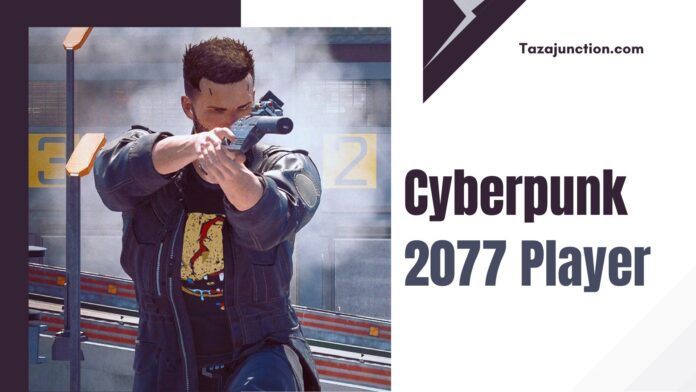
The gaming world is full of incredible stories, but one particular event has recently caught the attention of players worldwide. A Cyberpunk 2077 Player Accidentally Beats the Game on Ultra Hardcore Mode, showcasing both the unpredictability of CD Projekt Red’s open-world RPG and the creativity of its community.

Hardcore modes in RPGs are designed to push players to the absolute limit, testing every ounce of patience, skill, and strategy. Yet, when someone manages to conquer such a challenge by accident, the story immediately resonates with fans.

This unexpected victory highlights the unpredictable beauty of immersive games like Cyberpunk 2077, where even the smallest actions can lead to extraordinary outcomes.


What Makes Ultra Hardcore Mode So Challenging?

The phrase Cyberpunk 2077 Player Accidentally Beats the Game on Ultra Hardcore Mode may sound like a lighthearted headline, but it underscores just how brutal this mode is.

Ultra Hardcore introduces permanent death mechanics, no HUD visibility, limited resources, and extreme enemy difficulty scaling. Essentially, one mistake could erase hours of progress.

Players usually plan meticulously, investing time in strategies, upgrades, and weapon modifications to survive in Night City under such intense rules.

To imagine someone stumbling through and still finishing the campaign borders on unbelievable. It suggests that, even in unforgiving circumstances, the game’s dynamic design can occasionally turn chance into triumph.


The Story Behind the Accidental Victory

Reports circulating in online forums and gaming communities detail how the Cyberpunk 2077 Player Accidentally Beats the Game on Ultra Hardcore Mode. According to discussions, the player had intended to experiment with settings but unknowingly activated the brutal difficulty mode.

Initially, they thought the game just “felt harder than usual,” but as missions progressed, it became clear that the enemies were hitting harder and resources were scarcer.

Instead of restarting, the player kept going, adapting on the fly without realizing they were navigating one of the toughest challenges the game offers. By the time the ending credits rolled, they had achieved what many struggle to accomplish intentionally—beating the game under the harshest possible conditions.


Why This Story Resonates with the Gaming Community

Cyberpunk 2077 Player

The tale of how a Cyberpunk 2077 Player Accidentally Beats the Game on Ultra Hardcore Mode has spread rapidly because it embodies both humor and inspiration. Gamers love stories of underdogs, lucky breaks, and accidental triumphs. It breaks the stereotype that only hardcore veterans or speedrunners can conquer such feats.

For the community, this event also highlights how games like Cyberpunk 2077 are unpredictable playgrounds. No two playthroughs are alike. Players might stumble into unique encounters, hidden missions, or accidental victories that become legendary within fan circles.


The Role of Luck and Skill

When analyzing how a Cyberpunk 2077 Player Accidentally Beats the Game on Ultra Hardcore Mode, it’s clear that luck played a role. Avoiding fatal glitches, choosing weapons that suited encounters, and stumbling into cover during shootouts are part of the narrative.

Yet, the player’s adaptability cannot be ignored. Even without knowing the settings, they adjusted strategies, exploited the environment, and made decisions that ultimately secured survival.

It’s a blend of fortune and instinct, reminding us that success in gaming doesn’t always stem from preparation—it sometimes comes from reacting well under pressure.


Comparisons to Other Legendary Gaming Feats

The gaming world has seen similar tales before. Players have accidentally completed games like Dark Souls, Elden Ring, or Diablo on nightmare difficulties without realizing it.

But the story of how a Cyberpunk 2077 Player Accidentally Beats the Game on Ultra Hardcore Mode feels especially significant because of the game’s reputation.

Cyberpunk 2077 launched with a rocky start, full of bugs and technical issues. Over time, updates and expansions transformed it into a respected RPG masterpiece. This accidental accomplishment mirrors the game’s redemption arc: what starts as chaos can turn into something unexpectedly successful.


Community Reactions

image 32

Online discussions around the story show a mixture of admiration and amusement. Memes celebrating the moment flooded social media, with captions like “When Night City chooses you” or “The Chosen V.” Fans compared the event to winning a lottery ticket in gaming terms.

Others used the phrase Cyberpunk 2077 Player Accidentally Beats the Game on Ultra Hardcore Mode as a rallying cry, inspiring themselves to attempt tougher challenges. Many players admitted that, even with planning and preparation, they struggled to survive for long in the mode—making the accidental victory all the more legendary.


What It Means for Cyberpunk 2077’s Legacy?

This quirky story actually enhances the game’s legacy. Every time a Cyberpunk 2077 Player Accidentally Beats the Game on Ultra Hardcore Mode, it reinforces the unpredictability and depth of the world CD Projekt Red created. Night City feels alive, where unplanned outcomes are just as impactful as intentional strategies.

Moreover, such stories ensure the game stays relevant in conversations long after release. They prove that players continue to find joy, challenge, and unpredictability in the experience. In a way, this accidental triumph reflects the spirit of Cyberpunk itself—chaos leading to unexpected victories.


Lessons for Other Gamers

For those inspired by the tale of how a Cyberpunk 2077 Player Accidentally Beats the Game on Ultra Hardcore Mode, the lesson is simple: don’t underestimate your abilities, and don’t fear experimentation. Even if you stumble into challenges you didn’t plan for, adaptability can help you succeed.

It’s also a reminder that games are designed not just as skill tests but as storytelling experiences. Sometimes, the best stories come from mistakes, happy accidents, and unexpected wins.


Will Others Try to Replicate This?

Since the story went viral, many gamers are now intentionally attempting Ultra Hardcore Mode to see if they can achieve the same feat. Of course, intentionally playing it removes the element of surprise, but it also fosters a new wave of engagement.

The fact that one Cyberpunk 2077 Player Accidentally Beats the Game on Ultra Hardcore Mode may even motivate speedrunners and challenge-seekers to push the game’s mechanics further, creating new milestones for the community.


Conclusion

The story of how a Cyberpunk 2077 Player Accidentally Beats the Game on Ultra Hardcore Mode has quickly become one of the most talked-about events in the gaming community.

It combines humor, luck, skill, and unpredictability in a way that feels true to the chaotic spirit of Night City. While most players would never dream of attempting Ultra Hardcore Mode unprepared, this event proves that sometimes, even accidents can lead to legendary outcomes.

At its core, this tale is about more than gaming—it’s about the beauty of unexpected victories and the stories that make communities thrive.

Cyberpunk 2077 may be a game filled with futuristic tech, neon-lit chaos, and moral dilemmas, but moments like these remind us why it has captured the hearts of millions: every player writes their own unique story, even if by accident.

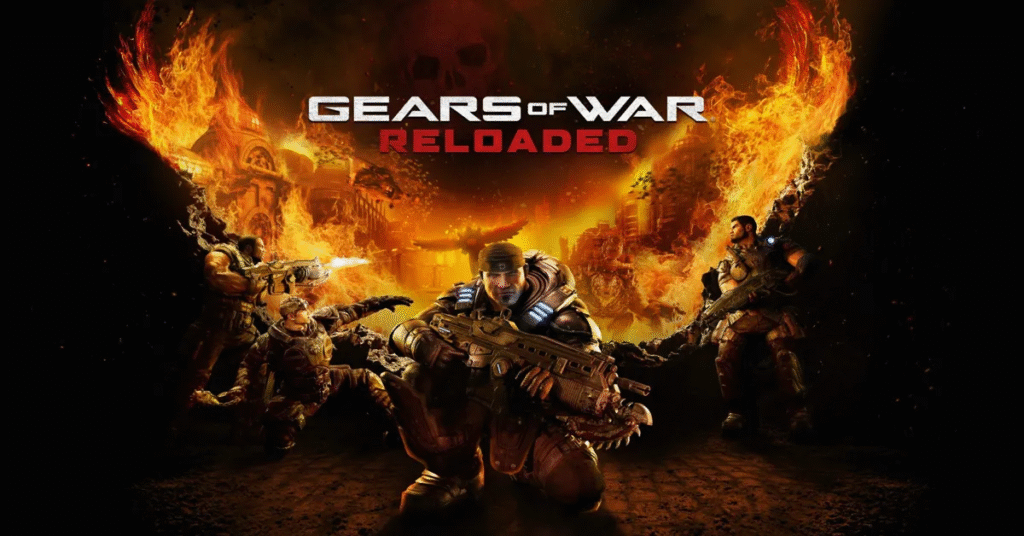
Gears of War Reloaded Players Aren’t Happy With One ‘Inconsistent’ Change to the Original Game

gears of war reloaded

The return of a classic franchise is always an exciting moment for fans, but it can also stir controversy when changes to beloved mechanics or features don’t sit well with the community.

The latest entry, Gears of War Reloaded, has been one of the most anticipated remasters in recent years, promising to deliver enhanced visuals, smoother gameplay, and a refreshed experience of the original.

However, despite the hype, many players are voicing frustration over what they call an “inconsistent” change that has altered the essence of what made the original so engaging.

In this TazaJunction.com article, we’ll dive deep into the issues fans are raising, why this single change is generating such backlash, how it compares to the original design, and what this means for the future of Gears of War Reloaded as it tries to balance nostalgia with modern expectations.


A Beloved Franchise Reimagined

The Gears of War franchise is one of the cornerstones of modern third-person shooters. Known for its gritty combat, cover mechanics, and larger-than-life storytelling, it carved its place in gaming history back on the Xbox 360.

When Gears of War Reloaded was announced, fans were excited to revisit those iconic moments with the benefit of modern hardware and advanced game design.

The development team promised a faithful recreation of the original, but with updates that would make it more accessible for new players. Enhanced graphics, smoother frame rates, and refined controls were key selling points.

However, alongside these improvements came design tweaks, and one of them has sparked a heated debate among the player base.


The Inconsistent Change in Question

Players are specifically pointing to changes in the way weapon balancing and recoil patterns work in Gears of War Reloaded. In the original, the recoil and shooting mechanics had a predictable rhythm that veteran players learned and mastered over countless hours of gameplay.

It wasn’t just about reflexes but about precision and consistency—knowing exactly how your weapon would behave under pressure.

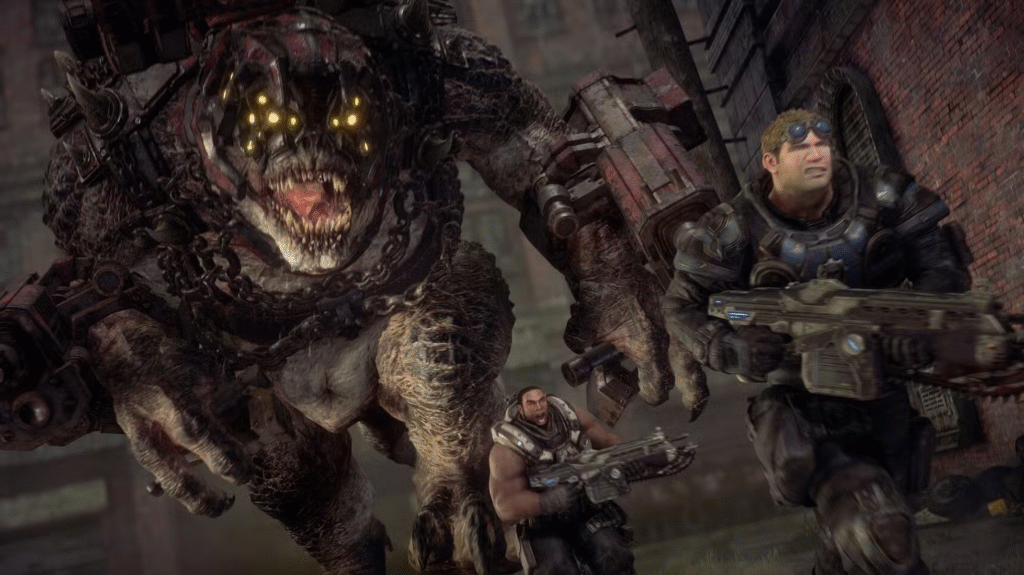
In Gears of War, however, players have reported that the recoil feels “inconsistent,” breaking that sense of mastery and muscle memory. For longtime fans, this adjustment feels less like a modernization and more like a departure from the original spirit.

Many argue that it undermines competitive integrity and makes it harder to replicate the skill-based gameplay that made the series stand out.


Fan Reactions Across the Community

Gears of War Reloaded

Gaming forums and social media have been flooded with complaints. Threads dedicated to Gears of War Reloaded are filled with posts from players who feel betrayed by this change.

Some claim that it disrupts the flow of competitive matches, while others say it makes the game feel less like a faithful remaster and more like a reinterpretation.

Interestingly, newer players who don’t have the same history with the original seem less bothered by the change. For them, the “inconsistent” recoil is just part of learning the game.

But for veterans who spent years perfecting their strategies, this alteration feels like a move away from the authenticity they were promised.


Why Did the Developers Make This Change?

From a developer’s perspective, balancing a remaster is always tricky. On one hand, you want to preserve the nostalgia that long-time fans expect.

On the other, you need to make adjustments so the game appeals to modern audiences. It’s likely that the new recoil system in Gears of War Reloaded was intended to add realism or make the game more dynamic.

However, what developers see as innovation can sometimes come across as a betrayal to the community. In this case, the perception is that the change wasn’t communicated clearly, leaving players to discover it on their own and feel blindsided by how much it impacted gameplay.


The Broader Challenge of Remasters

This controversy highlights a broader challenge in the gaming industry: how do you update a beloved classic without alienating the fans who made it successful in the first place?

Gears of War Reloaded isn’t the first game to face this dilemma. Other remakes and remasters have also stumbled when making seemingly small adjustments to mechanics that fans hold dear.

The balance lies in respecting the foundation while improving the experience where it truly counts. Visuals, quality-of-life features, and accessibility options are often welcomed. But changes to core mechanics—like weapon balance—carry much more risk.


What This Means for Competitive Play?

image 30

For a game like Gears of War Reloaded, which has always had a strong competitive community, consistency is crucial. Competitive players rely on precise mechanics to ensure fairness and skill-based outcomes. When recoil patterns feel inconsistent, it introduces randomness that undermines this competitive integrity.

Esports professionals and streamers have already voiced their concerns. Some are calling for patches to restore the original recoil system, while others are demanding clearer communication from the developers.

The competitive scene is one of the franchise’s biggest strengths, and if these issues aren’t resolved, it could hinder the game’s growth in esports.


Can the Developers Fix It?

The good news is that modern gaming allows for updates and patches. If the backlash grows strong enough, developers of Gears of War Reloaded may release a patch to address recoil concerns. They might offer a toggle between “classic” and “modern” weapon mechanics, giving players the choice of which system to use.

This approach has worked well for other remakes and remasters, where player feedback directly shaped post-launch updates. Whether the developers will take this route remains to be seen, but the community is certainly making its voice heard.


A Test of Trust Between Developers and Fans

At its core, this controversy is about trust. Fans trusted that Gears of War Reloaded would give them the experience they loved, only with better technology. By changing something so central to the gameplay, the developers risk eroding that trust.

Transparent communication, community engagement, and a willingness to adjust based on feedback will be essential to repairing this relationship.


Looking Ahead for Gears of War: Reloaded

Despite the criticism, Gears of War Reloaded is still one of the most ambitious remasters of the year. Its visuals, storytelling, and broader gameplay improvements have been widely praised. If the developers can respond to this recoil issue quickly and effectively, the game still has the potential to thrive.

As remasters and reboots continue to dominate the industry, the lessons from this controversy will likely resonate with other studios. The success of any remaster depends on walking the fine line between innovation and preservation—a line that Gears of War Reloaded is still learning to balance.


Conclusion

The debate over the recoil changes in Gears of War Reloaded reflects the broader struggle of remastering classic games. For some players, the inconsistent mechanics are a deal-breaker that tarnishes the authenticity of the experience. For others, it’s a minor hiccup in an otherwise polished reimagining.

What’s clear is that fans are passionate about the franchise, and their voices will shape the game’s future. If the developers listen and adapt, Gears of War Reloaded could still become the definitive way to experience this iconic series.

But if the concerns go unaddressed, it risks alienating the very audience that carried its legacy for more than a decade.

Elder Scrolls Modder Is Adding Morrowind to Elden Ring

elder scrolls modder e1756809528334

The world of modding has always pushed the boundaries of what’s possible in gaming, allowing fans to merge universes, expand lore, and breathe new life into classic titles.

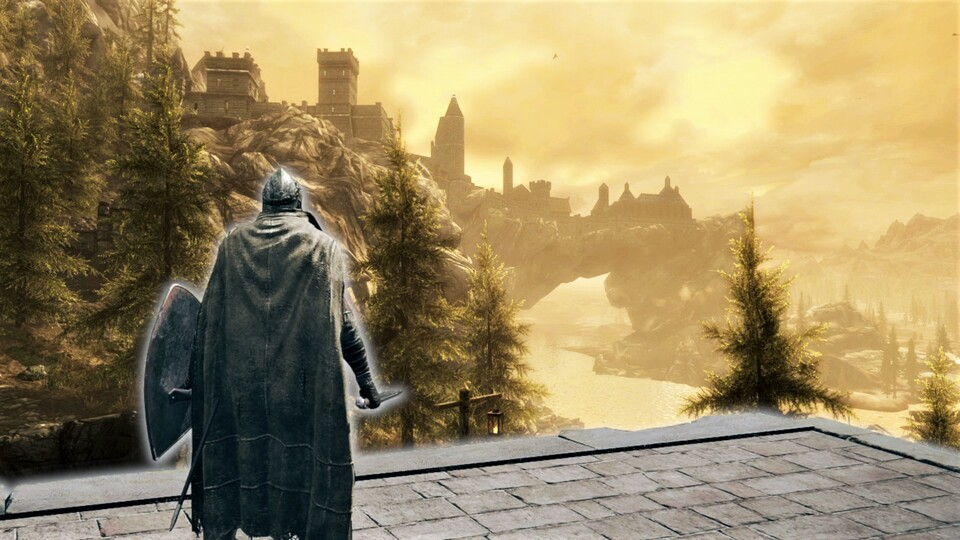
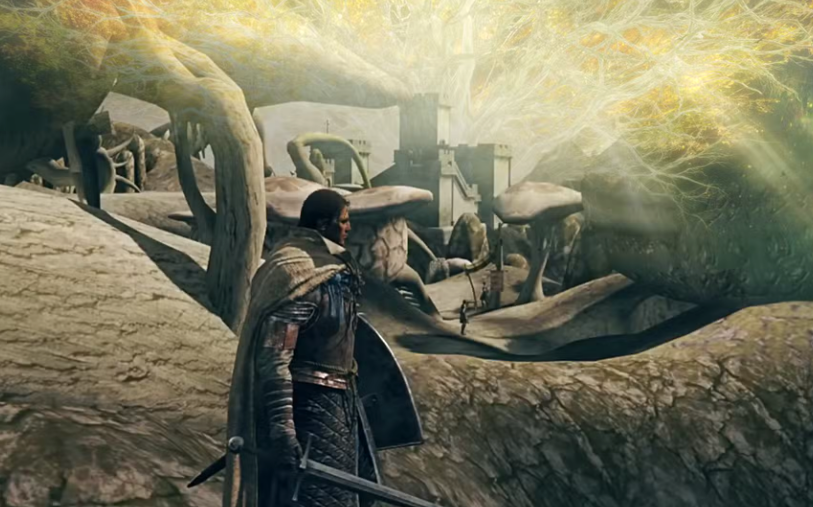
Recently, the community has been buzzing with excitement as news broke that an Elder Scrolls modder is adding Morrowind to Elden Ring, creating a fascinating crossover that blends two of the most iconic RPG experiences ever made.

This ambitious project not only showcases the passion of the modding community but also highlights the timeless influence of both The Elder Scrolls III: Morrowind and Elden Ring.

In this TazaJunction.com article, we’ll explore what makes this project so remarkable, why players are hyped, and what challenges lie ahead in fusing two legendary game worlds.


Why Morrowind Still Matters?

When it launched in 2002, The Elder Scrolls III: Morrowind was revolutionary. Its open-world design, deep lore, and freedom of choice helped redefine role-playing games.

Even two decades later, fans still regard it as one of the most immersive experiences in the genre. The news that an Elder Scrolls modder is adding Morrowind to Elden Ring resonates because it taps into that nostalgia while giving it a fresh coat of next-gen polish.

Morrowind’s alien landscapes, strange architecture, and unique combat system make it an ideal candidate for reimagining. With the advanced engine of Elden Ring, players can expect those volcanic plains, mushroom forests, and mystical ruins to look more breathtaking than ever.


Why Elden Ring Is the Perfect Fit?

Released in 2022, Elden Ring has already cemented itself as a landmark in gaming history. Its massive open world, interconnected dungeons, and brutal yet rewarding combat system provide a playground like no other. It’s no wonder that modders see it as a perfect canvas for expanding their creativity.

The fact that an Elder Scrolls modder is adding Morrowind to Elden Ring makes sense because both games share a DNA of exploration, mystery, and danger.

Imagine wandering the swamps of Morrowind with Elden Ring’s lighting engine, or battling cliff racers with mechanics fine-tuned for intense encounters. The result could be the ultimate fusion of nostalgia and innovation.


What the Mod Promises?

Elder Scrolls

According to early details from the project, the mod aims to recreate significant portions of Morrowind’s map within Elden Ring. That means players might see iconic locations such as Balmora, Vivec City, and the volcanic slopes of Red Mountain faithfully reimagined.

The challenge, of course, lies in blending Morrowind’s aesthetics with Elden Ring’s darker and more gothic tone. Yet the fact that an Elder Scrolls modder is adding Morrowind to Elden Ring suggests that this won’t be just a copy-paste effort.

Instead, it’s likely to be a thoughtful reimagining, balancing fidelity to the original world with respect for Elden Ring’s art style.


The Challenges of Modding on Such a Scale

Rebuilding an entire game world inside another is no easy task. Modders must contend with technical hurdles such as asset creation, collision mapping, and ensuring performance stability. Beyond the technical side, there’s the issue of gameplay balance.

Elden Ring operates with mechanics that are far more punishing than Morrowind’s. This means enemies, quests, and exploration need to be carefully adjusted to maintain immersion while ensuring players aren’t overwhelmed.

The fact that an Elder Scrolls modder is adding Morrowind to Elden Ring shows just how ambitious and determined the modding community can be, but it also raises questions about how true to the original Morrowind experience this adaptation will remain.


Fan Excitement and Expectations

The gaming community has erupted with excitement since learning that an Elder Scrolls modder is adding Morrowind to Elden Ring. On forums, players have speculated about whether beloved quests and characters will return, from Caius Cosades and Vivec to the Nerevarine prophecy.

Some fans are hopeful that the mod will serve as a bridge between generations—allowing younger players who never touched Morrowind to experience its charm in a more modern format. For veteran fans, it’s a chance to revisit familiar landscapes with a fresh sense of awe.


Modding as a Form of Preservation

One of the most fascinating aspects of this project is how it contributes to preserving gaming history. Official remakes and remasters often take years or may never materialize at all. But when an Elder Scrolls modder is adding Morrowind to Elden Ring, it underscores how fan communities are keeping classic games alive for new generations.

Modding has long been a way to honor legacy titles, ensuring that their influence doesn’t fade with time. Just as Skyrim has enjoyed countless mods that expanded its world, this project could spark a trend of blending beloved RPGs into newer platforms.


A Look at Past Elder Scrolls Mods

image 28

This isn’t the first time passionate fans have taken on massive projects. Mods like Skywind and Skyblivion have attempted to rebuild earlier Elder Scrolls games using the Skyrim engine. These efforts are still ongoing, but they highlight just how dedicated the modding community is to preserving Tamriel’s history.

Now that an Elder Scrolls modder is adding Morrowind to Elden Ring, the bar has been raised even higher. If successful, this could stand as one of the most ambitious crossovers in modding history.


What This Means for the Future of Modding?

The project could signal a new era of modding where boundaries between game worlds blur more than ever before. By combining Morrowind’s unique fantasy with Elden Ring’s dark mysticism, modders may inspire others to create similar mashups. Imagine seeing parts of Oblivion in Dark Souls or Bloodborne environments recreated in Skyrim.

The idea that an Elder Scrolls modder is adding Morrowind to Elden Ring isn’t just exciting—it’s trailblazing. It pushes both creativity and technical skill to new levels, hinting at a future where fan-made expansions rival official releases in scope and quality.


Whenever large-scale mods like this surface, questions about legality inevitably follow. Publishers generally tolerate mods as long as they’re non-commercial and don’t infringe too heavily on intellectual property. However, a project of this scale may attract scrutiny.

Still, the fact remains that an Elder Scrolls modder is adding Morrowind to Elden Ring primarily as a passion project, not for profit. It’s a love letter to both game worlds, and that spirit is what keeps the modding community thriving.


Conclusion

The announcement that an Elder Scrolls modder is adding Morrowind to Elden Ring has electrified the gaming world. By fusing two legendary RPGs, the modding community is once again proving that fan dedication knows no limits.

For Morrowind veterans, it’s a chance to relive the magic of Tamriel in a bold new way. For Elden Ring enthusiasts, it’s an opportunity to experience a classic through the lens of modern design.

While challenges remain, from technical hurdles to gameplay balancing, the excitement surrounding the project is undeniable. If successful, it could set a new standard for how mods preserve gaming history and push creative boundaries.

In the end, this project is more than just a mod—it’s a celebration of the passion that unites gamers across generations.

And whether you’re a die-hard fan of The Elder Scrolls or a newcomer enchanted by Elden Ring, one thing is certain: the future of modding has never looked more exciting.