New Kickstarter Game Delivers Serious Chao Garden Vibes

new kickstarter game

Good news for nostalgic Sonic Adventure fans: a new Kickstarter game is capturing the magic of the iconic Chao Garden in ways we’ve only dreamt of for years.

Titled Star Garden, this charming indie project aims to reinvent the beloved creature-raising sandbox from Dreamcast days. From cozy creature care to multiplayer chaos, Star Garden promises a vibrant, modern homage—at just the right pitch for both longtime Chao fans and newcomers.

Here’s a deep story on TazaJunction.com so let’s dive into why this new Kickstarter game has become such an exciting venture—and what makes it so special.


From Sonic Nostalgia to Indie Innovation

At its heart, Star Garden isn’t just inspired by the Chao Garden—it embodies its essence. Fans of Sonic Adventure and Sonic Adventure 2 will remember spending hours nurturing Chao: feeding them, racing them, and marveling at their quirky evolutions.

It was charming micro-game design wrapped in accessible gameplay, the kind that turned casual players into emotional custodians of these digital creatures.

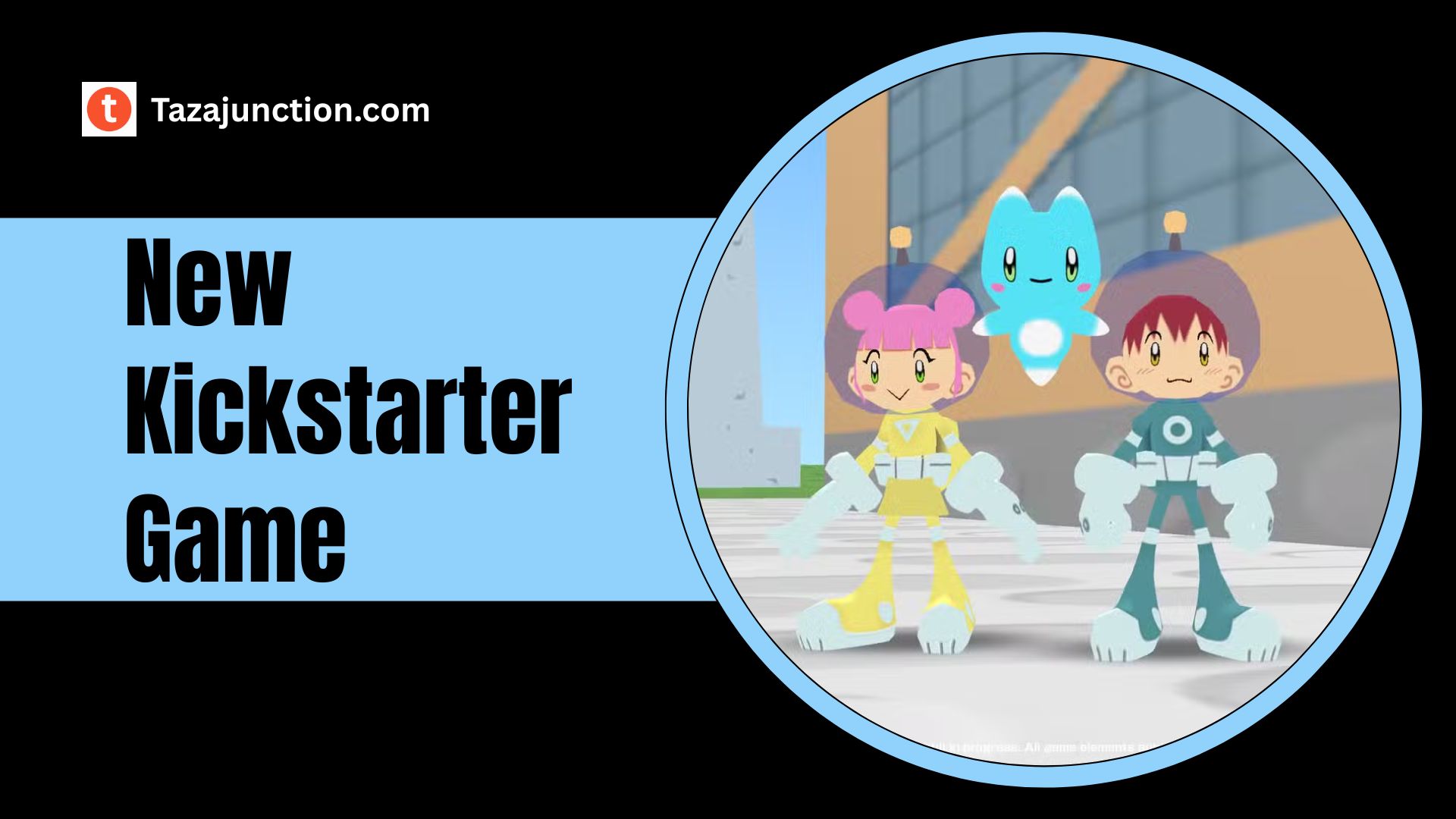
The new Kickstarter game taps into that same emotional loop. It offers a standalone experience where “creature collecting meets sim exploration,” a promise that got fans buzzing the instant it appeared on crowdfunding platforms.


Game Mechanics & Features That Enchant
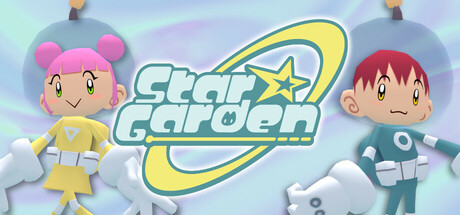
image 25

Developer Game Garage has outlined a feature-rich vision for the new Kickstarter game—features that go far beyond a simple clone:

  • Creature Hatching & Evolution: Players can hatch and raise magical critters in a lush, dreamy world, watching them grow and evolve in response to care, environment, and interactions.
  • Collect, Race, and Battle: Much like the Chao races, Star Garden will allow players to train their creatures for friendly local or online competitions, blending pet simulation with light competitive play.
  • Single-Player and Multiplayer Support: Explore and nurture alone, or engage in cooperative gameplay and head-to-head creature competitions with up to six friends in multiplayer mode.
  • Dreamy, Early-2000s Aesthetic: With charming visuals and pastel-infused environments, the game evokes nostalgic vibes that feel both retro and refreshingly modern.

These features show that the new Kickstarter game isn’t just capitalizing on nostalgia—it’s thoughtfully expanding upon it.


Crowdfunding Success and Stretch Goals

Early support for the new Kickstarter game has been nothing short of explosive. Within days of launching, it surpassed its $40,000 funding goal, unlocking stretch goals like expanded islands, bonus creature designs, and even music from some of the most beloved game composers.

That enthusiastic response highlights how hungry fans are for a true Chao Garden successor—one that’s been missing from gaming culture for over two decades.


Community Energy and Enthusiastic Backers

On forums and social media, Sonic fans are lighting up with excitement over the new Kickstarter game. One passionate commenter declared: “This looks like the Chao Garden game I’ve been dreaming about!” Another simply typed, “Gimme that Chao Garden energy.”

Developers have leaned into that excitement, actively gathering feedback from backers to help shape the world, creature designs, and mini-events. This kind of community-driven development can transform good ideas into great ones—and it’s rare to see that collaborative spirit so front and center.


Riding the Creature Sim Trend

Star Garden isn’t alone in tapping into the sim-creature genre’s cozy appeal. Titles like Bobo Bay—another upcoming indie—similarly channel Chao Garden in gameplay and aesthetic, offering players a plethora of creatures to collect, customize, race, and nurture.

Between Star Garden and its peers, a clear micro-genre is emerging: indie creature sims with nurturing loops, customization depth, and enough heart to rival the best cozy games. And it’s all being made for fans who grew up longing for that Chao Garden content to return.


Staying Unique in a Crowded Field

Despite comparisons, the new Kickstarter game is carving its identity. Instead of replicating Chao mechanics precisely, developer Game Garage is introducing unique creature lore, new habitats, and surprises that differentiate it from all others.

The design philosophy seems rooted in this balance: honor the past while inviting fresh creativity. Unlike fan-made throwbacks, this project is built from the ground up as a standalone experience—one with its own world, personality, and mechanics.


Indie Challenges and Why This Matters

Making a game is never easy. For a new Kickstarter game, the pressure multiplies: meet backer expectations, nail nostalgia while forging new territory, and deliver on features in a timely way—all on a tight indie budget.

Yet demand is high, and the funding is rolling in. For fans of Chao Garden, this may finally be the moment when that unique blend of creature simulation and charm makes a triumphant comeback.

How the team navigates development pacing, community feedback, and platform integration (PC now, Switch later?) will define whether Star Garden captures hearts—or fades into generic indie acreage.


A Digital Garden for a New Generation

What the new Kickstarter game represents isn’t just pet-sim fun—it’s a revival of a formula that many fans consider a missing link in gaming history. It’s the kind of nurturing-focused gameplay that gives players emotional stakes, creative freedom, and every-play-rewards that still burn bright in memory.

If successful, this project could become a landmark example of how nostalgia can inspire entirely new games—hand-crafted, deeply personal, and waiting to grow in players’ lives.


In Summary

A new Kickstarter game is turning heads—and hearts—with its enchanting promise of Chao Garden–inspired creature care, collectible challenges, and an art style that blends Y2K charm with modern indie polish.

With strong community support and ambitious design goals, Star Garden may just become the spiritual successor we’ve been waiting for all these years.

For fans, it’s more than just a fundraising campaign—it’s hope reborn for a genre that’s been dormant for too long. And if executed well, this new Kickstarter game might just become a cult classic on its own.
Dragon Age: Origins Remaster Still Missing — BioWare Exec Reveals Why It Never Happened

dragon age: origins remaster

It’s a question that’s echoed across forums, social media, and RPG fan communities for over a decade: Why has there never been a Dragon Age: Origins remaster? As beloved franchises like Mass Effect and The Last of Us receive definitive editions, remakes, or full graphical overhauls, fans of Dragon Age: Origins are still waiting.

Released in 2009, Dragon Age: Origins was a landmark moment for western RPGs. It brought deep role-playing mechanics, branching narrative paths, and a rich dark fantasy setting to players hungry for complexity and consequence.

But while its story and characters remain timeless, its graphics, UI, and gameplay systems have not aged gracefully. Calls for a Dragon Age: Origins remaster have only grown louder over the years.

Recently, a former BioWare executive finally addressed the topic in detail, shedding light on past efforts, technical roadblocks, and why a remaster may never become reality.


A Classic That Deserves Modern Treatment

For many RPG fans, Dragon Age: Origins stands as a masterpiece of the genre. It introduced the world to Ferelden, the Grey Wardens, and moral choices with real consequences. From origin stories that shaped your character’s place in the world to decisions that changed the fate of entire regions, it was ambitious, raw, and deeply immersive.

Yet despite all that acclaim, Origins has aged. Compared to modern RPGs, its visuals are outdated, its controls feel stiff, and its UI is clunky by today’s standards. That’s why fans continue to campaign for a proper Dragon Age: Origins remaster—something that brings the same experience to a modern audience without losing what made it special.


What BioWare Has Said in the Past?

BioWare has remained relatively quiet on the topic of an Origins remaster. Over the years, several developers have acknowledged fan interest but avoided confirming whether it was ever in active development.

In a recent interview, a former executive producer at BioWare, who worked on the Dragon Age series for years, revealed that a Dragon Age: Origins remaster was, at one point, seriously considered. However, multiple factors—including time, cost, and engine limitations—ultimately caused the studio to shelve the idea.


Technical Limitations of the Original Engine

image 23

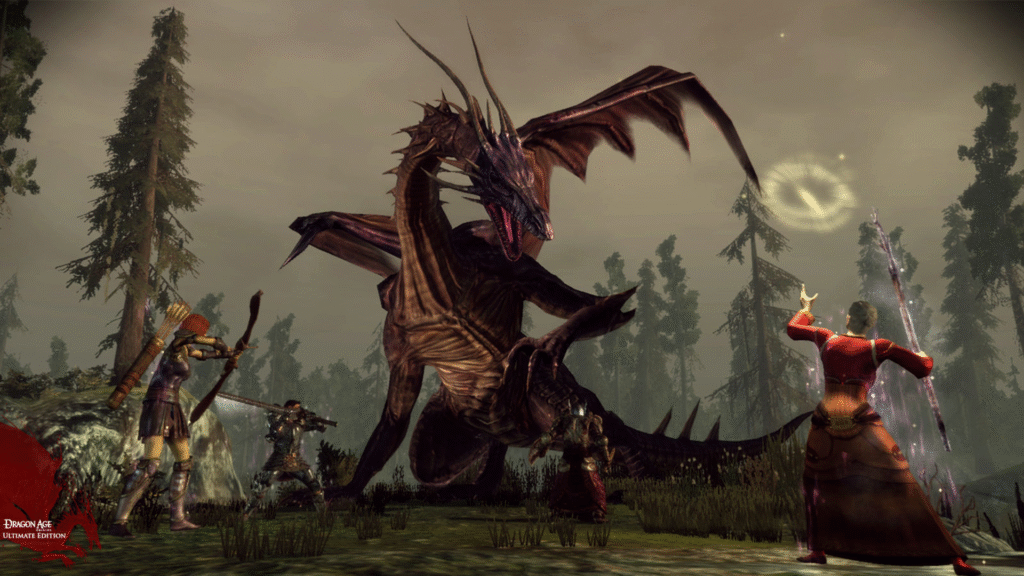
One of the biggest hurdles for a Dragon Age: Origins remaster is the game’s foundation. Origins was built using the Eclipse Engine, a proprietary BioWare system that predates the Frostbite engine used in newer titles like Dragon Age: Inquisition and Mass Effect: Andromeda.

According to the former exec, “The way Origins was built makes it extremely hard to scale up visually or make compatible with modern hardware without redoing vast amounts of code. We’re talking about rebuilding almost every system from scratch.”

That means a remaster wouldn’t just be a facelift. It would require extensive rebuilding—everything from animation pipelines to UI elements to combat mechanics might have to be reconstructed or reprogrammed entirely. Essentially, it’s not far off from developing a new game.


The Cost-Benefit Problem

Another major reason a Dragon Age: Origins remaster never materialized is the simple business reality: cost versus reward.

Remasters and remakes require teams, budgets, and timelines. While a Mass Effect Legendary Edition made commercial sense due to the trilogy’s unified engine and cohesive fanbase, Origins stands alone on a dated platform. A single-game remaster with a high development cost and uncertain return presents a financial risk.

BioWare and EA would have to pull resources from other projects—like Dragon Age: Dreadwolf—to support a remaster. With development already stretched thin across multiple franchises, decision-makers likely concluded it wasn’t the best use of time or money.


A Shift in Company Priorities

When Dragon Age: Origins released, BioWare was a very different studio. The company was known for complex RPGs with deep writing and systems-heavy gameplay. Over time, however, the studio shifted toward action-focused storytelling, especially under publisher EA’s influence.

This shift became evident with Dragon Age II and even more so with Inquisition, which balanced open-world design with accessibility. According to the former exec, “There was a perception internally that Origins was ‘too old school’ for today’s market. That made pushing for a remaster harder.”

The demand for a Dragon Age: Origins remaster may have existed, but convincing leadership to greenlight such a project—especially one that leaned into legacy design choices—was a constant uphill battle.


Modding Community and Fan Projects

Interestingly, the only reason Dragon Age: Origins has remained playable and somewhat modernized is due to the modding community. Fans have kept the game alive by improving textures, tweaking combat, and refining UI elements. While these modifications can’t substitute for a full remaster, they demonstrate the ongoing passion for the game.

Some fan-led projects have even attempted full overhauls or unofficial “remaster” mods, but their reach and quality remain limited due to legal restrictions and resource constraints. Still, the continued popularity of these mods shows that demand for a proper Dragon Age: Origins remaster is far from fading.


BioWare’s Current Focus: Dragon Age: Dreadwolf

While fans wait and hope, BioWare is focused entirely on the upcoming Dragon Age: Dreadwolf. Positioned as the fourth major entry in the series, Dreadwolf aims to move the franchise forward with new characters, an updated combat system, and fresh lore expansions.

Given the size of the team and the complexity of the project, BioWare likely won’t revisit Origins anytime soon. All eyes are on the success of Dreadwolf—a game the studio needs to deliver on after recent stumbles like Anthem and mixed reception to Andromeda.

A successful Dreadwolf could spark new interest in the franchise’s roots. But for now, a Dragon Age: Origins remaster remains on the sidelines.


What Fans Want: More Than Just Graphics?

It’s worth noting that fans don’t simply want prettier textures or 4K resolution. What they’re asking for is a remaster that respects the tone, complexity, and scope of the original game while updating it for modern systems.

That means:

  • Bug fixes and optimization for modern hardware
  • Improved inventory and UI systems
  • Better control schemes for consoles
  • Revamped combat animations and AI
  • High-resolution textures and models

A full Dragon Age: Origins remaster would allow new players to experience the definitive version of a game that shaped modern RPG design. It’s about preservation just as much as innovation.


Final Thoughts: Will It Ever Happen?

So, will we ever get the Dragon Age: Origins remaster that fans crave? As of now, the outlook remains uncertain. Technical limitations, budget priorities, and shifting studio focus all stand in the way.

But if there’s one thing clear from both developer comments and community demand, it’s this: Origins still matters. It left a permanent mark on RPG storytelling and player agency. And even though it’s aging, it remains deeply relevant.

Perhaps after Dreadwolf launches, and if BioWare regains its footing, the studio may revisit the roots of the series. A remaster—done right—could not only preserve a classic but also reignite the passion of a community that never stopped believing in Ferelden, the Grey Wardens, and the original Dragon Age.

Until then, the dream of a Dragon Age: Origins remaster lives on—in mods, in memories, and in the hearts of RPG lovers everywhere.

Indiana Jones and the Great Circle Triumphs After Last-Minute Changes and Fan Praise

indiana jones and the great circle

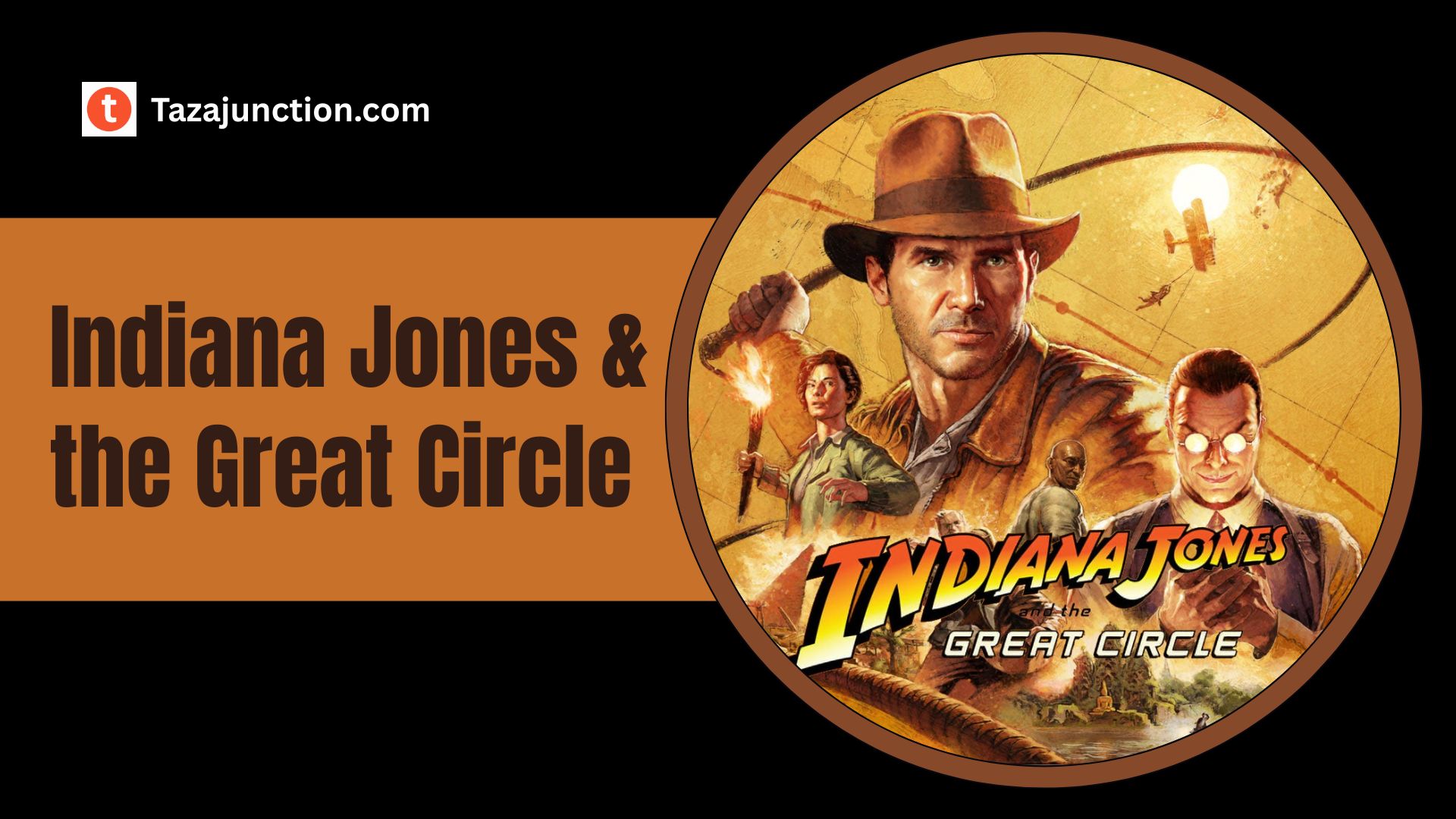
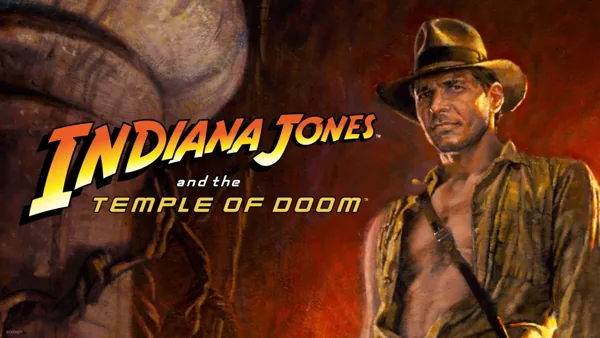
The whip cracked. The hat tilted. And with a thunderous soundtrack and heart-pounding adventure, Indiana Jones and the Great Circle swung into the spotlight. Yet what many fans and critics didn’t know was just how close this game came to facing disaster.

Behind the scenes, Indiana Jones and the Great Circle underwent several significant last-minute changes—some structural, others mechanical—that could have easily derailed its success. But instead, these bold moves only sharpened its focus.

Now hailed as a surprise triumph by both players and reviewers, the game’s rocky development journey has become part of its legend.

Let’s take a deep with TazaJunction.com dive into how Indiana Jones and the Great Circle turned creative turbulence into an unforgettable gaming experience.


A Legacy to Live Up To

When Indiana Jones and the Great Circle was first announced, expectations were sky-high. After all, this wasn’t just another movie tie-in or spin-off—it was a bold new step in a franchise that spans decades of film history, pop culture influence, and fan devotion.

The game, developed by MachineGames (known for their work on the Wolfenstein series), aimed to capture the magic of classic Indy adventures while reintroducing the character to a modern audience.

Tasked with balancing old-school treasure-hunting thrills and contemporary gameplay design, the developers had a monumental challenge ahead.


The Premise of the Game

Set between the events of Raiders of the Lost Ark and The Last Crusade, Indiana Jones and the Great Circle drops players into a race against time and shadowy forces to uncover a mysterious global pattern—the “Great Circle.” This ancient enigma links ancient ruins, civilizations, and cosmic alignments, with Indy at the center of it all.

Combining archaeological puzzles, daring combat, and globe-trotting exploration, the game promised the perfect mix of intellectual challenge and cinematic action. But building that formula wasn’t easy.


The Last-Minute Shakeups

image 22

Insiders familiar with the development of Indiana Jones and the Great Circle revealed that the project underwent sweeping changes just months before its final gold build.

1. Revamping the Combat System

One of the most drastic changes was a complete overhaul of the melee combat mechanics. Early playtests reportedly flagged the whip-based system as “clunky” and “unreliable,” making combat sequences frustrating rather than fun.

The developers made the risky decision to tear down and rebuild the combat core, integrating a more fluid whip system, dodging mechanics, and cinematic finishers. The result was a smoother, more dynamic combat flow that allowed players to feel truly empowered without losing that classic Indy improvisational spirit.

2. Rewriting Key Story Elements

Narrative structure also came under scrutiny late in the process. Feedback suggested that the initial plot arc was too convoluted and took too long to get going. In response, MachineGames reshuffled the pacing, cut filler sequences, and added an emotional thread involving a young archaeologist who idolizes Indy.

These revisions added heart to the story while clarifying the stakes, ensuring Indiana Jones and the Great Circle told a tight, engaging tale from start to finish.

3. Improving Puzzle Integration

Another major point of criticism in early testing was the puzzle design. While puzzles are essential in any Indiana Jones game, they initially felt disjointed and too easy. The team reworked several of the core temples to make the puzzles more challenging, immersive, and contextually meaningful.

These changes helped enhance the feeling of discovery, making players feel like real archaeologists uncovering secrets—not just solving minigames.


Critical Acclaim: A Risk That Paid Off

When Indiana Jones and the Great Circle finally released, it was clear that the last-minute changes had made all the difference. Critics praised the game’s balance of adventure, puzzle-solving, and narrative strength, while players were drawn in by its authenticity and reverence for the source material.

Gaming outlets described it as “a masterclass in adapting a cinematic legend” and “the best Indiana Jones game ever made.” Even more impressive, the game’s whip mechanics—once a major pain point—were now hailed as one of its most innovative and fun features.

Despite the turbulent road to release, Indiana Jones and the Great Circle delivered exactly what fans hoped for: a game that captures the essence of Indiana Jones, while standing tall on its own as a compelling adventure experience.


A Win for Character-Driven Storytelling

One of the standout elements of Indiana Jones and the Great Circle is its character-driven approach. The developers didn’t just rely on nostalgia or fan service—they fleshed out Indy’s motivations, struggles, and relationships in meaningful ways.

We see a more human side of the character—one that’s older, a bit more cynical, but still driven by an unshakable belief in history’s importance. The new supporting cast, especially the enthusiastic young archaeologist mentioned earlier, adds depth and contrast, helping players connect emotionally with the journey.

This character focus also grounded the game’s globe-trotting adventure in a relatable emotional arc, giving the narrative weight that many action games lack.


Traversal and Exploration: Pure Indy

Beyond combat and story, Indiana Jones and the Great Circle shines in its traversal design. Using climbing, platforming, and clever environmental puzzles, players are constantly pushed to think and move like Indy himself.

Each location—from sun-bleached ruins in the Sahara to icy tombs in the Himalayas—is designed with verticality and secret paths, making exploration a constant thrill. The whip isn’t just for combat—it doubles as a traversal tool, allowing players to swing across chasms, pull levers, and reveal hidden areas.

This seamless integration of tools, environment, and storytelling reinforces the fantasy of being Indiana Jones in a way no previous game fully achieved.


Fan Reception: Passion Rewarded

Perhaps most importantly, Indiana Jones and the Great Circle was embraced warmly by the very community it sought to serve. Long-time fans lauded its attention to detail, its callbacks to the original films, and its willingness to show Indy as a flawed hero still doing his best in a changing world.

Online discussions are filled with clips of dramatic whip swings, clever puzzle solutions, and heartfelt moments from the story. Fan art, cosplay, and deep-dive lore threads have exploded across social platforms, signaling that Indiana Jones and the Great Circle has become more than just a game—it’s a revival of a beloved icon.


What’s Next for the Franchise?

With the success of Indiana Jones and the Great Circle, speculation is already swirling about what comes next. Will there be a sequel? A spin-off? A deeper dive into new mythologies?

While MachineGames hasn’t made any official announcements, they’ve hinted at the possibility of continuing the story if the demand is there. Given the commercial and critical success, the door seems wide open.

One thing’s for certain: the whip is back, and so is Indiana Jones.


Final Thoughts

The road to greatness is rarely smooth, and Indiana Jones and the Great Circle is proof of that. From major gameplay overhauls to structural rewrites and last-minute creative decisions, this game risked a lot to stay true to its vision. But in doing so, it delivered something special—a game that honors the past while boldly embracing the future.

By listening to feedback, making tough calls, and putting faith in character and craft, the developers whipped up a storm—and came out on top.

For fans of action-adventure, archaeology, or just plain great storytelling, Indiana Jones and the Great Circle isn’t just worth playing. It’s an experience that will stay with you long after the credits roll.

Dawn of War Definitive Edition Restores Iconic Space Marine Scream After Fan Backlash

dawn of war definitive edition

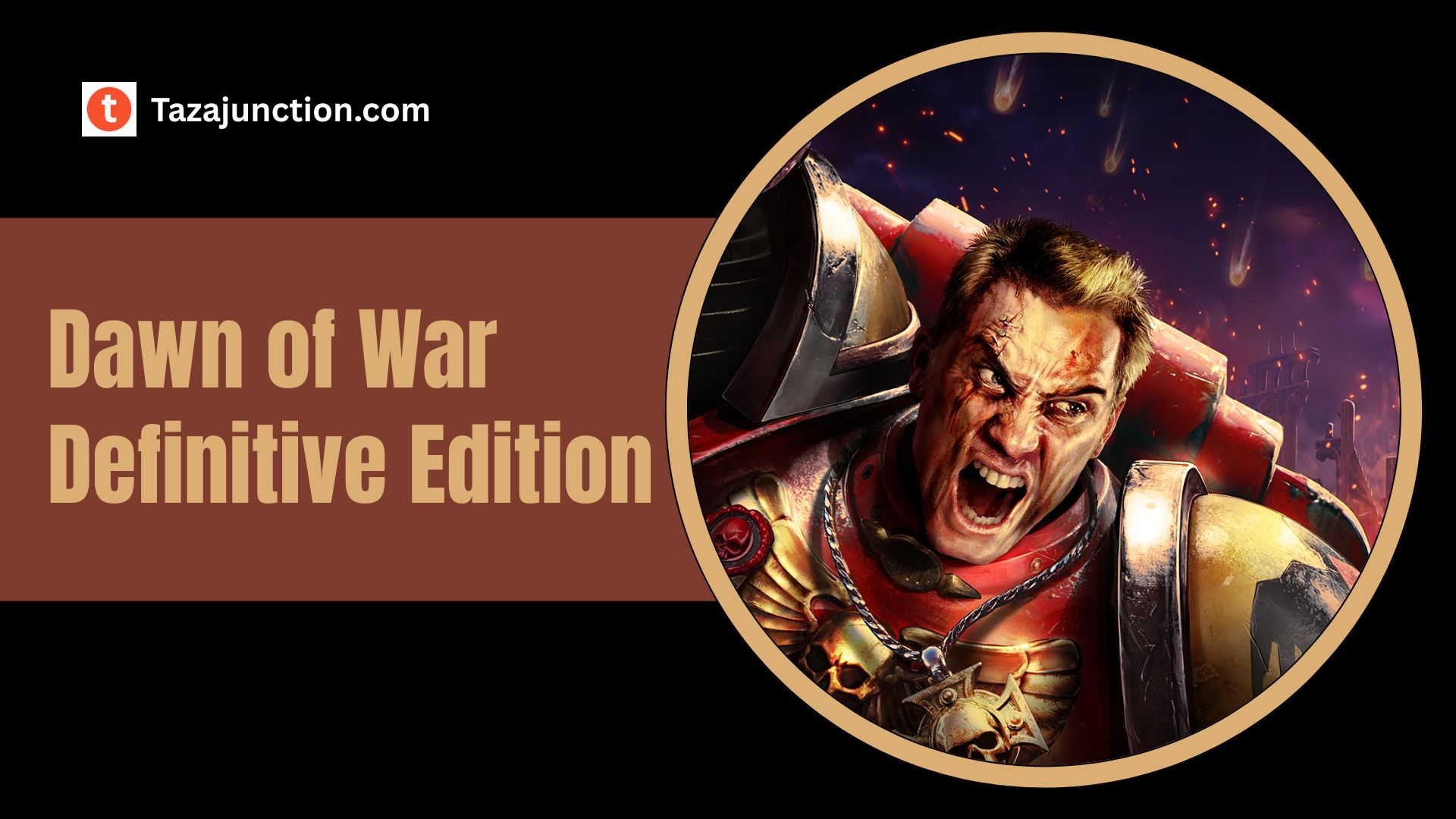
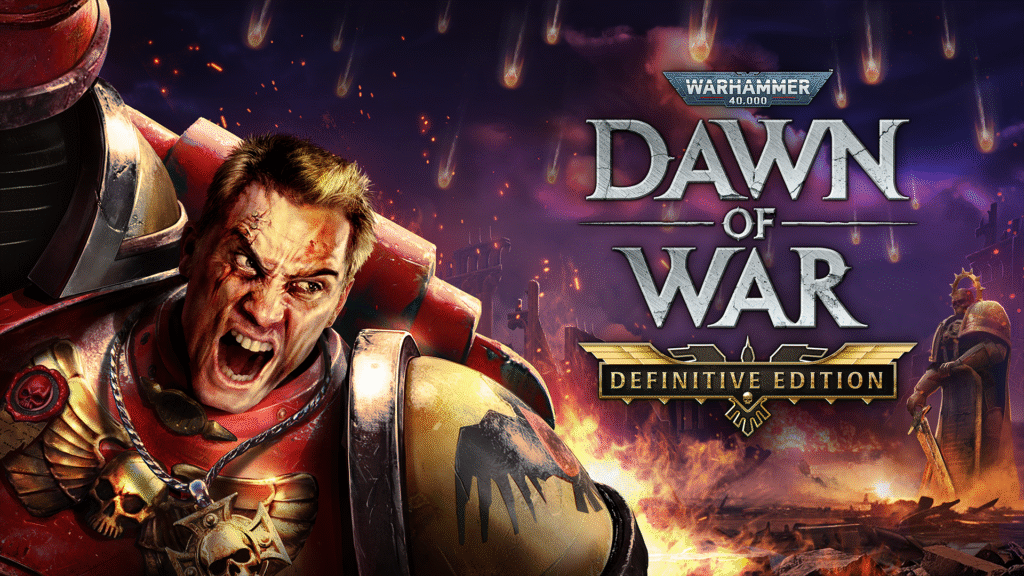
In a move that has delighted long-time fans of the legendary Warhammer 40,000 franchise, the developers of the upcoming Dawn of War Definitive Edition have restored the iconic Space Marine scream to its rightful place in the game’s intro cinematic.

The decision comes after widespread backlash from the community, who noticed the omission in an earlier version of the trailer. The scream—just a single, raw, guttural moment in an otherwise intense sequence—has become one of the most recognizable sound bites in strategy gaming history.

Its removal sparked a wave of passionate feedback from loyal players who felt that the soul of the game was being quietly erased.

Now, with the scream reinserted and the trailer re-released, the developers are making it clear: they’re listening. Let’s explore with TazaJunction.com.


A Cinematic That Defined a Generation

The original Dawn of War, released in 2004, opened with a jaw-dropping cinematic that perfectly captured the brutal, chaotic essence of the Warhammer 40K universe.

It was loud, bloody, and unforgettable—especially that moment when a Space Marine, charging into battle, lets out a bone-chilling scream before clashing with a monstrous Ork.

For many fans, that scream wasn’t just a sound effect—it was a statement. It symbolized everything about the Dawn of War series: its gritty tone, its larger-than-life battles, and its unflinching portrayal of endless war.

So when the Dawn of War Definitive Edition trailer dropped earlier this year—polished, remastered, and reimagined—but without that scream, fans noticed. And they weren’t happy.


The Fan Outcry

The Dawn of War Definitive Edition had already been riding high on anticipation. Promised as the ultimate version of the game that would include enhanced graphics, updated mechanics, mod support, and a respectful treatment of its legacy, it seemed like a dream come true for strategy and Warhammer fans alike.

But eagle-eyed viewers of the trailer immediately flagged the missing scream, posting side-by-side comparisons and timestamps across Reddit, Twitter, and fan forums. Memes, angry threads, and even petitions followed.

“This isn’t just about a scream,” one long-time player posted. “It’s about preserving the legacy of one of the greatest RTS games of all time. You don’t remove the Wilhelm scream from Star Wars. You don’t take this out of Dawn of War.”

It wasn’t long before the controversy gained momentum. Game journalists picked up the story, YouTubers dissected the trailer, and the developers found themselves facing a very unexpected kind of crisis—one born not from bugs or delays, but from the erasure of a single, iconic moment.


Developer Response: Listening to the Community

image 21

To their credit, the developers behind the Dawn of War Definitive Edition responded quickly and directly. Within a week of the backlash, they released a statement acknowledging the feedback:

“We’ve heard you loud and clear. The original intro cinematic is a beloved part of Dawn of War’s legacy, and we want to respect that fully. The Space Marine scream has been restored in the updated version of the trailer, and will be present in the final release.”

Shortly after, a new version of the trailer was posted—this time with the scream intact. It was a small moment, but to many fans, it spoke volumes about the developers’ commitment to authenticity and to the community.


Why This Moment Mattered?

To an outsider, the uproar might seem excessive. Why all the fuss over one scream in a nearly 20-year-old trailer?

But for fans of the Dawn of War series, it’s about more than just nostalgia. The Dawn of War Definitive Edition represents a chance to bring a beloved classic to a new generation. And in doing so, the expectation is clear: preserve what made it great.

That scream is part of the game’s identity. It’s raw, human, terrifying—and it set the emotional tone for everything that followed. Its removal, even unintentionally, felt like a sanitization of something that was always meant to be gritty and unfiltered.

By restoring it, the developers have shown that they understand what the game means to its audience. They’re not just upgrading textures or tweaking mechanics—they’re preserving a piece of gaming history.


What Else to Expect from Dawn of War Definitive Edition?

Beyond the cinematic, the Dawn of War Definitive Edition promises a lot for both old fans and newcomers to get excited about.

1. Visual Enhancements

The game is receiving a full graphical overhaul, including reworked textures, improved lighting, and 4K support. Models have been slightly updated while maintaining the original art style, ensuring the game looks modern without losing its soul.

2. Full Campaign and Expansions

The Definitive Edition will include all original content from Dawn of War, plus its three major expansions: Winter Assault, Dark Crusade, and Soulstorm. All campaigns, races, and game modes will be available in a single package.

3. Modern Online Features

Multiplayer is getting a major facelift with improved matchmaking, dedicated servers, and anti-cheat measures. The developers have confirmed that ranked and casual modes will be supported at launch.

4. Mod Support

One of the defining features of the original Dawn of War community was its thriving mod scene. The Dawn of War Definitive Edition will come with enhanced modding tools and full Steam Workshop support.


A Revival Done Right?

With the scream restored and the community placated, many fans are now optimistic that the Dawn of War Definitive Edition will be more than just a remaster—it could be a true revival.

Unlike many remasters that cut corners or overhaul too much, this version appears to walk the fine line between enhancement and preservation. It modernizes the game where necessary, but keeps the tone, story, and identity intact.

It’s a sign that the developers are paying attention not just to technical improvements, but to the emotional DNA of the game. And in an era where so many remakes and reboots miss the mark, that’s no small feat.


Final Thoughts

The return of the Space Marine scream in the Dawn of War Definitive Edition may seem like a small victory, but in the world of gaming, these details matter. They connect players to their memories, to the emotions they felt when they first heard it, and to the identity of a game that helped define a genre.

More importantly, it shows that developers are listening—not just to numbers or market trends, but to the voices of the fans who kept this game alive for two decades.

With the release of the Dawn of War Definitive Edition on the horizon, the community now looks forward with cautious optimism. If the scream is any indication, this remaster might just be everything fans have hoped for—and more.

GTA 6 Release Date Confirmed for May 2026: Everything You Need to Know

gta 6 release date

After years of speculation, rumors, and fan-made trailers, Rockstar Games has finally broken its silence—the GTA 6 release date is officially set for May 2026. This announcement has electrified the gaming world, ending years of waiting with one definitive date that fans can now circle on their calendars.

The reveal comes after a long development cycle filled with leaks, cryptic teasers, and growing anticipation. With the official GTA 6 release date now confirmed with GTA 6 pricing, fans and analysts alike are diving into what this means for Rockstar, the Grand Theft Auto franchise, and the future of open-world gaming.

In this TazaJunction.com article, we’ll cover everything we know about GTA 6 so far, what to expect leading up to May 2026, and why this game could redefine the next generation of gaming.


A Timeline of Anticipation

It’s hard to believe, but Grand Theft Auto V was released all the way back in 2013. Since then, Rockstar Games has kept fans busy with GTA Online and Red Dead Redemption 2, but murmurs of a GTA 6 sequel have persisted for nearly a decade.

While Rockstar confirmed in 2022 that development on the next installment was “well underway,” it wasn’t until now that we got a definitive GTA 6 release date. The announcement came through a formal press release from Rockstar’s parent company, Take-Two Interactive, which listed May 2026 as the global launch window.

This marks a major shift from previous Rockstar launches, many of which were kept under wraps until the last minute. This time, the company appears more open and communicative—likely due to the massive scale of the game and the public’s growing demand for transparency.


Why May 2026?

Choosing May 2026 for the GTA 6 release date is strategic. Traditionally, Rockstar has launched its blockbuster titles in the fall to align with holiday shopping. But May offers some key advantages:

  1. Avoiding Holiday Congestion: Releasing in spring allows GTA 6 to dominate the spotlight without competing with dozens of other high-profile releases.
  2. More Time for Polish: A May launch suggests Rockstar wants to ensure the game meets its high-quality standards, especially after the crunch controversy surrounding Red Dead Redemption 2.
  3. Fiscal Year Planning: From a business standpoint, a May 2026 launch falls within Take-Two’s fiscal Q1, potentially boosting earnings reports and investor confidence.

Regardless of the reason, one thing is clear: Rockstar is taking its time to deliver what could be its most ambitious project yet.


What to Expect From GTA 6?

image 19

With the GTA 6 release date locked in, speculation has turned to what the game will actually deliver. While Rockstar has yet to fully unveil the gameplay, we do have several confirmed and highly credible details.

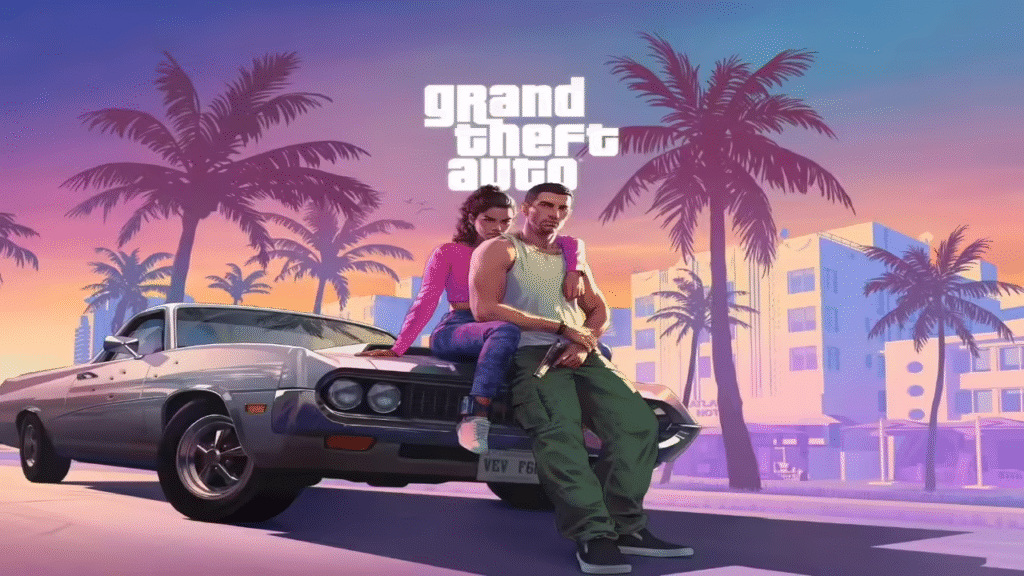
1. Setting: Vice City Returns

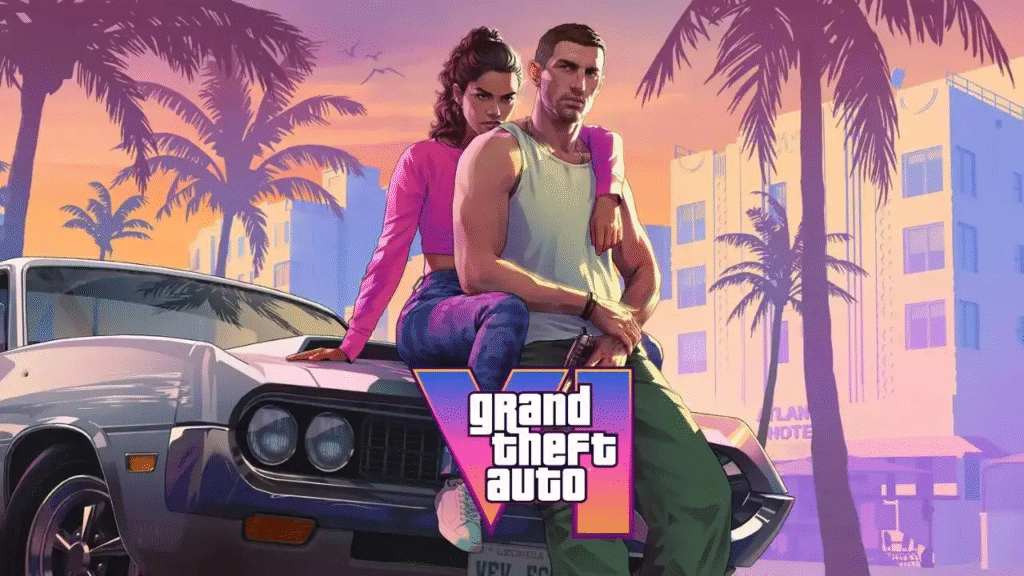
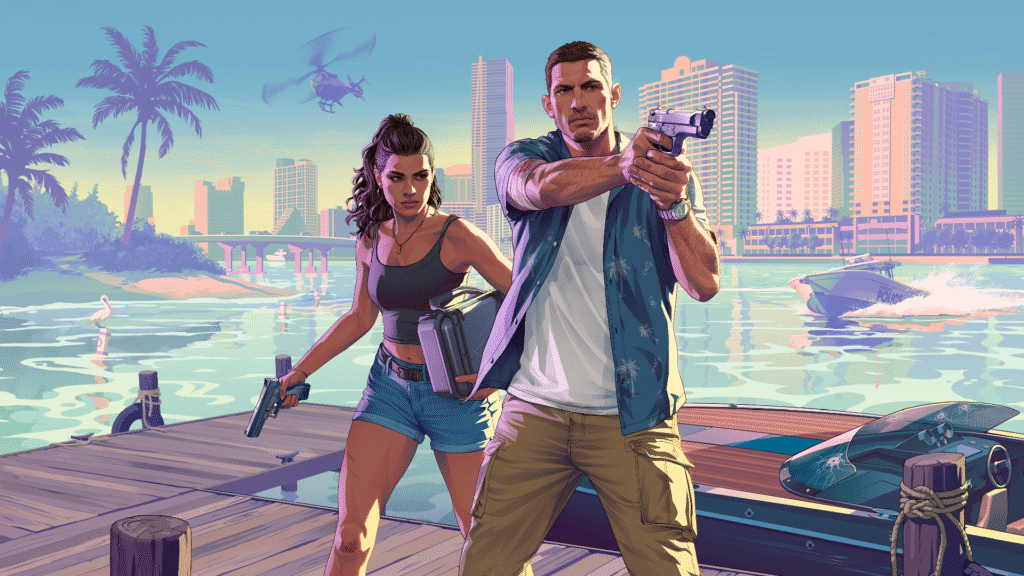
One of the most exciting pieces of confirmed information is that GTA 6 will take place in a modern-day reimagining of Vice City, Rockstar’s fictional take on Miami. This isn’t just a nostalgic throwback—the city is said to be larger, denser, and more interactive than anything we’ve seen before.

Expect neon-soaked skylines, sprawling suburbs, alligator-infested swamps, and a vibrant culture that draws inspiration from Florida’s chaotic energy.

2. Two Main Protagonists

For the first time, Rockstar will feature a female protagonist in a lead role alongside a male character, creating a dual narrative reminiscent of GTA V’s trio system. Players will switch between the two characters—rumored to be siblings involved in a criminal underworld—each with their own storyline, missions, and perspectives.

This dynamic could add emotional depth and complexity to the game’s narrative structure, something Rockstar has been gradually refining in its recent titles.

3. Dynamic World and AI

Sources close to development have hinted that GTA 6 will include a living, breathing world with advanced AI systems. Civilians will reportedly have daily routines, emotional responses, and memory systems that change based on player actions.

This kind of detail will push immersion to new heights, making Vice City feel more alive than any previous GTA location.

4. Online Integration

GTA Online has been a massive success, and Rockstar isn’t abandoning it anytime soon. However, the GTA 6 release date is expected to also mark the beginning of a new, evolved online world—potentially dubbed “GTA Online 2.”

This version will likely launch after the single-player campaign, offering a shared online space that’s more ambitious, stable, and integrated into the story than before.


Fan Reactions to the GTA 6 Release Date

As expected, the internet exploded with excitement after the May 2026 GTA 6 release date was announced. Social media trends spiked, with #GTA6 trending worldwide for days following the news.

Fans expressed everything from joy and relief to impatience and skepticism. Some were thrilled just to have a concrete date, while others questioned whether Rockstar could meet such a long-awaited deadline without further delays.

Still, the mood is overwhelmingly positive. Many gamers see the long wait as a sign that Rockstar is putting in the work to deliver something extraordinary, rather than rushing to meet market demand.


The Impact on the Industry

image 20

The GTA 6 release date doesn’t just affect Rockstar—it sends ripples across the entire gaming industry. Studios will likely plan their release schedules around it, either to avoid direct competition or to ride the wave of heightened player engagement.

Hardware manufacturers may also respond. Console sales could spike ahead of GTA 6’s launch, especially if the game takes advantage of current-gen power on platforms like the PlayStation 5 Pro or upgraded Xbox Series models.

In short, May 2026 won’t just be a big month for Rockstar—it could be one of the biggest moments in gaming history.


Could There Be Delays?

While Rockstar is known for quality, it’s also notorious for delays. Red Dead Redemption 2, for example, was delayed multiple times before launching in 2018.

So, even with the GTA 6 release date confirmed for May 2026, some fans remain cautiously optimistic. Given the complexity of the game and Rockstar’s high standards, there’s always a chance of a pushback—especially if unforeseen technical or logistical challenges arise.

However, the fact that Rockstar chose to reveal the date so far in advance suggests they are confident in their current timeline.


What Should Players Do Now?

With the GTA 6 release date still nearly a year and a half away, what can players do in the meantime?

  • Replay GTA V or Red Dead Redemption 2 to appreciate the evolution of Rockstar’s storytelling.
  • Explore mods and custom servers on PC for fresh GTA Online experiences.
  • Follow Rockstar’s official channels for developer updates, teasers, and trailers that will likely drop in the coming months.
  • Get your hardware ready, as GTA 6 is expected to push current-gen consoles and PCs to their limits.

Final Thoughts

The confirmation of the GTA 6 release date marks a turning point in modern gaming. After years of mystery and anticipation, fans finally have a date to look forward to—and Rockstar has a global audience ready to dive into whatever they’ve been crafting in silence.

With a return to Vice City, dual protagonists, and next-gen gameplay mechanics, GTA 6 is shaping up to be more than just a sequel—it’s a reinvention of everything the Grand Theft Auto series stands for.

So mark your calendar: May 2026. The streets of Vice City await.

Peak Content Update Brings New Biome, Gear System, and Dynamic Weather

peak content update

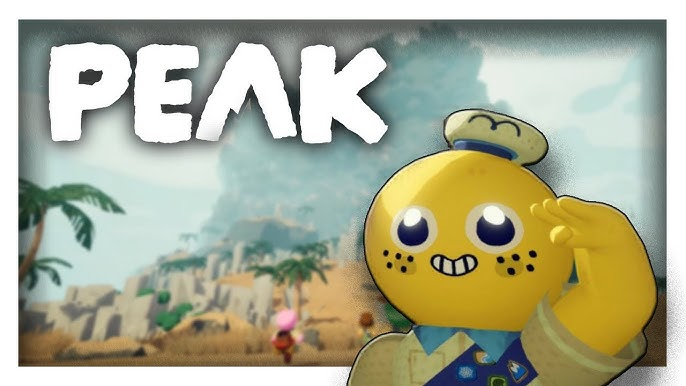
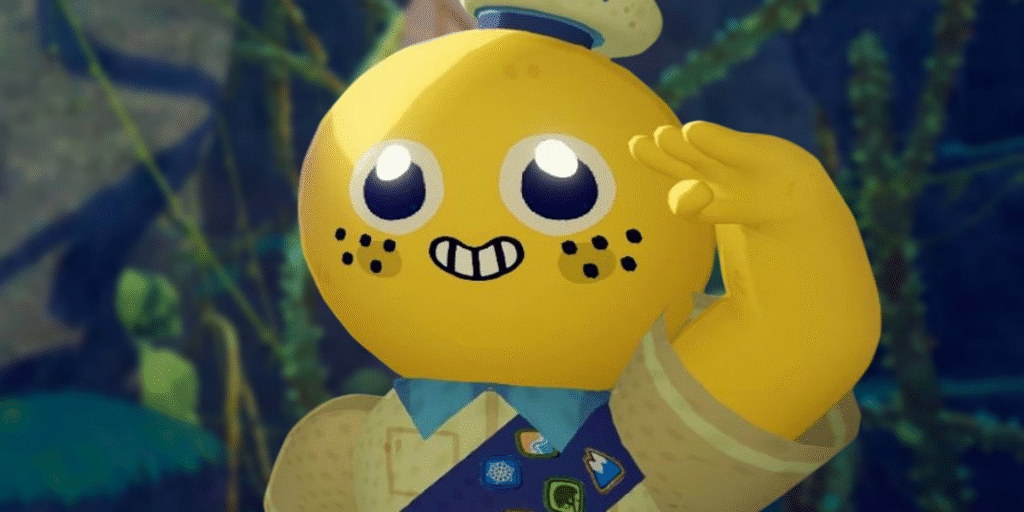
The multiplayer gaming world has a new sensation—and it’s climbing to even greater heights. The indie co-op hit Peak took players by storm earlier this year with its refreshing gameplay loop, atmospheric design, and focus on teamwork over chaos.

Now, the developers have announced the game’s highly anticipated first major Peak content update, and the community is buzzing with excitement.

What started as a surprise viral success has quickly grown into a full-fledged community experience. With this latest announcement, it’s clear that the developers aren’t just riding the wave—they’re building something much bigger.

Here’s a detailed TazaJunction.com breakdown of what the Peak content update brings, why it matters, and what it signals for the future of the game.


A Quick Recap: Why Peak Became a Viral Hit?

image 18

Before diving into the update, it’s worth understanding how Peak became one of the most talked-about co-op games of the year.

Launched quietly on Steam and later picked up by streamers and content creators, Peak is a cooperative exploration game that places players in the shoes of mountaineers working together to scale treacherous, procedurally generated peaks.

Its blend of environmental challenges, weather effects, and reliance on player coordination struck a chord in a gaming landscape dominated by high-octane shooters and solo adventures.

The game’s calming visuals, meditative pace, and organic teamwork mechanics created a word-of-mouth sensation. Within weeks, social media was flooded with player clips, hilarious team fails, and heartwarming success stories. Now, with the Peak content update, the game is entering its next chapter.


What’s in the Peak Content Update?

The first major Peak content update isn’t just a patch—it’s a game-changer. Developers at North Ridge Games have packed the update with fresh content, improvements, and features that expand gameplay without sacrificing the game’s minimalist charm.

1. New Biome: The Frozen Labyrinth

The highlight of the Peak content update is a brand-new biome: The Frozen Labyrinth. This ice-covered, low-visibility region introduces new traversal challenges, maze-like cliff structures, and slippery surfaces. It demands a higher level of coordination and planning, turning every ascent into a tense puzzle.

Players will need to use new tools like ice picks and thermal beacons to navigate the labyrinth, adding a strategic layer to each climb.

2. Expanded Gear System

Previously, equipment in Peak was simple and functional. The new update introduces a more complex gear system, allowing players to customize their loadouts with specialized items. Think grappling hooks, avalanche radars, wind sails, and even morale-boosting music players.

Each item has its pros and cons, encouraging teams to assign roles more intentionally and work together more efficiently.

3. Dynamic Weather Events

One of the most requested features has arrived: dynamic weather. In the Peak content update, players will now face snowstorms, blizzards, and unpredictable wind shifts that can change a climb in an instant.

Weather is procedurally generated, meaning no two sessions will feel the same. Teams will need to adapt in real time, or risk losing their footing—literally and figuratively.

4. Base Camp Hub

The update introduces a new persistent base camp area where players can prepare before each expedition. Here, they can customize gear, study biome maps, access leaderboards, and socialize with other climbers.

The base camp gives Peak a sense of progression and community between climbs, which was a missing piece in the original release.


Player Reactions to the Announcement

The response to the Peak content update announcement has been overwhelmingly positive. On forums and social media, players are praising the devs for listening to community feedback and expanding the game in meaningful ways without losing its core identity.

Many fans have noted that the new biome and weather systems add replayability, while the gear system opens the door to team strategy. Others are excited about the social potential of the new base camp hub.

Early testers in the closed preview have already begun sharing clips of harrowing blizzard escapes, team-saving grapples, and emotional summit victories—evidence that Peak still has plenty of moments that make it unforgettable.


What This Update Says About the Developers?

image 17

The success of Peak could have easily led to complacency, but the Peak content update proves that the team at North Ridge Games is in it for the long haul.

Instead of rushing a sequel or bloating the game with trendy mechanics, the developers have stayed true to the original vision while deepening the experience. The update reflects a thoughtful balance between challenge and calm, innovation and simplicity.

This approach is a refreshing change from the aggressive monetization or live-service fatigue often seen in today’s gaming industry.

Moreover, the devs have made it clear in their announcement that this is just the beginning. The Peak content update lays the foundation for more frequent seasonal content, community events, and long-term player engagement.


New Opportunities for Co-Op Gaming

The rise of Peak and its successful content update show a growing demand for co-op experiences that prioritize emotional connection, subtle gameplay, and player cooperation. Instead of competition and chaos, games like Peak are carving out space for quiet teamwork and shared goals.

This update reinforces the value of that niche and suggests that developers don’t always need massive worlds or complex combat systems to create meaningful multiplayer experiences.

The Peak content update also brings accessibility improvements and better onboarding for new players—lowering the barrier for friends to join in, regardless of skill level.


Community and Modding Support

Another highlight teased alongside the update is early modding support. While still in its infancy, the development team has opened the door to community-created peaks, weather types, and even new biomes.

The potential for player-driven creativity could be a game-changer in itself. It aligns with Peak’s organic, player-first philosophy and ensures the game can evolve beyond the dev team’s vision.

North Ridge Games has even begun recruiting community testers to shape future updates, solidifying a symbiotic relationship between developers and players.


What’s Next After the Peak Content Update?

While the Peak content update is the game’s first major step forward, it’s far from the last. The developers have outlined a roadmap that includes:

  • Seasonal events with time-limited biomes
  • Narrative expeditions with light storytelling
  • Competitive speed-climb challenges
  • Controller support and console versions
  • A photo mode and journal feature for memory keeping

Each planned feature aims to expand the game while preserving its minimalist soul. That’s no easy task, but if this update is any indication, the developers are more than up to the challenge.


Final Thoughts

The Peak content update marks an important moment not just for the game itself, but for co-op gaming in general. In a landscape where multiplayer often means PvP chaos or survival stress, Peak dares to offer something calmer, more collaborative, and emotionally resonant.

This update builds on that vision with smart, player-driven improvements that enhance the experience without overwhelming it.

From new biomes and gear systems to dynamic weather and social hubs, Peak is shaping up to be more than a one-hit wonder—it’s becoming a blueprint for the future of co-op exploration games.

If you and your friends haven’t climbed into Peak yet, there’s never been a better time. The mountain just got taller—and so did the rewards.

Tencent Horizon Copy Altered After Sony Lawsuit Forces Major Game Changes

tencent horizon copy

The video game industry has seen its fair share of legal battles over the years, but few stir as much controversy as the case of Tencent’s alleged clone of Sony’s acclaimed Horizon franchise.

Dubbed by fans and critics as the Tencent Horizon copy, the project came under fire for bearing a striking resemblance to Horizon Zero Dawn, a flagship PlayStation title developed by Guerrilla Games.

Following a formal lawsuit filed by Sony Interactive Entertainment, Tencent has now begun to make notable changes to the game in question.

These developments have reignited conversations around intellectual property, creative boundaries, and the fine line between inspiration and imitation in the world of game development.


The Origins of the Controversy

The controversy began when early footage and promotional materials from Tencent’s in-development open-world action RPG surfaced online.

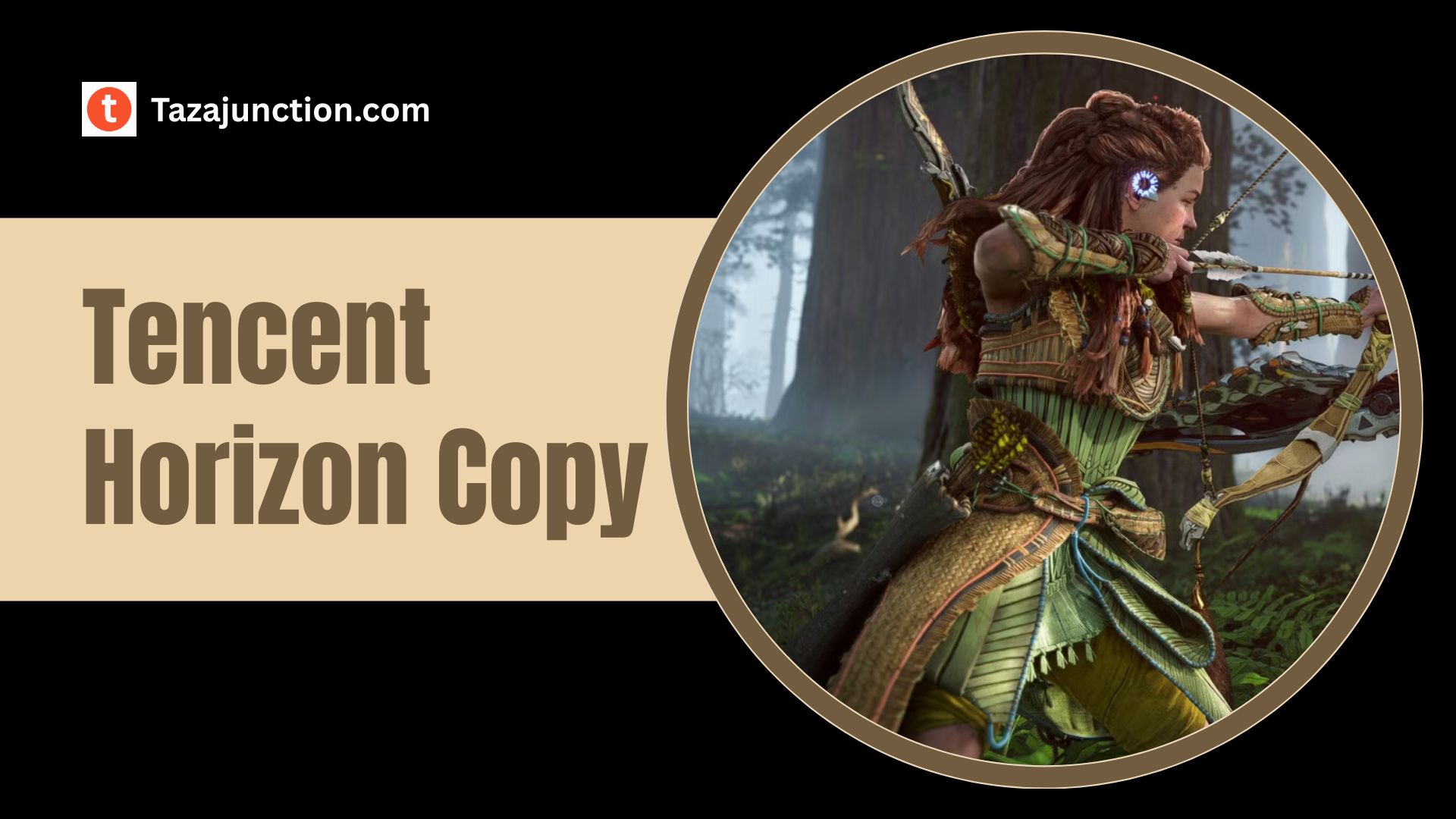
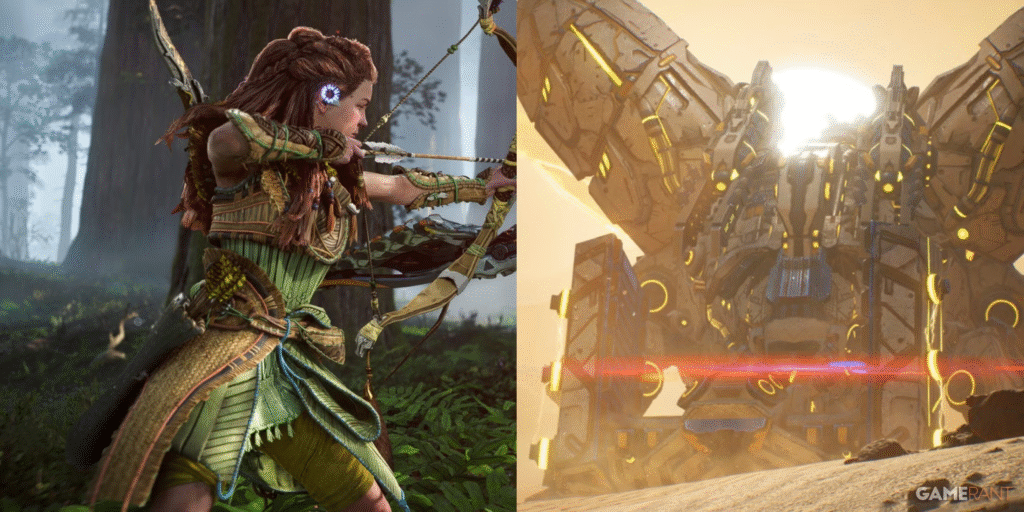
Gamers quickly noticed glaring similarities to Horizon Zero Dawn, from the lush post-apocalyptic environments to the towering mechanical creatures and even character designs reminiscent of Aloy, the protagonist of the Horizon series.

Almost immediately, the project was labeled the Tencent Horizon copy by critics and online commentators. The comparisons weren’t subtle, and discussions exploded on forums and social media platforms.

Many questioned whether Tencent had gone too far in borrowing ideas from one of Sony’s most recognizable intellectual properties.

The backlash eventually led to Sony taking legal action, citing concerns over copyright infringement, artistic theft, and potential damage to the Horizon brand.


What Sony’s Lawsuit Alleged?

Sony’s legal team wasted no time outlining their case. The lawsuit alleged that the Tencent Horizon copy not only borrowed heavily from the overall aesthetic and gameplay of Horizon Zero Dawn, but also appeared to replicate specific mechanics, enemy designs, and story elements.

According to sources familiar with the lawsuit, Sony’s position was clear: Tencent’s game was more than just inspired by Horizon—it was an unauthorized imitation that could confuse consumers and dilute the value of the original IP.

The complaint reportedly included side-by-side comparisons of characters, environments, and robotic creatures that left little room for doubt in the eyes of some analysts. Sony’s legal representatives called for immediate changes to the game or its full withdrawal from the market.


Tencent Responds to the Heat

Facing mounting pressure and the very real threat of prolonged legal proceedings, Tencent released a public statement acknowledging the issue—though carefully avoiding the term “copy.” The company emphasized its respect for intellectual property rights and stated it would evaluate elements of the game that may have unintentionally mirrored other titles.

Soon after, Tencent announced a series of adjustments to the game’s design, mechanics, and overall aesthetic to “better reflect the studio’s unique creative direction.”

This move was viewed as a direct response to the lawsuit and an attempt to salvage the project while avoiding prolonged legal entanglement. While some hailed Tencent’s decision to modify the Tencent Horizon copy as a responsible course correction, others saw it as a quiet admission of guilt.


What Changes Were Made?

image 16

The most recent update to the game reveals a host of visual and gameplay alterations that suggest Tencent is working diligently to distance itself from the Horizon brand.

1. Character Design Overhaul

The main character, who was previously described as a red-haired female archer exploring a nature-reclaimed future Earth, now sports a drastically different appearance. The updated design leans more into a sci-fi theme, with urban elements and tech-heavy outfits replacing the tribal aesthetic that Horizon is known for.

2. Enemy Redesign

Perhaps the most obvious change is the redesign of the game’s robotic enemies. The original versions shared uncanny similarities with Horizon’s iconic mechanical beasts. The new versions, while still robotic, have different movement styles, shapes, and combat behavior.

3. Environmental Updates

Early screenshots showed wide-open plains, mountain trails, and high-tech ruins—hallmarks of Horizon’s setting. The revised environments in the Tencent Horizon copy feature more alien landscapes, advanced architecture, and a darker color palette to create a more distinct visual tone.

4. Gameplay Mechanics

Tencent also hinted at changes to the core gameplay mechanics. While still an action RPG, the studio has added new traversal and combat systems, likely in an attempt to differentiate from Horizon’s bow-and-stealth based loop.


Industry Reactions

The game development community has had mixed reactions to the unfolding story of the Tencent Horizon copy. Some developers express sympathy toward Tencent, noting how many games borrow from one another in an industry built on iteration and evolution. After all, even Horizon was influenced by titles like The Witcher 3 and Far Cry.

Others, however, side firmly with Sony, stating that imitation at this scale crosses ethical and legal boundaries. Many feel that the original version of Tencent’s game did not merely draw inspiration, but replicated too many core components without offering a fresh creative vision.

Legal experts have also weighed in, suggesting that the case is a strong example of why intellectual property protections are critical in creative industries. The lawsuit, they say, could set a precedent for how far developers can go when referencing existing franchises.


Gamers Weigh In

Public opinion around the Tencent Horizon copy has been equally divided. Some players were initially excited about the game, calling it a “PC version of Horizon” or “Horizon with different tech.” However, after the controversy, many fans expressed disappointment, calling the project unoriginal and opportunistic.

Others defended the developers, especially the art and programming teams, arguing that they may not have had full control over the game’s direction or marketing. As the new version of the game rolls out, some gamers are giving it a second chance, evaluating it on its own merits rather than through the lens of its former controversy.


What This Means for the Industry

The saga of the Tencent Horizon copy serves as a cautionary tale for both developers and publishers. In an age where visual fidelity and gameplay mechanics are closely scrutinized by both legal teams and passionate communities, the line between inspiration and imitation must be carefully walked.

This case also highlights the increasing globalization of the video game industry. As Chinese gaming giants like Tencent expand their reach, they’ll face more intense scrutiny from Western developers and media—particularly when entering markets where IP enforcement is taken seriously.

For smaller studios, this is a wake-up call to prioritize originality and seek legal consultation early in the development process, especially when drawing from popular games.


Final Thoughts

The Tencent Horizon copy controversy is more than a headline—it’s a reflection of the growing pains of an industry grappling with how to balance creative inspiration, commercial ambition, and ethical responsibility.

While Tencent has taken steps to alter the game and avoid further legal action, the situation leaves lasting questions about how developers can innovate without infringing on the ideas of others. For gamers, it’s a reminder to value originality and to support studios that push boundaries while respecting the work of their peers.

As the reworked version of the game makes its way back into the spotlight, time will tell whether it can stand on its own or if its origins will continue to cast a shadow.

New Steam Game Backed by Former PlayStation Executive Gains Attention

new steam game

In an industry constantly flooded with flashy AAA titles and blockbuster releases, it’s rare for a single voice to shine a spotlight on a smaller, lesser-known gem and make the world take notice. But when that voice belongs to a former PlayStation executive, the gaming community listens.

Recently, a well-respected former PlayStation executive publicly praised a new Steam game, calling it “a refreshing reminder of what makes gaming magical.” That endorsement alone has gamers and critics alike scrambling to find out what makes this title so special.

In this TazaJunction.com article, we’ll unpack the story behind the praise, explore what makes the game stand out, and consider what this says about the evolving gaming landscape on PC and beyond.


The Power of an Industry Veteran’s Praise

When someone with deep experience in the gaming world—particularly someone who helped shape the trajectory of one of the most iconic gaming brands—sings the praises of a new Steam game, it’s more than a personal opinion. It often serves as a broader signal to the industry and players that something special is happening.

The former PlayStation executive in question has decades of experience in product strategy, game development, and platform leadership. Over the years, they’ve had a hand in championing several landmark PlayStation titles, so when they decide to publicly endorse an indie or new title on Steam, people notice.

This kind of spotlight doesn’t come often. And in a sea of thousands of new releases each year, it’s rare for any single game—especially one without the backing of a major publisher—to grab attention this way.


What Is the Game?

While the title of the new Steam game isn’t the focus of this piece, what’s more important is why this game is getting attention. According to the former executive, the game combines compelling storytelling, innovative gameplay mechanics, and a unique art style that sets it apart from the mainstream.

This isn’t another run-of-the-mill shooter or endless roguelike. It’s a thoughtfully designed experience that leans into the emotional depth and player agency often missing in modern releases. It’s also built with a clear respect for the player’s time and creativity, rather than simply chasing engagement metrics.

The executive noted how the game “takes risks that big publishers often avoid,” highlighting a willingness to subvert genre expectations and create something truly fresh.


Steam: A Hub for Innovation

image 14

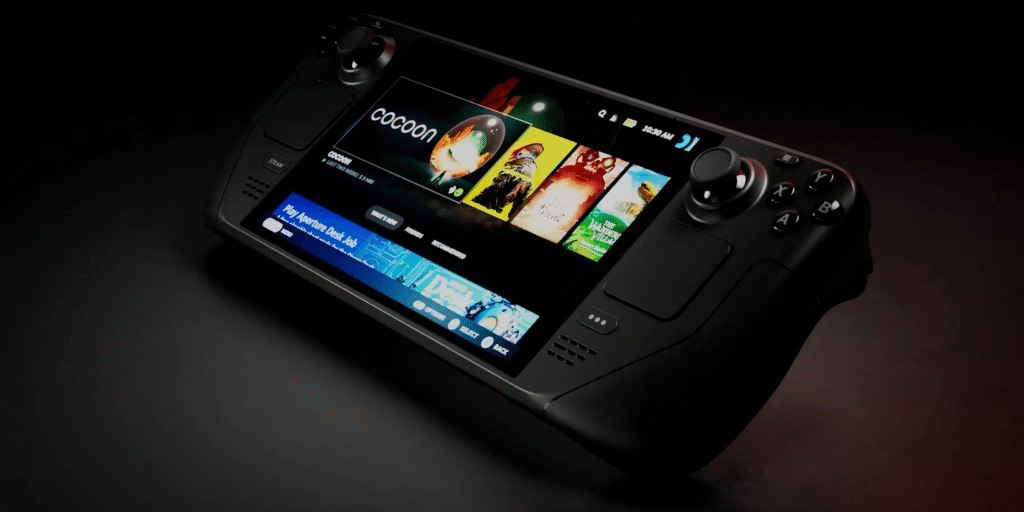
The attention around this new Steam game also reignites the conversation around why Steam continues to be such a vital platform for game discovery. While consoles like PlayStation and Xbox tend to focus on marquee releases, Steam’s open ecosystem allows for a broader range of ideas and creators to shine.

Steam gives smaller developers access to a global audience without the intense gatekeeping of console marketplaces. This freedom often leads to the emergence of innovative gameplay mechanics, experimental narratives, and artistic expression that larger studios might avoid due to financial risk.

The former PlayStation executive’s endorsement serves as a reminder that greatness doesn’t always come with a million-dollar marketing budget. Sometimes, it comes from a few passionate developers with a clear vision and the freedom to build without compromise.


What Sets This New Steam Game Apart?

So what exactly makes this new Steam game worth your time? According to early players and developers in the know, there are a few key standout features:

1. A Unique Gameplay Loop

The game breaks away from traditional formulas, offering players a refreshing mechanic that evolves throughout the experience. It avoids the repetitive grind often found in big-budget titles and instead focuses on meaningful progression.

2. Immersive Storytelling

While many modern games rely heavily on spectacle, this title uses subtle storytelling, environmental cues, and character development to pull players in. It respects the player’s intelligence and lets them discover its world organically.

3. Artistic Identity

Visually, the game leans into an art style that’s both distinctive and emotionally resonant. It doesn’t try to mimic realism but instead crafts a visual world that enhances its themes and gameplay.

4. Player-Driven Choices

Player agency is central. Every choice feels impactful, not just cosmetically, but in how the story and world unfold. This gives the game excellent replayability and encourages exploration of different paths.


Indie Games Are Gaining New Champions

The former executive’s praise isn’t just about one new Steam game—it’s part of a larger shift happening in the gaming world. As the industry matures, more veterans are stepping away from corporate roles and using their voices to highlight the creativity of smaller teams.

Their endorsement helps push against the narrative that only AAA games are worth your time or money. Instead, they remind the community that some of the most powerful gaming experiences come from passion projects created by small teams with bold ideas.

This moment is also a call to action for gamers: to be more open-minded, to explore beyond the top-sellers list, and to support the creators who are trying something different.


Community Response and Rising Popularity

Since the former PlayStation executive shared their thoughts, the new Steam game has seen a noticeable uptick in visibility. Social media chatter is growing, content creators are taking notice, and players are beginning to share their own discoveries and experiences.

The game has even started climbing the charts on Steam, despite launching without a massive marketing push. This kind of grassroots momentum—fueled by genuine excitement rather than hype—is a rare and powerful thing in today’s market.

Many players report being pleasantly surprised, calling the game “a breath of fresh air” and “exactly what I needed after so many big-budget letdowns.” That kind of sentiment speaks volumes.


What This Means for the Future of Game Discovery?

This spotlight on a new Steam game reminds us that innovation still thrives, even in an industry dominated by sequels, live services, and monetization models. It also highlights the critical role of trusted voices—whether from veterans, creators, or critics—in helping players discover experiences they might otherwise overlook.

More than that, it signals a growing hunger within the community for games that break the mold. As gamers become more discerning, there’s a clear demand for titles that offer emotional depth, creative risks, and player-first design.

Platforms like Steam will continue to play a crucial role in this shift, providing the infrastructure for indie games to flourish and find their audiences. And as more industry veterans lend their voices to support these projects, we may see even greater crossover between mainstream and indie gaming cultures.


Final Thoughts

In an age where flashy marketing campaigns and sequel fatigue dominate the gaming conversation, the genuine endorsement of a new Steam game by a former PlayStation executive cuts through the noise.

It’s a reminder that some of the best gaming experiences come from unexpected places—and that creativity, passion, and innovation still matter.

Whether you’re a lifelong PlayStation fan or a PC gaming enthusiast, this story highlights something universal: the power of games to surprise, to move, and to inspire us. If one game can get a veteran of the industry this excited, maybe it’s time we all paid attention.

So next time you’re scrolling through Steam’s endless catalog, looking for something new—remember, the next great experience might not have a million-dollar trailer. But it just might have something better: heart.

Dragon Age: Origins Remaster Was Almost Real, Reveals Former BioWare Executive

dragon age: origins

For over a decade, fans of BioWare’s iconic RPG have passionately revisited its rich world, intricate choices, and memorable characters. Dragon Age: Origins, released in 2009, remains one of the most beloved Western role-playing games of all time.

But what many fans didn’t know—until now—is that the game was nearly brought back to life in modern form. A recent revelation from a former BioWare executive producer has confirmed that a Dragon Age: Origins remaster was seriously considered, and at one point, almost happened.

Let’s dive with TazaJunction.com into what was revealed, why it never came to light, and what this means for the future of the Dragon Age franchise.


A Hidden Chapter in BioWare’s History

The news came from Mark Darrah, a longtime veteran of BioWare who played a key role in the development of the Dragon Age series. During a recent discussion with fans and media, Darrah disclosed that a Dragon Age: Origins remaster was on the table at one point, and had even reached early planning stages.

According to Darrah, the project wasn’t just wishful thinking—it had genuine momentum. Conversations were being held internally, and a development roadmap was loosely outlined.

The idea was to revisit Origins with modern visuals, improved UI, and quality-of-life enhancements, while staying true to the core design that fans loved. However, as is often the case in game development, the remaster was shelved before it could take off.


Why Dragon Age: Origins Still Matters?

To understand the buzz surrounding this potential Dragon Age: Origins remaster, it’s important to remember what made the game so impactful in the first place.

Released at a time when RPGs were transitioning into more action-focused experiences, Origins stayed true to its roots: party-based combat, strategic planning, and meaningful player choices.

It allowed players to pick from multiple origin stories, each affecting the way the world reacted to them. The mature storytelling, moral complexity, and sprawling lore helped establish Dragon Age as one of BioWare’s flagship franchises.

While subsequent titles (Dragon Age II, Inquisition) expanded the world and gameplay mechanics, many still consider Origins the franchise’s high point. That enduring legacy is a big part of why the idea of a Dragon Age: Origins remaster resonates so strongly with fans.


What the Remaster Could Have Included?

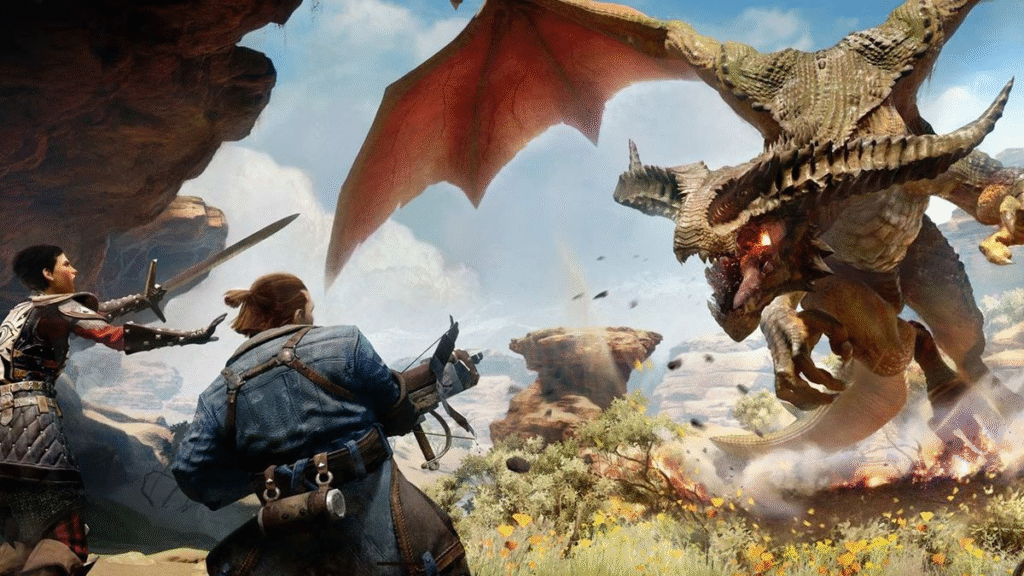
image 10

Although Darrah didn’t provide exhaustive details about what the remaster might have looked like, he hinted at some key improvements that were discussed during its early consideration.

1. Visual Overhaul

Dragon Age: Origins was praised for its atmosphere and world-building, but even at the time of release, it wasn’t considered a visual powerhouse. A remaster would likely have upgraded textures, lighting, character models, and environments to meet today’s standards—similar to what we’ve seen with remasters like Mass Effect: Legendary Edition.

2. UI and Inventory Improvements

One of the most consistent criticisms of Origins was its clunky UI and complicated inventory system. The remaster would have refined these elements, making them more intuitive and accessible without sacrificing depth.

3. Combat Refinement

While strategic, the original combat sometimes felt stiff. A Dragon Age: Origins remaster may have brought smoother animations, streamlined skill trees, and improved AI to make party management more rewarding.

4. Quality of Life Features

Modern conveniences like auto-saving, customizable difficulty, better quest tracking, and controller support would have made Origins more enjoyable for new and returning players alike.


Why the Remaster Didn’t Happen?

The question on everyone’s mind is obvious: If there was so much potential and internal interest, why was the Dragon Age: Origins remaster canceled?

Darrah pointed to limited resources and shifting priorities as the key reasons. BioWare was (and still is) working on the next entry in the series, Dragon Age: Dreadwolf, a massive undertaking that demands full attention. With limited bandwidth and a finite development budget, choices had to be made.

From a business perspective, investing in the future of the franchise likely took precedence over revisiting its past—especially with the pressure to deliver a new mainline game after several delays and mixed reception to Anthem and Mass Effect: Andromeda.

In addition, technical challenges likely played a role. Dragon Age: Origins was built on an older engine, and bringing it up to modern standards could have required far more effort than anticipated.


What This Means for Fans?

The news that a Dragon Age: Origins remaster almost existed is bittersweet. On one hand, it validates what fans have been asking for. On the other, it confirms that the remaster is not currently in development, and may never be.

Still, Darrah’s comments leave the door slightly open. He didn’t rule out the idea entirely—just acknowledged that the timing wasn’t right. That means a remaster could still happen someday, especially if Dreadwolf performs well and rekindles interest in the franchise’s early days.

For now, fans can revisit the original through digital platforms, but they’ll have to do so without the enhancements a remaster would have provided.


The Bigger Picture: RPGs and Remasters

The potential Dragon Age: Origins remaster fits into a broader trend in the gaming industry. In recent years, remasters and remakes have become major pillars for publishers. Titles like Final Fantasy VII Remake, Resident Evil 4 Remake, and Mass Effect: Legendary Edition have shown that there’s both a market and a hunger for revisiting iconic titles.

Remasters serve two key purposes: they bring classic experiences to new audiences and allow developers to correct past limitations with modern technology. In the case of Dragon Age: Origins, both reasons would have made the project worthwhile.

The emotional connection players have with their original Grey Warden, the decisions they made, and the allies they lost along the way—these are memories worth preserving and refreshing.


Could Modding Fill the Gap?

image 11

Interestingly, the absence of a Dragon Age: Origins remaster hasn’t stopped the community from trying to modernize the game themselves. Modding communities have released high-resolution texture packs, gameplay tweaks, and UI improvements to bring Origins closer to current expectations.

While these mods don’t fully replace a professionally remastered version, they’re a testament to the passion the community still holds for the game. In fact, BioWare’s decision not to pursue a remaster might drive even more innovation within the modding scene.


Looking Ahead: Dragon Age’s Future

While fans may mourn the missed opportunity for a Dragon Age: Origins remaster, the franchise is far from dormant. Dragon Age: Dreadwolf is deep in development, and BioWare has promised a return to the franchise’s darker roots, along with new storytelling innovations.

If Dreadwolf succeeds, it could create renewed interest in the full saga—perhaps even convincing BioWare and EA to revisit Origins down the line. A remaster could serve as a bridge between the original trilogy and new chapters, introducing new players to where it all began.


Final Thoughts

The revelation that a Dragon Age: Origins remaster was once in consideration is both exciting and frustrating for fans. It confirms what many already believed—that the game deserves a fresh spotlight—and shows that even within BioWare, there was a desire to give the classic RPG a modern revival.

Though the remaster may be on pause, the legacy of Origins continues to grow. Whether you played it in 2009 or are just discovering it now, the game remains a landmark in story-driven RPG design.

And who knows? With enough fan demand and a successful future for the franchise, the remaster dream might one day become reality.

Take-Two CEO on GTA 6 Pricing: “Our Goal Is to Deliver More Value Than What We Charge”

gta 6 pricing

As anticipation for Grand Theft Auto VI (GTA 6) continues to build across the global gaming community, new comments from Take-Two Interactive’s CEO, Strauss Zelnick, have reignited discussion—this time about GTA 6 pricing.

In a recent interview, Zelnick addressed fan speculation and concerns regarding how much the next installment in the iconic franchise might cost. His statement was clear: “Our goal is to deliver more value than what we charge.”

While this may sound like standard corporate messaging, there’s a lot to unpack here—especially when considering how the industry has evolved in recent years, both in terms of game content and cost.

Let’s dive into what this could mean for consumers, the company, and the future of AAA gaming with TazaJunction.com.


The Hype Around GTA 6

Before we dive into GTA 6 pricing, it’s important to understand the context. GTA 6 is, without a doubt, one of the most highly anticipated video games of all time. Its predecessor, GTA V, has sold over 185 million copies worldwide and continues to generate revenue through its online component over a decade since its release.

Rockstar Games, the studio behind the franchise, has built a reputation for creating expansive, immersive open-world games that push boundaries.

With leaks, teasers, and official announcements fueling the excitement, GTA 6 already has a monumental task ahead: to exceed impossibly high expectations.

Naturally, that pressure extends beyond gameplay—it also touches on GTA 6 pricing and how players perceive value in today’s premium game market.

As gaming continues to evolve beyond traditional living room setups, Microsoft seems ready to offer a portable experience that brings the full power of Xbox handheld console on the go.


Why Pricing Matters More Than Ever?

In previous generations, most AAA video games launched with a standard $59.99 price tag. However, the past few years have seen that baseline shift. Many publishers now list flagship titles at $69.99, citing increased development costs, longer production cycles, and higher expectations from players.

With GTA 6 being one of the most expensive games ever produced—reportedly costing hundreds of millions of dollars to develop and market—it stands to reason that its pricing model would reflect that investment. And yet, Zelnick’s comment suggests a more nuanced approach.

Rather than simply justifying a higher cost, the CEO emphasized value, stating that the company’s pricing strategy is built around delivering more to players than they pay for.

That means Rockstar and Take-Two are positioning GTA 6 pricing not just as a cost, but as a long-term value proposition.


What “More Value Than What We Charge” Really Means?

When Strauss Zelnick says the company aims to deliver “more value than what we charge,” he’s touching on a critical idea: perceived value.

For players, value is not just about the number on the box. It’s about how much content, gameplay, enjoyment, and replayability they get in return. In the case of GTA V, many players have spent hundreds—even thousands—of hours exploring Los Santos, participating in heists, and building empires in GTA Online.

If GTA 6 offers an even richer experience—with multiple cities, new gameplay mechanics, a vast story, and regular online updates—then a higher price point could feel more justified. This is especially true if Rockstar plans to support the game long-term with fresh content and community features.

Zelnick’s statement implies that GTA 6 pricing will be carefully considered in relation to its scale and the entertainment hours it promises to deliver.


Could GTA 6 Cost More Than $70?

image 9

One of the major questions floating around the gaming world is whether GTA 6 pricing could break the $70 ceiling. It’s a valid concern.

Games like collector’s editions or deluxe bundles already stretch far beyond the standard price, sometimes reaching $100 or more. Could Rockstar be planning to introduce a base game at $80 or even $100?

While nothing has been confirmed, it’s unlikely that Take-Two will deviate significantly from industry norms for the base edition. A jump to $80 could spark consumer backlash, even for a game as beloved as GTA. However, we can almost certainly expect tiered pricing models, including:

  • Standard Edition ($69.99)
  • Deluxe Edition ($89.99–$99.99)
  • Collector’s or Ultimate Edition ($119.99+)

These premium editions will likely include in-game bonuses, early access, exclusive cosmetics, or currency for GTA Online. The company has used these strategies in previous launches, and it aligns with their approach to delivering optional value without forcing all consumers to pay more.


Subscription Models and GTA 6

Another dimension to consider in the GTA 6 pricing conversation is subscription services. Microsoft’s Game Pass and Sony’s PlayStation Plus have shifted how gamers access content. There is a growing expectation that even new AAA titles could appear on day one within these ecosystems.

However, Take-Two has historically avoided launching major titles on such platforms at release. The CEO has previously stated that doing so would not make economic sense for massive games that can sell tens of millions of copies at full price.

So while GTA 6 could eventually appear on subscription platforms, don’t expect it to be part of launch plans. This decision would ensure full-value sales initially and preserve the pricing model that supports Rockstar’s investment.


Microtransactions and Ongoing Monetization

A critical part of modern game economics, especially with titles that have a strong online component, is ongoing monetization through microtransactions. GTA Online has been a major revenue stream for Take-Two thanks to in-game currency purchases.

If GTA 6 includes a robust online world—as expected—it will likely offer optional microtransactions. This raises the question: will the company subsidize GTA 6 pricing at launch with the expectation of long-term earnings from its online ecosystem?

It’s possible, but again, Zelnick’s emphasis on “value” suggests a desire to maintain trust with players. While microtransactions are likely, they will probably be optional and not interfere with the core experience, similar to how GTA V handled its online economy.


Fan Expectations and Fair Pricing

Gamers today are more informed and vocal than ever. If a publisher tries to exploit pricing or introduces unfair monetization, it rarely goes unnoticed. That’s why Zelnick’s comments are not just PR—they’re setting expectations.

Fans will expect GTA 6 pricing to reflect the size, quality, and ambition of the game. If the content truly backs it up, they may be willing to accept a higher price. But anything that feels like cutting content to sell later, or pay-to-win features, could damage Rockstar’s reputation.

So far, Rockstar’s track record suggests they understand this balance. The studio tends to release complete, content-rich games and support them for years. As such, most fans are cautiously optimistic that GTA 6 will deliver the value Zelnick promises.


The Bigger Picture: Industry Implications

Whatever Take-Two decides regarding GTA 6 pricing, it will likely influence the broader industry. GTA is not just a game—it’s a cultural phenomenon. Its pricing structure could set a precedent for how future high-budget releases are marketed and sold.

If GTA 6 includes flexible options—such as regional pricing, payment plans, or bundled offers—it could usher in a more consumer-friendly era of game pricing. On the other hand, if it sets a new premium standard, other publishers may feel emboldened to raise their own prices.

This makes Take-Two’s decisions crucial—not just for their own business, but for the entire gaming economy.


Final Thoughts

Take-Two’s CEO Strauss Zelnick has made one thing clear: GTA 6 pricing will be rooted in delivering more value than the cost players pay. This signals confidence in the product, respect for the audience, and awareness of the changing dynamics in gaming.

While the exact price remains unknown, one thing is certain—GTA 6 is shaping up to be more than just a sequel. It’s an evolution. And if Rockstar can deliver the kind of deep, expansive, and satisfying experience fans are hoping for, then whatever price they set may very well feel worth it.

Until then, fans can only wait—and save up—for what might be the most ambitious entry in gaming history.