
Vivo X200 FE 5G and X Fold 5 in India: Prices, Specs, and Highlights

Vivo X200 FE 5G and X Fold 5

New Delhi, July 14, 2025 — Vivo has officially launched two premium smartphones in India: the Vivo X200 FE 5G, a compact flagship with powerful internals, and the Vivo X Fold 5, the brand’s latest foldable device featuring cutting-edge technology.

With these launches, Vivo aims to strengthen its position in both the mainstream flagship and foldable segments of the Indian smartphone market.


Vivo X200 FE 5G: Flagship Power in a Compact Body

image 9

The Vivo X200 FE 5G (Fashion Edition) is designed for users who prefer a compact smartphone without compromising on performance or camera quality.

Design and Display

  • The vivo X200 FE 5G features a 6.31-inch LTPO AMOLED display with a 1.5K resolution, 120Hz refresh rate, and up to 5000 nits peak brightness.
  • The device supports HDR10+, has 2160Hz PWM dimming for eye comfort, and is protected with durable glass on the front.
  • Its body is crafted from aerospace-grade aluminum and measures just 8mm in thickness, making it slim and pocket-friendly. It also carries IP68 and IP69 ratings for water and dust resistance.

Performance and Hardware

  • Under the hood, the vivo X200 FE 5G is powered by the MediaTek Dimensity 9300+ processor, built on the 4nm architecture, and paired with the Immortalis-G720 GPU.
  • It is available in two configurations:
    • 12GB RAM + 256GB storage
    • 16GB RAM + 512GB storage
  • The phone runs on Android 15 with Funtouch OS 15, offering a smooth and fluid user experience.

Battery and Charging

  • Vivo has equipped the device with a massive 6500mAh battery, which is among the highest in its category.
  • It supports 90W fast charging, capable of delivering several hours of usage with just a few minutes of charging.

Camera System

  • The vivo X200 FE 5G houses a triple rear camera setup, co-engineered with Zeiss:
    • 50MP main sensor (Sony IMX921) with OIS
    • 50MP periscope telephoto lens with 3x optical zoom
    • 8MP ultra-wide-angle sensor
  • On the front, there’s a 50MP selfie camera with autofocus and support for 4K video recording.
  • The camera app includes AI-enhanced modes such as Image Expander, Magic Move, Reflection Eraser, and Four Seasons Portrait.

Connectivity and Additional Features

  • The device supports 5G SA/NSA, Wi-Fi 7, Bluetooth 5.4, NFC, and dual GPS (L1+L5).
  • It features Hi-Res stereo speakers, an in-display fingerprint sensor, and extended software support of 4 years for major updates and 5 years of security patches.

Pricing and Availability

  • 12GB + 256GB: ₹54,999
  • 16GB + 512GB: ₹59,999
  • Pre-orders are open, with open sales starting from July 23, 2025.

Vivo X Fold 5: Slim, Light, and Feature-Rich Foldable

image 11

Vivo’s X Fold 5 is positioned as one of the thinnest and lightest foldable smartphones currently available, boasting flagship-level specifications and a refined design.

Design and Foldable Display

  • The device features two AMOLED displays:
    • Outer display: 6.53 inches, FHD+, 120Hz
    • Inner foldable display: 8.03 inches, 2K AMOLED, 120Hz, HDR10+, Dolby Vision
  • Both displays offer LTPO technology, high peak brightness (up to 4500 nits), and low reflectivity for outdoor readability.
  • Despite its large screen size, the device weighs only 217g and measures 9.2mm when folded and 4.3mm when unfolded.
  • Vivo has improved its hinge mechanism with a carbon fiber design rated for 600,000 folds, and offers IPX8 water resistance.

Performance and Internals

  • The X Fold 5 is powered by the Qualcomm Snapdragon 8 Gen 3 chipset, paired with up to 16GB LPDDR5X RAM and 512GB UFS 4.1 storage.
  • It supports advanced multitasking and productivity through Funtouch OS 15, optimized for foldable screens.

Battery and Charging

  • It includes a 6000mAh dual-cell battery that supports:
    • 80W wired charging
    • 40W wireless charging
    • 10W reverse wireless charging

Camera and Photography

  • The X Fold 5 features a triple rear camera system with Zeiss branding:
    • 50MP primary camera (Sony IMX921) with OIS
    • 50MP telephoto lens with 3x optical zoom
    • 50MP ultra-wide sensor with a 120° field of view
  • There are two 20MP front-facing cameras — one on the cover screen and one inside — to support selfies and video calls from any orientation.
  • AI features include Magic Eraser, Live Text Recognition, DocMaster, and new AI Captioning Tools.

Multitasking and Software Enhancements

  • The X Fold 5 allows users to run up to five apps simultaneously, thanks to its new Origin Workbench multitasking interface.
  • Features like Smart Split, Floating Window, and App Pairs improve productivity and gaming performance.
  • The phone comes with Gemini AI Assistant pre-installed and is optimized for split-view document editing, AI transcription, and smart reminders.

Pricing and Availability

  • 16GB + 512GB variant: ₹1,49,999
  • Available for pre-order now, with open sales starting on July 30, 2025.

Vivo’s Strategy with These Launches

X200 FE 5G: Compact Flagship Killer

The vivo X200 FE 5G is Vivo’s answer to the growing demand for powerful, small-form-factor smartphones. Its lightweight design, premium display, large battery, and flagship cameras put it in direct competition with devices like the OnePlus 13R, Samsung Galaxy S24e, and iPhone 16 Mini. The device caters to users who seek premium performance and durability in a manageable size.

X Fold 5: Foldable Innovation with Practicality

With the X Fold 5, Vivo is targeting professionals, tech enthusiasts, and luxury buyers who want cutting-edge performance in a foldable form factor. Its competitive pricing makes it a strong alternative to devices like the Samsung Galaxy Z Fold 7 and the OnePlus Open Fold 2. The emphasis on lightness, durability, and AI productivity tools gives it a clear edge in the high-end foldable category.


Final Thoughts

With the launch of the Vivo X200 FE 5G and X Fold 5, Vivo has expanded its flagship portfolio to serve two very distinct user groups—those who prefer a compact yet powerful device, and those seeking the versatility of a foldable smartphone.

Both smartphones showcase Vivo’s commitment to innovation, camera excellence, and user experience. The X200 FE 5G offers a rare blend of compactness, power, and battery endurance, while the X Fold 5 pushes the boundaries of foldable design and functionality.

These devices not only reinforce Vivo’s standing in the premium smartphone space but also reflect the broader industry trend toward AI-enhanced, multi-form-factor flagships.
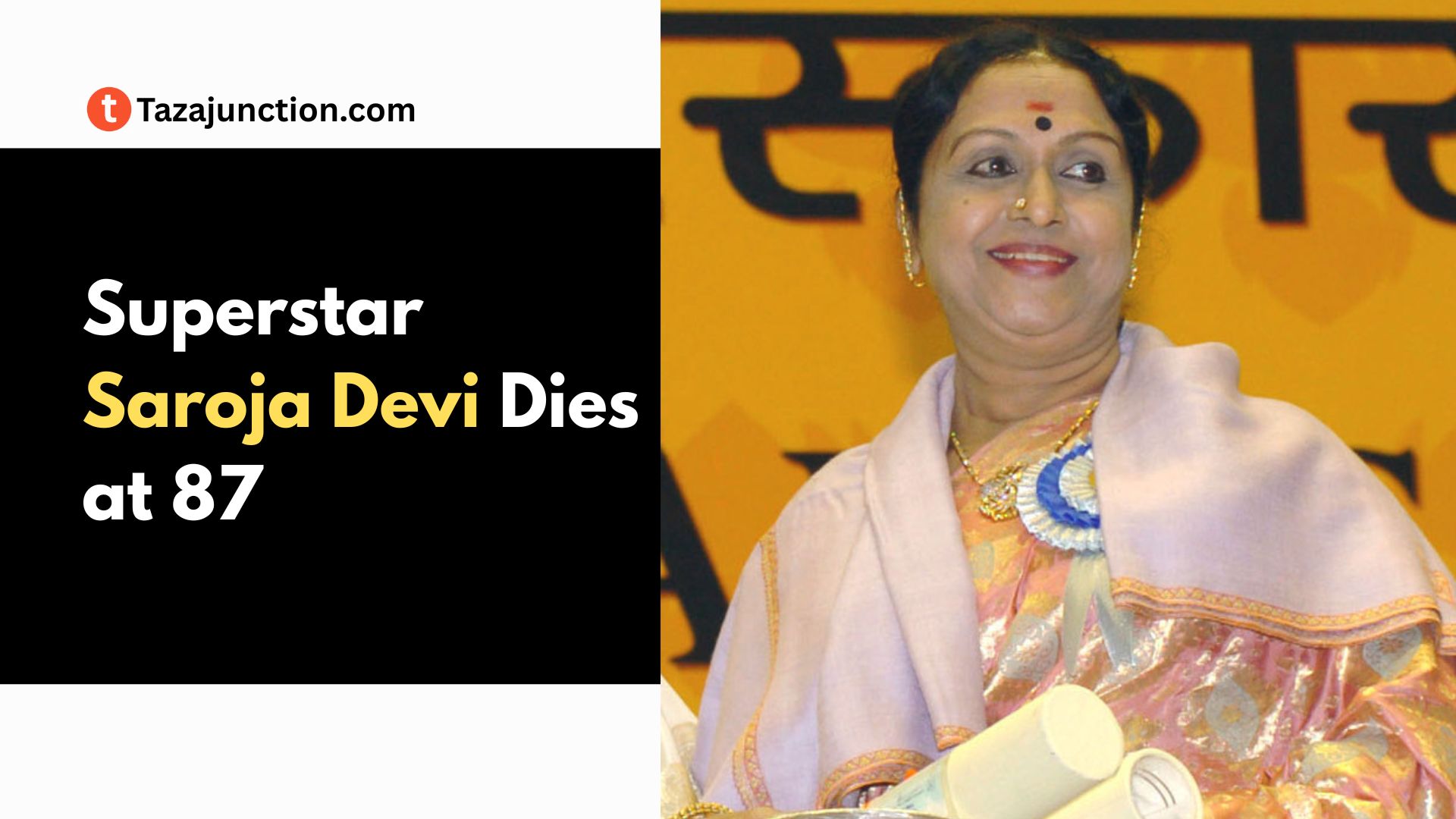
Kannada Superstar Saroja Devi Dies at 87: A Cinematic Legend Passes Away

Superstar Saroja Devi

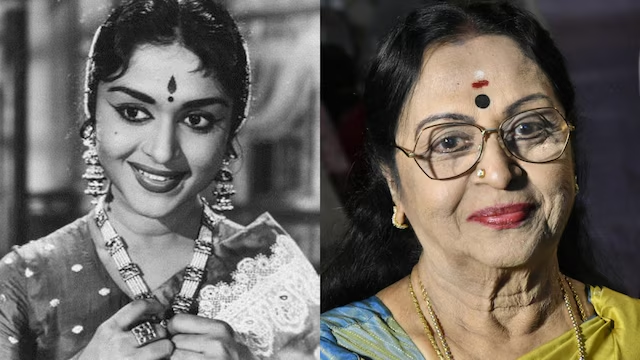
Bengaluru, July 14, 2025 – The Indian film industry is mourning the loss of one of its most cherished icons. Kannada superstar Saroja Devi dies at 87, leaving behind a vast legacy that shaped the golden age of Indian cinema.

Known for her elegance, poise, and expressive acting, Saroja Devi’s career spanned more than six decades, with over 200 films across Kannada, Tamil, Telugu, and Hindi cinema.

Also, the Indian film industry bid a heartfelt farewell to one of its most cherished veterans— Kota Srinivasa Rao, you can read our article to get more info about his life.


The Rise of a Southern Icon

Born on January 7, 1938, in Bengaluru, B. Saroja Devi was the daughter of Bhairappa, a police officer, and Rudramma. Her first break came in the Kannada film Mahakavi Kalidasa in 1955 when she was just 17 years old.

However, it was her role opposite M.G. Ramachandran (MGR) in the Tamil classic Nadodi Mannan (1958) that made her a household name across South India.

From then on, her rise to stardom was meteoric. Saroja Devi went on to become one of the most successful and beloved actresses in Indian film history, known affectionately as Abhinaya Saraswathi (Goddess of Acting) and the “first female superstar” of Kannada cinema.


A Pan-Indian Superstar

Over her prolific career, Saroja Devi starred in more than 200 films, working in all four major South Indian languages and in Hindi. Between 1955 and 1984, she held a remarkable record of acting in 161 consecutive films as the lead heroine. Her presence on screen was magnetic, with a grace and confidence that captivated audiences.

She was part of a golden era of South Indian cinema, acting alongside titans like MGR, Sivaji Ganesan, N.T. Rama Rao, and Rajkumar. With MGR alone, she delivered 26 consecutive hits. Her on-screen pairings with Sivaji Ganesan resulted in 22 superhit films, while her performances in Telugu classics like Jagadeka Veeruni Katha and Seetarama Kalyanam are still fondly remembered.

In Bollywood, Saroja Devi starred in major films like Paigham, Sasural, and Pyaar Kiya To Darna Kya, proving her pan-Indian appeal and versatility.


Unforgettable Roles and Performances

image 7

In Kannada cinema, superstar Saroja Devi played powerful, memorable roles. Her portrayal of the valiant queen in Kittooru Rani Chennamma (1961) became iconic, especially the bold line “Nimageke kodabeku kappa?”, which became a cultural catchphrase in Karnataka.

Some of her other notable films include Bhakta Kanakadasa, Kasturi Nivasa, Naagakannike, Anna Thangi, and Bettada Hoovu. These roles showcased her range—from romantic leads to mythological heroines and socially conscious women—cementing her status as one of Indian cinema’s finest.


Awards and Recognition

As Kannada superstar Saroja Devi dies at 87, she leaves behind a legacy filled with numerous accolades. Her contributions to Indian cinema earned her some of the highest civilian honors:

  • Padma Shri in 1969
  • Padma Bhushan in 1992
  • Kalaimamani Award from Tamil Nadu
  • Karnataka Rajyotsava Award in 1988
  • Filmfare Lifetime Achievement Award – South
  • Dr. Rajkumar Lifetime Achievement Award
  • NTR National Award
  • MGR Award

Beyond acting, she served as vice-president of the Kannada Film Artists Association and chaired the jury of the 53rd National Film Awards.


Personal Life: Love, Resilience, and Giving Back

Saroja Devi married Sri Harsha, an engineer, on March 1, 1967. Their marriage was one of mutual support and admiration. Even after marriage, she continued acting, breaking the industry norm of the time that married actresses should retire. Her husband stood by her, encouraging her work and success.

The couple adopted their niece, Bhuvaneshwari, and lived a quiet, fulfilling life away from the spotlight. After her daughter’s untimely passing, Saroja Devi instituted the Bhuvaneshwari Award, honoring writers and promoting literature.

She lost her husband in 1986, but courageously completed her pending film projects before taking a step back from the film world. Known for her humility, she often contributed to orphanages, bought clothes for the underprivileged, and mentored young actors.


Tributes From Across the Nation

As news of her passing broke, condolences poured in from all corners of the country. Prime Minister Narendra Modi called her “an exemplary icon of Indian cinema and culture,” expressing deep sorrow at the loss of a national treasure.

Superstar Rajinikanth, who considered her a mentor and maternal figure, said, “I lost my other mother today.” Kannada actor Shiva Rajkumar praised her for her legacy and her longstanding friendship with his late father, Dr. Rajkumar.

Veterans like Kamal Haasan, Khushbu Sundar, and Madhoo Shah also shared tributes, remembering her for her grace, talent, and generosity.


A Legacy That Lives On

Kannada superstar Saroja Devi dies at 87, but her presence in Indian cinema will never fade. Her performances continue to inspire generations of actors and filmmakers. She was more than just an actress—she was a cultural force, a symbol of tradition, elegance, and timeless talent.

Her ability to transcend language barriers and dominate multiple film industries is a feat few have accomplished. For millions, she wasn’t just a film star; she was family—a constant presence in living rooms and cinema halls.

In her final years, Saroja Devi remained active in charitable initiatives and film festivals, often encouraging younger talent and staying closely connected to the industry she helped shape.


Conclusion

The passing of Kannada superstar Saroja Devi at 87 marks the end of an extraordinary chapter in Indian cinema. A towering figure who stood at the intersection of art, culture, and national identity, her influence will continue to be felt for generations to come.

As fans revisit her iconic roles and timeless songs, her legacy will live on—not just in film reels and photographs, but in the hearts of everyone who admired her work and her spirit.

Rest in peace, Abhinaya Saraswathi. Your star will shine forever.

Ola Electric Share Price Gain: A Sign of Market Confidence

Ola Electric Share Price Gain

Ola Electric, one of India’s most talked-about startups in the EV (electric vehicle) space, is once again at the center of attention on Ola Electric Share Price Gain —but this time, not because of new scooter models or IPO ambitions.

Instead, it’s the company’s stock price that’s making headlines, following a strong rally on the Indian stock exchanges. In recent trading sessions, Ola Electric’s shares surged by double digits, drawing eyes from investors, analysts, and industry observers alike.

What makes this surge particularly interesting is the timing. The stock’s rally comes amid a complex period for the EV sector and the company itself—Ola Electric recently reported its quarterly financials, and the numbers were not traditionally considered “bullish.”

Losses widened year-on-year, revenue dropped compared to the same period in the previous fiscal, and the industry as a whole continues to battle subsidy rollbacks, supply chain issues, and intense competition. Yet, the share price gained ground—suggesting the market is seeing something beyond the immediate data.


The Post-IPO Journey

Ola Electric’s stock market debut in 2024 was one of the most anticipated IPOs in recent memory. As the country’s leading electric two-wheeler manufacturer, the company was seen as a proxy for India’s EV future. Investors lined up to bet on what many described as the “Tesla of India.”

However, the stock has had a rocky journey since listing. After the initial euphoria, the share price corrected significantly, as concerns around high cash burn, delayed profitability, and execution risks came to the surface that Ola Electric Share Price Gain.

But like many new-age tech and mobility companies, Ola Electric is not being judged solely by its earnings—at least not yet. Instead, investors seem focused on trajectory, strategic direction, and the company’s ability to stay ahead in a market that is both promising and punishing.


A New Narrative for Ola Electric Share Price Gain

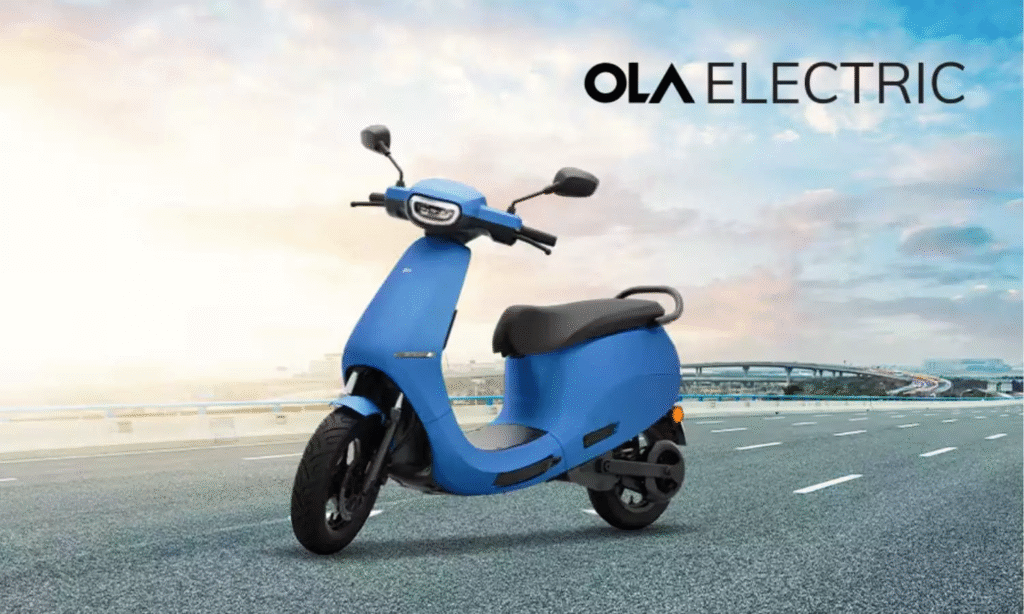
image 5

The recent rally in Ola Electric shares seems to signal a new narrative taking hold among market participants. Instead of being weighed down by quarter-to-quarter losses, investors are increasingly willing to look at the big picture.

Ola Electric operates in a sector undergoing rapid transformation. With state and central governments pushing clean mobility, battery manufacturing, and charging infrastructure, the EV ecosystem in India is expected to witness explosive growth in the next five years.

Ola Electric is uniquely positioned in this space. It has a recognizable brand, a growing portfolio of products, and an aggressive approach to R&D and vertical integration.

Its Gigafactory project, plans for battery cell production, and aspirations for four-wheeler EVs give it a broader vision than most of its peers. While these projects are capital intensive, they also serve as a moat—especially if executed efficiently.


Investor Sentiment Turns Optimistic

Share price movements often reflect sentiment as much as fundamentals. And sentiment, by nature, is forward-looking. Market observers believe that investor mood around Ola Electric is improving, thanks to a combination of internal execution and external tailwinds.

While quarterly financials may not yet paint a rosy picture, subtle improvements in operating metrics, delivery numbers, and cost structures suggest that the company is moving in the right direction.

Importantly, the company’s management has begun to communicate more clearly. Updated forecasts, financial discipline, and transparent commentary during earnings calls seem to have reassured investors. Institutional interest has reportedly seen a slight uptick, and retail participation in the stock has remained stable despite earlier volatility.


An EV Sector Under Watch

The stock price movement also reflects broader market trends within the EV segment. Across the world, EV companies are seeing renewed attention.

Global giants like Tesla, BYD, and Rivian have experienced mixed market reactions over the past year, often driven by macroeconomic signals, battery technology advancements, and government policy changes. In India, the environment is no different.

The government’s commitment to EV penetration, though occasionally tempered by subsidy revisions, remains firm. Production Linked Incentives (PLI) schemes, FAME subsidies, and state-level benefits continue to support the EV industry. Moreover, rising fuel prices and increasing urban pollution are encouraging consumers to explore alternative transportation.

All of these macro-level indicators are creating fertile ground for long-term optimism in companies like Ola Electric. Investors appear to be factoring in the growth potential that comes with increased EV adoption, especially in a two-wheeler dominated market like India.


Balancing Optimism with Risk

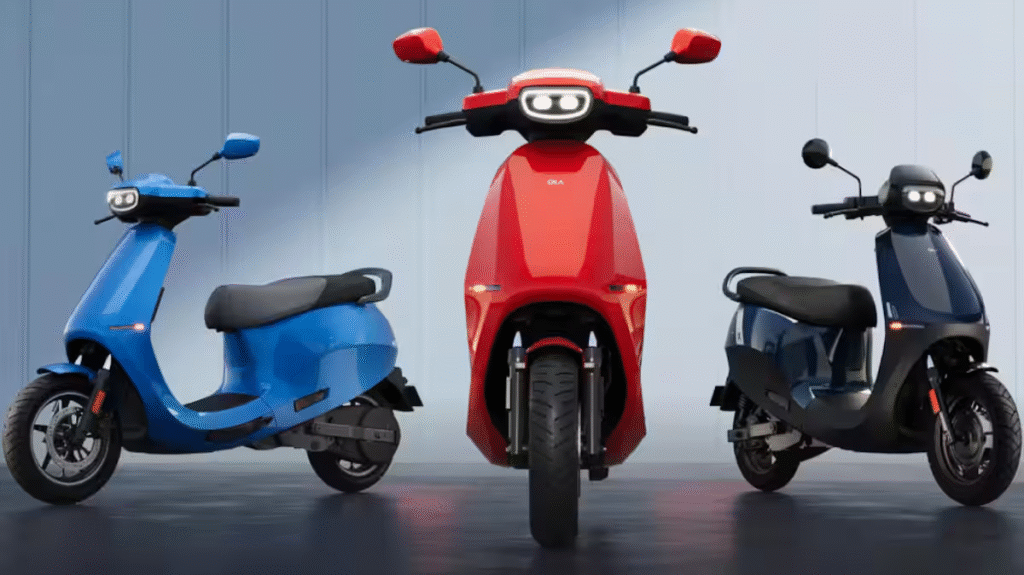
image 6

Of course, share price gains do not eliminate the risks that lie ahead. Ola Electric remains in a capital-intensive business that requires continuous innovation and significant upfront investment.

The electric two-wheeler segment is becoming increasingly crowded, with players like Ather Energy, TVS, Bajaj, and Hero MotoCorp all jostling for market share. Additionally, consumer trust—linked to after-sales service, charging infrastructure, and product reliability—will be crucial in determining who leads in the long run.

Then there’s the international angle. As Ola eyes exports and global expansion, it will face an entirely new set of competitive and regulatory challenges. Breaking into markets beyond India will demand not just good products but localized strategies, distribution networks, and regulatory compliance—all of which require time and money.

Yet, the recent upward movement in its stock suggests that investors, for now, are choosing to believe in the company’s ability to navigate these complexities.


Where Do We Go From Here?

With the Ola Electric Share Price Gain momentum, questions naturally arise: Is this the beginning of a sustainable rally? Or is it a temporary bump fueled by sentiment?

The answer likely lies in the next two to three quarters. If Ola Electric can continue to demonstrate operational improvement, reduce cash burn, and deliver on volume and margin targets, the stock could continue to build upward momentum.

Additionally, if macroeconomic conditions stay stable and EV policies remain supportive, it could create a tailwind not just for Ola but for the entire sector.

As Ola Electric Share Price Gain for now, Ola Electric’s stock is sending a message—it is not being written off. The market is watching, and more importantly, the market is hoping. And in stock markets, hope backed by progress can be a powerful driver.


Conclusion

The recent rise in Ola Electric Share Price Gain is more than a number—it is a reflection of changing investor mood and renewed belief in India’s EV future. While challenges abound, the company has shown enough signs of progress to rekindle interest among retail and institutional players alike.

In a market that is quick to reward growth and punish stagnation, Ola Electric’s rally could be a case of early believers placing their bets again. The company’s next steps—both in product innovation and financial execution—will determine whether this price action is a short-lived bounce or the beginning of a meaningful turnaround.

Only time will tell. But for now, Ola Electric is back on the radar—and riding a wave of cautious optimism.

iQOO Z10R: Flagship Features Under ₹20K – Launch & Price in India

iQOO Z10R

iQOO is gearing up to expand its successful Z10 lineup in India with the new iQOO Z10R, promising flagship-grade specs without breaking the ₹20,000 barrier.

With a July launch drawing near, early teasers and leaks highlight a device in technology that redefines value in the sub-₹20K category.


🎯 What Makes the iQOO Z10R So Compelling?

1. Display: A Cinema‑Grade View

The Z10R boasts a 6.77-inch full-HD+ quad‑curved OLED screen with a buttery smooth 120 Hz refresh rate, offering deep blacks, vibrant colors, and HDR compatibility—all rare in this price range.

Builders and reviewers point out its similarity to the Vivo V50e’s premium curve, with peak brightness and smooth animations rivaling costlier phones .

2. Powerhouse Performance

Under the hood, the phone runs on MediaTek Dimensity 7400, fabricated on the advanced 4 nm process. Geekbench scores hover around 1,100 (single-core) and 2,990 (multi-core), indicating solid mid-range firepower and steady performance in gaming or multitasking . Leaks suggest configurations with up to 12 GB RAM and 256 GB storage, ideal for heavy users .

3. Cameras: OIS & 4K Vlogging Ready

The iQOO Z10R flaunts a 50 MP primary rear camera with OIS (optical image stabilization) and a pill-shaped dual-camera module complete with an Aura ring light. Both the front and rear cameras support 4K video recording, a first at this price tier . Content creators will appreciate next‑level vlog capabilities powered by versatile imaging software.

4. Battery & Charging: Power That Lasts

A large 5,600 or 6,000 mAh battery powers the device, paired with 90 W fast charging—enough to reach 100% in roughly half an hour. These specs promise not only all‐day endurance but also quick top-ups, perfect for power users .


💸 Launch & Pricing Outlook in India

Market data and leaks suggest the iQOO Z10R will debut in July or early August, directly targeting the sub‑₹20K category. Retail variants are expected to include:

  • ₹15,000–₹17,999: 8 GB + 128 GB
  • ₹17,999–₹19,499: 8 GB + 256 GB
  • ₹19,999: 12 GB + 256 GB

With official pricing not far off, the strategy seems to undercut competitors like the Poco X6 Pro, Realme GT Neo 6 SE, and Samsung Galaxy A55—all while offering identical or superior hardware .


🔍 How the Z10R Stacks Up Against Predecessors

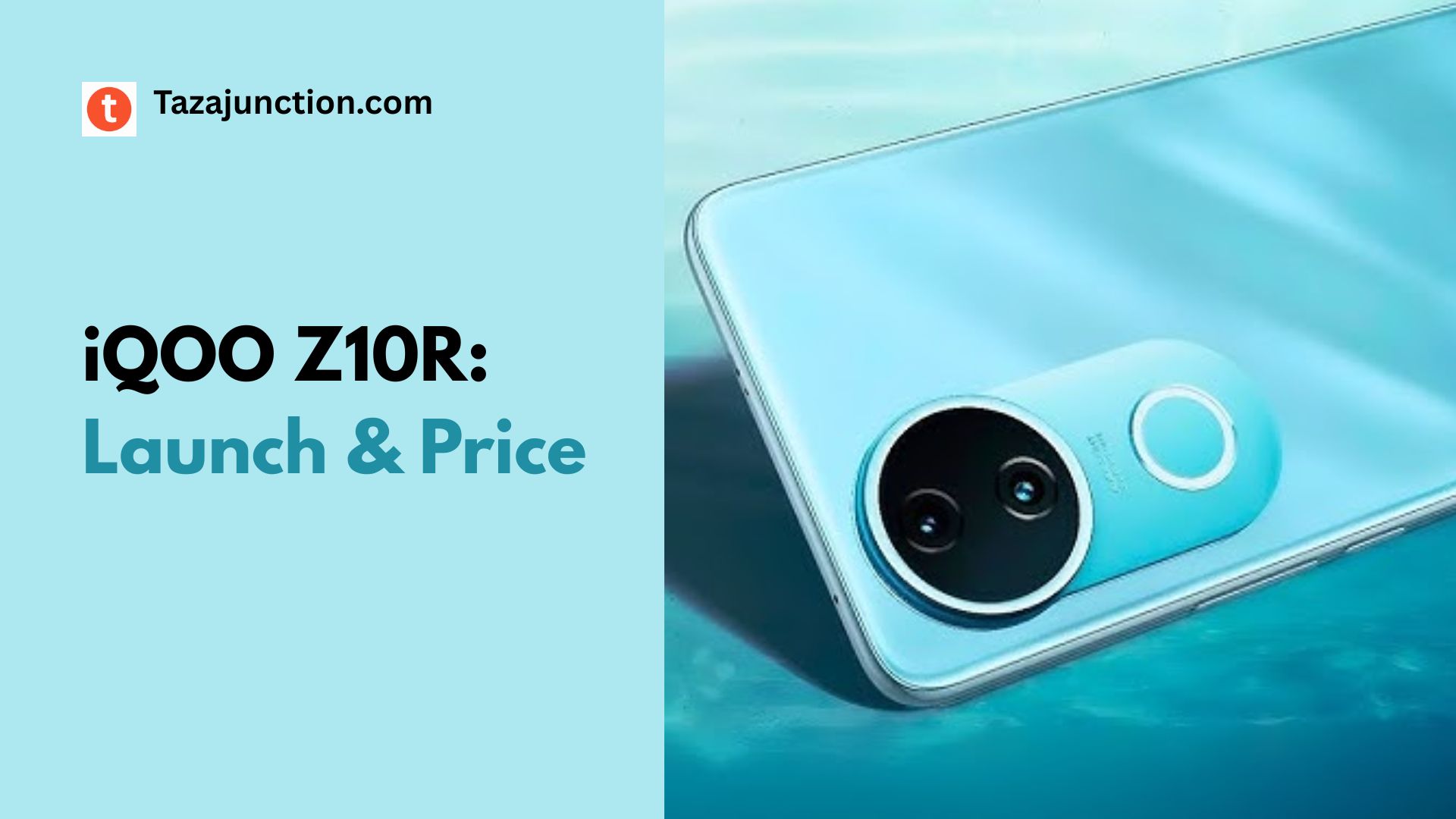
image 4

iQOO’s launch isn’t just about one model—it builds on the success of its Z10 predecessors:

  • iQOO Z10 (April launch): Featured a 7,300 mAh battery, Snapdragon 7s Gen 3, 6.77″ AMOLED, 90 W charging, debuting at ~₹21,999 .
  • Z10 Lite & Z10x: Positioned lower in the lineup; Z10x started at ₹13,499.
  • Neo 10R: A related sibling with Snapdragon 8s Gen 3, 6,400 mAh battery, and strong gaming credentials—all above ₹26,999 .

The Z10R thus fills a clean gap: these strong hardware pillars, including OLED, 90 W, OIS, and MediaTek 7400, are getting premium positioning under ₹20K—something previously confined to higher price brackets.


🛠️ Mix of Praise & Real‑World Caveats

Feedback from users across Reddit regarding iQOO models offers useful insights:

  • One Redditor praised the battery life, but called FuntouchOS buggy, with intrusive pre‑installed apps .
  • Another noted the strong battery but said the camera was “a little weak” and mentions occasional ads and bloatware; however, they still found it a solid performer under ₹18K .
  • On gaming, users of the Neo 10R variant reported consistent 120 fps in COD Mobile and 60 fps in Genshin Impact at ~40°C—suggesting performance holds up during heavy use .

These reviews hint that while hardware on the Z10R will impress, iQOO’s software polish and user experience may still lag behind competitors.


🔁 Broader Impact: Redefining Mid‑Range Expectations

By delivering flagship-caliber specs in the ₹15–20K zone, the Z10R disrupts the mid-range smartphone hierarchy in India. As TechnoSports observed: it mirrors specs of ₹31K devices like the Vivo V50e, forcing rivals to reconsider pricing and feature inclusion .

Upcoming challenges include Realme, Poco, and Samsung, which now face pressure to match OLED, OIS, 4K video, and speedy charging at similar prices.


✅ Summary: Should You Consider the Z10R?

The iQOO Z10R promises to be a serious contender in its segment:

Pros:

  • Premium OLED screen with high refresh rate and curved edges
  • Modern and powerful MediaTek 7400 chip with up to 12 GB RAM
  • Versatile camera system, including OIS and 4K video
  • Fast 90 W charging, large battery capacity
  • Expected price well under ₹20K—top value for money

Cons:

  • FuntouchOS may include bloatware or ads
  • System-level polish may trail behind OxygenOS or similar UIs
  • iQOO’s brand visibility in India remains lower than major competitors

Verdict

With the iQOO Z10R, the brand is clearly pushing the boundaries of India’s mid‑range market—offering flagship-level display, performance, imaging, and charging in a package priced like a basic mid‑ranger. If you’re looking for the best bang for your buck in 2025, the Z10R will likely merit serious consideration.

Its success will depend on seamless software performance and post-launch support. A smooth FuntouchOS experience and timely updates would elevate it from a hardware marvel to a user–favorite. Expect official launch prices and availability announcements soon—and based on current leaks and teasers, the Z10R could shape up as this summer’s standout value smartphone.

Wimbledon & India vs England Test Series Drama: A Sporting Double Delight

India vs England Test Series

In the world of sports, few periods bring such concentrated drama as the early weeks of July. This year, that window offered fans a rare double treat — the elegance and intensity of Wimbledon 2025, and the adrenaline-fueled rollercoaster of the India vs England Test series.

Both events, though vastly different in nature and tradition, captured global attention with their own brand of storytelling, brilliance, and controversy.


🎾 Wimbledon 2025: Tradition Meets Transformation

Held at the iconic All England Club in London, Wimbledon 2025 was a spectacle of poise, precision, and progress. This year’s tournament marked a turning point in its long-standing traditions. For the first time in history, electronic line calling fully replaced human line umpires, signaling tennis’s embrace of technology while retaining its graceful, white-clad aesthetics.

Sinner’s Statement Victory

The men’s singles final became an instant classic, pitting Italian sensation Jannik Sinner against Spain’s flamboyant Carlos Alcaraz.

With both men having already carved reputations as future legends, their clash was expected to be tight — and it delivered. Alcaraz struck early, taking the first set with explosive pace. But Sinner’s poise under pressure and his laser-focused baseline game turned the tide.

Sinner rallied back to win the next three sets, showcasing not just skill but maturity. His down-the-line backhands and razor-sharp return game left Alcaraz struggling for rhythm. With this victory, Sinner not only claimed his first Wimbledon title but also became the first Italian man to lift the trophy at SW19 — a monumental achievement for both the player and his country.

Świątek’s Supreme Dominance

On the women’s side, Iga Świątek stunned the tennis world with a truly historic performance. In the final, she dispatched her opponent with a double bagel score of 6-0, 6-0 — a rare and ruthless feat at any level, let alone a Grand Slam final. Her footwork, depth of shot, and mental clarity left little doubt that she remains the most dominant woman in tennis today.

Celebrities, Royals, and Style

As always, Wimbledon was not just a tennis tournament — it was a cultural event. Royalty and celebrities filled the stands. From movie stars to former champions, all dressed in fine English summer fashion, the event maintained its reputation as the most elegant sporting competition in the world.

While the play on court was fierce, the atmosphere remained steeped in class, ceremony, and the timeless crack of a ball on grass. Wimbledon 2025 blended modernization with age-old tradition — proving that the game can evolve while still honoring its past.


🏏 India vs England Test Series: When Cricket Turned into Combat

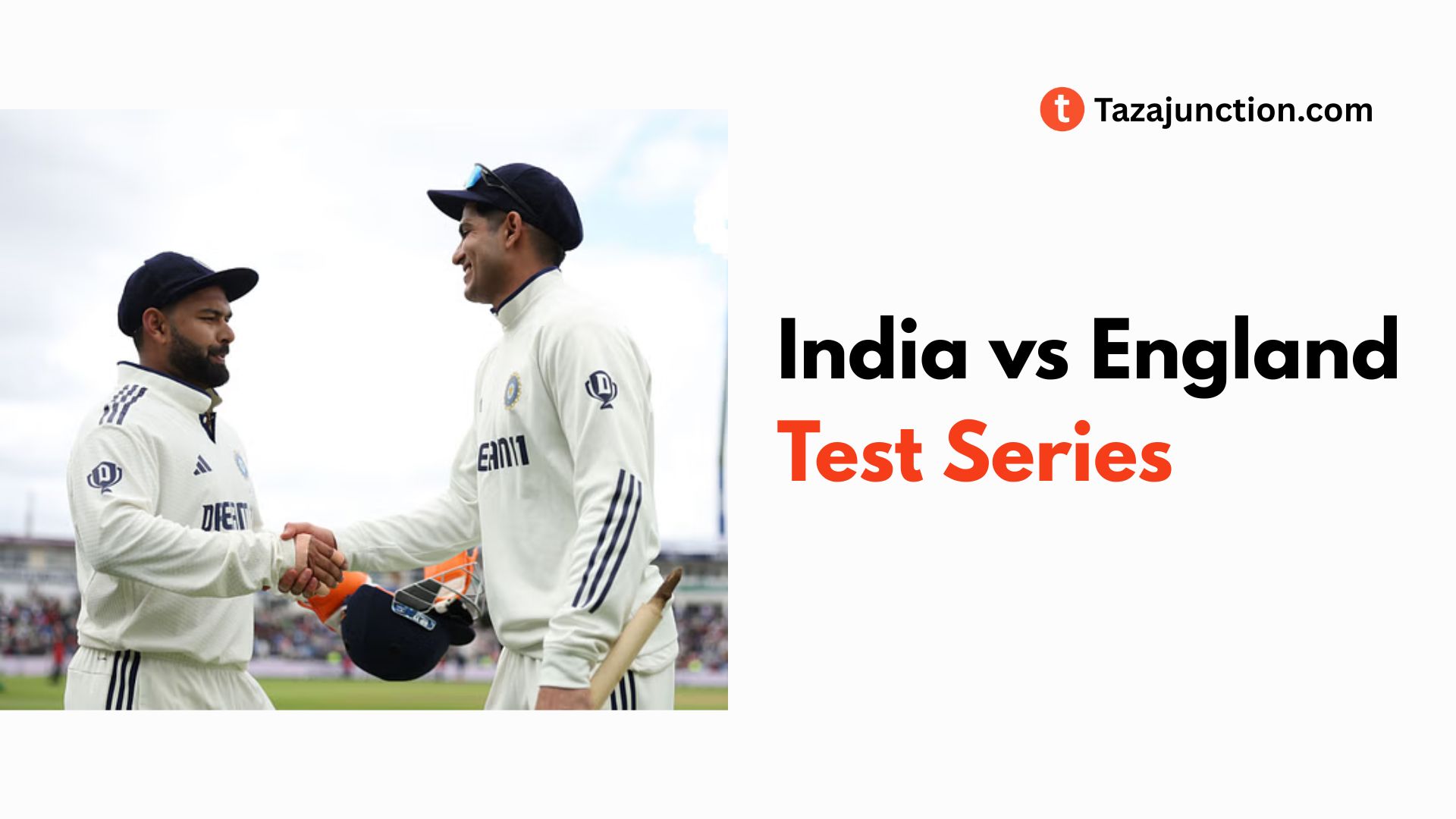
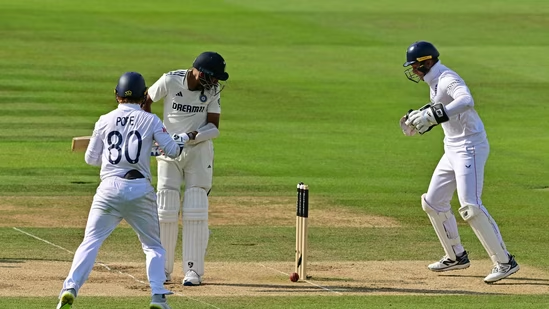
image 3

If Wimbledon showcased the calm and classy side of sport, the India vs England Test series was pure, high-octane drama. Played across England in historic stadiums like Headingley, Edgbaston, and Lord’s, the five-match series had everything — masterful batting, lethal bowling, crowd eruptions, and even on-field confrontations that echoed the fierce rivalries of yesteryear.

Test 1: Thrills at Headingley

The series opener set the tone for what was to come. India posted imposing totals in both innings, thanks to centuries from Yashasvi Jaiswal, Shubman Gill, and KL Rahul. Rishabh Pant, returning from injury, became the first Indian wicketkeeper to score hundreds in both innings on English soil.

Yet, in a stunning turn of events, England chased down a mammoth 371-run target in the fourth innings. Ben Duckett’s blistering century and Joe Root’s calm anchoring saw the home side seal a five-wicket win. It was a masterclass in fourth-innings aggression and marked the return of England’s high-risk “Bazball” approach.

Test 2: India’s Answer in Birmingham

India bounced back hard in the second Test. Led by captain Shubman Gill, who played one of the finest matches of his young career, India crushed England by over 300 runs. Gill scored a double century in the first innings and followed it up with another 150-plus score in the second — the highest combined total by an Indian captain in a single Test.

The bowling attack was equally fierce. Mohammed Siraj’s consistency and Akashdeep’s devastating pace dismantled the English batting line-up. India’s win at Edgbaston was historic, being their first at the venue in nearly four decades. The India vs England Test Series was now level, and tensions were rising.

Test 3: Lord’s Turns Hostile

The third Test, played at the prestigious Lord’s Cricket Ground, saw the emergence of a different kind of cricket — not just tactical but emotional, even confrontational. With the series finely poised, the players from both sides turned up the heat.

Shubman Gill and England opener Zak Crawley were involved in a verbal spat that grew increasingly intense as the day wore on. Sledging, long stares, and sarcastic applauses peppered the day’s play. England bowler Jofra Archer unleashed a barrage of bouncers, while Ben Stokes led from the front with both bat and mouth.

India fought hard, but England’s bowlers managed to pull off a tight win by 22 runs. The match, dubbed by fans as “Bazbrawl” rather than Bazball, signaled that the friendly image of English cricket was giving way to an aggressive, win-at-all-costs mentality.


🎯 Key Themes and Contrasts

While both Wimbledon and the India vs England Test Series occurred in the same region and timeframe, they couldn’t have been more different in tone. Yet, both told compelling stories about sport’s evolution, the human spirit, and the weight of legacy.

ThemeWimbledon 2025India vs England Test Series
Tradition vs. InnovationIntroduction of electronic line callingEngland’s Bazball clashing with Test orthodoxy
Emotional IntensityQuiet tension, composed brillianceVerbal clashes, raw emotion, national pride
Star PerformancesSinner’s maiden win, Świątek’s dominanceGill’s records, Duckett’s fearless chasing
Cultural ImpactTennis blended with fashion and royaltyCricket fused with nationalism and intensity
Narrative ArcClear-cut champions crownedMomentum swinging wildly between both teams

🏆 Why These Events Matter

Wimbledon reaffirmed its status as the most dignified and progressive tennis tournament. It embraced technological change without sacrificing charm, and in doing so, laid a roadmap for the future of tennis. Players like Jannik Sinner and Iga Świątek are not just winners — they are the new standard bearers of discipline and class.

The India vs England Test Series, meanwhile, breathed new life into Test cricket. In an era where shorter formats dominate, these matches reminded fans why the red-ball game still captivates. The high scores, dramatic collapses, record chases, and personal confrontations showed that Test cricket is not just surviving — it is thriving.


Conclusion

Whether it was the neatly-trimmed lawns of Wimbledon or the lush green pitches of Lord’s, England in July 2025 became the center of the sporting universe. Fans were treated to both ends of the emotional spectrum — from elegant forehands to fiery bouncers, from standing ovations to heated stare-downs.

What unified these events was passion. The passion to win. The passion to honor history. The passion to write a new chapter.

As we reflect on this sporting doubleheader, one thing is clear: sport, in all its forms, remains a mirror of human aspiration — unpredictable, emotional, and unforgettable.

Should PM Modi Speak Hindi or Marathi in Rajya Sabha?

pm modi

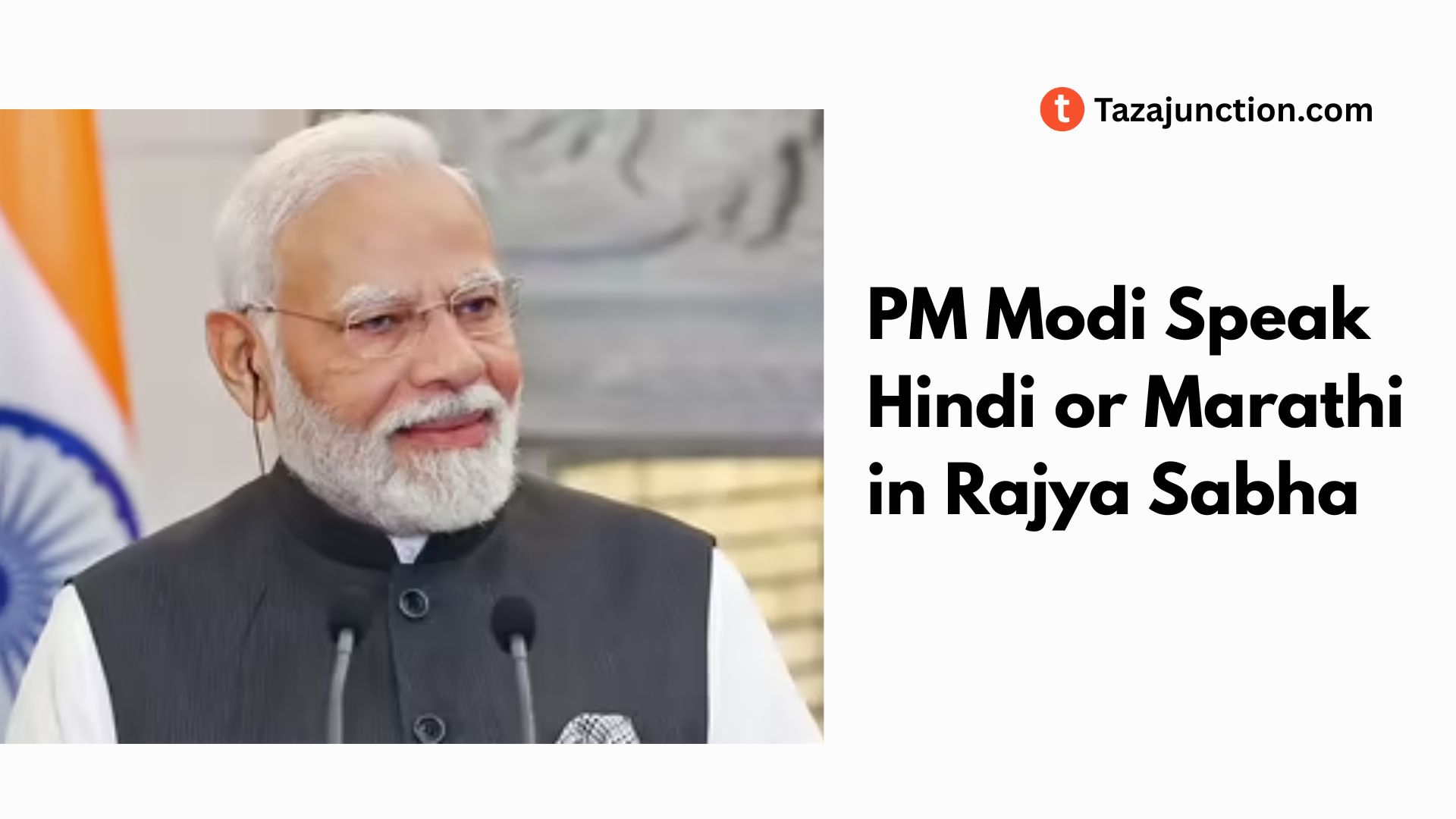
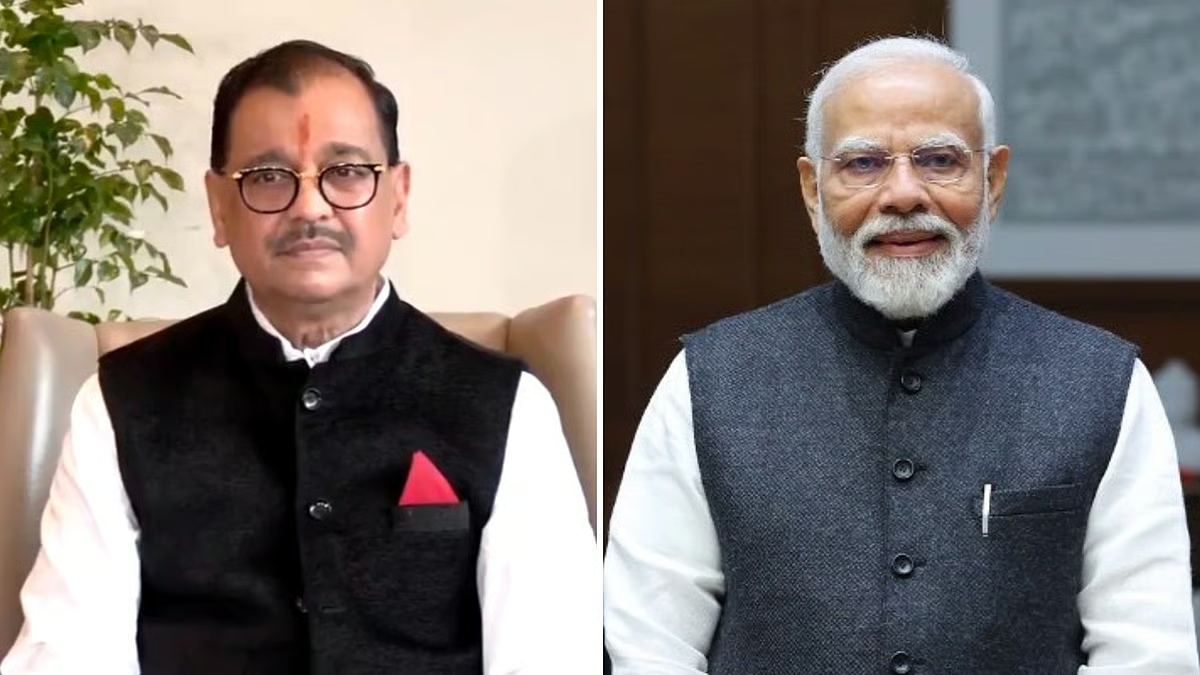
In July 2025, when Ujjwal Nikam — a renowned lawyer known for leading the prosecution in the 26/11 Mumbai attacks — received a phone call from PM Modi, the exchange was meant to be ceremonial. But what stood out was Modi’s opening line: “Ujjwal ji, mi Marathit bolu ka Hindit bolu?” (Should I speak in Marathi or Hindi?).

While this might seem like a playful, respectful gesture, it stirred up a deeper debate on language politics in India — particularly, should the Prime Minister speak Marathi in the Rajya Sabha when addressing or engaging with members from Maharashtra?

If you are more curious about the Income Tax Return Filing Start Date, then you can read our article and get more info on it.


1. Why Does Language Choice in Parliament Matter?

Constitutional Framework

India’s Constitution allows parliamentary debates in Hindi or English. However, members can use other scheduled languages if permitted by the Chair, provided translation support is available. This ensures accessibility and understanding across a linguistically diverse audience.

Cultural Significance

In a country where language is deeply tied to regional identity, such gestures take on political and emotional weight. Maharashtra has a long history of language-based identity movements. For many in the state, hearing Marathi in national forums like the Rajya Sabha feels like recognition of their heritage.


2. The Case for Hindi: The National Context

Wider Reach

Hindi is the most widely spoken language in India. As Prime Minister, PM Modi speaking in Hindi ensures that his message is understood by the majority of the nation. For Parliament, where clarity, reach, and uniform understanding are essential, Hindi serves as a common medium.

Parliamentary Convention

Traditionally, speeches in Rajya Sabha are delivered in Hindi or English. It maintains consistency, formality, and efficiency in parliamentary discourse. A shift from this could potentially lead to confusion unless translation systems are perfectly streamlined.


3. The Case for Marathi: Symbolism and Connection

1000040038

Emotional Resonance

Speaking in Marathi, even briefly, is a powerful symbol of inclusion. It can make Marathi-speaking citizens feel acknowledged at the national level. For a leader, even a few words in a regional language can have a significant emotional impact.

Political Outreach

Maharashtra is a politically important state. Regional pride runs high, especially when it comes to language and culture. When the Prime Minister uses Marathi, it sends a message that the central government respects regional identities — something that could translate into electoral goodwill.


4. Risks and Challenges

Tokenism

A major risk is that such gestures could be seen as symbolic without substance — a form of political pandering. If not followed by real policy engagement or consistent cultural respect, it might be dismissed as hollow showmanship.

Precedent Concerns

If the Prime Minister starts speaking Marathi in the Rajya Sabha, will there be expectations to speak in Tamil while addressing Tamil Nadu, or in Bengali for West Bengal? While multilingualism is part of India’s DNA, operational challenges in a national forum like Parliament must be considered.


5. Reactions on PM Modi: Public and Political Perspectives

Appreciation and Criticism

Many Maharashtrians have expressed appreciation for PM Modi’s use of Marathi. It is seen as a respectful gesture. However, there are also those who feel that such acts should be backed by policy-level support for regional languages in education and governance.

Language Politics in Maharashtra

Language has long been a sensitive issue in Maharashtra. Political parties have campaigned on protecting Marathi language and culture, and tensions have often arisen over the prominence of Hindi or English in public life. In this context, the Prime Minister’s choice of language is carefully scrutinized.


6. Deeper Implications: More Than Just a Language Choice

Encouraging Linguistic Diversity

If leaders occasionally use regional languages in national spaces, it sets an example of inclusivity. It encourages younger generations to take pride in their mother tongue and promotes the idea that India’s unity lies in its diversity.

Strengthening National Integration

Rather than dividing, respectful use of regional languages by national leaders can foster stronger integration. It signals that every state, every culture, and every language has a voice and a place in the Indian Union.


7. Finding a Balanced Approach

Hybrid Speeches

One possible solution is for leaders like the Prime Minister to begin their speeches with a few lines in the regional language — as a gesture of respect — and then continue in Hindi or English. This hybrid approach can strike the right balance between symbolism and functionality.

Consistency in Messaging

While using Marathi is culturally significant, the core content should remain in a language that is understood by the majority of Parliament members and the country. This ensures that messaging remains coherent and consistent.


Conclusion

The question of whether PM Modi should speak Hindi or Marathi in Rajya Sabha touches on deeper themes — identity, inclusion, unity, and communication. In truth, both languages serve important purposes.

Speaking Marathi, even briefly, can be a powerful way to connect with the people of Maharashtra, showing that their language is valued at the highest levels of government. At the same time, Hindi remains a practical and widely understood language for conducting national discourse in Parliament.

Ultimately, a Prime Minister must be a communicator for the entire nation. By weaving regional respect with national responsibility, PM Modi — and other leaders — can build bridges through language, fostering a more inclusive and unified India.

Income Tax Return Filing Start Date for FY 2024–25 (AY 2025–26): What Taxpayers Need to Know

income tax return

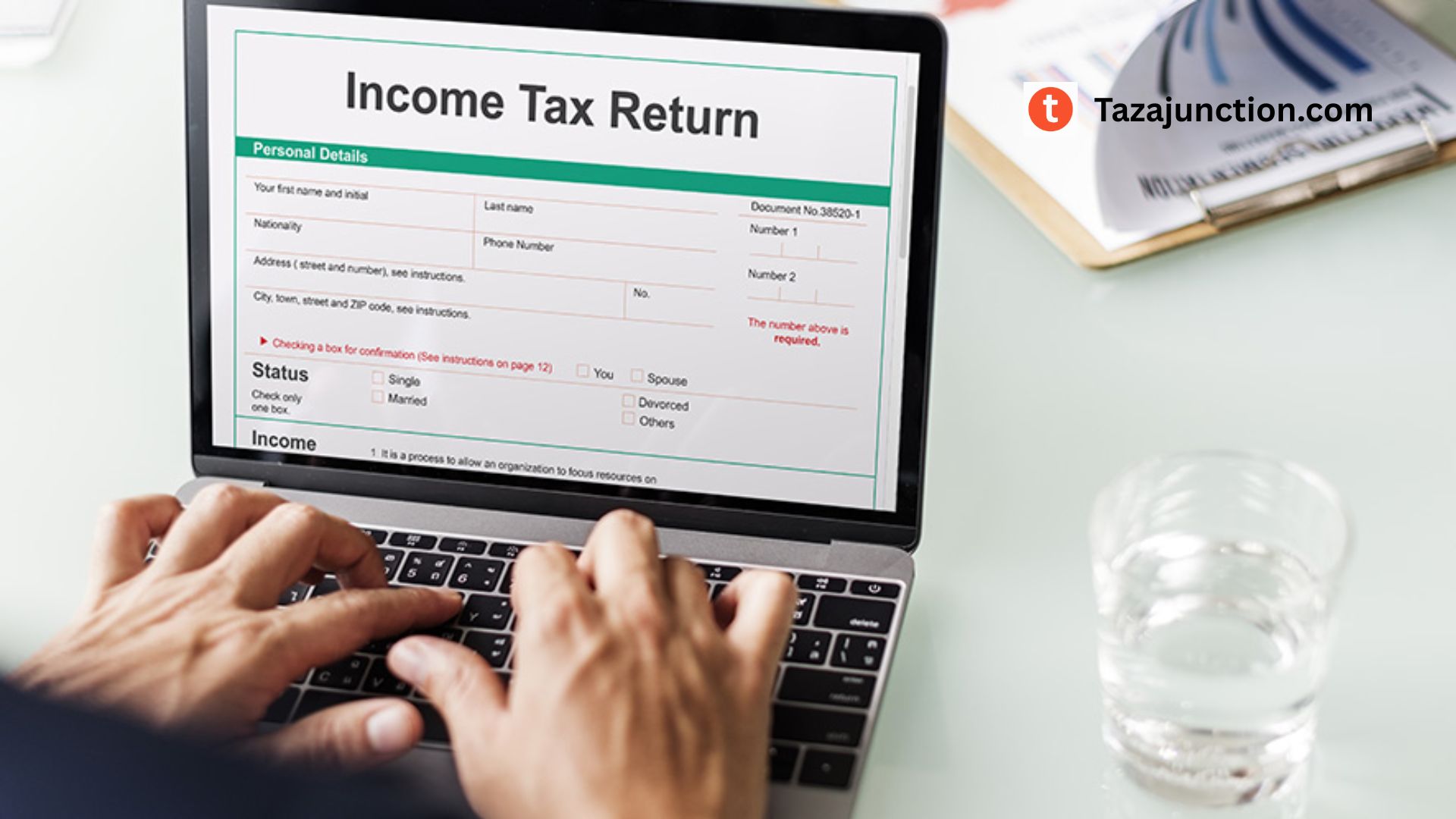
The Income Tax Return (ITR) filing season is one of the most crucial times of the year for individuals, businesses, and professionals in India. For the Financial Year (FY) 2024–25 and Assessment Year (AY) 2025–26, the process officially begins on April 1, 2025, as per usual practice.

With every passing year, compliance rules tighten, systems become more digitized, and expectations from taxpayers increase.

This article provides a complete guide on the start date of ITR filing, who needs to file, the due dates, document checklist, common mistakes, and the importance of filing early.


What Are Financial Year and Assessment Year?

Before diving into dates and procedures, let’s clarify these two key terms:

  • Financial Year (FY): The year in which income is earned. For example, FY 2024–25 is the period from April 1, 2024, to March 31, 2025.
  • Assessment Year (AY): The year following the financial year, when the earned income is assessed and taxed. For FY 2024–25, the AY is 2025–26.

Start Date for Filing ITR for FY 2024–25

income tax return

The Income Tax Department usually allows taxpayers to start filing returns from April 1 onward, but most online forms and utilities become available in May or June, depending on the ITR form type.

  • Official Filing Start: April 1, 2025
  • Utility Availability: ITR-1 and ITR-4 typically go live first; other forms (ITR-2, 3, 5, etc.) follow later.

Who Needs to File an ITR?

Filing income tax returns is mandatory if your income crosses the taxable limit. Here’s a simplified list of taxpayers who must file:

Individuals

  • Income exceeds ₹2.5 lakh (under 60 years)
  • Income exceeds ₹3 lakh (60–80 years)
  • Income exceeds ₹5 lakh (above 80 years)

Other Scenarios Requiring ITR Filing

  • You want to claim a refund
  • You have foreign income or assets
  • You are a company or firm, regardless of income
  • You have capital gains, even if not taxed (e.g., from equity)
  • You have TDS deducted and wish to report or claim refund

Types of ITR Forms

Choosing the correct form is essential for smooth filing. Here are the most common ones:

FormApplicable To
ITR-1Salaried individuals with income < ₹50 lakh
ITR-2Individuals with capital gains, foreign assets
ITR-3Professionals, business income
ITR-4Presumptive income scheme under Section 44AD/ADA

Key Due Dates for AY 2025–26

Knowing the filing deadlines helps avoid penalties and interest. Here are the important dates:

EventDue Date
Start of ITR filingApril 1, 2025
Last date (individuals)July 31, 2025
Last date with audit (businesses)October 31, 2025
Revised/Belated returnDecember 31, 2025

⚠️ Late filing beyond the deadline could attract a penalty up to ₹5,000 and interest under Section 234A, B, and C.


Why You Should File Early

Filing early has multiple benefits:

1. Faster Refunds

The sooner you file, the faster you’ll receive any refunds due.

2. Avoid Server Rush

Last-minute rush leads to technical glitches on the Income Tax portal.

3. Time for Corrections

Early filing gives you time to revise in case of any errors.

4. Loan & Visa Processing

Many institutions ask for ITRs when processing loans or visas. Filing early ensures timely documentation.


Documents You Need Before Filing

Here’s a checklist of essential documents:

  • Form 16 from employer (for salaried individuals)
  • Form 26AS and AIS/TIS (for tax credit details)
  • PAN & Aadhaar
  • Bank statements
  • Capital gains statements (for investors)
  • Interest certificates from banks
  • Details of foreign income/assets
  • Home loan certificate
  • Investment proofs for deductions (Section 80C, 80D, etc.)

Changes in ITR Filing for FY 2024–25

The Income Tax Department often brings minor changes in forms or rules each year. Expected updates for FY 2024–25 may include:

1. Pre-Filled ITRs

More robust pre-filled data, including income from mutual funds, dividends, rent, and interest.

2. AIS/TIS Integration

Taxpayers will be expected to reconcile their returns with Annual Information Statement (AIS) and Taxpayer Information Summary (TIS) to avoid mismatches.

3. Digital Verification

Emphasis on e-verification via Aadhaar OTP, Net Banking, or Digital Signature Certificates.


How to File Your ITR

There are several ways to file:

Online via Income Tax Portal

Through CA or Tax Expert

For business owners or individuals with complex incomes (capital gains, foreign assets), consulting a Chartered Accountant is advisable.

Offline Utilities

Download and fill Excel/Java utility offline and upload to the portal.


Common Mistakes to Avoid

  1. Using the Wrong ITR Form
    Leads to invalid return; may invite notices.
  2. Forgetting to E-Verify
    Return is considered incomplete if not verified within 30 days.
  3. Mismatch in Form 26AS & Return
    Can result in scrutiny notices.
  4. Claiming Incorrect Deductions
    Overstated deductions may lead to penalty.
  5. Missing Interest Income
    Many forget to include FD or savings interest.

Penalties for Late Filing

Filing your return after the deadline could lead to:

  • Late fee of ₹1,000 to ₹5,000 under Section 234F
  • Interest on outstanding tax under Sections 234A/B/C
  • Disqualification from future exemptions or loss of carry-forward of losses

Conclusion

Filing your Income Tax Return for FY 2024–25 (AY 2025–26) is not just a legal obligation but a smart financial habit. The process has become easier with digital advancements, but the importance of accuracy, timely submission, and proper documentation remains crucial.

Starting early allows you to avoid penalties, ensure refunds, and reduce stress during the peak deadline period. Whether you’re a salaried professional, freelancer, investor, or business owner, take charge of your tax filing today.

Remember, the taxman rewards discipline. Don’t wait—file smart, file early.

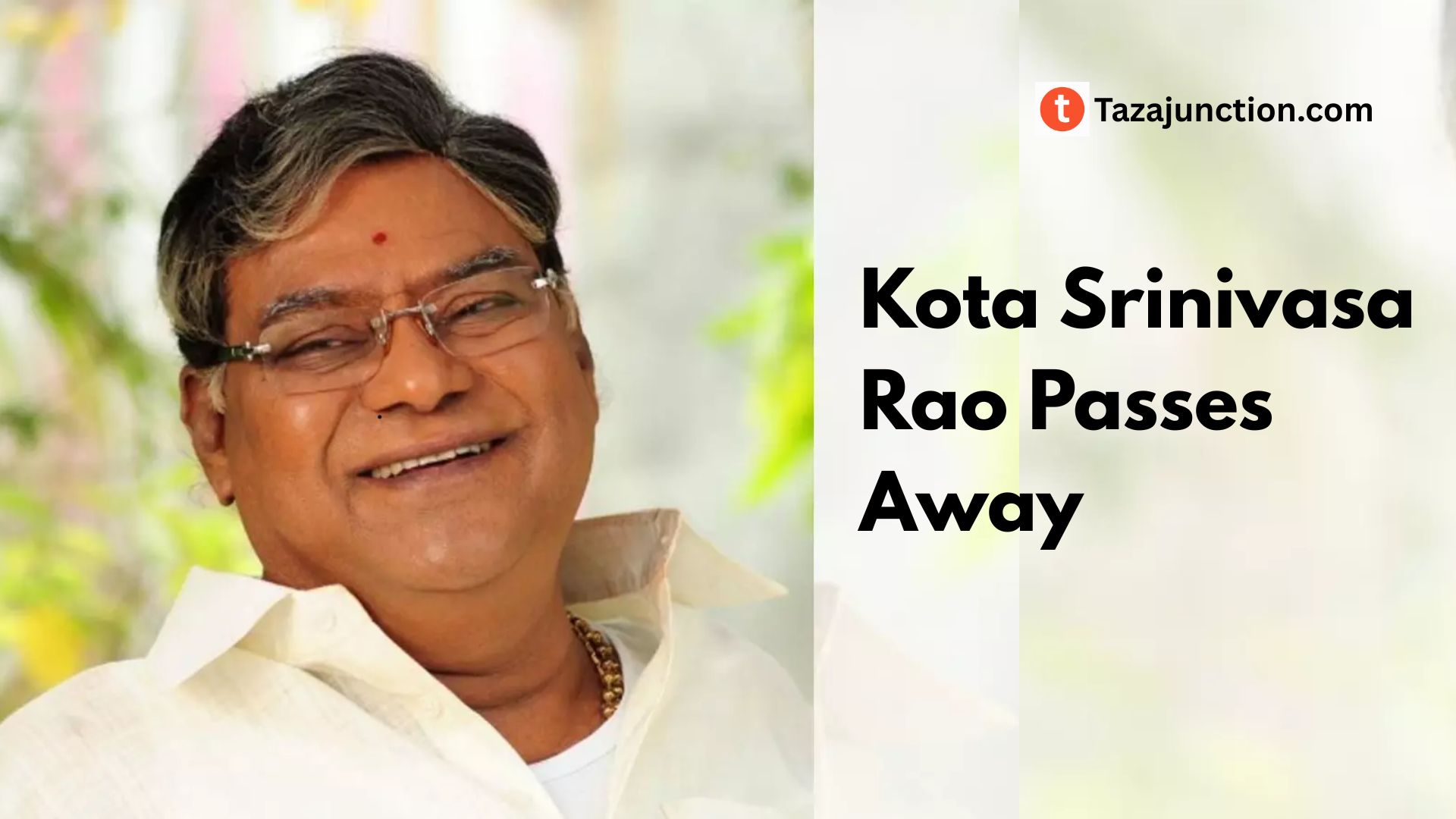
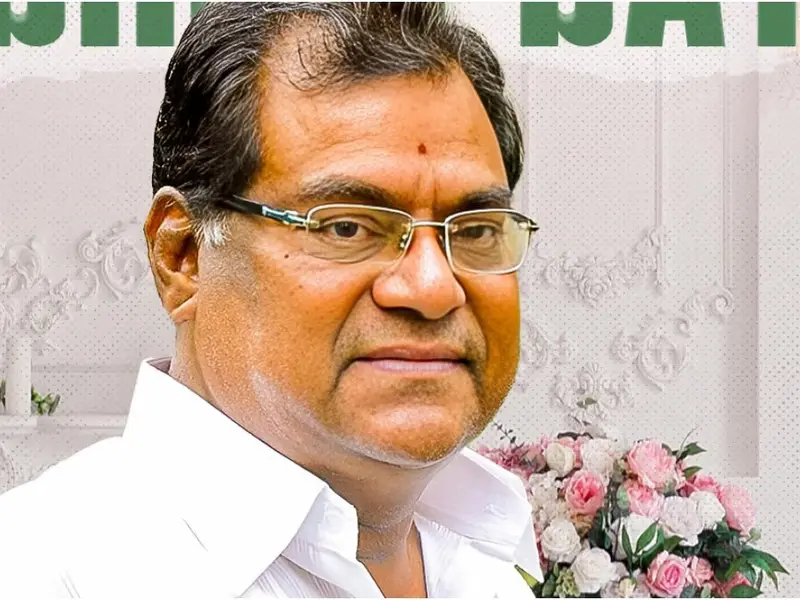
Kota Srinivasa Rao Passes Away: A Best-Known Legend {Latest}

kota srinivasa rao

On July 13, 2025, the Indian film industry bid a heartfelt farewell to one of its most cherished veterans—Kota Srinivasa Rao. At the age of 83, the legendary actor passed away at his residence in Filmnagar, Jubilee Hills, Hyderabad, following a prolonged illness.

With his demise, Indian cinema has lost not only a prolific performer but also a rare artist who mastered the craft of acting across genres, entertainment and languages. This article celebrates the life and legacy of a man who was much more than a movie star—a cultural institution, a mentor, a politician, and above all, a storyteller.


Early Life and Background

image 1752378281803

Born on July 10, 1942, in Kankipadu, a town in Krishna district, Andhra Pradesh, Kota Srinivasa Rao came from a modest background. His father, Dr. Seetha Rama Anjaneyulu, was a respected Ayurvedic doctor.

Young Kota was initially expected to follow a professional path in medicine or banking. He pursued a Bachelor of Science degree and worked briefly in State Bank of India before his passion for acting took over.

Rao’s foray into acting began on stage. He was deeply involved in theatre during his youth, performing in numerous Telugu plays. His deep voice, commanding screen presence, and natural flair for emotive performance quickly set him apart from his contemporaries. Though his family had little connection to the entertainment industry, Kota’s talent opened doors on merit alone.


Entry into Films

Kota Srinivasa Rao made his film debut in 1978 with Pranam Khareedu, which also marked the early screen appearances of another Telugu superstar, Chiranjeevi. This humble beginning sparked a career that would span nearly five decades and include more than 750 films across Telugu, Tamil, Kannada, Malayalam, and Hindi cinema.

Unlike many actors who become synonymous with a single role or genre, Kota carved a unique niche for himself. He was known for slipping seamlessly between roles—villains, comedians, ministers, teachers, and fathers—with equal ease. Whether it was a chilling antagonist or a bumbling yet lovable uncle, he gave life to every character he portrayed.


Master of Versatility

Kota’s real genius lay in his ability to transform into characters that were complex, layered, and often contradictory. His performances in films such as Siva (1989), Gaayam (1993), Pratighatana (1985), and Sarkar (2006) demonstrated his capability to play intimidating antagonists. He didn’t rely on loudness or physical aggression—his calm menace and expressive eyes conveyed far more than words ever could.

At the same time, his roles in comedies like Aha Naa Pellanta! (1987), Money (1993), Hello Brother (1994), and Bavagaru Bagunnara showcased his impeccable comic timing. His dialogue delivery, laced with sarcasm and wit, made him a staple in Telugu family entertainers during the ’90s and early 2000s.

Kota also took on emotionally rich characters in films like Bommarillu, Aa Naluguru, Leader, Athadu, and Attarintiki Daredi. In each of these, he brought depth, vulnerability, and realism to his roles, making them unforgettable.


Pan-Indian Appeal

While primarily known for Telugu films, Kota’s influence extended beyond Tollywood. He appeared in Tamil hits like Saamy (2003) and Anniyan (2005), where he earned praise from critics and audiences alike. In Kannada, he acted in Kabzaa (2023), and in Malayalam, he made an appearance in The Train (2011). His brief but impactful presence in Bollywood, particularly in Sarkar opposite Amitabh Bachchan, also drew acclaim.

His command over language, regardless of region, and his ability to grasp the emotional tone of each film made him a valued actor in multiple industries.


Awards and Recognition

Kota Srinivasa Rao’s contribution to Indian cinema has been widely acknowledged through numerous awards:

  • He received 9 Nandi Awards, Andhra Pradesh’s highest honor for cinema, for his exceptional performances in villainous and character roles.
  • In 2012, he was honored with a SIIMA Award for his role in Krishnam Vande Jagadgurum.
  • In 2015, the Government of India awarded him the Padma Shri, the nation’s fourth-highest civilian honor.

These accolades not only recognized his acting prowess but also his impact on elevating the standard of supporting and character roles in Indian cinema.


A Foray into Politics

In a move that surprised many but made sense given his public appeal and thoughtful personality, Kota entered politics in 1999. Representing the BJP, he was elected as the MLA from Vijayawada East constituency and served until 2004.

During his time in office, he remained committed to social causes and advocated for better cultural funding and development in Andhra Pradesh. Although he returned to films after his political stint, he remained vocal about social issues, particularly those affecting artists and the middle class.


Personal Life and Loss

Behind the scenes, Kota was a deeply spiritual and family-oriented man. He was married to Rukmini, and the couple had three children. Tragedy struck in 2010 when his only son, Kota Venkata Anjaneya Prasad, an aspiring actor himself, died in a road accident. This loss had a profound impact on Kota, leading him to temporarily step away from films.

Despite his personal grief, he returned to acting, perhaps using his pain to add more emotional depth to his performances. He also became an advocate for road safety and youth awareness programs, using his influence to bring about public consciousness.


Tributes and Public Mourning

Following his passing, tributes poured in from across the nation. Prime Minister Narendra Modi called him a “champion of the underprivileged and a stalwart of Indian cinema.” Celebrities like Chiranjeevi, Pawan Kalyan, Vishnu Manchu, and Rana Daggubati expressed their sorrow, calling him a father figure and mentor.

His funeral was attended by political leaders, film personalities, and thousands of fans. Held with full state honors in Hyderabad, it reflected the deep respect he had earned across different walks of life.


Legacy and Cultural Impact

Kota Srinivasa Rao’s body of work has inspired generations of actors and filmmakers. In an era when hero-centric narratives dominated the screen, he carved a space for supporting roles to shine. He proved that an actor doesn’t need to be the protagonist to leave a lasting impact.

His characters were often a mirror to society—complex, flawed, human. From corrupt politicians to wise elders, from conniving villains to loving grandfathers, his range was unmatched. He could deliver a punchline, a moral, or a threat—all with the same authenticity.

He also bridged generations of cinema, acting alongside legends like N.T. Rama Rao, Akkineni Nageswara Rao, and Chiranjeevi, while remaining relevant into the digital era.


Conclusion

The passing of Kota Srinivasa Rao marks the end of an era in Indian cinema. He wasn’t just an actor—he was an institution, a teacher, a servant of the people, and an artist who lived through and for storytelling. His versatility, humility, and unwavering commitment to his craft made him a household name, not just in Andhra Pradesh or Telangana, but across India.

Though the man has left this world, the characters he brought to life will live on in our memories, on our screens, and in the very fabric of Indian cinematic history. For generations to come, students of acting will study his expressions, mimic his delivery, and learn from his life.

As the curtains fall on a remarkable life, one thing is certain—Kota Srinivasa Rao will forever remain a shining star in the vast galaxy of Indian cinema.

Rest in peace, Kota Garu. Your legacy is eternal.

Elli Avram And Ashish Chanchlani Have Confirmed Their Relationship

IMG 4656

.Their Instagram Reveal

Elli avram and ahish chanchlani have confirmed their relationship they went public with a romantic pose photo with caption of ‘Finally’ on july 12, 2025 with collab post in instagram.

.Their First Appearance

Their first rumored appearance at the elle list event in february 2025

IMG 4657

.Fan Emotions And Comments

IMG 4658
IMG 4659 1

.Here Some Memes

.Here A Some News

. Celebrity Engagement.

IMG 4660
IMG 4661
. Personal Growth Of Ashish Chanchlani.

. Subscribers: Over 30 million on Youtube.

. Followers: Over 17 million on Instagram.

. Recognized as on of the top indian content creators.

. Venturing into OTT platforms and film projects, hinting at his evolving creative ambitions

.Personal Growth Of Eli Avram

Persistently improved her Hindi, acting, and dancing. By her 2015 release Kis Kisko Pyaar Karoon, she could comfortably converse and collaborate in Hindi on-set MillenniumPost+10FilmiBeat+10Wikipedia+1

PhaseWhat She FacedHow She Grew
Arrival in MumbaiLanguage barrier, industry doubtsLearned Hindi, took acting/dance training
Reality TV PhaseStereotypes & initial fameBuilt recognition, stayed grounded
Early Career SetbacksNegative feedback, sexism, miscastingDeveloped resilience, stayed committed
Later Film RolesTypecasting in glam rolesBroke into dramatic and performance-driven projects
Personal DevelopmentHomesickness, identity transitionsEmbraced gratitude, mental strength and integrity

You Might be intrested in

https://tazajunction.com/category/entertainment

Don’t Eat This Things In The During Of Shrawan Month

According to Drik Panchang, this year the month of sawan will start on july 11, 2025 and will end on august 9, 2025. So don’t Eat This Things By Mistake In The During Of Shrawan Month

The month of Sawan (Shravan) is considered very holy in Hinduism, especially for the worship of Lord Shiva. Certain things are prohibited in this month, both for religious and health reasons. Let’s know what not to eat in Sawan:

During the month of Sawan, many devotees engage in the ritual of fasting, which is accompanied by a unique dietary regimen. Understanding the implications of what you eat during this month is crucial for maintaining both spiritual and physical health. For instance, people often replace regular meals with fasting foods that are lighter and easier to digest. This not only aligns with the spiritual significance of the month but also helps in detoxifying the body.

Don't Eat This Things By Mistake In The During Of Shrawan Month

Har Har Mahadev🙏

🌿 What not to eat in Sawan:

IMG 3980 Original

Non-vegetarian food 🍗🐟

Non-vegetarian food 🍗🐟

Non-vegetarian food is not just restricted due to religious beliefs but also due to the season of Sawan. The rainy season can lead to food spoilage, making meat more susceptible to contamination. Therefore, sticking to vegetarian diets during this time not only adheres to religious practices but also promotes health and safety.

Meat is prohibited from religious point of view.

This month is considered a symbol of purity and restraint.

Garlic and onions are indeed referenced as ‘tamasic’ foods, which are believed to hinder spiritual practices. In Ayurveda, these foods are thought to increase negative energy, making it challenging for devotees to maintain focus during prayers. Instead, consider using alternatives like ginger or green chilies that can enhance flavor without compromising spiritual intent.

Garlic and onion 🧄🧅

While milk is a staple in many diets, heavy preparations can slow digestion. A good alternative is to consume lighter versions of milk dishes, such as a simple glass of buttermilk or a small bowl of yogurt, which can help in maintaining gut health while adhering to dietary restrictions.

These come under the category of “tamasic” food, which can disturb meditation and worship.

Heavy milk dishes 🥛

Oil-fried dishes may provide comfort food during the rainy season, but they can lead to discomfort. Instead of fried snacks, consider steaming or air-frying options. For example, try making steamed vegetable dumplings or air-fried potato wedges seasoned with herbs to keep the diet healthier.

Instead of sour foods, opt for fresh fruits that are naturally sweet and hydrating, such as apples, pears, or melons. These fruits provide essential nutrients and energy, which can be beneficial during fasting periods. Moreover, they help maintain hydration and support overall well-being.

It is okay to consume milk in the morning, but heavy sweets or kadha doodh should not be taken at night.

Raw milk is offered to Lord Shiva, so it should be consumed in limited quantities.

IMG 4651

Oil-fried dishes 🍟

To ensure that your meals are fresh, try to cook in smaller batches. This practice not only minimizes food wastage but also guarantees that you consume only the freshest foods, keeping your body in optimal condition during this sacred period.

The digestive system remains weak during the rainy season. Fried food can increase the problem of acidity and gas.

Spicy foods can have a profound effect on the body, leading to discomfort and irritation. Instead, focus on milder spices such as turmeric and coriander, which are easier to digest and have anti-inflammatory properties, thereby supporting a calmer state of mind during meditation and prayer.

Sour things like tamarind, curd, lemon 🍋

In addition to the mentioned foods, consider incorporating herbal teas, particularly those made from ginger or mint, which can aid digestion and provide warmth during the cooler, rainy days of Sawan. These drinks can enhance your overall experience and health during the fasting period.

These are especially avoided during the Monday fast.

These things are considered forbidden in Shiva worship.

Lastly, staying hydrated is crucial. Make sure to drink plenty of water throughout the day to support your body’s needs while fasting. This simple practice can have a significant impact on how you feel and perform during the month.

Stale food 🍱

Stale or food prepared the day before is harmful from a health and religious point of view.

IMG 4653
Excessively spicy food 🌶️

This can make both the mind and the body unstable, which hinders fasting and meditation.

It is essential to remember these guidelines to maintain health and spiritual focus during the month. Don’t Eat This Things By Mistake In The During Of Shrawan Month.

What to eat in Sawan:

Fruits, dry fruits, sago, buckwheat/water chestnut flour, gourd, ridge gourd, cucumber, and light food.

Drink herbal tea or lukewarm water.

If you are fasting, follow the rules of fasting and take a satvik diet.

So make sure don’t eat this things in the during of shrawan month