Infosys Q1 Result: A Solid Start to FY26 with Strong Deal Momentum and AI-Led Growth

infosys q1 result

India’s second-largest IT services company, Infosys, kicked off the financial year 2025–26 with a promising performance.

The Infosys Q1 result revealed strong revenue growth, improved profit margins, and healthy large deal wins, all pointing to a confident and strategically focused approach amidst a still-challenging global environment.

With continued investment in generative AI, automation, and cloud, Infosys is staying on course to navigate economic uncertainty and client caution.

Also check Reliance Industries Q1 Result for the first quarter of the financial year 2025-26.

Revenue and Profit Growth: A Steady Climb

The Infosys Q1 result showcased a revenue of ₹42,279 crore, marking a 7.5% increase on a year-on-year basis. In constant currency terms, this translated to a sequential growth of 3.3%, indicating steady progress despite macroeconomic headwinds. The company’s digital and AI-first transformation strategy is playing a pivotal role in driving client engagements and revenue streams.

Net profit stood at ₹6,921 crore, an increase of 8.7% compared to the same quarter last year. This reflects efficient cost management and a focus on high-margin service lines.

The operating margin for the quarter was 20.8%, slightly down from previous levels but within the guided range of 20–22%. The company attributed the slight dip in margins to seasonal wage hikes and currency fluctuations, though these were largely offset by productivity initiatives.

Ola Electric’s stock market debut in 2024 was one of the most anticipated IPOs in recent memory. You can read more about Ola electric share price gain.

Strong Deal Wins: $3.8 Billion in the Bag
image 88

One of the most encouraging highlights from the Infosys Q1 result was the robust total contract value (TCV) of $3.8 billion in large deals.

Out of this, 55% were net new contracts, indicating the company’s growing client base and increased wallet share among existing clients. This deal momentum continues to affirm Infosys’s ability to win transformation-led projects in key markets, including the US and Europe.

The strong performance in deal wins helped the company revise its full-year revenue growth guidance. Infosys now expects revenue to grow between 1% to 3% in constant currency for FY26, up from its earlier projection of 0–3%.

This slight but meaningful upward revision reflects increased visibility into client pipelines and demand for next-generation technology services.

AI and Digital at the Forefront

Infosys’s continued emphasis on artificial intelligence and automation is beginning to bear fruit. The company reported that many clients are adopting enterprise-scale AI programs, which are helping them improve operational efficiency and customer engagement.

Infosys’s proprietary AI framework and tools have helped deliver productivity gains of up to 15% for some of its major clients.

The Infosys Q1 result emphasized that generative AI is not just a buzzword—it is now a core part of client strategies and Infosys’s own delivery model.

From financial services to manufacturing and retail, AI is being deployed across industries for use cases like code generation, predictive maintenance, customer service chatbots, and intelligent data analytics.

Segment-Wise and Geographic Performance

Looking deeper into the performance by industry verticals, the financial services segment—Infosys’s largest business unit—saw a stable year-over-year growth of 5.6% in constant currency.

Manufacturing, another key vertical, grew by an impressive 12.2%, supported by increased digitization and automation initiatives. The energy and utilities segment also performed well, with 6.4% growth, while other segments like retail and hi-tech showed more subdued performance.

From a geographic perspective, Europe was the standout performer, registering double-digit growth and contributing 31.5% of overall revenue.

North America, which accounts for 56.5% of Infosys’s business, posted moderate growth, reflecting ongoing caution in discretionary tech spending by clients in that region. The Indian market remained flat, while Asia-Pacific and the rest of the world showed marginal improvements.

Operating Metrics and Cash Flow

Another strong point in the Infosys Q1 result was its healthy operating and financial metrics. Free cash flow for the quarter stood at $884 million (approximately ₹7,500 crore), which is equivalent to 109% of net profit. This underscores the company’s robust cash conversion and its ability to self-fund future growth initiatives.

The utilization rate (excluding trainees) stood at around 82%, reflecting efficient workforce management. Attrition was maintained at relatively stable levels at 14.4%, lower than the post-pandemic highs seen in 2022. Infosys continues to invest in employee reskilling, leadership development, and campus hiring to build a future-ready workforce.

Cost Management and Margin Stability

image 89

Infosys’s internal productivity program, Project Maximus, played a crucial role in margin protection during the quarter. Despite wage hikes, currency headwinds, and travel resumption, Infosys was able to maintain operating margins within the target range through automation, pyramid optimization, and better resource utilization.

The company remains confident in delivering 20–22% operating margins for FY26. Infosys has demonstrated that it can withstand inflationary pressures through operational discipline and continuous improvement in project delivery models.

Management Commentary and Market Outlook

In the earnings call following the Infosys Q1 result, company leadership expressed confidence in demand recovery across core markets. The management stated that clients are beginning to accelerate investments in cloud, AI, cybersecurity, and digital transformation after a period of cautious spending.

The company also expects the second half of the fiscal year to be stronger in terms of deal conversions and revenue recognition, given the strong pipeline of opportunities and the gradual easing of macroeconomic concerns.

Infosys’s emphasis on long-term digital transformation, combined with a deep bench of skilled professionals, places it in a strong position to grow faster than many of its peers.

Investor Reaction and Stock Movement

Despite the positive numbers, the stock market reaction to the Infosys Q1 result was mixed. While the results exceeded expectations in terms of profit and deal wins, the cautious guidance and continuing concerns over global IT spending kept investors watchful.

Infosys shares remained largely flat following the earnings announcement, reflecting a balanced market sentiment.

Analysts have varied views on the stock. Some brokerages retained their “Buy” ratings citing strong fundamentals and attractive valuations, while others maintained a more “Neutral” stance due to near-term uncertainty in client budgets.

Challenges Ahead

While the Infosys Q1 result was broadly positive, some challenges remain. Discretionary spending by clients, especially in sectors like retail and high tech, continues to be delayed or reprioritized.

Additionally, currency volatility, wage inflation, and increasing competitive intensity from both Indian and global IT players could pose risks to margins.

Furthermore, although Infosys has embraced generative AI effectively, competition in this space is heating up with rivals also accelerating their AI offerings. Continuous innovation and differentiated value propositions will be key to maintaining leadership.

Conclusion: Infosys Steadies the Ship

Overall, the Infosys Q1 result reflects a well-balanced performance—one that combines financial strength with strategic clarity.

The company’s proactive investment in AI, its ability to win large transformation deals, and disciplined cost management have all helped Infosys stay ahead in an evolving tech landscape.

With strong fundamentals, a growing pipeline of digital opportunities, and an enterprise-wide focus on AI and productivity, Infosys is well-positioned to achieve its FY26 goals.

While external headwinds remain, the company has proven yet again that it can deliver consistent results while preparing for long-term growth.

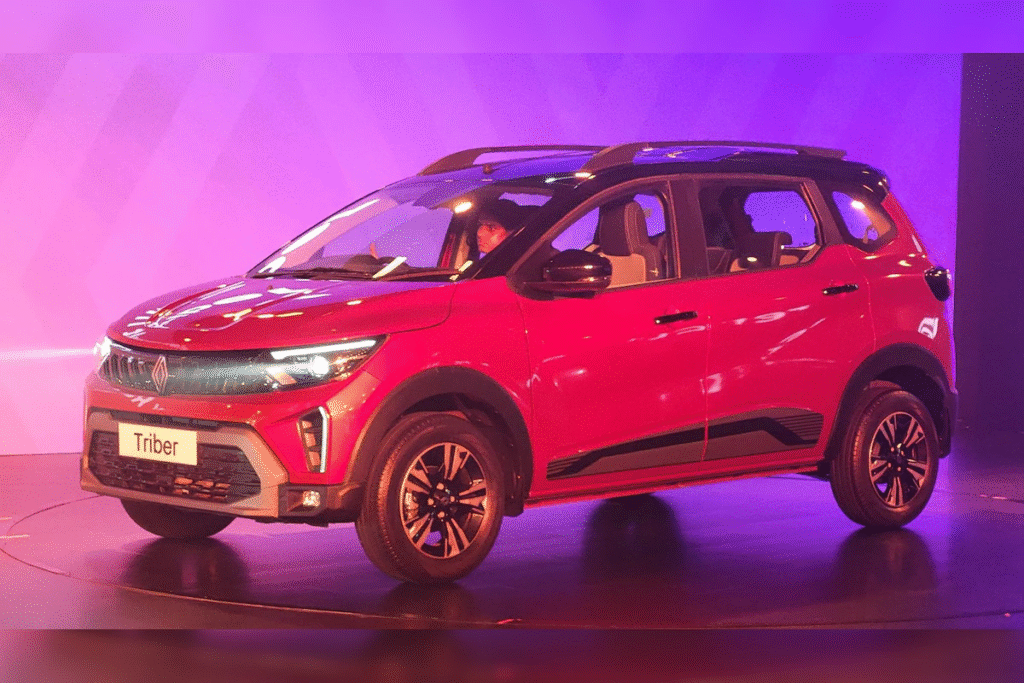
Renault Triber Facelift Launched at Rs 6.29 Lakh: A Complete Upgrade for the Urban Family

renault triber facelift

Renault India has launched the much-anticipated facelift of its best-selling MPV, the Triber. With the Renault Triber Facelift Launched at Rs 6.29 Lakh, the French automaker continues its aggressive push into the competitive compact MPV segment.

The new Triber facelift brings a host of visual upgrades, feature enhancements, and safety improvements, while still retaining its strong value-for-money proposition.

The 2025 Triber aims to cater to the evolving needs of Indian families looking for affordability, space, and style in one compact package.

Also you can take a deep dive into the Toyota Fortuner 2025—covering its design, engine options, features, performance, safety, pricing, and more.

Fresh Design and Styling Changes

With the Renault Triber Facelift Launched at Rs 6.29 Lakh, the car gets a more refined and modern appearance. At the front, the facelift features a redesigned grille with angular slats and the brand’s updated 2D Renault logo, giving it a more premium look.

Sleek LED projector headlamps with new LED daytime running lights enhance both visibility and road presence. The bumper design has been tweaked with a sportier silver-finished skid plate, adding to the rugged urban appeal.

The rear of the vehicle also receives subtle updates, including smoked LED tail lamps and a restyled bumper with a more integrated look. The “TRIBER” badging is now placed boldly across a gloss-black strip, which adds to the car’s visual width.

Additionally, the facelift introduces three new exterior color options—Amber Orange, Zanskar Blue, and Shadow Grey—bringing the total palette to seven stylish choices. All variants also benefit from newly designed 15-inch dual-tone alloy wheels.

Besides it, if you are fond of Tata Motors then his article delves into these four key Tata electric cars models and explores how Tata Motors is shaping the future of electric mobility in India and beyond.

Refreshed Cabin and Comfort Features

image 87

A major highlight when the Renault Triber Facelift Launched at Rs 6.29 Lakh is its upgraded interior. Renault has added over 35 new features to improve comfort, convenience, and connectivity.

The dashboard now sports a dual-tone black-and-beige theme with a textured finish that feels more upmarket. A new 8-inch touchscreen infotainment system takes center stage, now supporting wireless Android Auto and Apple CarPlay.

The digital instrument cluster is another major improvement, offering crisp graphics and multiple display modes. Renault has also added new tech such as wireless charging, cruise control, automatic climate control, and rain-sensing wipers. Higher variants get ambient LED lighting and auto-folding ORVMs, further elevating the premium experience.

One of the key USPs of the Triber remains its flexible 7-seat layout. The second and third-row seats can be folded, tumbled, or removed completely to suit passenger or cargo needs. With all rear seats down, the boot space expands to a massive 625 liters—unmatched in this segment.

Engine, Performance, and Efficiency

The powertrain remains unchanged from the previous model. The Renault Triber Facelift Launched at Rs 6.29 Lakh continues to be powered by a 1.0-liter, 3-cylinder naturally aspirated petrol engine. It delivers 72 PS of power and 96 Nm of torque, mated to either a 5-speed manual or a 5-speed AMT gearbox. While this engine isn’t performance-focused, it is tuned for city driving and fuel efficiency.

The claimed mileage for the manual variant is around 20 km/l, while the AMT delivers slightly less. In real-world conditions, users can expect about 12–14 km/l in mixed driving. Renault also offers a CNG kit as a dealer-level retrofit, appealing to customers looking for even more economical running costs.

Segment-First Safety Features

One of the standout aspects when the Renault Triber Facelift Launched at Rs 6.29 Lakh is its improved safety suite. Renault has made several critical features standard across all variants, including six airbags—driver, passenger, and curtain airbags for both front and rear occupants.

Other safety upgrades include electronic stability program (ESP), hill-start assist, tyre pressure monitoring system (TPMS), rear parking camera with dynamic guidelines, and a 360-degree camera.

The facelift also comes with speed-sensing door locks, ISOFIX child seat anchors, front seatbelt reminders for all passengers, and three-point seatbelts on all rows.

This comprehensive list of safety features makes the new Triber one of the most secure offerings in its class, which is especially important for family buyers.

Variants and Price Breakdown

When the Renault Triber Facelift Launched at Rs 6.29 Lakh, Renault announced four main variants—Authentic, Evolution, Techno, and Emotion. Here is a breakdown of the new pricing:

  • Authentic (Manual) – ₹6.29 lakh
  • Evolution (Manual) – ₹7.24 lakh
  • Techno (Manual) – ₹7.99 lakh
  • Emotion (Manual) – ₹8.64 lakh
  • Emotion (AMT) – ₹9.16 lakh

These are ex-showroom prices. On-road prices may vary depending on state taxes and insurance but are expected to range from ₹7.27 lakh to ₹10.5 lakh.

This pricing ensures that the Triber remains the most affordable seven-seater in India, undercutting key competitors like the Maruti Suzuki Ertiga, Kia Carens, and even the entry-level Mahindra Bolero Neo.

Target Audience and Use Cases

The Triber facelift primarily targets urban families, first-time car buyers, and those looking to upgrade from a small hatchback to a more versatile vehicle. With its modular seating, spacious interior, and enhanced features, the new Triber is ideal for both city commuting and weekend getaways.

It also appeals to cab operators and shared mobility users who need a flexible, economical, and comfortable vehicle. The new features added in the facelift further enhance its usability for commercial and personal use alike.

User Impressions and Market Expectations

Even before the facelift, the Triber earned praise for its clever packaging, modular seating, and affordability. However, customers had raised concerns about limited power and lack of features in the older models. With the facelift, Renault has addressed most of these pain points—especially in terms of features and safety.

That said, performance enthusiasts may still find the 1.0-liter engine underpowered for highway runs with full load. But for most daily users—especially those sticking to city limits—the Triber performs adequately, with light steering and decent fuel economy.

With the Renault Triber Facelift Launched at Rs 6.29 Lakh, expectations are high that Renault will regain market traction, especially in the sub-₹10 lakh MPV space. The facelift has significantly enhanced the Triber’s value proposition without drastically increasing prices.

Renault’s Strategy for India

Renault India has been consolidating its lineup to focus on high-volume, value-oriented models. The Triber, Kwid, and Kiger continue to be the brand’s core offerings. With the facelifted Triber, Renault aims to not just retain existing customers but also attract first-time buyers who want more car for their money.

The company has also expanded its dealership network and is offering extended warranties, roadside assistance, and exchange offers to make ownership more hassle-free. Special finance schemes and low-cost EMI options are also expected during the festive season, making it even more attractive.

Conclusion

With the Renault Triber Facelift Launched at Rs 6.29 Lakh, Renault has breathed new life into one of its most successful models. It’s not just a cosmetic upgrade; the facelift introduces meaningful changes that enhance practicality, comfort, safety, and technology.

For buyers looking for a sub-₹10 lakh family car that can carry seven passengers, adapt to different needs, and still be light on the pocket, the Triber facelift stands out as a compelling choice. Renault has carefully balanced affordability and features, ensuring that the Triber remains a top contender in its segment.

Whether you’re a city commuter, a small business owner, or a family of six looking for a reliable people-mover, the new Renault Triber facelift ticks all the right boxes—at a price that’s hard to beat.

Kantara Chapter 1: New Making Video Out – A Spectacular Cinematic Journey Begins

kantara chapter 1

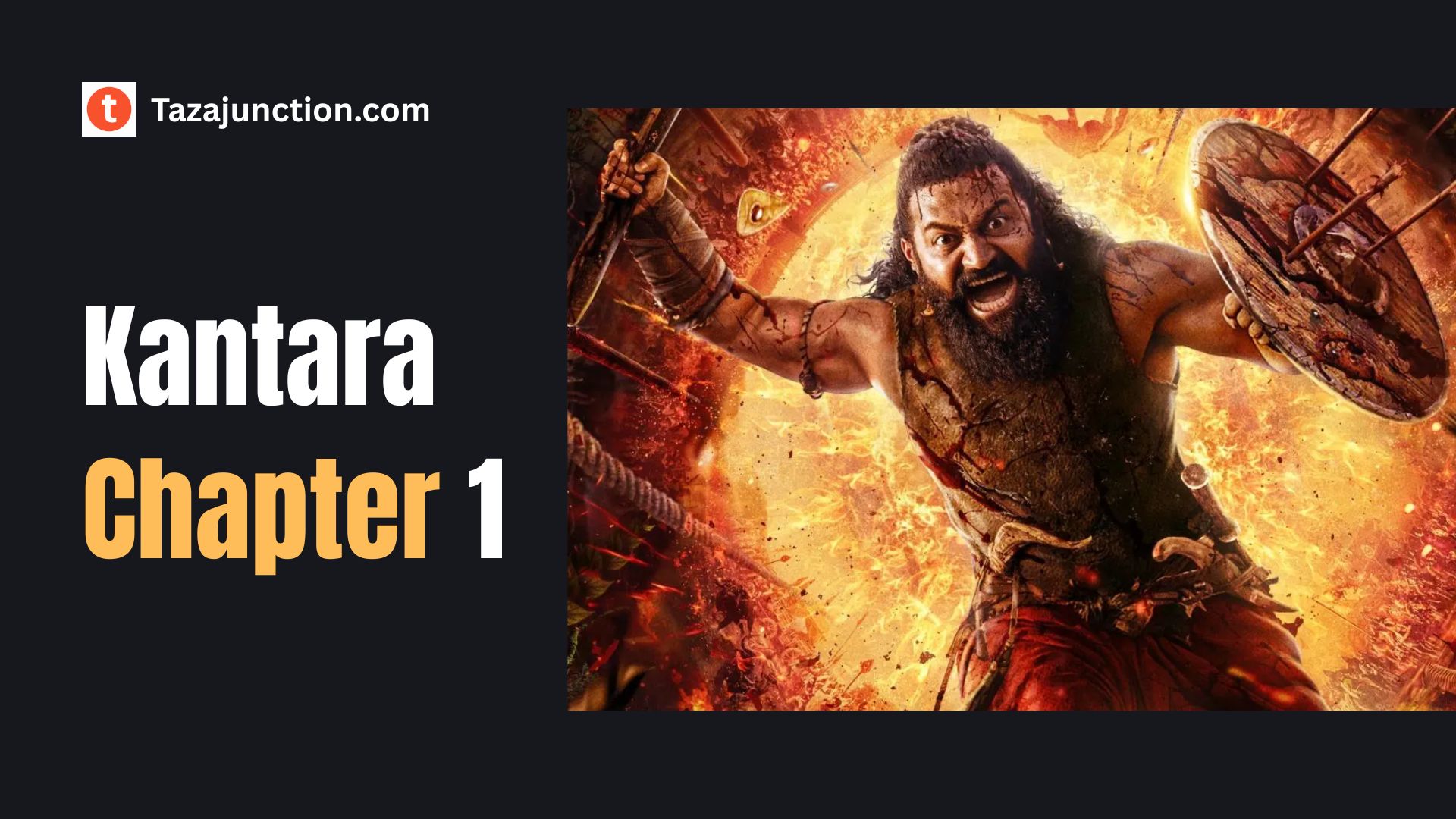
The excitement surrounding the upcoming Kannada epic Kantara Chapter 1 has reached new heights with the release of its making video. Following the unprecedented success of the original Kantara film in 2022, the prequel promises to deepen the rich mythological and cultural roots that captivated audiences.

Directed by the talented Rishab Shetty and produced by Hombale Films, Kantara Chapter 1 showcases a grander scale of production, intense action, and profound storytelling that honors Indian heritage.

The making video offers a fascinating behind-the-scenes look at the enormous effort invested over more than three years, highlighting the film’s commitment to authenticity and cinematic excellence. It gives fans and film enthusiasts an exclusive preview of what promises to be an extraordinary chapter in Indian cinema.

If you are on OTT platform then you can watch Aap Jaisa Koi movie on Netflix. This movie stars R Madhavan and Fatima Sana Shaikh in lead roles.


The Making Video: A Glimpse Behind the Curtain

The newly released making video of Kantara Chapter 1 is nothing short of spectacular. It reveals the extensive production process, spanning over 250 shooting days and involving thousands of crew members working across various departments. From elaborate set designs to intricate costumes, the film has been crafted with meticulous attention to detail.

The video reveals the massive scale of production, showcasing the dedication of every department involved — including action choreography, visual effects, art direction, and sound design.

It is clear from this glimpse that the film is not only a cinematic project but a labor of love that reflects deep respect for the culture and folklore that inspired it.

If you’re a fan of emotional drama, heartfelt lyrics, and young love finding its way through hardship, Saiyaara will strike a chord.


Visionary Direction by Rishab Shetty

image 85

Rishab Shetty, who wears multiple hats as director, writer, and lead actor, continues his creative journey with Kantara Chapter 1. His passion for authenticity is evident as he dives deep into the film’s cultural background. The making video shows Shetty undergoing extensive preparations, including training in traditional martial arts and sword fighting, to bring his character to life with genuine intensity.

Shetty describes the film as a “divine journey rooted in Indian culture.” His vision for Kantara Chapter 1 goes beyond entertainment — he aims to create a cinematic experience that connects audiences emotionally and spiritually with ancient traditions. This focus on storytelling that transcends time is one of the defining aspects of the film.


Scale and Ambition: A Cinematic Marvel

One of the most striking elements revealed by the making video is the sheer scale of the film’s production. A sprawling 25-acre set has been constructed in the mountainous regions of Karnataka to replicate the historical landscapes of the Kadamba dynasty era. This elaborate set includes detailed palace interiors, rustic villages, and vast outdoor environments that transport viewers into a different time.

Action sequences, especially a massive war scene, stand out as a highlight. Choreographed by experts both national and international, these scenes feature over 500 professional fighters and nearly 3,000 extras.

The war sequence promises to be one of the most ambitious and visually stunning in recent Indian cinema, combining authentic combat with dramatic storytelling.


Music and Cinematography: Elevating the Experience

Music plays a pivotal role in Kantara Chapter 1, with composer B. Ajaneesh Loknath returning to score the prequel. His work integrates traditional Indian instruments such as the rudraveena, nadaswaram, and flute, creating a powerful auditory atmosphere that complements the film’s cultural backdrop.

Cinematographer Arvind S. Kashyap’s contribution is equally vital, as the making video showcases his skillful use of lighting and camera angles to enhance the mood and grandeur of each scene. His visual storytelling captures both the sweeping landscapes and the intense emotions of the characters, weaving together a vivid cinematic tapestry.


Cultural Roots and Significance

Kantara Chapter 1 is deeply entrenched in Indian cultural heritage, particularly the Bhuta Kola ritual tradition. The film explores the mystical and spiritual relationship between humans and nature during the reign of the Kadamba dynasty, highlighting rituals that are unique to the coastal and Malnad regions of Karnataka.

The making video underscores the filmmakers’ commitment to representing these cultural elements with accuracy and reverence. From costumes to ceremonial sequences, every aspect is designed to celebrate and preserve these ancient traditions, making the film an important cultural artifact in addition to a work of entertainment.


The Narrative: What to Expect

While the film’s detailed plot remains under wraps, the making video and statements from the director hint at a story filled with mysticism, valor, and the timeless struggle between good and evil.

It aims to explore the origins of the folklore introduced in the original Kantara film, providing viewers with rich context and deeper insight into its characters and mythology.

The narrative promises a blend of intense action, emotional depth, and spiritual reflection, making it appealing to a broad audience that appreciates mythological and historical dramas.


Anticipation and Expectations

The buzz surrounding Kantara Chapter 1 has been growing steadily, with fans eagerly awaiting its scheduled release on October 2, 2025. The making video has intensified excitement by revealing the magnitude of the project and the dedication of everyone involved.

Critics and audiences alike are expecting the film to surpass its predecessor, both in terms of scale and emotional impact. Given the success of the original Kantara, expectations are sky-high for this prequel to deliver a cinematic experience that is both visually stunning and culturally enriching.


Conclusion

Kantara Chapter 1 is shaping up to be a monumental milestone in Indian cinema. The making video offers a rare and compelling insight into the passion, effort, and artistry driving the film. From the visionary direction of Rishab Shetty to the painstakingly detailed sets and costumes, every element reflects a commitment to honoring Indian culture and storytelling.

As the film nears its release, it promises to captivate audiences with a narrative that is as thrilling as it is culturally profound. For those who cherish epic tales rooted in tradition, Kantara Chapter 1 is poised to be a must-watch cinematic journey that will leave a lasting impression.

Indian Regional Dishes: A Culinary Journey Through India’s Kitchens

indian regional dishes

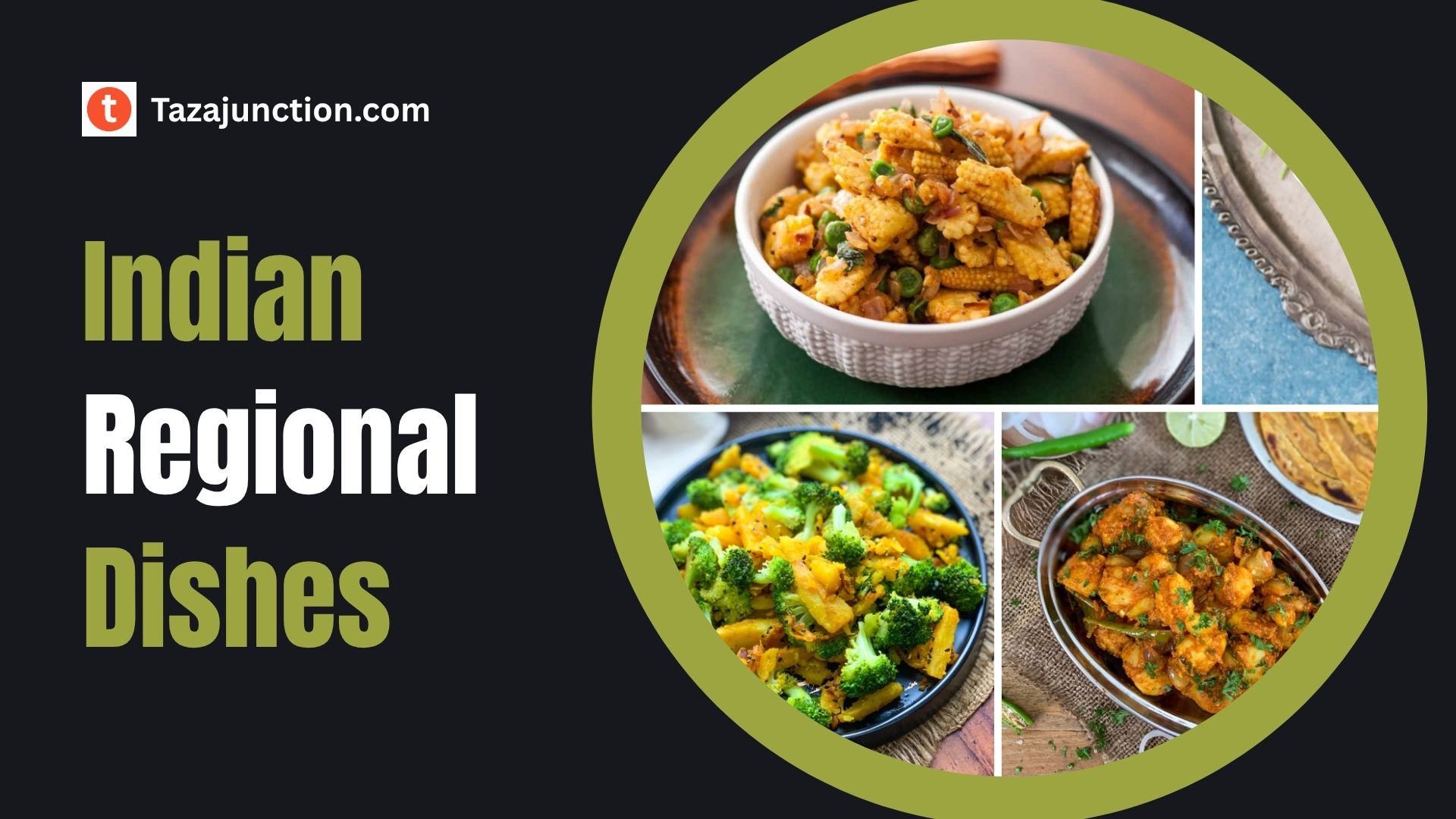
India is a nation of immense cultural and culinary diversity. From the lush valleys of the Northeast to the dry deserts of Rajasthan, each state contributes unique flavors and cooking techniques to the nation’s vast food heritage.

These Indian regional dishes are deeply tied to local traditions, ingredients, and festivals, representing far more than just recipes—they’re stories on a plate.

Below are 10 authentic Indian regional dishes, each with a rich cultural background and a simplified cooking process you can try at home.

Also, if you are fond of technology and entertainment, then you can go through our website Tazajunction.com. You will get all the updated news daily.


10 Top Indian Regional Dishes

1. Bhutte ka Kees (Madhya Pradesh)

image 75

Bhutte ka kees is a warm, comforting dish from Madhya Pradesh, especially popular in Indore. Made primarily from grated sweet corn, this dish is both savory and slightly sweet, with a soft texture that melts in the mouth.

Traditionally eaten as a light snack or breakfast, it reflects the central Indian preference for simple, seasonal ingredients enhanced with ghee and spices.

Quick Process

  1. Grate fresh corn kernels.
  2. Heat oil or ghee, add mustard seeds, green chilies, and hing.
  3. Add grated corn, turmeric, and salt.
  4. Stir in milk and simmer until thick.
  5. Garnish with coriander and a squeeze of lime.

2. Khar (Assam)

image 76

Khar is one of the most unique Indian regional dishes from Assam. It’s made using a filtered alkaline extract from sun-dried banana peels, giving the dish a very distinct, earthy flavor.

Typically paired with raw papaya or pulses, it’s traditionally served at the beginning of an Assamese meal as a palate cleanser and digestive aid. The use of natural soda from banana peels showcases Assamese ingenuity in using every part of a plant.

Quick Process

  1. Boil raw papaya cubes.
  2. Add the banana peel extract (khar water).
  3. Cook with minimal spices—salt, mustard seeds, and chilies.
  4. Let the flavors develop over a slow flame.

3. Patra (Maharashtra & Gujarat)

image 77

Patra, also known as Alu Vadi, is a traditional snack made with colocasia (taro) leaves rolled with a spiced gram flour mixture. This dish beautifully balances sweet, spicy, and tangy notes.

Originating in western India, it’s steamed, then sometimes shallow-fried for added crunch. Patra reflects the coastal influence of Maharashtra and the sweet-savory contrast loved in Gujarati food.

Quick Process

  1. Prepare a thick batter using besan, jaggery, tamarind, and spices.
  2. Spread on taro leaves, roll tightly.
  3. Steam the rolls and slice into discs.
  4. Pan-fry with sesame and mustard seeds if desired.

4. Khatte Meethi Kaddu ki Sabzi (North India)

image 78

This Khatte Meethi Kaddu ki Sabzi (pumpkin curry) is a favorite across North Indian homes, particularly during festive fasts. The dish combines the mild sweetness of pumpkin with sour tamarind and jaggery, creating a unique flavor profile.

It’s simple, quick to prepare, and often eaten with pooris or rotis. This dish is a testament to how Indian regional dishes use few ingredients to create something deeply satisfying.

Quick Process

  1. Fry cumin, hing, and green chilies in oil.
  2. Add chopped pumpkin, turmeric, and salt.
  3. Cook with tamarind pulp and jaggery.
  4. Simmer until pumpkin is tender.

5. Fara / Pitha (UP, Bihar, Chhattisgarh)

image 79

Fara or Pitha is a steamed dumpling made of rice flour and stuffed with either spiced lentils or sweet coconut-jaggery filling. It is traditionally prepared during harvest festivals and winter mornings.

Highly nutritious and filling, this dish reflects the agrarian roots of eastern and central Indian communities. It’s also a gluten-free alternative to conventional wheat snacks.

Quick Process

  1. Knead rice flour dough.
  2. Prepare a filling using ground chana dal or sweet coconut mix.
  3. Shape into crescents or balls and steam.
  4. Optionally, temper with mustard seeds and curry leaves.

6. Chakhao Kheer (Manipur)

image 80

Chakhao kheer is a beautiful rice pudding made with black or purple rice native to Manipur. This aromatic rice turns a rich shade of purple when cooked and carries a nutty flavor.

Often served at weddings and religious events, this dish is a symbol of royalty and festivity in Manipuri cuisine. Among all Indian regional dishes, this one is a visual and aromatic standout.

Quick Process

  1. Soak black rice for a few hours.
  2. Cook in milk until tender.
  3. Add cardamom and jaggery or sugar.
  4. Finish with nuts and a drizzle of ghee.

7. Saag with Bathua (North India)

image 81

A quintessential winter delicacy, saag with bathua combines mustard greens and bathua (chenopodium) for a rustic, earthy dish. It’s high in iron and fiber, often paired with makki ki roti (corn flatbread).

Widely cooked in Punjab and Uttar Pradesh, it’s a celebration of winter greens and the farm-to-plate philosophy seen in many Indian regional dishes.

Quick Process

  1. Boil spinach, mustard, and bathua leaves.
  2. Blend into a coarse paste.
  3. Cook with ginger, garlic, and cornmeal.
  4. Simmer with ghee and season to taste.

8. Rajasthani Raab / Bajre ki Raabdi

image 82

Raabdi is a fermented millet porridge made with buttermilk and bajra flour. It’s commonly consumed in the Thar region for its cooling and nourishing qualities.

During harsh winters or illness, this dish provides warmth and easy digestion. Its fermentation process is an ancient method that boosts gut health, making it one of the most wholesome Indian regional dishes.

Quick Process

  1. Mix bajra flour with buttermilk.
  2. Allow it to ferment overnight.
  3. Cook with jeera, ajwain, and salt.
  4. Simmer until it becomes thick and smooth.

9. Haleem (Traditional Muslim Dish)

image 83

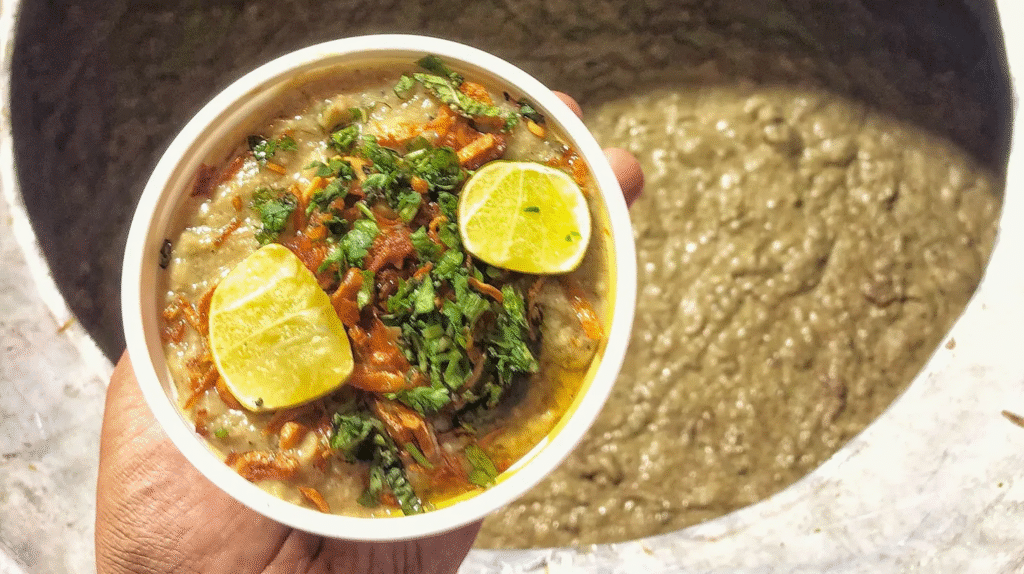
Haleem is a meat-and-lentil stew slow-cooked to creamy perfection. Originating from Persia and popular in Hyderabad and Lucknow, it’s made during Ramadan and special occasions.

With layers of spices, grains, and ghee, it represents the celebratory richness of Muslim culinary traditions in India.

Quick Process

  1. Soak and boil wheat, dal, and barley.
  2. Cook mutton with onion, ginger-garlic, and spices.
  3. Combine and mash into a thick paste.
  4. Garnish with fried onions, lemon, mint, and ghee.

10. Sandhyaa Rasam (Tamil Nadu)

image 84

Sandhyaa Rasam is a simple yet powerful tamarind-based soup from Tamil Nadu, served in the evening (Sandhyaa) for its lightness and digestive properties.

It’s spiced with pepper, cumin, garlic, and curry leaves. Unlike restaurant-style rasams, this version is lighter and homemade, meant to soothe and refresh the system at day’s end.

Quick Process

  1. Boil tamarind water with tomatoes and rasam powder.
  2. Add cooked toor dal.
  3. Temper with mustard seeds, curry leaves, and black pepper.
  4. Serve hot with rice or sip like broth.

Conclusion

These Indian regional dishes aren’t just meals—they’re stories of resilience, creativity, and community. They utilize local ingredients, seasonal produce, and time-tested techniques passed down through generations.

Whether you’re enjoying the steamed elegance of patra, the festive richness of haleem, or the healing warmth of raabdi, you’re partaking in culinary history.

By embracing these recipes, we celebrate not only flavors but also the incredible cultural diversity of India—one region, one dish, one bite at a time.

Samsung Galaxy Z Fold 7: 120Hz Brilliance, Specifications, and Pricing Unveiled

samsung galaxy z fold 7

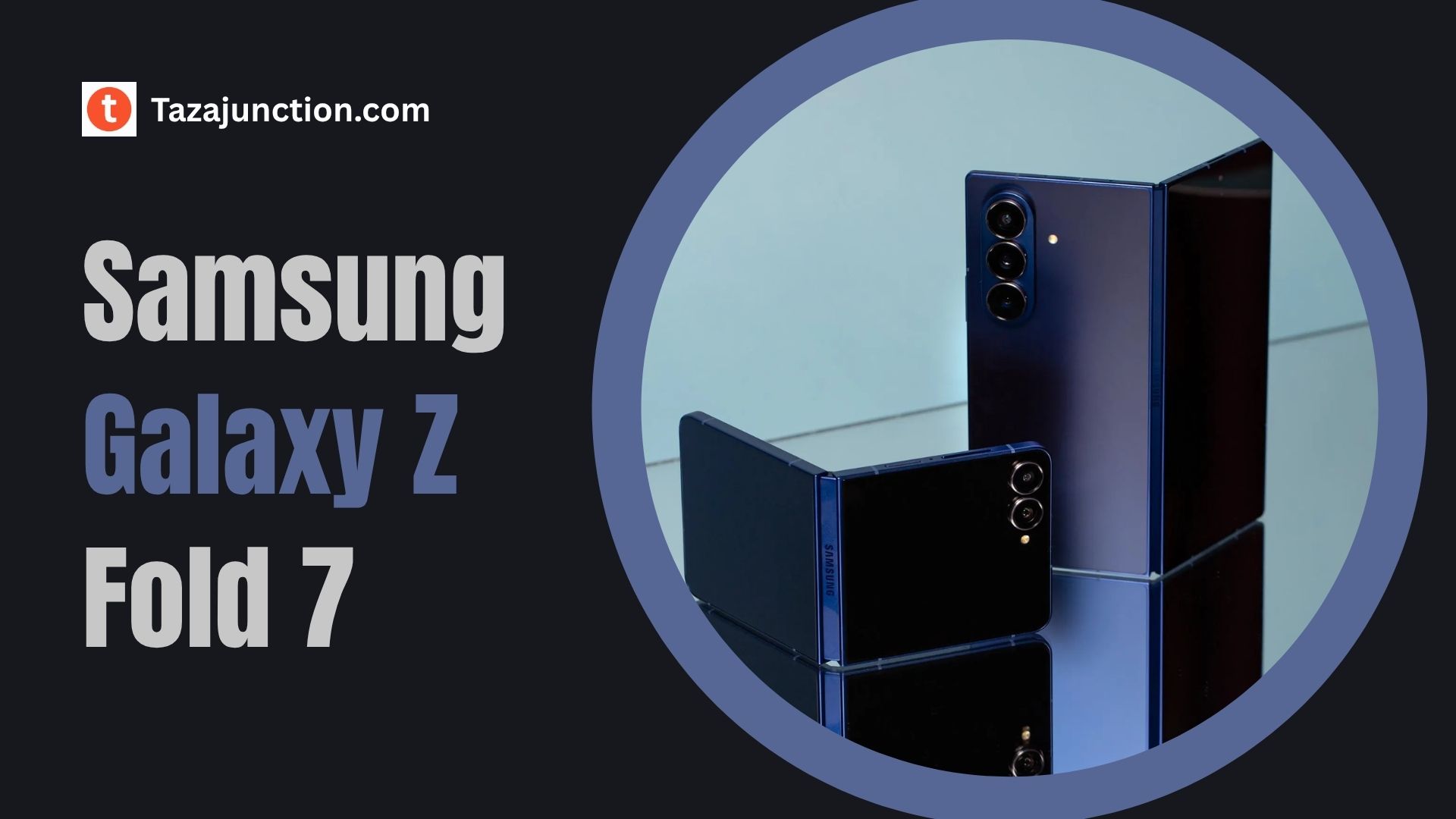
The Samsung Galaxy Z Fold 7 marks a bold step forward in the evolution of foldable smartphones. As Samsung’s flagship foldable for 2025, it combines cutting-edge hardware, immersive displays, refined design, and futuristic software features.

With a 120Hz display on both the inner and outer screens, a slimmer chassis, and the powerful Snapdragon 8 Gen 3 processor, the Samsung Galaxy Z Fold 7 is the most advanced foldable phone Samsung has ever created.

This Tazajunction.com article explores the device’s key specifications, price, display features, and performance, offering a complete overview for tech enthusiasts and prospective buyers.


Design and Build – A Sleeker Foldable Form

1. Ultra-Thin Design and Lightweight Body

Samsung has made notable improvements in design with the Samsung Galaxy Z Fold 7, which is now thinner and lighter than any of its predecessors. When folded, the phone is just 8.9mm thick, and when unfolded, it measures a wafer-thin 4.2mm. Despite this slimmer profile, it maintains solid durability, thanks to Titanium side rails and the new Flex Hinge system.

The device weighs only 215 grams, which is surprisingly light for a phone that doubles as a tablet. This significant weight reduction makes it much more comfortable for prolonged use, whether folded or unfolded.

2. IP48 Rating – First Dust-Resistant Foldable

For the first time in the Fold series, the Samsung Galaxy Z Fold 7 comes with an IP48 rating, offering dust resistance—a crucial upgrade for a foldable device. Samsung continues to set new benchmarks in the foldable segment with meaningful improvements to everyday usability and longevity.

Apple is preparing for the launch of its next-generation smartphone — the iPhone 17 series, expected in September 2025 — and leaks surrounding the new colour options have generated significant buzz. So you read our article on the iPhone 17 Colours confirmation.


Display – Dual 120Hz AMOLED Brilliance

1. Main Display – Immersive and Powerful

The inner display is an 8.0-inch QXGA+ Dynamic AMOLED 2X panel with a 120Hz refresh rate, LTPO technology, and HDR10+ support. It boasts a resolution of 2184 x 1968 pixels, offering crisp visuals for reading, gaming, or multitasking.

The Samsung Galaxy Z Fold 7 brings a nearly crease-free experience, with Samsung fine-tuning the hinge mechanism and ultra-thin glass. This improvement makes reading, scrolling, and watching videos more immersive than ever before.

2. Cover Display – Everyday Convenience

The 6.5-inch outer screen is also a 120Hz AMOLED panel, with a tall 21:9 aspect ratio and a resolution of 2520 x 1080 pixels. It feels like a traditional smartphone and is perfect for quick tasks, phone calls, and app use on the go.

Both displays support Adaptive Refresh Rate, meaning the phone intelligently adjusts the refresh rate to save battery or enhance responsiveness depending on the activity.


Performance and Hardware

image 74

1. Powered by Snapdragon 8 Gen 3 for Galaxy

The Samsung Galaxy Z Fold 7 is powered by the Snapdragon 8 Gen 3 for Galaxy processor, which is currently one of the most powerful mobile chipsets available. This chip is optimized specifically for Samsung, offering enhanced performance and efficiency.

With 12GB or 16GB RAM options and storage variants ranging from 256GB to 1TB, the Fold 7 easily handles multitasking, gaming, and heavy apps.

2. Software – One UI 7 and Galaxy AI

The device runs on Android 15 with Samsung’s One UI 7, packed with foldable-specific features like Multi-Active Windows, Taskbar, Flex Mode, and Split View.

Samsung also introduced Galaxy AI, with features like Generative Edit, AI Note Assist, and Interpreter Mode, making the Samsung Galaxy Z Fold 7 not just smart but contextually intelligent.


Camera Capabilities

1. Triple Rear Camera System

The Samsung Galaxy Z Fold 7 includes a flagship-grade triple camera setup:

  • 200MP primary sensor with OIS
  • 12MP ultra-wide sensor
  • 10MP telephoto lens with 3x optical zoom

These cameras produce sharp, vibrant images in all lighting conditions and support 8K video recording.

2. Under-Display and Cover Cameras

  • 10MP under-display camera on the inner screen
  • 10MP punch-hole selfie camera on the outer display

The under-display sensor is now less visible, blending seamlessly into the screen, ideal for immersive viewing and video calls.


Battery Life and Charging

image 73

1. All-Day Battery Performance

The Samsung Galaxy Z Fold 7 packs a 4,400mAh dual-cell battery that supports all-day use, especially with optimized power consumption from the LTPO display and Snapdragon processor.

2. Charging Options

  • 25W wired fast charging
  • 15W wireless charging
  • 4.5W reverse wireless charging

While some users may have expected faster wired charging, Samsung focused on device thinness and thermal management. Most users will find the 25W charging adequate for daily use.


Connectivity and Extras

The Samsung Galaxy Z Fold 7 includes all the premium connectivity options you’d expect:

  • 5G and Wi-Fi 7
  • Bluetooth 5.4 and NFC
  • Side-mounted fingerprint scanner
  • Stereo speakers tuned by AKG
  • Samsung DeX support for desktop-like experience
  • No built-in S Pen support (to maintain slim design)

Despite dropping the built-in S Pen slot, the Samsung Galaxy Z Fold 7 still supports external S Pen Fold Edition, which works beautifully with the large inner screen.


Price and Availability

Global Pricing

  • USA: Starting at $1,999 for the 256GB model
  • UK: From £1,799
  • Europe: Approx. €1,999
  • India: Starting at ₹1,74,999

Samsung is offering early bird deals, including up to $1,000 trade-in credit, free storage upgrades, and one year of Samsung Care+ in select regions.


Why Choose the Samsung Galaxy Z Fold 7?

10 Reasons to Consider It

  1. Immersive 120Hz dual displays
  2. Thinner and lighter foldable design
  3. Powerful Snapdragon 8 Gen 3 chip
  4. Dust and water resistance (IP48)
  5. Flagship 200MP camera
  6. Android 15 with One UI 7
  7. AI-enhanced productivity features
  8. Smoother multitasking
  9. All-day battery life
  10. Samsung’s 5-year update promise

The Samsung Galaxy Z Fold 7 caters to professionals, tech enthusiasts, and anyone who needs a powerful phone-tablet hybrid for multitasking, content creation, and immersive media consumption.


Final Verdict

The Samsung Galaxy Z Fold 7 represents the most refined and capable foldable yet. From the immersive 120Hz AMOLED displays to the powerful internals and polished software, it’s a premium flagship that delivers on nearly all fronts.

Though expensive, its design, features, and long-term support justify the price for users who want the future of mobile technology today.

If you’re looking for innovation, performance, and versatility in one sleek package, the Samsung Galaxy Z Fold 7 is the foldable to beat in 2025.

Honda CB750 Hornet Launch: A New Era for a Legendary Name

honda cb750 hornet

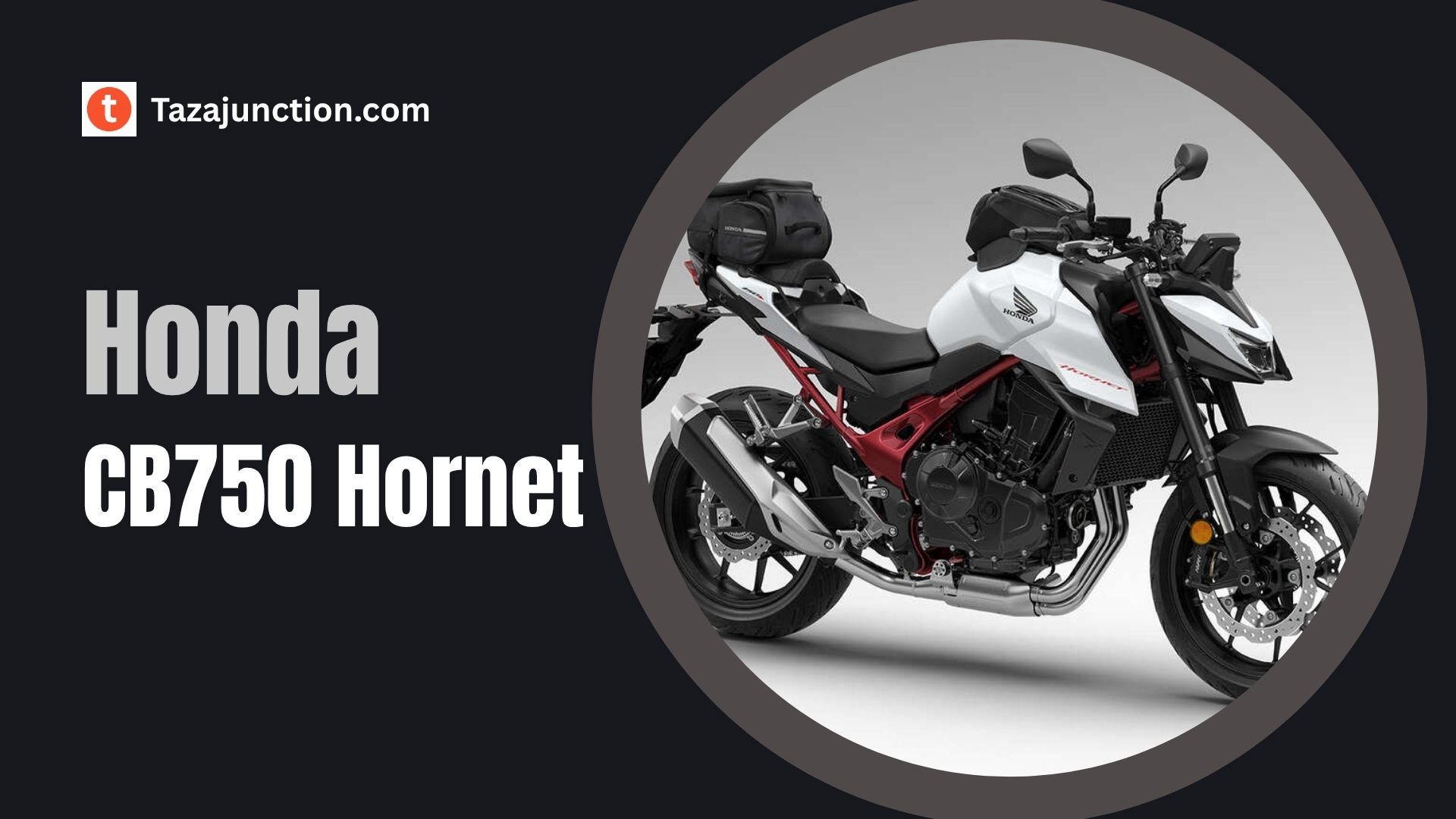
The launch of the Honda CB750 Hornet marks the rebirth of a revered name in Honda’s motorcycle history.

This all-new middleweight naked bike combines aggressive styling, a powerful new engine, modern electronics, and agile handling—perfectly aligned with today’s performance-hungry yet practical rider.

The Hornet is back, and it’s sharper, faster, and more relevant than ever. Also you can take a deep dive into the Toyota Fortuner 2025—covering its design, engine options, features, performance, safety, pricing, and more.


Heritage Meets Modern Engineering

The Hornet lineage has always represented street performance wrapped in an affordable, stylish package. Since the late 1990s, the Hornet brand has stood for high-revving powerplants, sharp handling, and distinctive styling. The original CB600F Hornet was a cult hit in Europe and laid the foundation for what a mid-displacement naked sportbike should be.

Now, the 2025 CB750 Hornet carries that DNA into a new age, featuring a brand-new 755cc engine, tech-laden features, and a lightweight chassis that makes it not only approachable but truly engaging.


Design and Styling: Urban Aggression

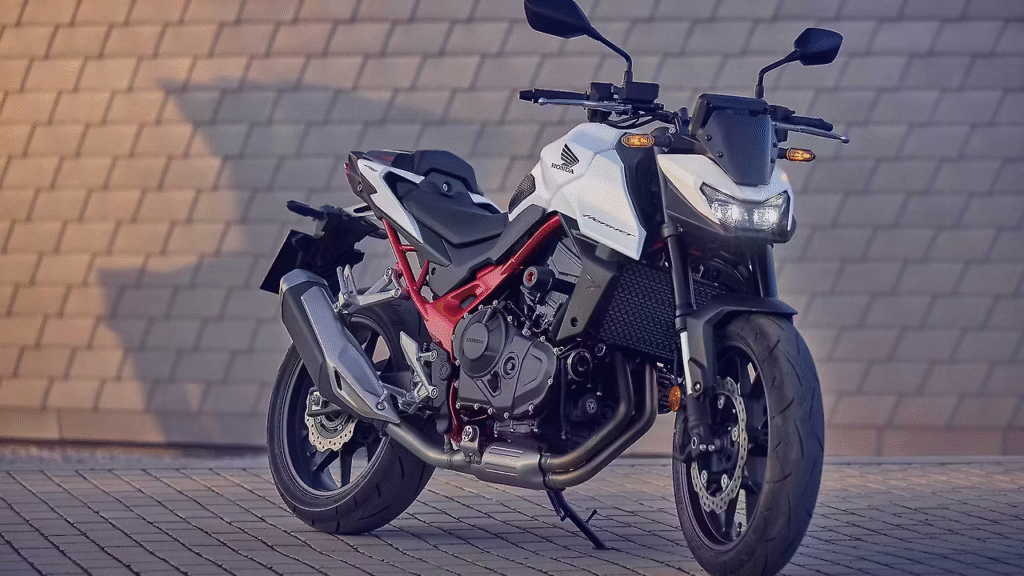
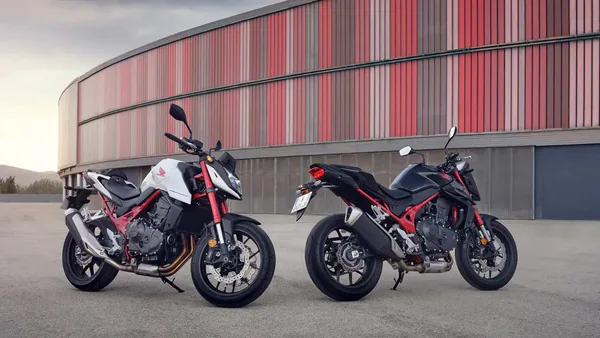
The Honda CB750 Hornet breaks away from conservative Honda styling with a more angular, aggressive design. The tank is sharply sculpted, the headlamp is compact and futuristic, and the exposed frame and subframe give it a purposeful look. A minimalistic tail section and sporty riding stance complete the naked streetfighter appeal.

The bike strikes a careful balance—edgy without being over-styled, sporty without compromising everyday usability. Whether parked at a café or slicing through city traffic, the Hornet looks fast standing still.


Engine and Performance: A New Powerhouse

image 71

At the heart of the CB750 Hornet lies an all-new 755cc parallel-twin engine. This liquid-cooled, 8-valve, DOHC motor is tuned to produce around 90.5 horsepower at 9,500 rpm and 75 Nm of torque at 7,250 rpm. It uses a 270° crankshaft, giving it a characterful exhaust note and delivering power with a distinct V-twin-like punch.

The engine was designed with versatility in mind. Whether you’re pushing through canyon roads or crawling in urban traffic, it remains responsive and tractable. The torque delivery is strong in the mid-range, making overtakes and quick accelerations easy even at lower revs.

Besides it, if you are fond of Tata Motors then his article delves into these four key Tata electric cars models and explores how Tata Motors is shaping the future of electric mobility in India and beyond.


Chassis and Handling: Nimble and Balanced

Weighing just around 190 kilograms, the CB750 Hornet is among the lightest in its class. That translates directly to nimble handling and easy maneuverability—two traits highly valued in both daily riding and spirited weekend runs.

The bike features a new steel diamond frame designed to be both strong and lightweight. It’s paired with a 41mm Showa Separate Function Big Piston (SFF-BP) USD front fork and a monoshock rear suspension with adjustable preload. The setup is tuned for a balance between sportiness and comfort, making it suitable for a wide range of riding scenarios.

The wheelbase is 1,420mm, and the seat height is 795mm, making it accessible to a broad spectrum of riders, from beginners to experienced riders seeking a manageable but fun ride.


Braking and Safety

Braking duties are handled by dual 296mm front discs with radial-mount four-piston Nissin calipers, while the rear features a 240mm disc. Dual-channel ABS comes standard, ensuring safety under hard braking or poor road conditions.

To enhance safety and performance, Honda has also equipped the CB750 Hornet with several electronic rider aids, such as traction control, engine power modulation, wheelie control, and a ride-by-wire throttle system with multiple riding modes.


Riding Modes and Electronics

image 72

Honda has ensured that the Hornet isn’t just about raw mechanical performance. It’s a modern motorcycle in every sense, featuring an impressive electronics suite:

  • Four Riding Modes: Sport, Standard, Rain, and User. These adjust the throttle response, traction control, and engine braking to suit different riding conditions and preferences.
  • Honda Selectable Torque Control (HSTC): Offers adjustable traction control, allowing riders to confidently navigate various surfaces.
  • 5-inch TFT Color Display: A crisp, full-color dashboard that provides essential ride data. It also integrates with Honda’s smartphone connectivity system, allowing for navigation, call alerts, and music control via Bluetooth.
  • Assist and Slipper Clutch: Reduces effort at the lever and prevents rear-wheel hop during aggressive downshifting.
  • Optional Bi-Directional Quickshifter: Lets riders shift up or down without using the clutch—perfect for sporty rides or track sessions.
  • Emergency Stop Signal (ESS): Automatically activates the hazard lights during hard braking to alert vehicles behind.

These features make the CB750 Hornet one of the most technologically advanced motorcycles in its segment, offering both performance and practicality in equal measure.


On-Road Impressions: Rider-Focused Versatility

The Hornet feels quick, light, and engaging. The engine provides an exciting mid-range surge, while the smooth power delivery makes it suitable for both spirited riding and daily commuting. The bike turns quickly and holds its line well through corners, giving riders confidence without requiring expert skills.

The upright riding posture, relatively wide handlebars, and low seat height make it an easy motorcycle to control—even for shorter riders or beginners. Yet, experienced riders will find plenty of joy in its performance envelope.

Thanks to its balanced suspension and light weight, the Hornet handles bumpy roads and tight traffic with ease, without sacrificing cornering performance on twisty routes.


Practicality and Everyday Usability

The CB750 Hornet isn’t just a weekend toy. With features like Bluetooth connectivity, good fuel economy (around 25 km/l), and a comfortable seat, it’s very much suited for daily commuting and longer rides.

The fuel tank holds approximately 15.2 liters, offering a real-world range of around 300–350 km between fill-ups. Combined with its lightweight build, manageable power, and relaxed ergonomics, this makes the Hornet a versatile machine that fits seamlessly into urban life and open-road adventures alike.


Competition and Market Position

In the mid-weight naked bike category, the CB750 Hornet competes with the likes of the Yamaha MT-07, Aprilia Tuono 660, Triumph Trident 660, and the KTM 790 Duke. Each of these motorcycles brings its own strengths, but Honda aims to offer a more well-rounded package—mixing premium features, Honda’s trusted reliability, and an attractive price point.

In India, the CB750 Hornet is priced around ₹8.59 lakh (ex-showroom), placing it competitively in the premium middleweight category. Honda is marketing the bike through its premium BigWing dealerships, ensuring a dedicated buying and service experience.


Customization and Accessories

Honda also offers a range of factory accessory packs to customize the CB750 Hornet:

  1. Sport Pack – Includes a quickshifter, tank pad, and sport-oriented design add-ons.
  2. Style Pack – Adds cosmetic enhancements like bar-end weights, decals, and engine covers.
  3. Touring Pack – Includes luggage options, taller windscreens, and comfort upgrades like heated grips.

These allow riders to tailor their Hornet to specific needs, whether it’s daily commuting, weekend touring, or track-day fun.


Who Should Buy the CB750 Hornet?

  • New Riders Looking to Upgrade: The Hornet is approachable and forgiving, yet powerful enough to grow into.
  • Commuters: Easy to maneuver, with good ergonomics and tech, making daily rides enjoyable.
  • Weekend Thrill Seekers: Its sharp handling and strong mid-range make it a joy on twisty roads.
  • Tech Enthusiasts: Riders who appreciate modern connectivity and safety features.

Conclusion

The 2025 Honda CB750 Hornet is a compelling motorcycle that honors the Hornet legacy while pushing the concept forward. It combines aggressive styling, a thrilling yet manageable engine, and cutting-edge electronics in a package that’s both practical and exhilarating.

Whether you’re a new rider ready to step up or a seasoned motorcyclist seeking a lightweight, fun machine, the Hornet delivers. With its competitive price, proven engineering, and impressive feature list, the CB750 Hornet is poised to become a favorite among riders who want performance without excess.

Honda has reignited the Hornet name with something special—sharp, stylish, and seriously capable.

“Will Crush Your Economy” — US Senator Threatens India and China Over Russian Oil Trade

will crush your economy

U.S. Senator Lindsey Graham recently issued a bold warning to India, China, and Brazil, stating that continued purchases of discounted Russian oil will crush your economy.

This stern message comes amid escalating tensions around Russia’s invasion of Ukraine and the global efforts to enforce sanctions on Moscow.

Senator Graham highlighted that the U.S. could impose 100% secondary tariffs on nations continuing to support Russia’s energy exports, a move that will crush your economy and force these countries to reconsider their trade decisions.

This article delves into the context, implications, and global reactions to this warning that will crush your economy if ignored.

Also you want to know about Income Tax return then read our article. This article provides a complete guide on the start date of ITR filing, who needs to file, the due dates, document checklist, common mistakes, and the importance of filing early.


The Context of the Warning

1. Background on Russian Oil Imports

Countries like India, China, and Brazil have been purchasing Russian oil at discounted rates, helping Moscow maintain critical revenue streams. Senator Graham’s warning makes it clear that such economic cooperation crush your economy in retaliation.

The U.S. aims to cut off financial support to Russia’s war efforts by targeting those who facilitate Russian oil exports. His statement, “This will crush your economy,” is a direct message to deter continued energy trade with Russia.

2. Understanding the U.S. Sanctions and Secondary Tariffs

Secondary sanctions enable the U.S. to punish not only Russia but also those countries that trade with Russia, reinforcing the message that continuing this relationship crush your economy.

A 100% tariff would effectively double the cost of imports from countries involved, forcing nations like India and China to weigh the economic risks carefully. The threat that this policy will crush your economy serves as a powerful deterrent against enabling Russian revenue streams.


Impact on India, China, and Brazil

image 69

1. Economic Consequences

The core of Senator Graham’s message is that ignoring this warning will crush your economy. India and China, as major importers of Russian oil, face the risk of skyrocketing costs if tariffs are imposed.

This could lead to inflation, reduced industrial output, and slower economic growth, showing how the warning will crush your economy is not just rhetoric but a real economic threat.

2. India’s Energy Dilemma

India’s energy strategy has relied heavily on discounted Russian crude oil, but continuing this relationship risks sanctions that will crush your economy.

With global energy prices volatile, the country must consider whether the short-term benefits of cheap oil outweigh the long-term damage if U.S. tariffs are applied. Senator Graham warning that “This will crush your economy” signals serious economic consequences if India does not alter its stance.

3. China’s Strategic Balancing Act

China faces a similar predicament. Despite diversified energy sources, Russian oil remains an important component. However, the threat that failure to comply will crush your economy forces Beijing to navigate carefully between maintaining its energy security and avoiding U.S. economic retaliation.

The reality that tariffs will crush your economy adds pressure on China to rethink its energy procurement policies.

4. Brazil’s Exposure

While less reliant on Russian oil, Brazil’s participation in the BRICS alliance and its trade relations with Russia put it in a vulnerable position.

The warning that ignoring U.S. demands will crush your economy is a strong signal that economic consequences could extend beyond direct oil trade, potentially impacting Brazil’s broader economic relations.


Broader Implications for Global Trade

image 70

1. The Precedent of Using Economic Pressure

Senator Graham’s warning that continuing to trade with Russia will crush your economy reflects a more aggressive U.S. stance on economic diplomacy. This approach may redefine how trade is used as a tool for enforcing geopolitical objectives, raising concerns about trade wars and economic coercion.

2. Potential for Retaliation and Trade Realignments

If the U.S. enforces tariffs that will crush your economy, affected nations might retaliate, disrupting global markets. This escalation could spark a cycle where economic measures lead to trade realignments, illustrating that the warning will crush your economy has implications far beyond the immediate parties involved.

3. Energy Security and Economic Stability

The warning that ignoring sanctions will crush your economy underscores the vital role of energy security in international relations. Countries dependent on Russian oil face difficult choices, balancing affordable energy supplies against the risk of economic isolation.

This dynamic shows how the threat that tariffs will crush your economy influences not only trade but also energy policies worldwide.


Conclusion

Senator Lindsey Graham’s warning that continuing to purchase Russian oil will crush your economy is a clear and uncompromising message to India, China, and Brazil.

The proposed 100% secondary tariffs represent a serious escalation in U.S. sanctions, with the power to severely impact the economies of nations caught in the crossfire.

How these countries respond will shape not only their economic futures but also the broader landscape of international trade and diplomacy. Ignoring this warning is a gamble with high stakes—because as Senator Graham emphasized, this move will crush your economy.

Malcolm-Jamal Warner Remembered by Hollywood: A Legacy That Transcends Generations

malcolm-jamal warner

The world of entertainment was rocked with sadness and disbelief as news spread of the sudden passing of Malcolm-Jamal Warner, the beloved actor, musician, director, and poet. At just 54 years old, Warner tragically drowned while vacationing in Costa Rica, leaving behind a legacy etched in talent, cultural impact, and heartfelt inspiration.

Hollywood, fans, and the broader creative community have united in mourning the loss of a man whose work shaped generations.

This Tazajunction.com article reflects on his remarkable life and career, the tributes pouring in from across the entertainment industry, and the legacy Malcolm-Jamal Warner leaves behind.


A Career That Shaped Generations

Malcolm-Jamal Warner burst into the spotlight in the 1980s with his breakout role as Theo Huxtable on The Cosby Show. As the wise-cracking, warm-hearted son of Cliff and Clair Huxtable, Warner brought depth and charm to the role.

For eight seasons, he was a fixture in American households, giving voice to the struggles and triumphs of Black youth in a way rarely seen on television at the time.

The character of Theo represented something new: a sensitive, intelligent young Black man navigating adolescence with humor, integrity, and vulnerability.

Warner’s performance earned him critical acclaim, including an Emmy nomination, and helped redefine the portrayal of African American families on screen. For many, he became not just a television character, but a symbol of possibility, growth, and self-discovery.


Beyond Theo: A Multifaceted Artist

Though forever tied to his iconic role, Warner successfully expanded his career into various creative avenues. He starred in numerous television series and films, including Malcolm & Eddie, Reed Between the Lines, The Resident, and American Crime Story. With each role, he showcased his versatility, never content to be confined by the expectations of early fame.

Off-screen, Warner was equally prolific. As a spoken word artist and bass guitarist, he used poetry and music to express themes of identity, love, social justice, and self-awareness. His musical collaborations, including a Grammy-winning performance with Robert Glasper and Lalah Hathaway, cemented his reputation as a serious and soulful musician.

He also embraced directing, helming episodes of various shows and music videos, further establishing his command of storytelling from behind the camera. Warner was the rare kind of artist whose work spanned mediums and messages, always staying true to a voice that valued humanity, nuance, and authenticity.

If you’re a fan of emotional drama, heartfelt lyrics, and young love finding its way through hardship, Saiyaara will strike a chord.


Tributes From Hollywood: Grief and Celebration

image 67

Following the announcement of his passing, tributes from across Hollywood and the global entertainment landscape poured in. Co-stars, collaborators, and admirers alike shared their memories, emphasizing his warmth, professionalism, and passion.

Tracee Ellis Ross, who played his wife in Reed Between the Lines, described Warner as “a beacon of kindness, wisdom, and quiet strength.” She recalled their time working together as “a masterclass in grace, patience, and craft.”

Eddie Griffin, his co-star in Malcolm & Eddie, called him his “brother in laughter,” praising Warner for his ability to lift spirits even in the most trying of times.

Morris Chestnut, with whom Warner shared the screen in The Resident, spoke of Warner’s calm presence and dedication to excellence, saying, “He never settled for surface. He always wanted to dig deeper—to understand the why, to tell the truth.”

Stars including Angela Bassett, Viola Davis, Jennifer Hudson, Wendell Pierce, and many others expressed not only their grief but their gratitude for having known or been influenced by Warner. Several described him as a “gentle soul,” while others remembered his “incredible mind” and “relentless commitment to uplifting others.”

Even Bill Cosby, with whom Warner’s career began, issued a statement remembering him as “a consummate professional who brought dignity to the role and to the young Black men who saw themselves in him.”


Cultural Significance: A Symbol of Empowerment

What made Warner’s passing resonate so deeply wasn’t just his fame—it was his meaning. To millions of Gen X and Millennial viewers, he wasn’t just Theo Huxtable; he was the cousin, the brother, the friend that many grew up watching. His character’s journey mirrored that of many young people: trying to figure out life, dealing with setbacks, and striving to become better.

He helped mainstream television move away from stereotypical portrayals of Black characters. In doing so, he laid the groundwork for countless other actors and stories that would follow.

Offscreen, Warner used his platform to address issues affecting the Black community, from educational inequities to public health. He was a thoughtful advocate for personal responsibility, mental wellness, and artistic integrity.

He often spoke of the weight of fame that came at a young age, but rather than allow it to consume him, he turned it into fuel for reinvention. He continually sought depth—in himself, in his work, and in the world around him.


A Sudden, Tragic Goodbye

Warner’s death came as a shock to fans and peers alike. While vacationing with family in Costa Rica, he was reportedly caught in a strong current while swimming. Despite immediate attempts to resuscitate him, he was pronounced dead at the scene. Authorities confirmed that the cause was accidental drowning.

The abruptness of his passing only intensified the grief. He had projects in development, musical recordings underway, and plans for directing more episodic content. At 54, he was seen not as someone whose best years were behind him, but as an artist entering a new phase of mature, impactful work.


Legacy in Motion: Tributes and Memorials

image 68

As the entertainment world comes to terms with the loss, efforts are already underway to ensure Warner’s legacy lives on. Discussions are ongoing about a televised tribute special featuring performances of his spoken-word poetry and music. Several streaming platforms are considering curating collections of Malcolm-Jamal Warner most memorable television appearances.

Artists and educators have proposed scholarships in his name, especially those focused on young artists of color who pursue work in acting, music, or directing.

Fans have started social media campaigns urging networks to re-air episodes of The Cosby Show and Malcolm & Eddie, not only as a trip down memory lane but as a celebration of Warner’s enduring influence.

There’s also growing support for a documentary chronicling Warner’s life—his rise, his reinventions, his inner world, and the lives he touched.


Reflections from a Grateful Generation

For many, Warner’s death feels personal. It isn’t just the loss of a celebrity—it’s the loss of someone who shaped their view of the world. Malcolm-Jamal Warner ability to reflect real emotions, to show vulnerability, and to grow in the public eye made him relatable in a way few stars manage.

He showed what it meant to be Black, brilliant, and deeply human in an industry that often asks artists to simplify themselves. He was proud, quiet in his strength, and thoughtful in his choices.

As tributes continue to flood in, one thing is clear: Malcolm-Jamal Warner was more than an actor, more than a role—he was a voice. And even though that voice has gone silent, its echoes will live on in reruns, in poetry, in memory, and in the generations of artists he inspired.


Conclusion

Malcolm-Jamal Warner leaves behind a rich legacy of creativity, authenticity, and cultural transformation. In a world where fame often outpaces substance, Warner was a rare balance of both. He honored his craft, elevated those around him, and stayed grounded in his purpose.

As Hollywood remembers him, it does so not just with tears, but with gratitude—for the performances, the poetry, the music, and the humanity.

He may be gone, but Malcolm-Jamal Warner’s impact is eternal.

Swiggy Shares Jump to 5-Month High: What’s Fueling the Rally

swiggy shares jump

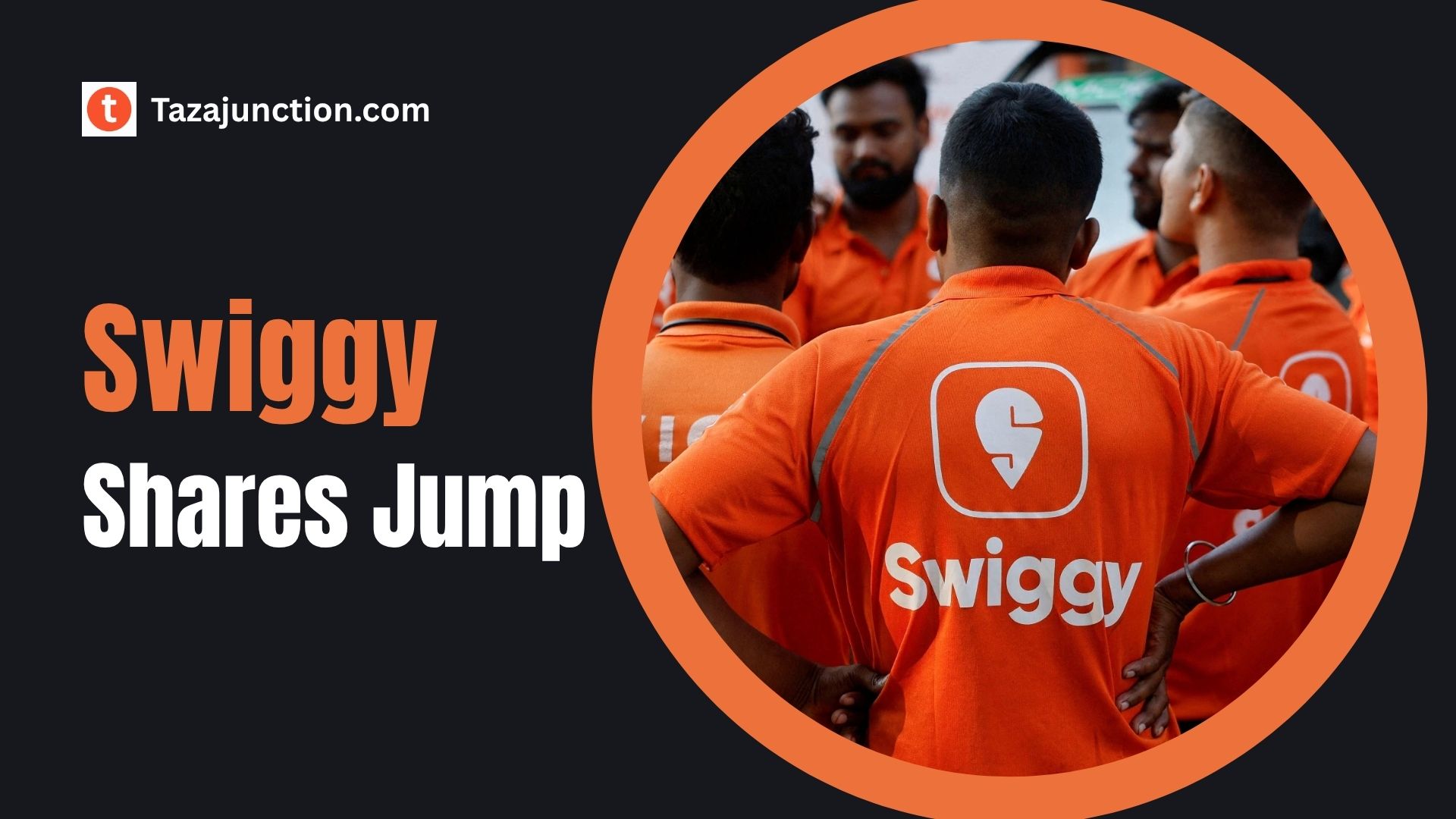
Swiggy, one of India’s leading food and quick commerce platforms, witnessed a sharp rally in its stock on July 22, 2025, surging nearly 5% in a single trading session.

This marked the company’s biggest intraday gain in five months and came on the back of a broader sectoral optimism triggered by the strong Q1 results of Eternal (Zomato’s parent), alongside Swiggy’s own strategic progress in its 10-minute delivery model and quick-commerce expansion.

With investors regaining confidence in the business model and execution strategy, Swiggy’s recent performance reflects a pivotal shift in market perception—from skepticism to renewed growth expectations.


A Snapshot of the Swiggy Shares Rally

image 65

Swiggy shares closed at ₹412, a 5% gain from the previous day, fueled by robust trading volumes and positive sentiment across the quick-commerce sector.

The rally comes after months of underperformance, where Swiggy Shares had languished nearly 40% below its post-IPO highs earlier in the year. The July surge marked its most significant one-day upward movement since February 2025.

This bounce-back not only highlights renewed investor confidence but also signals Swiggy’s strengthening position in India’s increasingly competitive quick-commerce ecosystem.

Also check Reliance Industries Q1 Result for the first quarter of the financial year 2025-26.


The Bolt Factor: 10-Minute Delivery Expands

At the center of Swiggy’s bullish momentum is its aggressive rollout of “Swiggy Bolt”—its 10-minute food delivery service. Over the past few months, Bolt has expanded its reach to over 500 cities and now handles over 10% of total food orders.

Unlike some competitors that have pulled back from the 10-minute model citing operational inefficiencies, Swiggy has doubled down. Bolt has proven to be a strong retention tool, especially among younger customers and in high-density areas. Reports indicate that customers using Bolt show up to 6% higher retention rates compared to traditional delivery users.

Bolt’s growing traction is viewed as a competitive edge in a market where speed, convenience, and reliability define customer loyalty.


Sector-Wide Optimism: Eternal’s Strong Q1 Lifts All Boats

While Swiggy Shares internal strategy has certainly impressed analysts, a significant portion of the rally can also be attributed to Eternal’s Q1 FY26 results. Eternal, the parent company of Zomato and Blinkit, reported a 70% year-on-year revenue growth driven by Blinkit’s explosive rise in the quick-commerce space.

This performance sent Eternal’s stock soaring by 15%, and the ripple effect was immediately felt across the sector. Investors viewed Blinkit’s success as a validation of the quick-commerce model, thereby boosting confidence in similar businesses—Swiggy being the most prominent among them.

With Blinkit and Swiggy emerging as the two leading players in the space, Eternal’s performance effectively served as a benchmark for Swiggy’s potential.


Brokerage Upgrades and Institutional Buying

Adding further fuel to the rally were multiple brokerage upgrades and institutional interest. Several research firms initiated or revised their ratings on Swiggy with “Overweight” or “Buy” calls, citing the company’s solid delivery infrastructure, strong customer base, and expanding product offerings.

Analysts have also praised Swiggy’s ability to execute its quick-commerce vision more effectively than competitors. They see the company as being well-positioned to dominate both the food delivery and grocery segments.

Most price targets were revised upward to the ₹405–₹500 range, indicating potential upside from current levels. Institutional buying during the day was significantly higher than average, reinforcing the bullish sentiment.


Zomato’s Strategic Exit from 10-Minute Delivery

image 66

Another major catalyst in Swiggy Shares favor was Zomato’s recent decision to discontinue its own 10-minute food delivery service. The move was attributed to inconsistent demand, poor unit economics, and operational constraints.

Zomato’s withdrawal effectively left the field wide open for Swiggy’s Bolt to capture more market share with less direct competition. With less price pressure and fewer players, Swiggy now has the opportunity to consolidate its position and attract customers looking for ultra-fast delivery.

This development further reinforces Swiggy’s strategy of investing in logistics, micro-fulfillment centers, and dark kitchens to support high-frequency, low-value orders—essential for the quick-commerce model to work.


Technical Breakout and Volume Indicators

From a technical standpoint, Swiggy Shares formed a strong bullish breakout pattern on July 22, closing above key resistance levels around ₹330–₹340. The surge was backed by high volumes, indicating institutional participation and long-term interest.

Traders observed that the stock had formed a base over the last two months, and the current breakout signals the start of a new bullish trend. Several technical analysts now expect the stock to test levels of ₹450–₹470 in the near term.

In essence, the rally wasn’t just sentiment-driven; it was technically supported by price and volume action—a rare alignment that gives additional strength to the upward movement.


Strong Growth in Grocery and Non-Food Verticals

Beyond Bolt and food delivery, Swiggy’s quick-commerce arm—Instamart—has been making solid progress. With increasing demand for ultra-fast grocery delivery, Swiggy has expanded Instamart’s reach to smaller cities while refining its inventory management and supply chain systems.

Additionally, Swiggy has started investing in adjacent verticals such as event booking (Swiggy Scenes), mini-meal central kitchens (Swiggy Snacc), and even subscription services, creating a robust ecosystem around everyday lifestyle needs.

These expansions have not only diversified Swiggy’s revenue streams but also reduced its reliance on the highly competitive food delivery segment.


Challenges Ahead

Despite the strong rally and positive outlook, Swiggy continues to face several challenges:

  • Profitability: Both Bolt and Instamart are currently operating at a loss due to high operating expenses, delivery subsidies, and infrastructure costs. Achieving break-even remains at least a few quarters away.
  • Competition: While Zomato may have exited 10-minute food delivery, other players like Zepto, BigBasket, and Amazon Fresh continue to intensify the competition in the quick-commerce space.
  • Execution Risk: Scaling up quick commerce across geographies requires efficient logistics, localized dark store networks, and tech investment. Any missteps could impact user experience and operational efficiency.

However, Swiggy’s management appears aware of these risks and is focusing on unit-level profitability, retention metrics, and customer satisfaction as key performance indicators.


Outlook for the Coming Quarters

With Swiggy’s recent gains and sector-wide tailwinds, analysts are optimistic about its performance in the remaining quarters of FY26. Key priorities include:

  • Continued expansion of Bolt into Tier 2 and Tier 3 cities
  • Margin improvement in Instamart and grocery delivery
  • Introduction of value-added services like subscriptions and loyalty programs
  • Enhancing the ecosystem for lifestyle and dining-out services

Swiggy’s ability to retain customers and increase order frequency will play a crucial role in sustaining its top-line growth while inching closer to profitability.


Conclusion

Swiggy’s sharp 5% share price rally—the most significant in five months—signals a turning point for the company. With the successful rollout of Bolt, growing momentum in Instamart, and the withdrawal of a key competitor from 10-minute delivery, Swiggy is well-poised to lead the quick-commerce space in India.

Investor confidence is back, and technical indicators suggest the rally may have legs. However, challenges around profitability and execution persist. If Swiggy can manage growth while improving operational efficiency, it may not only sustain this momentum but emerge as a dominant force in India’s digital commerce ecosystem.

This rally could be the beginning of a longer-term re-rating, as Swiggy Shares transitions from a pure-play delivery company to a multi-service lifestyle platform.

Eternal Q1 FY26 Results: Blinkit Drives Growth Amid Profit Pressure

eternal q1 fy26

Eternal Ltd, the parent company of Zomato and Blinkit, released its financial results for the first quarter of FY26 (April to June 2025), revealing a compelling yet complex picture of growth and profitability.

With revenue surging 70% year-on-year, largely driven by the explosive expansion of Blinkit, the company demonstrated its strategic pivot toward quick commerce. However, net profit fell sharply, showing the cost of this aggressive growth.

This Eternal Q1 FY26 report marks a key milestone in Eternal’s transition from a food delivery-centric company to a diversified tech-led consumer platform spanning food, grocery, entertainment, and lifestyle.

Also Ola Electric’s stock market debut in 2024 was one of the most anticipated IPOs in recent memory. You can read more about Ola electric share price gain.


Revenue Soars, Profit Contracts

Eternal reported a consolidated revenue of ₹7,167 crore for Q1 FY26, a 70% increase from the same period last year. This Eternal Q1 FY26 robust growth was led primarily by Blinkit, its quick commerce arm, which now contributes a larger share of the company’s gross order value than traditional food delivery.

However, while revenue growth was strong, net profit saw a significant 90% year-on-year decline, falling to ₹25 crore from ₹253 crore in Q1 FY25.

The sharp drop in profit was due to an aggressive ramp-up of operations, including the opening of new stores, larger marketing spends, and deep discounting across the platform.

Eternal’s total expenses rose to ₹7,430 crore—up nearly 79%—as it pursued market leadership in the highly competitive quick commerce sector.

Also check Reliance Industries Q1 Result for the first quarter of the financial year 2025-26.


Blinkit Overtakes Zomato Core

image 62

In a milestone shift, Blinkit surpassed Zomato’s core food delivery business in terms of net order value (NOV). Blinkit reported a NOV of ₹9,203 crore in Q1 FY26, up 127% year-on-year, while Zomato’s food delivery NOV stood at ₹8,967 crore. This marks the first time the grocery vertical has overtaken the core restaurant delivery segment.

The surge in Blinkit’s performance is attributed to:

  • Expansion of “dark stores” across key urban centers
  • Introduction of inventory-led models to ensure faster deliveries
  • A wider range of products, including non-food essentials
  • Strategic discounts aimed at acquiring and retaining customers

The success of Blinkit indicates Eternal’s successful foray into hyperlocal commerce, transforming it from a single-service platform to a multi-vertical retail engine.


Segment-Wise Performance

1. Food Delivery

Zomato’s food delivery vertical remained steady but showed signs of maturing. Growth in gross order value was modest, and the company focused on maintaining contribution margins.

While customer frequency and basket size held up, the segment was visibly overshadowed by Blinkit in terms of both user engagement and growth rate.

The food delivery business continues to generate positive EBITDA, supporting the company’s overall financial stability. However, strategic emphasis is clearly tilting toward quick commerce.

2. Quick Commerce (Blinkit)

Blinkit emerged as the quarter’s strongest performer. With a 127% increase in NOV, this segment is now the centerpiece of Eternal’s growth narrative. Blinkit has expanded its dark store footprint aggressively and adopted an inventory-led model, giving it greater control over customer experience and delivery timelines.

Despite being loss-making on a standalone basis, Blinkit’s unit economics have improved. The company expects the segment to break even in the next 12–18 months, provided scale and operational efficiencies continue.

3. Going-Out and Other Services

Eternal Q1 FY26 has been gradually building its “Going-Out” vertical—comprising ticketing, restaurant bookings, and experiential events. Though still a small contributor to overall revenue, this vertical showed double-digit growth during the quarter and is expected to emerge as a new driver of monetization.

Eternal aims to transform this segment into a lifestyle platform where users can discover, book, and pay for a variety of offline experiences.


Strategic Initiatives

image 64

1. Shift to Inventory Ownership

One of the biggest strategic moves made this quarter was Blinkit’s pivot to an inventory-led model. By owning stock at warehouses and dark stores, Eternal Q1 FY26 has reduced its dependence on third-party retailers.

This change has improved delivery speed and enabled better control over margins, although it has also increased working capital requirements.

2. Store Network Expansion

The company added over 200 new Blinkit stores during the quarter, targeting high-density residential neighborhoods. Eternal believes that having stores within 2 km of most customers is essential to sustain 10-minute delivery capabilities.

3. Brand Consolidation

Zomato and Blinkit are increasingly being promoted under the “Eternal” umbrella, indicating a move toward integrated branding. This rebranding effort will help unify customer experience across verticals and leverage cross-platform synergies.


Investor Sentiment and Market Reaction

Following the earnings announcement, Eternal’s stock surged nearly 15%, reaching a record high of ₹311.60. Investors responded positively to the strong revenue growth and Blinkit’s breakout performance, even as net profit fell sharply.

Brokerage firms raised their target prices for Eternal stock, citing improved visibility into Blinkit’s growth and a more diversified revenue mix. Market participants appeared confident that short-term margin pressure is a worthwhile trade-off for long-term market leadership.

The company’s management reiterated its commitment to achieving sustainable profitability while continuing to invest in new categories.


Challenges and Risks

Despite the upbeat top line, Eternal faces several critical challenges:

  • Margin Pressure: With Blinkit still operating at a loss and competition intensifying from players like Zepto, BigBasket, and Swiggy Instamart, margins may remain under pressure.
  • Execution Risk: Scaling quick commerce profitably at a national level requires flawless execution—particularly in logistics, inventory management, and last-mile delivery.
  • Cash Burn: While Eternal has a strong balance sheet, continued expansion could increase cash burn in the coming quarters, potentially affecting investor sentiment if growth slows.

Outlook for Eternal Q1 FY26

Eternal’s management remains confident about its growth trajectory and plans to deepen its investment in Blinkit while steadily building its other verticals.

Key goals for the upcoming quarters include:

  • Achieving breakeven EBITDA in quick commerce
  • Growing the Going-Out vertical into a ₹1,000 crore business
  • Expanding Blinkit’s store count beyond 1,000 in urban India
  • Increasing average order values to enhance profitability

The company also intends to explore synergies across platforms, offering bundled services and loyalty programs to boost user retention.


Conclusion

Eternal Q1 FY26 performance marks a defining moment in the company’s evolution. From a food delivery giant to a multi-service consumer platform, Eternal is betting big on quick commerce and digital lifestyle experiences. While profitability took a hit this quarter, the bold growth strategy—led by Blinkit—shows strong potential.

The market’s positive reaction to the results signals growing investor trust in Eternal’s vision. If Blinkit continues to scale efficiently and other verticals mature, Eternal could redefine the next chapter in India’s consumer internet landscape.

Though challenges remain, the company’s clear strategy, operational focus, and willingness to invest in innovation suggest that it is well-positioned to ride the next wave of digital commerce.