
Google Pixel 9 Pro: AI Flagship with 7 Years of Updates & Pro Camera Power

google pixel  9 pro

The Google Pixel 9 Pro is Google’s answer to a compact, AI‑powered flagship built for camera lovers and software enthusiasts.

Announced in August 2024, the Pixel 9 Pro landed in India shortly after, offering premium hardware and industry‑leading AI features at a relatively balanced price.

Google promises seven years of OS, security, and Pixel Drop updates, ensuring the Google Pixel 9 Pro stays current far longer than most smartphones.

Also Apple is preparing for the launch of its next-generation smartphone — the iPhone 17 series, expected in September 2025 — and leaks surrounding the new colour options have generated significant buzz. So you read our article on the iPhone 17 Colours confirmation.


Design and Display

The Google Pixel 9 Pro features a 6.3‑inch Super Actua LTPO OLED display with a resolution of 1280 × 2856 pixels. It supports a smooth 1 Hz to 120 Hz refresh rate and peak brightness up to 3000 nits, backed by Gorilla Glass Victus 2 on both front and back.

With 495 ppi, the screen is razor‑sharp and usable under direct sunlight. The aluminum frame, IP68 dust and water resistance, and compact 152.8 x 72 x 8.5 mm body at 199 g make the Google Pixel 9 Pro easier to handle than many other flagships.

Also if you’re looking for innovation, performance, and versatility in one sleek package, the Samsung Galaxy Z Fold 7 is the foldable to beat in 2025.


Performance and Chipset

image 107

Powered by Google’s fourth‑generation Tensor G4 processor and secured by the Titan M2 chip, the Google Pixel 9 Pro brings cutting‑edge custom silicon optimized for AI and multimedia.

With 16 GB of LPDDR5X RAM and storage options ranging up to 256 GB (expandable by higher variants in some regions), the Google Pixel 9 Pro handles multitasking with ease. It benefits from vapor‑chamber cooling to keep thermals in check during extended use—unlike its non‑Pro sibling.


Cameras and Imaging

Photography is where the Google Pixel 9 Pro truly shines. The rear triple camera system comprises a 50 MP wide sensor, a 48 MP ultra‑wide, and a 48 MP telephoto lens offering 5× optical zoom and up to 30× Super Res Zoom. The 42 MP front camera with autofocus delivers sharp selfies and crisp video calls.

The Google Pixel 9 Pro can shoot 8K video at 30 fps from the rear cameras and supports 4K at 60 fps on all lenses. Software tools like Magic Editor, Add Me, Face Unblur, and Pixel Studio enhance creative control via AI.


Battery and Charging

The Google Pixel 9 Pro houses a 4,700 mAh battery and supports fast wired charging up to 45 W, and fast wireless charging up to 21 W via Qi. It also supports reverse wireless charging.

The battery and fast‑charging combo let users recharge to 70 percent in around 30 minutes, ensuring minimal downtime.


Software and Updates

Running Android 14 out of the box, the Google Pixel 9 Pro receives seven years of OS upgrades, security fixes, and feature drops. Users also enjoy Gemini AI integration, Pixel Screenshots, Ambient Call Notes, and Gemini Live voice interaction.

With built‑in temperature sensing, ultra‑wideband support, and enhanced security features, the Google Pixel 9 Pro stands out among Android phones.


Connectivity and Extras

As standard, the Google Pixel 9 Pro offers 5G SA/NSA, Wi‑Fi 7, Bluetooth 5.3 LE, NFC, dual SIM (nano + eSIM), and USB‑C 3.2.

The in‑display ultrasonic fingerprint sensor and stereo speakers add convenience. The IP68 rating and robust build ensure long‑term durability for the Google Pixel 9 Pro.


Real‑World Usage

Users report that the Google Pixel 9 Pro excels in photo quality, voice clarity, and multitasking. A few note that the phone remains cool during gaming, thanks to the vapor chamber cooling.

On Reddit, users contrast it with the standard Pixel 9, which overheats during heavy use. The Google Pixel 9 Pro draws consistent praise for its refined performance under load.


Market Position and Pricing

In India, the Google Pixel 9 Pro launched at ₹1,09,999 for the 16 GB/256 GB version. It was available from mid‑October 2024 via online and select offline channels, including Google‑operated stores in Delhi, Bangalore, and Mumbai. The top‑end Google Pixel 9 Pro delivers a flagship experience at a price more accessible than many competing flagships.

While some buyers noted pricing felt high compared to similarly spec’d Chinese brands, those prioritizing software support, AI functionality, and camera excellence often found the Google Pixel 9 Pro to offer unmatched value in its segment.


Pros and Cons

Pros

  • Stunning triple‑camera system with 5× optical zoom and 30× digital zoom
  • Crisp 6.3‑inch LTPO OLED display with 120 Hz switching and 3000 nits brightness
  • Tensor G4 and Titan M2 paired with 16 GB RAM deliver smooth performance
  • Seven years of guaranteed updates—for Google Pixel 9 Pro users, this means longevity
  • Compact form factor, IP68‑rated, premium build

Cons

  • Price higher than some flagship Android rivals
  • No charger included in the box
  • Availability in offline stores limited outside major cities
  • Heavier charger required for fastest wired charging (45 W)

Who Should Pick the Google Pixel 9 Pro?

Photographers and content creators who demand advanced zoom and AI editing tools. Users planning to keep their phone for several years and expecting ongoing updates.

Anyone wanting flagship‑level hardware in a compact, pocketable size. If you’re after exemplary voice assistants, Gemini features, and reliable security, the Google Pixel 9 Pro is built for you.


Comparison Highlights

Compared to the base Pixel 9, the Google Pixel 9 Pro adds vapor‑chamber cooling, telephoto optics, UWB chip, enhanced video recording, and a sharper front camera.

While the Pro XL offers a larger 6.8‑inch screen and bigger battery, the Google Pixel 9 Pro caters to those preferring one‑hand use without sacrificing power.


Conclusion

The Google Pixel 9 Pro stakes its claim as one of the smartest flagships for 2025. With top‑tier camera hardware, AI‑driven software enhancements, long‑term software support, and a refined design, it appeals to those seeking performance, utility, and longevity.

If you’re looking for a true flagship that delivers speed, photography excellence, and seven years of updates—packaged in a compact and durable body—the Google Pixel 9 Pro remains one of the most compelling choices on the market today.

Vivo X200 FE Launched in India: Compact Flagship With Big Performance

vivo x200 fe

Vivo has officially launched the Vivo X200 FE in India, marking a significant moment in the compact flagship smartphone segment. Designed for users who want flagship-level performance, powerful cameras, and future-ready technology without carrying a bulky device, the Vivo X200 FE delivers a well-rounded package.

With a competitive price tag and features that rival even premium-tier phones, this device has already caught the attention of smartphone enthusiasts and industry observers alike.

Also, if you’re looking for innovation, performance, and versatility in one sleek package, the Samsung Galaxy Z Fold 7 is the foldable to beat in 2025.

Let’s explore what makes the Vivo X200 FE a compelling choice for 2025.


Sleek Design, Premium Display

The Vivo X200 FE is crafted with a modern and sleek design, featuring a matte finish and slim profile that fits comfortably in one hand.

It comes with a 6.31-inch LTPO AMOLED display offering a 1.5K resolution and an adaptive 120Hz refresh rate. With support for HDR10+ and peak brightness of up to 5,000 nits, the screen remains bright and legible even in direct sunlight.

Despite being a compact device, it does not compromise on build quality. The phone carries IP68 and IP69 certifications for water and dust resistance, making it durable enough for real-world usage. Its aluminum frame and curved glass back give it a premium feel, while remaining light at around 186 grams.

Apple is also preparing for the launch of its next-generation smartphone — the iPhone 17 series, expected in September 2025 — and leaks surrounding the new colour options have generated significant buzz. So you read our article on the iPhone 17 Colours confirmation.


Powerful Processor With Flagship Performance

image 110

Under the hood, the Vivo X200 FE is powered by the MediaTek Dimensity 9300+ chipset, a 4nm processor that competes directly with the top-tier Snapdragon processors. It is paired with up to 16GB of LPDDR5X RAM and up to 512GB of UFS 3.1 storage, ensuring smooth performance for multitasking, gaming, and productivity.

This flagship chip brings notable gains in AI processing, graphics performance, and power efficiency. Whether you’re editing photos, running intensive apps, or gaming at high settings, the Vivo X200 FE delivers consistent and efficient performance without overheating—thanks to its advanced cooling system.


Camera System Co-Engineered With Zeiss

Photography is one of the strongest selling points of the Vivo X200 FE. Vivo has continued its collaboration with Zeiss to deliver a camera setup tuned for clarity, realism, and versatility.

The rear camera setup includes:

  • A 50MP main sensor with optical image stabilization (OIS)
  • A 50MP telephoto sensor with 3x optical zoom
  • An 8MP ultra-wide-angle camera

These lenses offer excellent results in various lighting conditions, especially low light. The main sensor captures detailed shots with rich colors, while the telephoto lens provides lossless zoom for portraits and distant subjects. The ultra-wide lens offers creative flexibility for landscapes and group photos.

On the front, the Vivo X200 FE houses a 50MP autofocus selfie camera that excels in sharpness and natural color reproduction. The device supports 4K video recording at 60fps on both the front and rear cameras, allowing content creators and vloggers to shoot high-quality footage on the go.


Long-Lasting Battery With Fast Charging

One of the standout features of the Vivo X200 FE is its massive 6,500mAh silicon-carbon battery, an impressive capacity for a compact phone. It provides all-day battery life, even with heavy usage like streaming, gaming, and camera use.

In addition to longevity, the phone supports 90W wired fast charging. It can reach up to 50% charge in just under 20 minutes, and a full charge takes around 40 minutes. This means less time plugged in and more time using your phone.

Reverse charging is also supported, allowing the device to serve as a power bank in emergencies.


Software and AI Features

The Vivo X200 FE runs on Android 15 out of the box, layered with Vivo’s refined Funtouch OS 15. The software experience is fluid, clean, and full of intelligent features.

AI integration is deeply embedded in the operating system, with tools like:

  • AI Call Assistant
  • AI Eraser for removing unwanted objects from images
  • Live translation for voice and text
  • Smart screenshot summarization
  • Personalized app suggestions

These features make the phone more intuitive and user-friendly while boosting productivity.


Connectivity and Audio

Connectivity is future-ready on the Vivo X200 FE. It supports:

  • 5G SA/NSA
  • Wi-Fi 7
  • Bluetooth 5.4
  • NFC
  • Dual SIM functionality

There’s also an infrared blaster and USB-C with support for high-speed data transfer. The in-display fingerprint scanner is fast and accurate, and face unlock is quick in good lighting.

On the audio front, the phone features stereo speakers with Hi-Res Audio support, offering clear and immersive sound for videos, calls, and music playback.


Variants, Price, and Availability

The Vivo X200 FE is available in two primary variants in India:

  • 12GB RAM + 256GB storage: ₹54,999
  • 16GB RAM + 512GB storage: ₹59,999

It comes in three attractive color options—Frost Blue, Luxe Gray, and Amber Yellow. Pre-orders began mid-July, with open sales starting on July 23 through online and offline retailers.

The pricing places it in the premium mid-range segment, where it competes with other flagship killers and compact premium phones. However, the Vivo X200 FE distinguishes itself with its balance of power, camera versatility, and compact form.


Key Reasons to Buy the Vivo X200 FE

If you’re unsure whether this phone is for you, here are the top reasons to consider the Vivo X200 FE:

  1. Compact flagship design – Slim, light, and IP-rated for durability
  2. Zeiss-powered camera system – Advanced optics with 3x optical zoom
  3. Massive battery life – 6,500mAh capacity with 90W fast charging
  4. Flagship-level chipset – MediaTek Dimensity 9300+ for ultra-fast performance
  5. Bright and sharp AMOLED display – Excellent for outdoor and multimedia use
  6. AI-integrated software – Smart features that enhance daily usability

Pros and Cons

Pros

  • Premium design with IP68/IP69 rating
  • Powerful processor with 16GB RAM option
  • Stunning display with high brightness
  • Great camera system with 4K video on all lenses
  • Fast charging and excellent battery life
  • Advanced AI tools for productivity and creativity

Cons

  • Ultra-wide camera lacks the detail of the primary and telephoto lenses
  • No wireless charging support
  • No expandable storage via microSD

Final Verdict

The Vivo X200 FE represents one of the most well-rounded smartphones in its price segment. Vivo has managed to combine compact design, flagship performance, outstanding cameras, long battery life, and smart software in one attractive package.

For users who want top-tier capabilities without compromising portability, the Vivo X200 FE stands out as an exceptional choice.

From professional photography to gaming and long-term usage, this phone is designed to excel. With strong competition in the market, the Vivo X200 FE proves that compact doesn’t mean compromised—and that premium features can still come at a fair price.

Discover the Benelli 502C: Stylish Urban Cruiser That Starts from ₹5.26 Lakhs

benelli 502c

Benelli India has officially launched the highly anticipated 502C, their entry into the urban cruiser segment. The bike brings a unique blend of muscular styling, a twin-cylinder engine, and premium components—while offering incredible value for money.

Most impressively, the Benelli 502C starts from 5.26 lakhs, making it one of the most affordable twin-cylinder cruisers currently on sale in the Indian market.

At a time when performance motorcycles are becoming more expensive, Benelli’s pricing strategy signals a bold move to capture riders looking for style, performance, and street presence—all without crossing the premium price barrier.

The Benelli 502C starts from 5.26 lakhs, which undercuts many of its rivals and positions it as an accessible upgrade for existing 300cc–400cc owners.

The launch of the Honda CB750 Hornet marks the rebirth of a revered name in Honda’s motorcycle history. Also you can get more info about it in our article.


Bold Cruiser Styling

The 502C’s visual appeal is undeniable. With sharp body lines, an aggressive front fascia, and a low-slung cruiser stance, the bike makes a statement. The overall design is strongly reminiscent of the Ducati Diavel, featuring a stretched wheelbase, beefy fuel tank, and exposed frame. It combines the classic cruiser proportions with modern aesthetics.

The floating single-seat design, forward-set footpegs, wide handlebar, and LED headlamp give it a proper cruiser silhouette. Its 21-litre fuel tank is sculpted, adding to its visual weight and practicality for long-distance rides. Whether at a standstill or in motion, the 502C turns heads everywhere it goes.

It’s worth repeating: all this style and substance starts from 5.26 lakhs. That’s remarkable for a machine that visually matches or exceeds motorcycles priced significantly higher.

Besides it, if you are fond of Tata Motors then his article delves into these four key Tata electric cars models and explores how Tata Motors is shaping the future of electric mobility in India and beyond.


Engine and Performance

image 106

At the heart of the Benelli 502C is a 500cc, parallel-twin, liquid-cooled engine. This motor is already a proven unit, shared across the Benelli Leoncino and TRK 502 models. It produces 47.5 PS of power at 8,500 rpm and 46 Nm of torque at 6,000 rpm. The engine is paired to a smooth-shifting 6-speed gearbox.

This setup offers more than adequate performance for Indian roads. Whether cruising on highways or navigating urban traffic, the 502C handles both with ease. The power delivery is linear, and the exhaust note is throaty—adding to the emotional appeal of the ride.

And let’s not forget—the twin-cylinder excitement starts from 5.26 lakhs. That’s the kind of performance and engine layout usually reserved for bikes in the ₹6 lakh+ segment.


Ride and Handling

Despite its cruiser DNA, the Benelli 502C offers stable and predictable handling. It features upside-down front forks and a rear mono-shock suspension, tuned for comfort rather than aggressive cornering. The suspension setup manages road imperfections well, while still maintaining enough stiffness for highway stability.

The bike is equipped with 17-inch alloy wheels, shod with wide Pirelli Angel GT tyres. Braking duties are handled by twin 280mm discs at the front and a 240mm disc at the rear, both supported by dual-channel ABS. The 502C weighs 216 kg (dry), which means it’s not exactly light, but its weight is well distributed and manageable once in motion.

What makes this package even more impressive is that it starts from 5.26 lakhs. Not many cruisers in India at this price point offer this level of ride refinement and braking hardware.


Comfort and Ergonomics

One of the strongest selling points of the Benelli 502C is its comfort-oriented setup. The bike has a relaxed riding position thanks to its wide handlebars and forward-set footpegs. The seat height is just 750 mm, which makes it accessible for riders of most heights. The seat itself is well-padded, offering decent comfort for both city commutes and longer highway trips.

The pillion seat, while minimalist in design, is suitable for short rides. However, long-distance touring with a passenger may require the addition of an aftermarket backrest or seat cushion. Still, for solo riders looking to travel in comfort and style, the 502C delivers.

And once again, it’s essential to remember that this level of comfort and cruiser ergonomics starts from 5.26 lakhs—a rarity in today’s market.


Features and Technology

The 502C isn’t just about looks and power. It also brings a decent list of features to the table. The bike comes with a fully digital TFT instrument console that displays gear position, speed, RPM, fuel level, and trip meters. All lighting—headlamp, taillight, indicators—is LED.

The bike includes standard dual-channel ABS, adjustable clutch and brake levers, and a large 21-litre tank—perfect for highway touring. These small but significant touches add to the overall premium feel.

The fact that such a feature-rich motorcycle starts from 5.26 lakhs enhances its appeal even further.


Ownership, Warranty, and Service

Benelli is offering the 502C with a 3-year/unlimited-kilometre warranty, which should reassure potential buyers. Bookings for the motorcycle have started across India for a token amount of ₹10,000.

However, it’s important to note that Benelli’s service network is still growing. While major cities have service support, buyers in smaller towns may find access more limited. The brand’s spare parts availability and service quality have also seen mixed feedback in the past. That said, Benelli appears to be working on improving its after-sales experience.

Despite these concerns, the 502C’s value remains compelling. After all, the urban cruiser experience starts from 5.26 lakhs.


Competition and Market Positioning

The Benelli 502C finds itself in a unique space in the Indian motorcycle market. Its closest rival in form and function is the Kawasaki Vulcan S, which is priced significantly higher. Royal Enfield’s Super Meteor 650 is another cruiser in the market, but with a different engine layout and character.

What sets the Benelli apart is its aggressive styling, street cruiser design, and a pricing advantage. Again, to emphasize—this sporty, twin-cylinder cruiser starts from 5.26 lakhs, putting it within reach of a larger group of riders aspiring for a “big bike” feel.


Who Should Buy the Benelli 502C?

The Benelli 502C is ideal for riders looking for:

  • A head-turning, muscular cruiser
  • A twin-cylinder experience
  • Long-distance comfort
  • Urban practicality
  • A value-for-money premium feel

For motorcyclists moving up from smaller displacement bikes, the 502C offers a natural step into the world of premium mid-weight motorcycles—without the intimidating size or price tag.

And yes, it starts from 5.26 lakhs—a point worth repeating, considering the design, hardware, and overall package.


Final Verdict

The Benelli 502C brings Italian flair to the Indian streets. It has the looks, the road presence, and a proven engine that delivers performance with refinement. While it does have some drawbacks, such as limited service reach and a heavy kerb weight, the overall package is hard to beat.

In a market where most middleweight twin-cylinder cruisers are priced well beyond ₹6 lakhs, the 502C starts from 5.26 lakhs—which makes it a game-changer for budget-conscious enthusiasts.

If you’re looking to make a bold statement with your next bike, and want cruiser comfort with city-ready performance, the Benelli 502C deserves serious consideration.

After all, this urban Italian cruiser starts from 5.26 lakhs—and that alone makes it one of the most exciting two-wheeler launches in recent times.

ED Raid on Anil Ambani’s Reliance Group: ₹3k Crore Loan Fraud Explained

ed raid

In a dramatic turn of events, the Enforcement Directorate (ED) carried out a major operation across multiple locations connected to Anil Ambani’s Reliance Group in July 2025. The ED raid covered over 35 premises and implicated more than 50 companies across India.

The move came after serious allegations of a ₹3,000 crore loan fraud involving Yes Bank and a series of transactions that hinted at money laundering and financial mismanagement.

The raids have shaken investor confidence and brought back attention to corporate governance and financial accountability in India’s high-profile conglomerates.

This Tazajunction.com article examines the reasons behind the ED raid, its implications on the Reliance Group, and what it could mean for the broader business landscape in India.


Background of the ED Investigation

The foundation for the ED raid lies in a case that dates back to the period between 2017 and 2019, when Yes Bank allegedly extended large loans to companies associated with Anil Ambani’s Reliance Group.

According to official reports, these loans—amounting to over ₹3,000 crore—were disbursed without adequate due diligence and were later suspected of being diverted through a complex web of shell companies.

The Enforcement Directorate launched the investigation under the Prevention of Money Laundering Act (PMLA), following two FIRs filed by the Central Bureau of Investigation (CBI). These FIRs pointed to fraudulent practices in loan disbursement, fund diversion, and possible bribery of Yes Bank officials.

Also check Reliance Industries Q1 Result for the first quarter of the financial year 2025-26.


Scope of the ED Raid

image 104

The ED raid was conducted simultaneously at corporate offices, personal residences of key executives, and locations associated with financial consultants tied to the group. The scale of the operation suggests a significant level of suspicion regarding financial irregularities.

Key areas of focus during the raids included:

  • Loan sanction documents
  • Financial statements from 2017 to 2021
  • Digital evidence, including emails and internal communications
  • Contracts with shell companies and third-party service providers
  • Transaction trails showing movement of funds from Yes Bank to end recipients

Sources familiar with the investigation indicated that authorities were also examining whether these loans were evergreened—that is, paid off using funds borrowed from other lenders to avoid default.


Allegations of Fund Diversion

The central allegation is that substantial portions of the loans sanctioned by Yes Bank were funneled through shell companies. These entities had little to no actual business operations and were primarily set up to route money to various accounts, some allegedly linked to individuals with close ties to Anil Ambani.

Investigators claim the purpose of this scheme was to launder money and create an illusion of operational expenditure or capital investment, when in reality the funds may have been used to cover debt obligations, pay off personal liabilities, or maintain liquidity within other troubled entities in the group.


The Role of Yes Bank

image 103

The ED raid also puts Yes Bank’s earlier leadership under renewed scrutiny. The bank’s former promoters are accused of colluding with borrowers and approving loans without proper risk assessment.

In some cases, the same collateral was allegedly used multiple times, and standard credit rating protocols were bypassed.

There are also suggestions that some loans were approved within unusually short timeframes, and in return, the promoters of the bank may have received financial benefits through personal accounts or third-party intermediaries.


Reliance Group’s Response

Anil Ambani’s Reliance Group issued a formal statement shortly after the ED raid, stating that the group was cooperating fully with the authorities. It emphasized that the companies under investigation had repaid the loans in question and that all transactions were fully compliant with applicable banking regulations at the time.

The group also clarified that Anil Ambani, in his personal capacity, had no executive role in the companies being investigated during the time the loans were sanctioned. This distancing strategy appears to be aimed at protecting Ambani’s personal reputation, though legal experts suggest that the distinction may not hold if authorities find evidence of overarching control or benefit.


Financial and Market Impact

The announcement of the ED raid had an immediate impact on the stock market. Shares of Reliance Infrastructure and Reliance Power saw sharp declines, with investors worried about prolonged legal battles and reputational damage.

Credit rating agencies also placed some group companies under review, citing uncertainty around future cash flows and corporate governance risks.

Analysts noted that even if the allegations are eventually proven unsubstantiated, the negative publicity alone could hinder fundraising efforts, deter institutional investors, and lead to tighter scrutiny from regulators and lenders.


Governance and Audit Red Flags

Prior to the ED raid, several red flags had already been raised by regulatory bodies and auditors. SEBI had previously restricted some group companies from accessing capital markets due to concerns over misstatement of financials.

A forensic audit commissioned by a consortium of banks had highlighted inconsistencies in accounting, questionable third-party payments, and poor disclosure practices.

These findings may have added momentum to the ED’s investigation, making a strong case for direct intervention to secure physical and digital evidence before it could be destroyed or manipulated.


Under the PMLA framework, the ED is authorized to attach properties, freeze bank accounts, and arrest individuals if there is reasonable belief that the proceeds of crime have been concealed or laundered. The agencies may also seek custodial interrogation of key executives if the evidence justifies it.

If convicted, the penalties could include significant fines, long-term disqualifications from managing companies, and even imprisonment.

Beyond the legal consequences, a conviction could destroy public trust in the brand and permanently damage investor sentiment toward Anil Ambani–led ventures.


Long-Term Implications

The ED raid has broader implications for corporate India. It highlights the growing willingness of regulators to act swiftly and publicly against powerful promoters and high-profile companies. It also reinforces the need for stronger internal controls, independent board oversight, and transparency in corporate borrowing.

For the Reliance Group, this could mean a prolonged period of restructuring, tighter scrutiny from lenders, and potential divestment of non-core assets to maintain solvency.

Some industry experts suggest that this episode could also trigger a shift in public markets toward companies with stronger governance track records and lesser promoter dependency.


Public Perception and Media Coverage

Public reaction to the ED raid has been mixed. While some view it as a long-overdue crackdown on financial crime, others caution against media trials that may undermine due process. What’s clear, however, is that the credibility of major business houses now increasingly depends not just on performance, but also on perceived integrity.

The government, too, is under pressure to show that enforcement actions are not selective and that similar scrutiny is applied across sectors, regardless of political or business connections.


Conclusion

The ED raid on Anil Ambani’s Reliance Group–linked companies represents a significant development in India’s fight against financial irregularities and corporate fraud.

Triggered by alleged irregularities in ₹3,000 crore worth of loans from Yes Bank, the investigation could reshape how regulators, investors, and the public view promoter-led conglomerates.

While the full legal outcome is yet to unfold, the immediate consequences are already visible—falling stock prices, rising compliance costs, and growing skepticism in capital markets.

For Reliance Group, this is not just a legal battle but a test of its ability to regain credibility, restore investor confidence, and rebuild its financial reputation in the years to come.

Why IEX Shares Crashed 25%: A Deep Dive into the Market Shake-up

iex shares

In July 2025, Indian stock markets witnessed a major jolt when IEX shares plunged by nearly 25% in a single session. The Indian Energy Exchange (IEX), long considered a monopoly in the power trading sector, saw its stock nosedive following a regulatory decision that fundamentally changed the electricity trading landscape in India.

For investors, analysts, and market participants, this sharp drop raised immediate questions: Why did IEX shares fall so drastically? What triggered the sudden loss in market value? Is this a short-term reaction or a long-term structural shift?

This Tazajunction.com article explores the core reasons behind the dramatic fall in IEX shares, unpacks the regulatory developments that sparked the crash, and provides an outlook for the company and its investors.


What Is IEX and Why It Mattered So Much

The Indian Energy Exchange (IEX) is the country’s leading platform for electricity trading. It accounts for over 90% of the volumes in the spot electricity market, especially in segments like the Day-Ahead Market (DAM) and Real-Time Market (RTM). This dominant position has allowed IEX to become highly profitable, with strong operating margins and consistent revenue growth.

Because of its strong market share, IEX shares have often been seen as a relatively stable investment in the utilities and infrastructure segment.

Investors have long viewed it as a company with a solid business model, minimal debt, and high return on equity. However, all of that was challenged by one major regulatory announcement in July 2025.

Also check Reliance Industries Q1 Result for the first quarter of the financial year 2025-26.


The Market Coupling Decision: The Catalyst

The single biggest reason behind the sudden drop in IEX shares was the decision by the Central Electricity Regulatory Commission (CERC) to approve market coupling. This regulatory move will introduce a centralized price discovery mechanism for electricity trading, applicable across all exchanges in India, including IEX.

Currently, IEX sets its own prices through independent bidding on its platform. However, under the new regime, all buy and sell bids will be aggregated through a common clearing mechanism operated under the supervision of a government-authorized body. This change will create a uniform market price across all power exchanges.

While this improves transparency and fairness in the sector, it directly affects IEX’s biggest strength—its pricing power and market dominance. Investors responded negatively, understanding that this regulation reduces the exchange’s ability to differentiate itself.


Investor Panic and Market Reaction

image 102

Following the announcement, IEX shares fell by over 25% in a single trading day. The stock hit its lower circuit limit within the first hour of trade and continued its decline for several sessions. It also recorded its lowest levels in over two years, wiping out significant shareholder value.

Panic selling was driven by a sharp reassessment of IEX future earnings potential. If all exchanges follow the same pricing model, investors fear that:

  • IEX will lose its competitive edge
  • Market volumes could shift to other platforms with lower transaction fees
  • Margins may be squeezed due to reduced influence over trade mechanisms

Analysts across the board revised their price targets downward, with many warning that IEX shares might enter a consolidation or decline phase unless the company pivots quickly to adapt.


Understanding Market Coupling and Its Impact

Market coupling aims to integrate all electricity exchanges into a unified market, where the price is discovered through a centralized algorithm based on supply and demand. The core objectives include:

  • Reducing price manipulation
  • Improving transmission efficiency
  • Ensuring better grid utilization
  • Promoting healthy competition among exchanges

However, for a company like IEX, whose value proposition is built on its ability to manage large trading volumes and create liquidity, the shift threatens its traditional business model.

Under market coupling:

  • All exchanges will have equal access to bids
  • Trading volumes may spread more evenly across platforms
  • Fees and service offerings will become the main differentiators
  • Monopoly dynamics will shift toward competitive parity

This structural change has spooked long-term investors in IEX shares, who now see increased regulatory risk and earnings uncertainty.


Financial Impact and Valuation Concerns

Before the crash, IEX had one of the best operating metrics among Indian listed companies. Its EBITDA margins consistently remained above 70%, and return on capital employed was among the highest in the energy sector. However, with the new policy in place, these numbers could see a significant reduction.

The crash in IEX shares also reflects investor concern over:

  • Reduced transaction revenue per unit
  • Decline in daily traded volumes on the platform
  • Loss of brand loyalty from large institutional buyers
  • Potential for increased compliance and operational costs

This has led many brokerage firms to revise their earnings projections for IEX for FY26 and FY27, leading to widespread downgrades in price targets.


Changing Investor Sentiment

What makes the situation even more complex is the divergence in investor behavior. On one hand, many institutional investors, including mutual funds, trimmed their positions in IEX following the crash. This suggests a loss of long-term confidence among the more cautious players.

On the other hand, some retail and foreign portfolio investors saw the crash as an opportunity to buy IEX shares at a discounted valuation. They are betting on the company’s ability to innovate, adapt, and expand into other product offerings, such as green energy trading, carbon credits, and long-term power contracts.

This divergence highlights that while sentiment has turned cautious, some segments of the market still believe in the fundamental strength of the company.


Strategic Response from IEX

In response to the crisis, IEX’s management has indicated that they are reviewing their strategy and considering a focus on:

  • Diversifying into longer-term contracts and green products
  • Enhancing technological capabilities to become the most efficient trading platform
  • Optimizing operational costs to preserve profitability
  • Expanding into international energy markets

While these moves are positive, the results will only be visible in the medium to long term. For now, uncertainty remains high, and IEX shares may remain under pressure until the company can demonstrate tangible results.


Long-Term Outlook for IEX Shares

Despite the short-term turmoil, it would be premature to write off IEX completely. The company still benefits from:

  • Strong brand recognition
  • A large and established user base
  • High levels of trust from market participants
  • A history of consistent performance

Moreover, the rollout of market coupling is expected to be gradual, giving IEX time to adapt its business model and explore new revenue streams. Over time, if the company successfully manages to reduce its dependency on short-term market pricing and builds new verticals, IEX shares could recover.

That said, investors should be aware of the inherent risks. The stock may no longer command the premium valuation it once did. It will now be judged on how effectively it competes in a level playing field.


Conclusion

The 25% crash in IEX shares is a classic example of how regulatory shifts can drastically alter investor perception and stock valuation. While the move toward market coupling is meant to improve the overall efficiency and transparency of India’s electricity market, it also ends IEX’s long-held dominance in price discovery.

For current and prospective investors, the road ahead will depend on how well IEX responds to the new challenges. The company must now prove its agility, its ability to innovate, and its readiness to operate in a competitive environment.

Until such clarity emerges, IEX shares are likely to remain volatile, balancing between uncertainty and the hope of transformation.

Toyota Hilux 2.8L – Power, Performance, and Premium Utility

toyota hilux 2.8l

The Toyota Hilux has earned a legendary reputation worldwide for its toughness, reliability, and off-road prowess. Now available in India, the Hilux comes equipped with a powerful 2.8L diesel engine and starts at a price of ₹30.40 lakhs (ex-showroom), offering both rugged capability and refined comfort.

Designed for adventure seekers, utility-focused professionals, and lifestyle buyers, the Hilux combines the durability of a pickup truck with the luxury of a premium SUV.

With a bold design, advanced safety features, and Toyota’s signature reliability, the Toyota Hilux is ready to tackle any terrain—on-road or off.

Whether you’re navigating rough trails or cruising city streets, the Hilux delivers unmatched performance and style in a category of its own.

Also you can take a deep dive into the Toyota Fortuner 2025—covering its design, engine options, features, performance, safety, pricing, and more.

Engine and Performance

At the heart of the Toyota Hilux lies a 2.8L diesel engine that has proven its mettle in harsh terrains across the world. It produces an impressive 204 PS of power and 500 Nm of torque (with the automatic variant), ensuring the vehicle can handle everything from rugged trails to heavy loads with ease.

Whether you’re navigating city traffic or climbing steep, rocky hills, the Toyota Hilux responds with smooth acceleration, efficient gear shifts, and a remarkable road grip. The 6-speed automatic and manual transmission options give drivers the flexibility they need, whether for urban commutes or cross-country travel.

Besides it, if you are fond of Tata Motors then his article delves into these four key Tata electric cars models and explores how Tata Motors is shaping the future of electric mobility in India and beyond.

Build Quality and Design

True to Toyota’s legacy, the Toyota Hilux boasts exceptional build quality. The body-on-frame chassis provides extra durability, especially useful when traversing rocky paths or unpaved routes. Its muscular exterior features a bold grille, LED projector headlamps, and a high ground clearance that asserts its off-road prowess.

Measuring over 5.3 meters in length, the Hilux is commanding on the road. Its large loading deck offers practicality for carrying equipment, camping gear, or heavy cargo, making it a favorite among adventure seekers and professionals alike.

Off-Road Capabilities

image 101

One of the standout features of the Toyota Hilux is its off-road capability. Equipped with a 4×4 drivetrain, electronic differential lock, hill assist, and downhill assist control, the Hilux is built to tackle some of the harshest terrains with confidence.

Its water wading capacity of 700mm, combined with the robust suspension setup and underbody protection, ensures that no route is too challenging. For those seeking adventure beyond the tarmac, the Toyota Hilux is more than capable—it thrives where others hesitate.

Interior Comfort and Features

Despite being a rugged workhorse, the Toyota Hilux doesn’t compromise on comfort. The cabin is spacious and well-appointed with leather upholstery, a large touchscreen infotainment system, Apple CarPlay, Android Auto, and an 8-speaker sound system.

Dual-zone climate control, rear AC vents, and powered driver seats elevate the driving experience. Toyota has ensured that the Hilux offers a premium SUV-like feel, making long journeys more enjoyable and less tiring.

Safety and Technology

Toyota is known for its safety standards, and the Toyota Hilux lives up to that reputation. It comes equipped with 7 airbags, vehicle stability control, traction control, ABS with EBD, and front and rear parking sensors.

Further enhancing its safety quotient are features like a reversing camera, ISOFIX mounts for child seats, and hill-start assist. Toyota’s focus on occupant protection ensures peace of mind whether you’re cruising on highways or off-roading in remote areas.

Variants and Pricing

In India, the Toyota Hilux is offered in multiple variants, with the base model starting at ₹30.40 lakhs (ex-showroom). The top-end variant goes up to approximately ₹37 lakhs, depending on the configuration and optional accessories chosen.

Both manual and automatic transmission options are available, along with cosmetic enhancements and comfort upgrades in higher trims. Toyota also offers a wide range of official accessories to customize the Hilux, including off-road kits, roll bars, roof racks, and more.

Reliability and Maintenance

Toyota vehicles are celebrated for their reliability, and the Toyota Hilux is no exception. Known for minimal mechanical failures and a long lifespan, the Hilux has earned a loyal global following in regions like Australia, the Middle East, Africa, and Southeast Asia.

In India, Toyota offers a 3-year/1,00,000 km warranty with the Hilux, extendable up to 5 years. The availability of Toyota’s wide service network ensures ease of maintenance, even in remote parts of the country.

Fuel Efficiency

Despite being a powerful diesel vehicle, the Toyota Hilux offers decent fuel efficiency. On average, it returns around 12 to 14 km/l, depending on driving conditions and usage. For a vehicle of its size and capability, this is considered competitive and practical.

Fuel economy, combined with the large fuel tank capacity of 80 liters, allows for long-distance travel without frequent stops—a huge plus for those who love road trips or work in remote job sites.

Market Positioning

The Toyota Hilux sits in a niche segment in India where lifestyle pickups are slowly gaining popularity. While competition is limited—mainly from Isuzu D-Max V-Cross—the Hilux’s premium price is justified by Toyota’s legendary brand value, powerful engine, superior build, and all-terrain versatility.

It’s positioned as both a lifestyle vehicle for adventurers and a dependable utility vehicle for professionals, such as contractors, tour operators, and agricultural businesses.

Ownership Experience

Owning a Toyota Hilux is about more than just driving a powerful truck—it’s about being part of a global community of enthusiasts who value function, form, and reliability. Many owners customize their Hilux for overlanding, expeditions, or work-specific modifications.

Toyota’s reputation for excellent resale value and long-term dependability further adds to the vehicle’s appeal. Buyers can also choose extended service packages and roadside assistance for added convenience.

Customization Options

To cater to different buyer needs, the Toyota Hilux offers a host of personalization options. From matte black grilles, snorkels, and roof carriers to bed liners, canopies, and off-road tires—Toyota’s accessory range allows you to build your dream machine.

This level of customization makes the Hilux not just a tool, but a reflection of its owner’s personality—rugged, capable, and ready for adventure.

Conclusion

In a market increasingly leaning toward SUVs, the Toyota Hilux stands out as a unique proposition. It blends the functionality of a pickup with the luxury and refinement of a modern SUV.

With a starting price of ₹30.40 lakhs, the Hilux is undoubtedly a premium offering, but it backs that price with unmatched capability, durability, and peace of mind.

Whether you’re an outdoor explorer, a business owner needing reliable transport, or someone who simply appreciates engineering excellence, the Toyota Hilux is a vehicle that delivers on every front.

Apple iOS 26 Update: Public Beta Release, Supported Devices, Top Features

apple ios 26 update

Apple has officially announced the release of the iOS 26 update, a major upgrade to the iPhone operating system packed with new features, interface changes, and enhanced artificial intelligence integration.

With the public beta now available, users can preview the changes before the final rollout, which is expected to coincide with the iPhone 17 series launch later this year. So you read our article on the iPhone 17 Colours confirmation.

From an all-new visual style to deeper personalization and smarter apps, the iOS 26 update aims to redefine how users interact with their devices. This article covers everything you need to know, including the public beta release date, a full list of supported devices, and the most exciting features coming your way.


Public Beta Release Date

The iOS 26 update entered its public beta phase in late July 2025, following several weeks of developer testing. This release allows general users to experience the system and provide feedback while Apple continues refining it for its final release.

The stable version is expected to be rolled out in September 2025, aligning with Apple’s traditional software release cycle during the annual iPhone launch event. By offering a public beta ahead of time, Apple allows users to report bugs, test compatibility, and explore the system’s new features early.

If you’re eager to try out the new features, the public beta can be downloaded through Apple’s Beta Software Program. However, it’s best to install it on a secondary device, as pre-release software can sometimes contain bugs or stability issues.


List of Supported Devices

The iOS 26 update supports iPhones powered by the A13 Bionic chip and newer. Here’s a complete list of devices eligible for the update:

  • iPhone 11, iPhone 11 Pro, iPhone 11 Pro Max
  • iPhone SE (2nd and 3rd generation)
  • iPhone 12, 12 Mini, 12 Pro, 12 Pro Max
  • iPhone 13, 13 Mini, 13 Pro, 13 Pro Max
  • iPhone 14, 14 Plus, 14 Pro, 14 Pro Max
  • iPhone 15, 15 Plus, 15 Pro, 15 Pro Max
  • iPhone 16 series (upcoming)
  • iPhone 17 series (launching with the final iOS 26 update)

Devices older than the iPhone 11, such as the iPhone XR, XS, and XS Max, will no longer receive this update. Also, while many new features will be available to all supported devices, some AI-related features will be exclusive to iPhones with the A17 Pro chip and newer due to hardware requirements.


Top Features of iOS 26

image 99

The iOS 26 update introduces numerous changes, both cosmetic and functional. Apple has worked extensively to enhance usability, performance, and intelligence across the entire system.

Let’s explore the standout features:

1. Liquid Glass Design

One of the most eye-catching updates is the new Liquid Glass design. This fresh interface style brings animated transparencies, fluid movement, and a more dynamic visual identity to the home screen, lock screen, widgets, and Control Center.

Icons now subtly shift with motion, the notification shade appears semi-translucent, and interface elements feature more depth, giving the OS a sleeker, more modern appearance.


2. Apple Intelligence (AI Features)

iOS 26 heavily integrates Apple Intelligence, a suite of AI-powered tools designed to improve productivity and personalization. Key AI features include:

  • Smart notifications that summarize emails, articles, and messages
  • Genmoji, which allows users to create custom emojis using AI
  • Image Playground, a tool to generate visuals from text prompts
  • Smart replies, which suggest complete, contextual message responses
  • Live language translation within calls and messages

These tools operate mostly on-device, preserving user privacy while offering impressive intelligence. However, full functionality requires an iPhone 15 Pro or newer.


3. Improved Messages App

The Messages app has received several new features in the iOS 26 update, including:

  • Chat polls for quick group decisions
  • New sticker and emoji reactions
  • Custom message themes and backgrounds
  • Improved filtering of unknown senders
  • Typing indicators for group chats

With these additions, messaging becomes more fun, organized, and interactive—perfect for social and work conversations alike.


4. Updated Phone App

Apple has overhauled the Phone app in iOS 26 with smarter call features and a more streamlined design. The updated app includes:

  • Call Screening, which uses AI to identify spam or unwanted calls in real time
  • Hold Assist, which listens on your behalf during hold music and alerts you when a human agent returns
  • Unified call history and voicemail tabs for easier access

This makes daily phone use far more convenient and efficient.


5. Safari Redesign and Smart Features

Safari in iOS 26 now supports:

  • A cleaner tab layout
  • AI-generated content summaries
  • Improved Private Browsing, with Face ID authentication
  • Enhanced Reader View, providing article highlights and estimated reading times

With speed and privacy enhancements, Safari continues to be a reliable choice for mobile browsing.


6. Photos and Camera Enhancements

Photos and Camera have been upgraded with:

  • 3D effects for select images
  • Improved search filters
  • AI-assisted photo sorting
  • Manual exposure and focus controls in the Camera app

These improvements make content creation more professional and organization easier.


7. Apple Games Hub

The iOS 26 update introduces a new Games app that serves as a central hub for Apple Arcade and Game Center activities. Users can manage games, achievements, and friend activity from one location—streamlining the gaming experience.


8. Smarter Battery Management

Battery health is a common concern, and Apple addresses it with:

  • A new Adaptive Power Mode, using AI to adjust background tasks and screen brightness
  • A redesigned Battery Dashboard, showing detailed usage insights and health data
  • Alerts for battery-draining apps

This feature helps extend daily use and improve long-term battery health.


9. Control Center Customization

Control Center is now fully customizable. Users can:

  • Resize tiles
  • Rearrange functions
  • Add third-party app shortcuts
  • Create widget stacks with swipeable panels

This enables more efficient control over common settings and actions.


10. Siri 2.0

Siri has been redesigned with better voice recognition and contextual understanding. New Siri features include:

  • Offline functionality for core actions
  • Conversational memory for follow-up questions
  • Integration with the Apple Intelligence platform

Siri can now assist with multi-step tasks, such as planning events or setting up reminders based on real-time information.


11. Enhanced Accessibility

Accessibility continues to be a focus in iOS 26, with new features like:

  • Eye-tracking controls
  • Personal Voice 2.0, allowing users with speech disabilities to create realistic digital voices
  • Adaptive audio feedback
  • Simplified interface modes for users with cognitive disabilities

These tools make the iPhone more inclusive than ever before.


12. CarPlay and Maps Upgrades

CarPlay now features:

  • More responsive dashboard controls
  • Enhanced support for Live Activities like food deliveries or ride-hailing
  • New Maps features, including detailed EV charging station info and pedestrian navigation improvements

These upgrades improve the in-car iOS experience, making it smarter and safer.


Final Thoughts

The iOS 26 update is one of Apple’s most ambitious software releases to date. From its striking Liquid Glass design to its AI-driven Apple Intelligence features, it brings a new level of personalization and performance to the iPhone.

Users with newer devices—especially those powered by the A17 Pro chip—will benefit the most from these changes. However, even older supported devices will see noticeable improvements in speed, usability, and aesthetics.

With the public beta already in user hands and the final release just around the corner, the iOS 26 update promises to elevate how users experience their iPhones in 2025 and beyond.

Mohamed Nasheed on India-Maldives Ties Ahead of PM Modi’s Visit

india-maldives ties

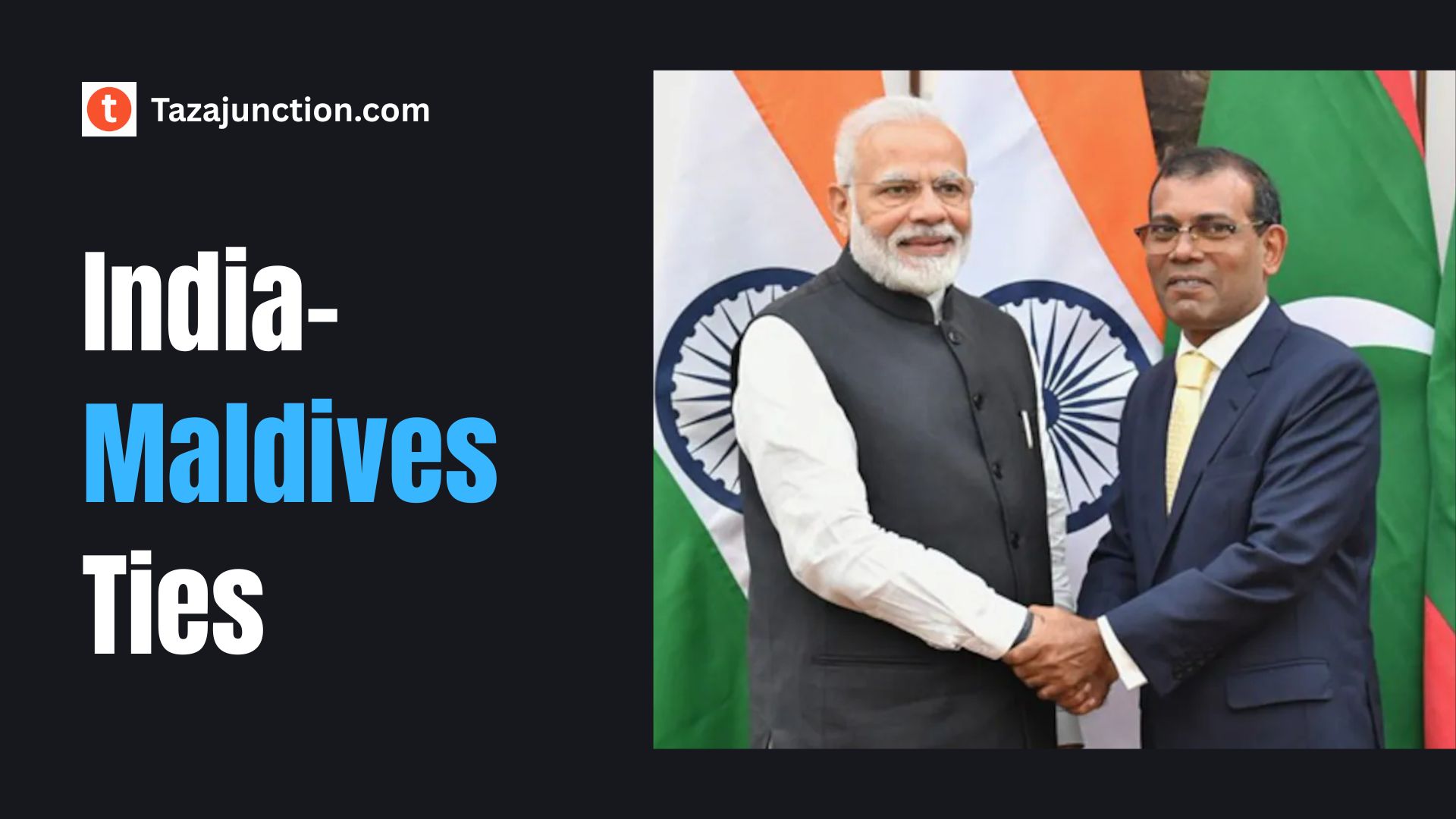
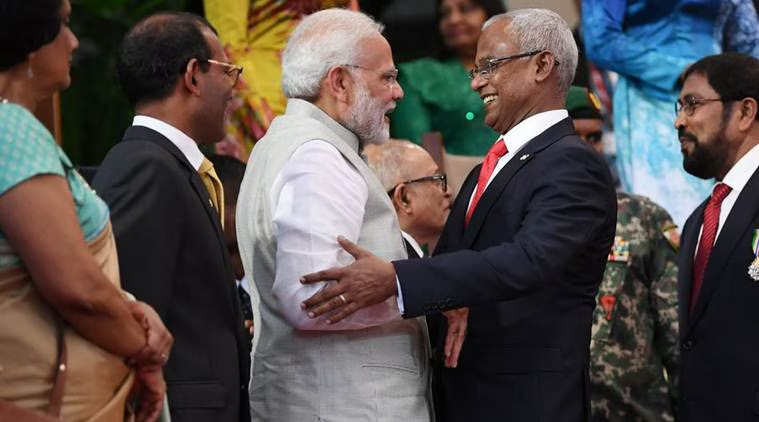
As Prime Minister Narendra Modi prepares for his highly anticipated visit to the Maldives, former Maldives President Mohamed Nasheed has underscored the immense significance of strengthening India-Maldives ties.

Nasheed, a prominent political leader and global climate advocate, believes that robust India Maldives ties are crucial not only for bilateral cooperation but also for regional stability, economic development, and addressing environmental challenges.

The relationship between India and the Maldives has experienced multiple phases over the years. However, recent developments have set a promising tone for enhanced cooperation.

Nasheed’s insights ahead of PM Modi’s visit reveal how both countries are poised to deepen their partnership and collaborate on diverse fronts that extend beyond traditional diplomacy.

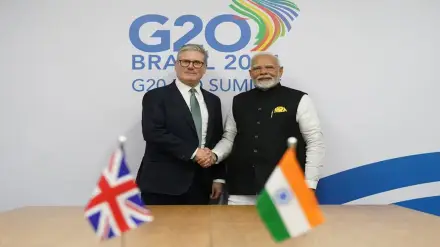
Also you can check the India-UK Free Trade Deal marks a significant milestone in the economic relationship between India and the United Kingdom.


The Historical Context of India-Maldives Ties

Understanding the importance of India-Maldives ties requires reflecting on the historical and strategic bonds that unite the two nations. The Maldives, a small island nation strategically located in the Indian Ocean, has historically maintained close ties with India due to geographic proximity, shared cultural values, and mutual interests.

Nasheed recalls periods where these ties were strained due to varying political alignments, but he emphasizes that the core of the relationship has always been rooted in mutual respect and collaboration. In recent years, efforts from both sides have helped reinforce India-Maldives ties by focusing on shared challenges and opportunities.


Economic Cooperation: A Cornerstone of India-Maldives Ties

One of the most vital aspects highlighted by Mohamed Nasheed concerning India-Maldives ties is economic cooperation. The Maldives, heavily reliant on tourism and fisheries, has benefited from India’s financial assistance and investments in critical infrastructure. Nasheed has credited India with providing essential support during times of economic uncertainty.

India’s role in helping the Maldives avoid a potential debt crisis showcased the strength of India-Maldives ties. This economic backing has helped stabilize the Maldivian economy, enabling it to continue growing and developing.

Nasheed expects that PM Modi’s visit will reinforce this partnership, leading to more investments in infrastructure, renewable energy, and connectivity projects that serve both nations’ long-term goals.

The development of the Hanimadhoo International Airport, funded by India, is one such project set to enhance the Maldives’ connectivity to India’s southern states. This initiative is a testament to the practical benefits of strong India-Maldives ties, facilitating not only tourism but also business and cultural exchange.

Also you want to know about Income Tax return then read our article. This article provides a complete guide on the start date of ITR filing, who needs to file, the due dates, document checklist, common mistakes, and the importance of filing early.


Security and Strategic Importance of India-Maldives Ties

image 96

Security cooperation is another pivotal pillar of India-Maldives ties. The Maldives’ strategic location along major Indian Ocean shipping lanes makes it an important partner for India in safeguarding maritime security. Nasheed has consistently stressed the importance of close coordination on regional security issues.

Through joint naval exercises, intelligence sharing, and counter-piracy operations, India-Maldives ties have grown stronger in maintaining peace and stability in the Indian Ocean region. Nasheed believes that these efforts not only protect both nations’ interests but also contribute to broader regional security frameworks.

With growing geopolitical competition in the Indian Ocean, the importance of India-Maldives ties in ensuring a stable, secure maritime environment cannot be overstated. Nasheed has urged both countries to expand this cooperation to address emerging threats such as terrorism, trafficking, and natural disasters.


Political Consensus and India-Maldives Ties

Another significant factor Nasheed highlights is the growing political consensus in the Maldives supporting close India-Maldives ties. Despite domestic political shifts and changing governments, there appears to be a broad agreement on the importance of maintaining and deepening relations with India.

Nasheed notes that this consensus is driven by a pragmatic understanding that India is an indispensable partner for the Maldives’ development and security. Across political divides, leaders recognize that strengthening India Maldives ties is in the best interest of the nation and the region as a whole.

This bipartisan support is critical for ensuring the sustainability of initiatives launched during PM Modi visit and beyond, allowing both nations to plan for the future with confidence.


Tourism: A Bridge in India-Maldives Ties

Tourism serves as a vital economic link between India and the Maldives, and it is one of the most visible facets of India-Maldives ties. India is the largest source of tourists for the Maldives, and this people-to-people connection strengthens cultural understanding and economic cooperation.

Nasheed has expressed optimism that PM Modi’s visit will lead to increased efforts to promote tourism between the two countries. He pointed out that improved air connectivity, supported by Indian investments, will play a crucial role in this growth.

As tourism flourishes, so too will opportunities for joint ventures, hospitality collaborations, and cultural exchanges, all of which fortify India-Maldives ties and create a foundation for deeper cooperation in other sectors.


Environmental Cooperation and Climate Change: A Key Area of India-Maldives Ties

As a renowned climate advocate, Mohamed Nasheed has long emphasized the urgency of addressing climate change, especially for vulnerable island nations like the Maldives. He highlights environmental cooperation as a critical dimension of India Maldives ties.

The Maldives faces existential threats from rising sea levels, coral bleaching, and extreme weather events. Nasheed believes that India’s leadership in renewable energy and sustainability initiatives can support the Maldives in mitigating these challenges.

Joint efforts in disaster management, clean energy projects, and marine conservation are integral to strengthening India-Maldives ties in the environmental arena. PM Modi’s visit is expected to reinforce commitments in this area, facilitating knowledge exchange and funding for climate resilience.


Cultural and Educational Exchange Enhances India-Maldives Ties

Beyond economics and security, India-Maldives ties are enriched by cultural and educational exchanges. These initiatives foster deeper people-to-people bonds, which Nasheed believes are the bedrock of lasting bilateral relations.

Scholarship programs, cultural festivals, and collaborative academic research strengthen mutual understanding and create opportunities for young Maldivians and Indians alike. Nasheed advocates for expanding these programs as part of the broader effort to enhance India Maldives ties.


Challenges and the Road Ahead for India-Maldives Ties

While Mohamed Nasheed remains optimistic about the future of India-Maldives ties, he acknowledges challenges that both nations must navigate. These include managing geopolitical competition in the region, addressing economic vulnerabilities, and ensuring sustainable development.

Nasheed calls for continuous dialogue, transparency, and shared vision to overcome these obstacles. He believes that the foundation laid by India Maldives ties will allow both countries to collaborate effectively and maintain regional peace and prosperity.


Conclusion

Mohamed Nasheed’s reflections on India Maldives ties ahead of PM Modi’s visit provide valuable insights into the multifaceted nature of this bilateral relationship.

From economic cooperation and security collaboration to environmental sustainability and cultural exchange, the ties between India and the Maldives are comprehensive and growing stronger.

PM Modi’s upcoming visit is expected to further consolidate these ties, opening new avenues for partnership and mutual growth.

As both countries navigate the complexities of the 21st century, India Maldives ties will remain a cornerstone of their foreign policies, ensuring a prosperous and secure future for the region.

India-UK Free Trade Deal: Cheaper Whisky, Cars, and More

india-uk free trade deal

In a landmark development, the India-UK Free Trade Deal has been finalized, promising significant economic benefits for both nations.

This comprehensive agreement aims to enhance bilateral trade by reducing tariffs on a wide range of products, including whisky, cars, cosmetics, medical devices, and more.

The deal is expected to foster closer economic ties between the two countries and stimulate growth in various sectors.

Also you want to know about Income Tax return then read our article. This article provides a complete guide on the start date of ITR filing, who needs to file, the due dates, document checklist, common mistakes, and the importance of filing early.


Key Highlights of the India-UK Free Trade Deal

The India-UK Free Trade Deal encompasses several critical provisions designed to boost trade and investment. Notably, the agreement includes:

  • Tariff Reductions: Substantial cuts in import duties on various products, making British goods more affordable for Indian consumers.
  • Market Access: Improved access for Indian exporters to the UK market, facilitating the growth of Indian businesses.
  • Investment Opportunities: Enhanced opportunities for British companies to invest in India, particularly in sectors like manufacturing and services.
  • Regulatory Cooperation: Streamlined regulations to ease trade processes and reduce barriers for businesses operating in both countries.

Impact on Specific Sectors

image 94

1. Whisky

One of the most anticipated outcomes of the India-UK Free Trade Deal is the reduction in tariffs on Scotch whisky. Currently, India imposes a 150% import duty on Scotch whisky, making it one of the most expensive markets for this product.

Under the new agreement, this duty is set to decrease to 75% initially, with a further reduction to 40% over the next ten years. This gradual decrease is expected to make Scotch whisky more accessible to Indian consumers and boost sales for British distillers.

2. Cars

The automotive sector stands to benefit significantly from the India-UK Free Trade Deal. Presently, India levies import duties exceeding 100% on foreign-made cars, a barrier that has hindered the entry of many British car manufacturers into the Indian market.

The new agreement introduces a quota system that will reduce these duties to 10% for a specified number of vehicles. This move is anticipated to make British cars more competitively priced in India and encourage greater investment from UK automakers.

Also Ola Electric’s stock market debut in 2024 was one of the most anticipated IPOs in recent memory. You can read more about Ola electric share price gain.

3. Cosmetics

The cosmetics industry is another beneficiary of the India-UK Free Trade Deal. With the reduction of import duties on cosmetic products, British brands will find it easier to enter the Indian market.

This is particularly significant given the growing demand for premium cosmetic products among Indian consumers. The deal is expected to lead to a wider variety of products available in the market and foster healthy competition among brands.

4. Medical Devices

The healthcare sector will also experience positive changes due to the India-UK Free Trade Deal. The reduction in tariffs on medical devices will lower the cost of importing advanced healthcare equipment into India.

This is crucial for improving healthcare infrastructure and providing better medical services to the population. British companies specializing in medical technology are likely to explore new opportunities in the Indian market, contributing to the sector’s growth.

5. Other Sectors

Beyond the aforementioned industries, the India-UK Free Trade Deal covers several other sectors, including:

  • Aerospace: Facilitating collaboration between Indian and British aerospace companies.
  • Lamb: Reducing tariffs to promote the import of British lamb into India.
  • Electrical Machinery: Lowering import duties to encourage trade in electrical equipment.
  • Soft Drinks, Chocolate, and Biscuits: Making British confectionery and beverages more affordable for Indian consumers.

These provisions are expected to diversify the range of products available in the Indian market and strengthen economic ties between the two nations.


Economic Implications

image 92

The India-UK Free Trade Deal is projected to have substantial economic impacts for both countries. For India, the agreement is expected to lead to an increase in exports to the UK, particularly in sectors like textiles, pharmaceuticals, and information technology services.

The reduction in import duties will also benefit Indian consumers by providing access to a wider variety of goods at lower prices.

For the UK, the deal opens up a significant market for British goods and services. The reduction in tariffs on products like whisky and cars will make these items more competitive in the Indian market.

Additionally, the agreement is anticipated to encourage British companies to invest in India, leveraging the country’s growing consumer base and expanding economy.

Overall, the India-UK Free Trade Deal is seen as a step towards deeper economic integration between the two nations, fostering mutual growth and prosperity.


Strategic and Political Significance

Beyond the economic benefits, the India-UK Free Trade Deal holds strategic and political importance. For India, the agreement represents a move towards greater engagement with Western economies, diversifying its trade partnerships beyond its traditional focus on Asia.

For the UK, the deal is a significant post-Brexit achievement, reinforcing its global trade relationships and opening new avenues for economic cooperation.

The successful negotiation and finalization of the deal underscore the commitment of both countries to strengthening bilateral ties and addressing global economic challenges collaboratively. The agreement is also expected to serve as a model for future trade deals between India and other Western nations.


Implementation and Future Prospects

The India-UK Free Trade Deal is set to be implemented in phases, with immediate reductions in tariffs on certain products and gradual decreases over the next decade for others. Both governments have committed to monitoring the implementation process to ensure that the benefits of the agreement are realized and that any challenges are addressed promptly.

Looking ahead, the deal is expected to pave the way for further collaboration between India and the UK in areas such as technology, education, and climate change. The strengthened economic ties are likely to lead to increased people-to-people exchanges, fostering greater understanding and cooperation between the two nations.


Conclusion

The India-UK Free Trade Deal marks a significant milestone in the economic relationship between India and the United Kingdom.

By reducing tariffs on key products like whisky, cars, cosmetics, and medical devices, the agreement promises to enhance trade, stimulate economic growth, and provide consumers with greater access to a diverse range of goods.

As the deal moves towards implementation, it holds the potential to reshape the economic landscape of both nations and set the stage for a new era of bilateral cooperation.

Ozzy Osbourne Died At Age Of 76 In UK: A Legend’s Final Act

ozzy osbourne

The music world stands united in grief as iconic heavy metal pioneer Ozzy Osbourne died at age of 76 in UK. Known as the “Prince of Darkness,” Ozzy was revered for founding Black Sabbath, forging the heavy metal genre, and captivating audiences with his solo work.

His final days were marked by love, legacy, and a farewell performance that defined a career steeped in rebellion and reinvention.

Also, the Indian film industry bid a heartfelt farewell to one of its most cherished veterans— Kota Srinivasa Rao, you can read our article to get more info about his life.


A Final Curtain Call

On 22 July 2025, Ozzy Osbourne died at age of 76 in UK, surrounded by his devoted family in Buckinghamshire. He had just 17 days earlier delivered a farewell performance in Birmingham—the legendary “Back to the Beginning” concert—with Black Sabbath.

Seated on a throne due to Parkinson’s-related mobility issues, he delivered a powerful final bow, stating, “Thank you from the bottom of my heart.” That emotional show would become his final public appearance, sealing his place in rock history.

If you’re a fan of emotional drama, heartfelt lyrics, and young love finding its way through hardship, Saiyaara will strike a chord.


A Life in Rock: From Birmingham to Global Icon

Born John Michael Osbourne in 1948 in Birmingham, Ozzy Osbourne died at age of 76 in UK, marking the end of a life that began in humble settings and rose to worldwide fame. He co-founded Black Sabbath in 1968, delivering genre-defining albums like Paranoid and Master of Reality. The band’s sound, laced with dark lyrics and heavy riffs, charted new territory—laying the groundwork for heavy metal.

After parting ways with Sabbath in 1979 due to personal struggles, Ozzy launched a successful solo career, with albums like Blizzard of Ozz and Diary of a Madman, spawning hits such as “Crazy Train” and “Mr. Crowley.”

His influence extended beyond music; his MTV-era reality show introduced him to new generations. Yet, at the end, it was his unprecedented final show that bookended his life’s performance—showing the world the man behind the myth before Ozzy Osbourne died at age of 76 in UK.


Health Battles and Unyielding Stage Presence

image 90

Ozzy faced serious health challenges in his final years. Diagnosed with Parkinson’s in 2020, he then suffered injuries from a 2019 fall and neck complications from a cycling accident.

Despite these setbacks, he remained fiercely committed to performing. His appearance at Villa Park on 5 July was a testament to resilience: perched on an ornate throne, he delivered hits to nearly 45,000 fans. When Ozzy Osbourne died at age of 76 in UK, it was clear his fighting spirit endured to the end.


Family by His Side

When Ozzy Osbourne died at age of 76 in UK, he was at home, surrounded by his wife Sharon and their children—Kelly, Jack, Aimee—as well as his eldest children from his earlier marriage.

The family issued a statement expressing profound sorrow, asking for privacy during their mourning. Their presence was a testament to the enduring bond that carried him from his earliest days to his final moments.


Final Show & Farewell Legacy

Ozzy’s last show took place on 5 July 2025 at Villa Park and was more than a concert—it was a finale. Titled “Back to the Beginning,” it reunited Black Sabbath’s original lineup and featured performances by heavyweights like Metallica and Guns N’ Roses.

The show raised £140 million for charity and was both a musical celebration and a poignant farewell. The emotional gravity of that evening showed that even as Ozzy Osbourne died at age of 76 in UK, his final chapter was scripted to honor fans and cement his legacy.


Global Outpouring of Emotion

News that Ozzy Osbourne died at age of 76 in UK sent ripples across music and beyond. Fellow legends like Elton John, Robert Plant, Gene Simmons, Metallica, and Def Leppard shared heartfelt tributes, recalling his iconic role in shaping modern rock.

Sports teams also paid homage—Aston Villa celebrated their lifelong fan, NFL Patriots acknowledged the anthem power of “Crazy Train,” and musicians in stadiums paused in reverence.


An Era Defined by Rebellion

Ozzy wasn’t just a musician; he was an archetype of rock rebellion. His stage antics—biting the head off a bat, live interviews, and his unapologetic personality—shocked, amused, and inspired. For many, when Ozzy Osbourne died at age of 76 in UK, the world lost a creative force who shaped edgy youth culture and challenged norms with humor and defiance.


Impact That Echoes Across Generations

His influence on rock music is engraved in the history books: inducted twice into the Rock and Roll Hall of Fame, honored with Grammy awards, and lauded as one of heavy metal’s original architects. His fame spread across countries and decades.

When Ozzy Osbourne died at age of 76 in UK, he left behind a cultural imprint, from gritty 1970s Sabbath riffs to MTV-era reality fame, ensuring his work lives on in albums, videos, and collective consciousness.


What’s Next: Memories and Memorials

Following his passing, plans emerged for a public memorial in Birmingham. Fans are gathering near the Black Sabbath Bridge, laying flowers in tribute.

City officials are exploring lasting honors to honor him in his hometown. His final performance will likely be released as a documentary or live album, letting fans worldwide relive the climactic moment before Ozzy Osbourne died at age of 76 in UK closed the curtains.


Lasting Lessons and Continuing Influence

The life of Ozzy Osbourne offers powerful lessons on resilience, creativity, and authenticity. He transformed hardship into art, persisted under physical pain, and upheld his identity to the end.

His story reminds us of the value of following passion and owning one’s path—even when it is unconventional. Though Ozzy Osbourne died at age of 76 in UK, these lessons remain with those he inspired.


Final Thoughts

The news that Ozzy Osbourne died at age of 76 in UK evokes sorrow at the end of an era, yet also gratitude for a remarkable life.

He challenged expectations, broke boundaries, and changed the face of music forever. His farewell stage performance, family presence at his side, and universal outpouring of love emphasize the man behind the legend.

His journey—from a working-class Birmingham childhood to worldwide fame—was defined by determination and authenticity. As the world remembers him, Ozzy’s legacy remains vibrant. When Ozzy Osbourne died at age of 76 in UK, he left a world of harder riffs, louder voices, and braver hearts.

Latest on Ozzy Osbourne’s Passing

Ozzy Osbourne's Final Days in England: 'He Was in Peace' (Exclusive)
people

People.com

Ozzy Osbourne’s Final Days in England: ‘He Was in Peace’ (Exclusive)

Today

Heavy metal icon Ozzy Osbourne passes away at 76 - the 'Prince of Darkness' death marks the end of an era
indiatimes

indiatimes.com

Heavy metal icon Ozzy Osbourne passes away at 76 – the ‘Prince of Darkness’ death marks the end of an era

Yesterday

Minnes Ozzy på hjemmebane
www.vg

vg.no

Minnes Ozzy på hjemmebane

Today