
Turkey Earthquake Alert: Google AEA Miscalculates, Sends Only 469 Warnings

turkey earthquake alert

In the wake of the devastating seismic event that rocked southeastern Turkey, questions are now being raised about the accuracy and reliability of early warning systems.

At the center of the discussion is Google’s Android Earthquake Alerts (AEA) system, which reportedly miscalculated the magnitude and sent out just 469 major alerts during the catastrophe.

The incident has sparked debate among experts and citizens alike regarding the role of big tech in disaster response—and whether systems like this can truly be relied upon during large-scale emergencies.

The Turkey earthquake alert was meant to be one of the biggest real-time tests for Google’s AEA since its global rollout. However, initial assessments suggest the system fell short of expectations.

Let’s explore whole story with TazaJunction.com.


What Happened in Turkey Earthquake?

On the morning of the earthquake, a powerful tremor struck near the city of Gaziantep. While seismologists now confirm the quake measured 7.8 on the Richter scale, Google’s AEA system initially recorded it as significantly weaker.

As a result, the system issued just 469 high-priority warnings to Android users in the region—a number critics say is dangerously low given the scale of the disaster.

The Turkey earthquake alert was expected to cover a broader region and reach thousands more devices in real time. However, delays and incorrect magnitude estimations may have reduced the system’s overall effectiveness.


What Is Google’s AEA?

Google’s AEA (Android Earthquake Alerts) system was designed to provide life-saving seconds of warning before seismic waves hit.

It works by turning Android phones into mini seismometers that detect ground shaking and send signals to Google servers. If the signals indicate an earthquake, alerts are then pushed to nearby Android users before the shaking arrives.

In theory, this crowd-sourced model should offer rapid, localized alerts. In practice, the Turkey earthquake alert event exposed potential gaps when it comes to major quakes and high-population areas.


Misjudging the Magnitude

image 152

One of the most glaring issues with the Turkey earthquake alert was the magnitude miscalculation. By underestimating the quake’s strength, the AEA system didn’t trigger as many warnings as it should have. In massive earthquakes, even a few seconds of advance notice can mean the difference between life and death.

Seismologists argue that while real-time magnitude estimation is notoriously difficult, algorithms must be trained to err on the side of caution. Google’s system appears to have downplayed the initial shock, triggering fewer warnings than necessary.


Why Only 469 Major Alerts?

Given the widespread damage and the sheer number of people affected, the figure of 469 major alerts is raising eyebrows. According to reports, Google’s system did detect seismic activity but filtered out much of it due to the magnitude threshold it uses to determine whether to send a Turkey earthquake alert.

Critics say that this threshold might be too high or that the system’s response curve needs tuning. If the alert logic doesn’t adapt to regional infrastructure, population density, and building codes, it could fail when most needed.


A Missed Opportunity?

Many believe the Turkey earthquake alert incident was a missed opportunity for Google to demonstrate how powerful early warning technology can be. In countries like Japan and Mexico, government-run systems have proven highly effective. In contrast, Google’s system is meant to serve areas lacking formal early warning networks.

Turkey, which has some early warning infrastructure but limited public notification mechanisms, was an ideal test bed. Unfortunately, the underwhelming response from AEA suggests there is still a long way to go before such systems can be deemed reliable across varied geographies.


Public Reaction and Criticism

image 153

The public reaction to the Turkey earthquake alert failure has been swift. Social media in Turkey was filled with posts from people claiming they received no alert or received one after the shaking had already started. Some even questioned whether the system was turned on at all in their area.

Tech forums and seismology experts have chimed in, saying that while no alert system is perfect, a company like Google should be transparent about its limitations. Many are calling for more user control, greater localization of alert criteria, and collaboration with national geological services.


Google’s Response

As criticism mounted, Google issued a brief statement acknowledging the Turkey earthquake alert performance and promising a full review. The company reiterated that AEA is an auxiliary system, not meant to replace government-led efforts but rather to complement them in underserved areas.

They also emphasized that the system is still evolving and that data from the Turkey event will be used to refine algorithms and improve accuracy. However, they did not address specific details about why so few alerts were sent or what magnitude the system initially detected.


Challenges in Earthquake Prediction

To understand the Turkey earthquake alert issue fully, it’s important to recognize the inherent challenges in earthquake detection. Earthquakes don’t send out invitations—they strike suddenly, and calculating their size and origin in real time is extremely complex.

Even advanced government-run systems have false alarms and delays. Google’s model, while innovative, relies heavily on user data, phone sensors, and fast cloud-based processing—all of which have potential bottlenecks.

In large, rural, or poorly connected areas, this model may struggle, especially if it hasn’t been rigorously tested against mega-quakes like the one that struck Turkey.


The Human Cost of Missed Alerts

When the Turkey earthquake alert underdelivered, the impact wasn’t just technological—it was human. Early alerts can prompt people to take cover, pull cars over, or exit unsafe buildings. In this case, many people were caught completely off guard.

With more than 50,000 deaths and widespread infrastructure damage, even a few extra seconds of warning could have saved lives. The lack of robust coverage in the AEA system has sparked discussions about ethical responsibility, especially when tech companies roll out public safety tools without adequate oversight.


Moving Forward

The failure of the Turkey earthquake alert system has sparked a new wave of scrutiny into how we prepare for natural disasters in the digital age. While Google’s system has potential, this event shows it is not yet a fully dependable substitute for national alert networks.

Experts recommend a multi-layered approach that includes government systems, smartphone-based alerts, wearable tech, and community education. For Google, the priority now should be transparency, improvement, and collaboration with regional experts.

Only by learning from these failures can better systems be developed—and trust restored.


A Call for Accountability and Innovation

The Turkey earthquake alert fiasco is a reminder that innovation must be matched by responsibility. With tech giants venturing into public safety, the standards for accuracy and reliability must be even higher.

Users need to know how alerts work, when they’ll arrive, and what they can realistically expect. Companies like Google must also be clear about coverage zones and fail-safes.

Turkey’s tragedy could mark a turning point in how earthquake alerts are handled worldwide. It could lead to smarter systems—but only if those responsible take full ownership of their shortcomings.


Conclusion

The Turkey earthquake alert failure isn’t just a technological hiccup—it’s a life-and-death issue that deserves serious attention. Google’s AEA system has potential, but its performance during Turkey’s crisis raises serious concerns about its readiness for real-world disasters.

As climate change and urban growth increase the risks of natural disasters, early warning systems will become more critical. We can’t afford to treat them like optional features.

If tech companies are going to play a role in public safety, their tools must be tested, refined, and held to the highest standard possible.

The lessons from Turkey must not be forgotten—they must shape the future.
Tea App Image Breach: 72,000 User Photos Stolen in Security Incident

tea app image breach

In a deeply concerning development for privacy in the online dating world, the Tea app image breach has shaken user trust after the women-focused dating platform revealed that over 72,000 user images were stolen in a recent security breach.

Tea, a rising app designed to create a safer, more empowering space for women in online dating, confirmed that its image database was accessed by unauthorized parties.

The company admitted the breach affected both current and former users, with the compromised content mainly consisting of profile photos and uploaded media files.

This incident puts the spotlight back on data security within dating apps—where personal identity and visual information are central to the user experience.

Also check the article on the Allianz Life says majority of US customers’ data stolen in hack that stemmed from a breach in a vendor’s file transfer system.


The Breach: What Happened?

image 149

The Tea app image breach occurred when malicious actors exploited a vulnerability in the app’s media storage system. According to the company’s initial statement, an outdated third-party cloud integration was to blame. This vulnerability allowed attackers to gain access to image files stored outside the app’s core system.

Tea’s cybersecurity team detected unusual activity on its servers and quickly traced it back to unauthorized data downloads. Upon further analysis, it was discovered that at least 72,000 unique images had been exfiltrated from the system.

The breach was contained within 48 hours of discovery, but the damage was already done.


What Was Compromised?

The Tea app image breach specifically targeted images rather than broader user account information. The stolen content reportedly includes profile pictures, image-based messages, and privately uploaded media that users shared within chats.

While no credit card data or passwords were accessed, the loss of image-based information poses a serious privacy risk. Photos used on dating apps are often personal, sometimes intimate, and rarely shared elsewhere. Their exposure could result in identity misuse, online harassment, or image-based abuse.


Company’s Response

In the wake of the Tea app image breach, the company issued an apology and promised swift action. It has already begun notifying users whose data was included in the breach and is offering identity protection services at no cost to affected individuals.

Tea has also launched a full-scale audit of its infrastructure and has engaged independent cybersecurity consultants to assist in a comprehensive review.

As part of its response, the company will migrate image hosting to a more secure, encrypted system and introduce stronger access controls for all media.

The company also stated it would soon roll out new privacy tools that give users more control over who sees their content and how long it remains stored.


Impact on Users

For the app’s user base, mostly women seeking a more secure dating experience, the Tea app image breach is a serious violation of trust. Many users joined the platform because it marketed itself as a safer, women-first alternative to traditional dating apps.

Knowing that private images may now be circulating without consent has caused anxiety and frustration within the community.

Some users have taken to social media to express concerns about the possible misuse of their images. Others are questioning whether to continue using dating apps altogether.

Tea has encouraged users to report any suspicious activity or unauthorized reposting of their photos online.


Why Dating Apps Are High-Value Targets?

image 150

The Tea app image breach is not an isolated incident. Dating platforms have increasingly become targets for cybercriminals due to the type of content and personal data they hold.

From images and bios to location data and messaging history, these apps offer a treasure trove of sensitive information.

In this case, the focus was on media—often the most personal and emotionally charged part of a user’s profile. Unlike stolen passwords, leaked images cannot be changed or reset. Once an image is leaked online, control over that content is essentially lost.


Following the Tea app image breach, legal experts suggest the company may face regulatory scrutiny under data protection laws such as the California Consumer Privacy Act (CCPA) and potentially the GDPR, if any European users were affected.

Civil lawsuits are also a possibility, especially if users feel they were not adequately informed or protected. Legal questions are likely to center around whether Tea took reasonable precautions to secure image data and how quickly it responded to the breach once discovered.

Tea maintains that its response followed industry best practices, but the coming weeks may bring more clarity as investigations unfold.


The Role of Cloud Storage

Many image breaches stem from poor cloud storage configurations. In the Tea app image breach, the company confirmed that the compromised data was stored on a third-party cloud platform, separate from the app’s main database.

This separation is common practice, especially for media-heavy applications, but it also increases the number of attack vectors. If access controls on cloud folders are misconfigured or outdated, attackers can exploit them even without breaching the app itself.

Tea’s decision to overhaul its media infrastructure was likely based on this architecture flaw.


Rebuilding Trust

To recover from the Tea app image breach, the company will need to do more than patch systems. Trust in digital platforms—especially dating apps—is fragile and hard to rebuild once broken.

Tea’s leadership has publicly stated their commitment to regaining user confidence, citing improved transparency, increased user control, and regular security audits as steps toward that goal.

They’ve also pledged to provide clearer privacy settings, including automatic deletion of old image content and an option for users to manually delete all stored media on demand.

However, the damage done may linger for many users, particularly those whose images have been stolen and may resurface in unwanted contexts.


Lessons for Other Platforms

The Tea app image breach is a warning sign for other apps in the dating and social networking sectors. As users increasingly share personal media online, the responsibility to protect that content has never been greater.

App developers must take proactive steps to safeguard user media—including encryption at rest, secure APIs, and stricter access control policies. They should also educate users about potential risks and provide tools that empower users to manage their data more effectively.


Community Reaction

The community’s response to the Tea app image breach has been swift and vocal. While some users have expressed appreciation for the company’s transparency, others feel more could have been done to prevent the breach in the first place.

Discussions around app safety, digital consent, and online privacy have gained momentum as a result. Some users have begun demanding better privacy-by-design features from all dating platforms, not just Tea.

It’s likely that public pressure will lead to broader changes across the dating app industry in the months ahead.


Moving Forward

As the Tea app image breach continues to make headlines, it’s clear that user privacy in the dating world is more critical than ever. Tea has pledged to learn from this mistake, but its ability to recover will depend on actions—not just words.

Dating apps face a delicate balance: they must provide engaging experiences while also protecting their users’ most personal data. Failing to do so not only invites technical consequences but also erodes the emotional trust at the heart of digital connection.


Conclusion

The Tea app image breach serves as a stark reminder that no platform is immune to cyber threats, no matter how well-intentioned or niche its audience. For Tea, this incident is a serious test of its values, leadership, and long-term survival in a competitive market.

As the company works to rebuild its infrastructure and reputation, users across the world will be watching closely—demanding transparency, security, and above all, respect for their digital privacy.

Allianz Life Says Majority of US Customers’ Data Stolen in Hack

allianz life

In a startling revelation that has raised fresh concerns about cybersecurity in the financial sector, Allianz Life says majority of US customers’ data stolen in hack.

The announcement came as part of a broader disclosure following a third-party software vulnerability that allowed unauthorized access to sensitive customer information.

This breach has significant implications for the insurance and financial services industries, not just because of its scale but also due to the type of data potentially compromised.

With cyberattacks becoming more frequent and sophisticated, Allianz’s disclosure adds to the growing list of large institutions struggling to protect client data in an increasingly connected world.

Let’s explore whole story with TazaJunction.com.


The Breach: What Happened?

image 147

According to the company’s initial statement, Allianz Life says majority of US customers’ data stolen in hack that stemmed from a breach in a vendor’s file transfer system.

The tool, used to move large amounts of information, was exploited by cybercriminals who accessed and downloaded files containing customer data.

Allianz Life did not specify the exact number of affected individuals but confirmed that a significant portion of its U.S. customer base was impacted.

The company is still assessing the full scope of the breach and has engaged cybersecurity experts to investigate and mitigate the fallout.


What Data Was Stolen?

As Allianz Life says majority of US customers’ data stolen in hack, concerns are growing over the type of data that may now be exposed. Preliminary findings indicate that the stolen information includes names, Social Security numbers, policy numbers, dates of birth, and other financial or contact details.

This type of data is particularly valuable to cybercriminals because it enables identity theft, financial fraud, and even targeted phishing campaigns. Allianz has warned customers to be vigilant and monitor their accounts for suspicious activity.


How the Hack Was Discovered

The company discovered the breach during routine system checks when anomalies in data transfers were detected. Further analysis revealed unauthorized access to their third-party vendor’s system.

Shortly afterward, Allianz Life says majority of US customers’ data stolen in hack, sending notices to affected clients and reporting the incident to regulators.

Cybersecurity experts believe the hackers may have exploited a vulnerability in MOVEit—a widely used file transfer system recently targeted in multiple attacks across the globe.


Allianz’s Response

image 148

After confirming the intrusion, Allianz Life says majority of US customers’ data stolen in hack, and immediately took several steps to respond. The company deactivated the compromised systems, initiated a forensic investigation, and hired a leading cybersecurity firm to review the damage.

Allianz Life has also started notifying affected individuals, offering free credit monitoring, identity theft protection, and direct customer support for those impacted by the breach. The company stressed that no internal Allianz systems were directly breached, but acknowledged the seriousness of the incident.


With Allianz Life says majority of US customers’ data stolen in hack, legal and regulatory consequences may follow. Allianz has already informed relevant federal and state agencies, including data protection authorities, about the incident.

Privacy laws such as the California Consumer Privacy Act (CCPA) and other state-level data breach notification laws require companies to take swift action and may impose fines or penalties for failures in data protection. Class-action lawsuits are also a possibility, especially if evidence shows Allianz or its vendor was negligent in securing sensitive data.


Industry-Wide Cybersecurity Challenges

The financial services industry has long been a top target for cybercriminals due to the wealth of sensitive information it stores. The news that Allianz Life says majority of US customers’ data stolen in hack underscores how even large, well-resourced companies can fall victim to third-party vulnerabilities.

In this case, Allianz’s reliance on external software created a security gap that hackers were able to exploit. As a result, many experts are calling for stronger oversight and more stringent cybersecurity requirements for all companies handling sensitive data—especially vendors.


Customers React to the Breach

When Allianz Life says majority of US customers’ data stolen in hack, customers responded with shock and frustration. Many expressed concern over the lack of detailed information provided in the initial disclosures, especially regarding what specific data was stolen and how it could be misused.

Some policyholders have already reported suspicious emails and attempted fraud, raising concerns that the stolen data is actively being used. Others have taken steps like freezing their credit, changing account passwords, and enrolling in identity protection services.


Trust and Brand Reputation at Stake

Allianz Life is one of the most recognized names in life insurance and retirement planning. The fact that Allianz Life says majority of US customers’ data stolen in hack may damage the company’s reputation and erode customer trust, even if the breach occurred through a third party.

In today’s environment, customers expect financial institutions to safeguard their data at all times. The failure to do so, even indirectly, can have long-lasting effects on customer loyalty and market confidence.

Allianz has pledged to improve its security practices and vendor oversight moving forward, but regaining lost trust could take time.


What Customers Should Do Now

Now that Allianz Life says majority of US customers’ data stolen in hack, affected customers are urged to act swiftly. Recommended steps include:

  • Monitoring financial accounts for unauthorized activity
  • Reviewing credit reports regularly
  • Placing fraud alerts or credit freezes if necessary
  • Being cautious of phishing emails or unsolicited phone calls
  • Taking advantage of credit monitoring and protection services offered by Allianz

By being proactive, customers can help reduce the risk of identity theft or fraud in the wake of the data breach.


Lessons for the Industry

That Allianz Life says majority of US customers’ data stolen in hack sends a wake-up call to insurers, banks, and all data-heavy organizations. It highlights the growing threat posed not just by direct cyberattacks but also by supply chain vulnerabilities.

As companies rely more heavily on cloud services, vendors, and third-party software tools, the attack surface expands. Companies must not only secure their own systems but also rigorously assess the cybersecurity practices of all their partners.

Investing in regular security audits, penetration testing, and zero-trust frameworks can help reduce the risk of future breaches.


Looking Ahead

As the investigation continues and more details emerge, Allianz Life says majority of US customers’ data stolen in hack remains a top cybersecurity headline in the insurance and financial services world. The full impact of the breach—on customers, on Allianz, and on the industry at large—will become clearer in the coming weeks.

What is certain is that cyber threats will only grow in frequency and complexity. Companies that fail to adapt their security strategies to these new realities risk facing similar consequences. For now, Allianz Life is under pressure to repair its systems, its customer relationships, and its public image.


Conclusion

The confirmation that Allianz Life says majority of US customers’ data stolen in hack is a sobering reminder of how vulnerable sensitive information remains—even in organizations that prioritize security.

While Allianz’s response has been swift and by-the-book, the scale and sensitivity of the stolen data make this breach especially serious.

As more financial firms come under attack, this incident should serve as a catalyst for stronger cyber protections, tighter vendor controls, and greater transparency across the board.

In the meantime, millions of Americans will be watching closely, hoping their personal information won’t be the next to fall into the wrong hands.

Meta to Halt Political Advertising in EU from October, Blames EU Rules

meta to halt political advertising in eu

In a significant development that could reshape how political discourse plays out online in Europe, Meta to halt political advertising in EU from October, blames EU rules.

This move comes as the tech giant prepares for a regulatory environment it claims is too complex and ambiguous to navigate. The decision has sparked conversations across the political, regulatory, and tech spheres as governments and advocacy groups evaluate its implications.

With the 2024 European elections approaching, the timing is crucial. Meta, the parent company of Facebook and Instagram, says it is acting preemptively in response to incoming changes under the European Union’s Digital Services Act (DSA) and the upcoming Political Advertising Regulation.

Let’s take a deep dive with TazaJunction.com into why Meta to halt political advertising in EU from October, blames EU rules, what this means for users, regulators, political parties, and how it may reshape the future of digital campaigns in the region.


Why Meta Is Taking This Step?

At the core of the issue is growing regulatory pressure from EU lawmakers. New transparency rules around political ads are part of a broader strategy to combat misinformation, manipulation, and foreign interference during elections. However, according to Meta, the evolving legal framework is too vague and inconsistent across member states.

In announcing the move, Meta explained that the current and upcoming rules create significant operational uncertainty. As a result, the company believes that suspending political advertising is the most practical way to comply. This is the primary context in which Meta to halt political advertising in EU from October, blames EU rules.

Meta has long relied on automated systems and internal protocols to flag and categorize political content. But the EU’s demands for granular transparency—including mandatory disclaimers, funding sources, and audience targeting data—could require more manual oversight than Meta is willing to implement across 27 countries.


What Counts as Political Advertising?

One reason Meta to halt political advertising in EU from October, blames EU rules is because of the broad definition of political content under EU law.

Political ads are not just party or candidate promotions. They also include any paid content that references social issues like climate change, immigration, healthcare, or civil rights—especially in the context of elections or public debate.

Meta argues that this expansive definition creates legal gray areas, making enforcement difficult. For example, will an NGO running a campaign about clean water be classified as political? Will cultural events with public funding be subject to disclosure laws?

With the lack of clarity, Meta is choosing to opt out rather than risk penalties or operational failures.


Impact on Political Campaigns

image 145

The announcement that Meta to halt political advertising in EU from October, blames EU rules has been met with concern among European political groups. Digital platforms like Facebook and Instagram have become essential for reaching voters, especially younger demographics.

By eliminating paid political promotions, candidates and parties lose a crucial tool for engagement, outreach, and fundraising.

Smaller parties and independents may be hit hardest. Without large media budgets, these groups rely heavily on targeted online ads to spread their message. While organic content is still allowed, the reach is significantly lower than paid content.

The change could lead to a reliance on traditional media, which may not have the same real-time responsiveness or personalization.


Effects on Meta’s Business Model

Although Meta earns a relatively small portion of its revenue from political ads, the decision to pull back reveals broader concerns. Meta to halt political advertising in EU from October, blames EU rules is also about avoiding legal complications and reputational risk.

In the past, Meta has faced criticism for allowing manipulative or misleading ads to run without sufficient vetting. The company has since developed libraries and transparency tools to address these issues. But the new EU regulations add another layer of complexity that Meta appears unwilling to invest in—at least for now.

This suggests that for large tech platforms, political advertising may no longer be worth the compliance burden in highly regulated regions like the EU.


Public and Government Reactions

So far, reactions to the news that Meta to halt political advertising in EU from October, blames EU rules have been mixed. Some EU lawmakers have accused Meta of avoiding responsibility. They argue that the rules are there to protect democracy and ensure that voters have clear information about who is trying to influence them.

On the other hand, digital rights groups and transparency advocates have welcomed the move. Some believe that removing political ads altogether could lead to a healthier information ecosystem, especially during sensitive election periods.

Still, critics caution that misinformation can still spread organically through user posts, which are not subject to the same transparency rules. The absence of political ads does not automatically mean the absence of political influence.


Are Other Tech Giants Next?

Meta’s announcement raises the question of whether other tech giants will follow suit. If Meta to halt political advertising in EU from October, blames EU rules, will platforms like Google, TikTok, or X (formerly Twitter) do the same?

As of now, other companies have indicated they are reviewing the regulations but haven’t made similar moves. The outcome could depend on how the EU enforces its rules and how much operational friction it creates for global platforms.

If Meta’s approach is seen as pragmatic or efficient, it could set a precedent. If it results in backlash or legal issues, other platforms might double down on compliance instead.


A Potential Gap in Political Communication

With Meta to halt political advertising in EU from October, blames EU rules, there may be unintended consequences for political education and voter turnout. Well-crafted ads can inform users about where and how to vote, key dates, and party platforms. Losing this direct line of communication could impact civic engagement, especially in tight races.

Some campaigns may look to alternative digital spaces, such as messaging apps or smaller social networks, which might not yet be under the same level of scrutiny. However, these platforms may lack the scale and tools needed for effective outreach.


Transparency vs. Accessibility

The heart of the matter—highlighted by Meta to halt political advertising in EU from October, blames EU rules—is the ongoing tension between transparency and accessibility. Regulators want more accountability. Tech platforms want scalable systems.

Somewhere in the middle lies the challenge of ensuring fair elections without stifling innovation or drowning in bureaucracy.

Meta’s decision underscores the difficulty of achieving that balance, especially across a diverse region like the EU, where legal frameworks can vary widely from one country to another.


What Happens Next?

As the deadline approaches, EU officials are likely to engage further with Meta and other platforms. Some have suggested a transitional period or more detailed guidelines to help companies comply. Whether these conversations will reverse Meta’s decision remains to be seen.

For now, it’s clear that Meta to halt political advertising in EU from October, blames EU rules is not just a headline—it’s a pivotal moment in the intersection of technology, regulation, and democracy.

Political parties are already adjusting their strategies, shifting toward community engagement, influencer outreach, and grassroots mobilization. Meanwhile, regulators may use Meta’s withdrawal as proof that stricter oversight is necessary, not optional.


Conclusion

The decision by Meta to halt political advertising in EU from October, blames EU rules reflects the growing friction between global tech companies and region-specific regulation.

It’s a sign that compliance burdens may shape how companies engage with political processes, possibly limiting tools that many have come to rely on.

While some see this move as Meta stepping away from accountability, others view it as a cautionary tale about unclear legislation. Either way, the upcoming months will be a test case for the EU’s regulatory ambitions—and for the future of political advertising online.

As we move closer to major elections across Europe, one thing is clear: the digital landscape of political campaigning is about to change, and the effects will be felt far beyond the tech industry.

Amazfit Active 2 (Square): A Smartwatch That Doubles as a Powerful Fitness Tracker

amazfit active 2 (square)

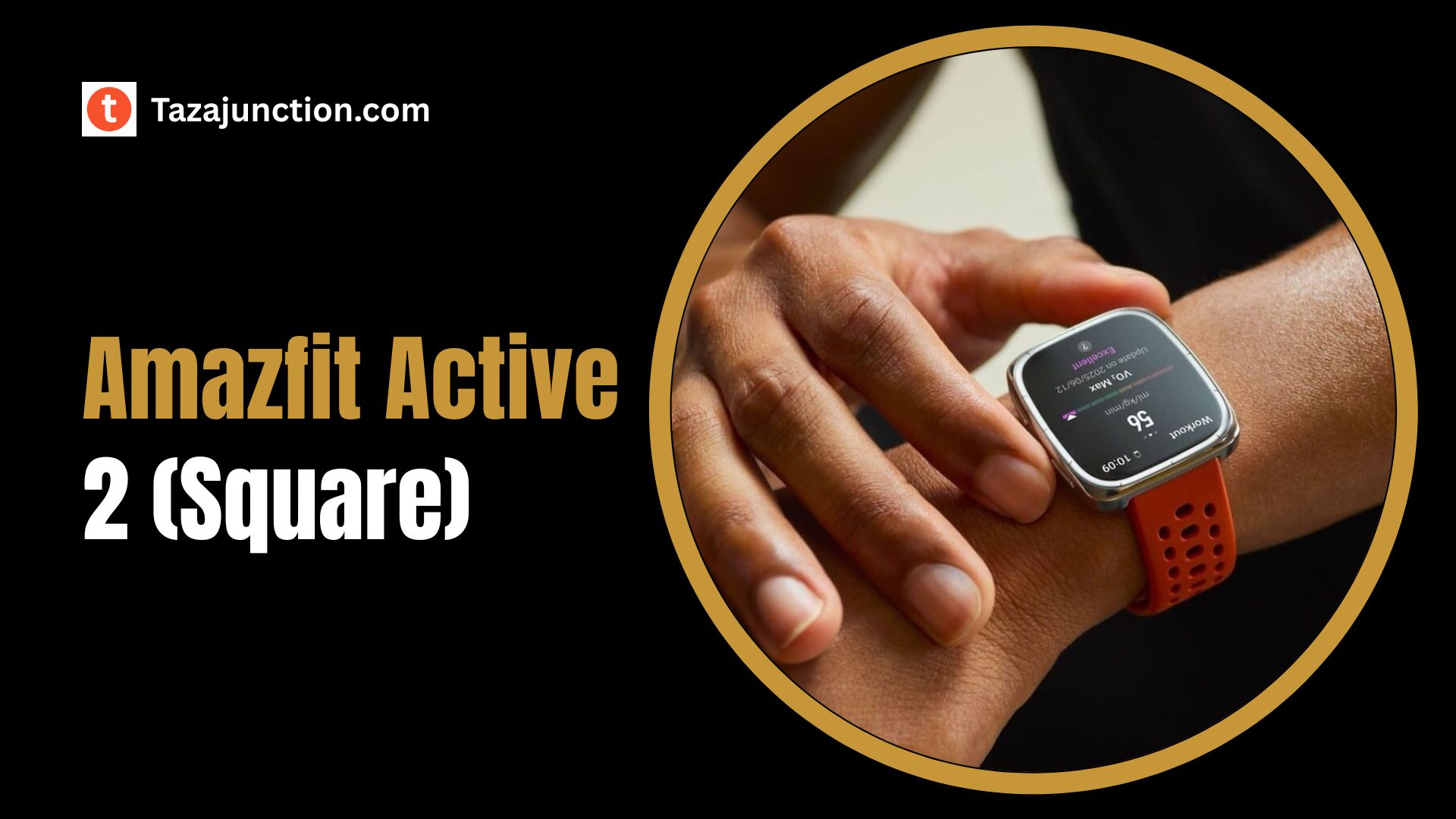
In an increasingly crowded wearable market, Amazfit continues to refine its balance between affordability and innovation. The Amazfit Active 2 (Square) review: An advanced fitness tracker in the form of a smartwatch explores a device that’s not just sleek and stylish, but surprisingly capable—especially for its price point.

As fitness tracking evolves into a lifestyle essential, this latest offering aims to deliver on performance, wellness insights, and smartwatch convenience, all wrapped in a compact square design.

Whether you’re a fitness enthusiast, a casual exerciser, or just someone looking to better manage daily health metrics, this watch presents a compelling case.

Let’s dive deep with TazaJunction.com into the design, features, performance, and value to see how the Amazfit Active 2 (Square) stacks up in real-world use.


Sleek and Functional Design

One of the first things that stands out in the Amazfit Active 2 (Square) review: An advanced fitness tracker in the form of a smartwatch is its refreshed design.

Unlike its circular siblings, the Square model embraces a sharp, modern aesthetic that will appeal to users who prefer clean lines and a minimalist look. The 1.75-inch AMOLED display is bright, responsive, and legible even under direct sunlight.

Weighing just under 25 grams with the strap, the Active 2 (Square) is comfortable to wear throughout the day and night. The aluminum alloy frame gives it a premium feel, while the soft silicone band makes it suitable for workouts and casual use alike.


Display and UI Responsiveness

The AMOLED screen is a major selling point, offering crisp visuals and rich color reproduction. It enhances the user experience during everything from checking notifications to viewing workout stats.

In this Amazfit Active 2 (Square) review: An advanced fitness tracker in the form of a smartwatch, it’s worth highlighting the smooth touch response and customizable watch faces that make personalization easy.

The Zepp OS 3.0 interface is snappy, and Amazfit has worked hard to reduce lag and streamline navigation. Swiping between tiles and launching apps feels fluid and intuitive, even for users new to wearables.


Fitness Tracking Features

image 144

At the heart of this Amazfit Active 2 (Square) review: An advanced fitness tracker in the form of a smartwatch is its robust health and fitness tracking capabilities. The device supports over 120 sports modes, ranging from traditional activities like running and cycling to more niche workouts like rowing and yoga.

The onboard sensors, including an advanced heart rate monitor, SpO2 tracker, accelerometer, and gyroscope, provide real-time insights. GPS accuracy has also seen improvements, which is essential for runners and outdoor adventurers who want precise tracking without carrying a phone.

What’s especially impressive is how the device auto-detects certain activities—like walking or elliptical workouts—without prompting. This hands-free convenience makes it ideal for busy users who might forget to start tracking manually.


Advanced Health Monitoring

Beyond step counting and calorie tracking, this Amazfit Active 2 (Square) review: An advanced fitness tracker in the form of a smartwatch wouldn’t be complete without mentioning its health-first features. The device offers 24/7 heart rate monitoring, stress tracking, blood oxygen saturation levels (SpO2), and even sleep stage analysis.

Sleep tracking, in particular, is accurate and detailed. It breaks down light, deep, and REM stages while providing insights into breathing quality—a feature typically reserved for higher-end models. You can even get a morning sleep summary directly on the watch screen.

Stress management tools use heart rate variability to detect elevated stress levels and prompt users to take breathing exercises. It’s a small but thoughtful inclusion that adds real value for wellness-conscious users.


Smart Features and App Integration

This Amazfit Active 2 (Square) review: An advanced fitness tracker in the form of a smartwatch also considers its effectiveness as a daily companion.

It supports app notifications, weather updates, music control, alarm settings, and even Bluetooth calling via the built-in mic and speaker. While it doesn’t offer a full app ecosystem like Apple Watch or Wear OS devices, it covers the essentials well.

The Zepp app, available on Android and iOS, syncs quickly and presents data in a clear, easy-to-understand format. From detailed workout logs to monthly wellness reports, the app complements the hardware beautifully.

Users can also sync data with third-party platforms like Google Fit and Apple Health, making it a versatile choice for ecosystem-conscious buyers.


Battery Life That Goes the Distance

Battery life is another highlight in this Amazfit Active 2 (Square) review: An advanced fitness tracker in the form of a smartwatch.

With typical use, the device easily lasts 10 to 14 days on a single charge. Even with heavy GPS use and continuous health monitoring, you can expect about 7 days of juice—far better than many competitors in the same category.

Charging is handled via a magnetic dock, and the device can go from 0 to 100% in under two hours. Long battery life means fewer interruptions and more consistent data tracking over time.


Voice Assistant and AI Integration

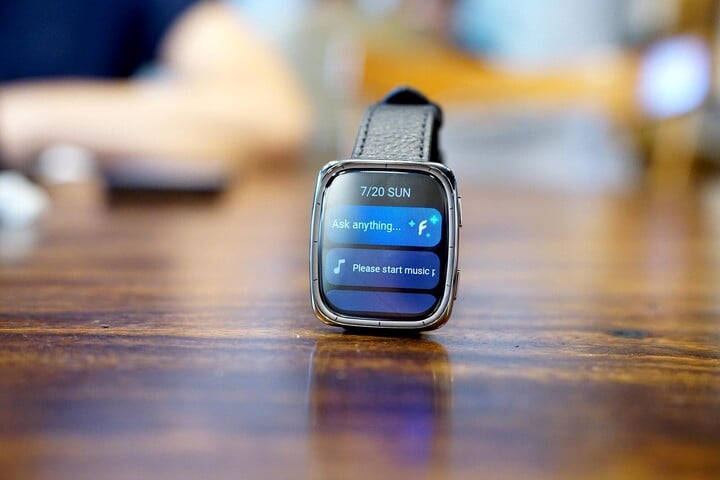
The Amazfit Active 2 (Square) supports Amazon Alexa, allowing users to control smart home devices, check weather updates, and set reminders—all using voice commands.

In this Amazfit Active 2 (Square) review: An advanced fitness tracker in the form of a smartwatch, it’s clear the addition of voice controls adds another layer of convenience, especially during workouts or when multitasking.

While Alexa functionality is limited compared to smart speakers, it handles the basics effectively and makes the watch feel like more than just a fitness tracker.


Durability and Water Resistance

Rated at 5ATM water resistance, the Active 2 (Square) can withstand splashes, rain, and even swimming sessions. It’s built to survive tough conditions, whether you’re caught in a storm or sweating it out at the gym.

This durability ensures that, as noted throughout the Amazfit Active 2 (Square) review: An advanced fitness tracker in the form of a smartwatch, the device isn’t just stylish—it’s practical and rugged too.


Price and Value Proposition

Affordability is where Amazfit shines, and the Active 2 (Square) continues that trend. Compared to competitors offering similar features, this smartwatch delivers exceptional value.

As emphasized in this Amazfit Active 2 (Square) review: An advanced fitness tracker in the form of a smartwatch, you get flagship-level features—SpO2 tracking, GPS, sleep monitoring, AMOLED display—without paying flagship prices.

It’s an especially good choice for first-time smartwatch buyers or those upgrading from basic fitness bands.


Final Verdict

To sum it up, the Amazfit Active 2 (Square) review: An advanced fitness tracker in the form of a smartwatch reveals a product that comfortably bridges the gap between smartwatches and dedicated fitness trackers.

With its elegant design, comprehensive health metrics, smart features, and long battery life, it offers a complete package for most users.

While it may lack the deep app ecosystems of some higher-end wearables, it covers the essentials impressively well.

If you’re seeking a wearable that prioritizes health and fitness while offering the convenience of smart notifications and voice control, the Active 2 (Square) is a strong contender.

Ultimately, the Amazfit Active 2 (Square) review: An advanced fitness tracker in the form of a smartwatch confirms that Amazfit has once again struck a winning balance of style, function, and affordability.

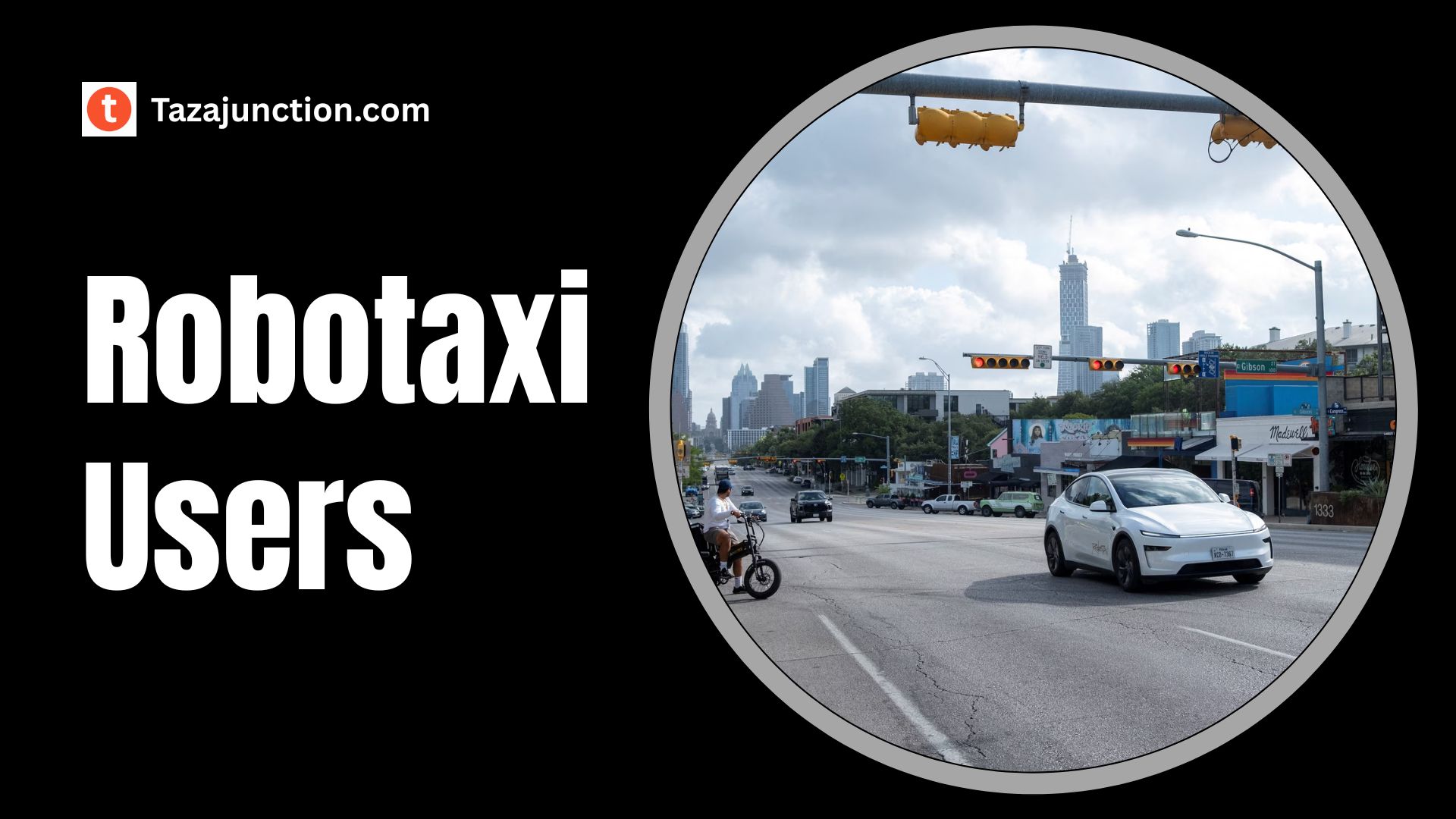
Tesla Updates Robotaxi Users on Chauffeur-Style Service Launch in California

robotaxi users

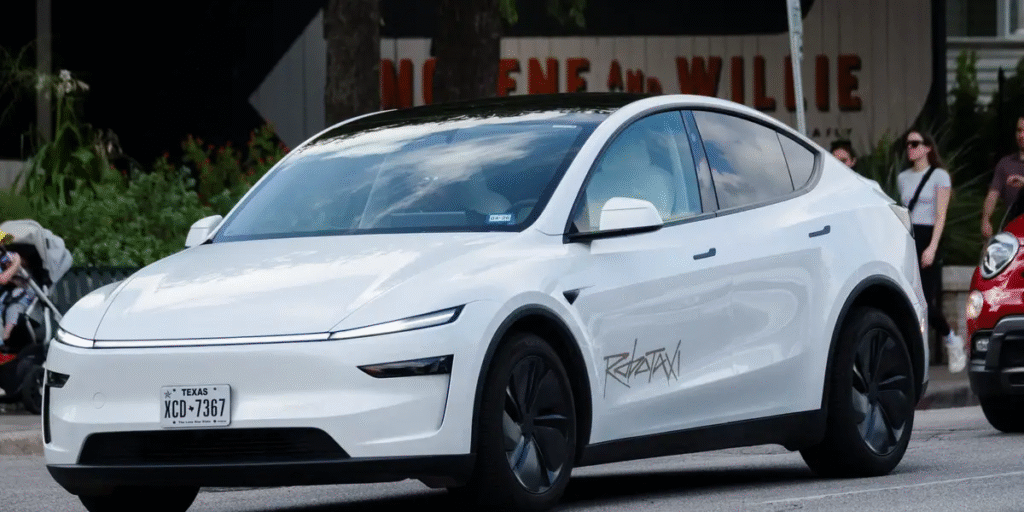
In a bold move toward autonomous future mobility, Tesla updates robotaxi users about chauffeur-style service in California, offering a glimpse into what the next era of personal transportation may look like.

The company, already a leader in electric vehicles and self-driving technology, has been gradually shifting gears toward a commercial robotaxi network.

Now, Tesla is providing early access users with new details about the upcoming chauffeur-style experience it aims to roll out across California.

With the competition in the self-driving race heating up, Tesla’s latest update confirms its commitment to redefine mobility—not just through automation, but by reimagining how transportation feels, functions, and serves everyday users.


A New Kind of Driving Experience

When Tesla updates robotaxi users about chauffeur-style service in California, the emphasis is not only on self-driving capabilities but also on the premium experience.

Tesla envisions its robotaxi not just as a driverless car, but as a personal chauffeur. Unlike typical ride-hailing apps where passengers are picked up in random vehicles driven by strangers, Tesla’s robotaxi aims to deliver a luxury-style, uniform experience.

The cars will be fully autonomous and highly personalized. From climate control to seat position, users can pre-set their preferences through the Tesla app. Once inside, the vehicle adjusts automatically to the passenger’s settings, mimicking the feel of a private chauffeur attending to regular clients.


Communication to Early Users

Tesla updates robotaxi users about chauffeur-style service in California through its early access program, sending messages to Tesla owners and select testers who are part of the Full Self-Driving (FSD) beta network.

In the latest communication, Tesla explained that its robotaxi fleet will prioritize passenger comfort, advanced safety protocols, and a consistent high-end feel.

Users were given previews of interior enhancements, sound insulation upgrades, and AI voice assistant support—all designed to replicate the calm and convenience of a chauffeured ride.


California: The Test Ground

image 146

It’s no coincidence that Tesla updates robotaxi users about chauffeur-style service in California, as the state remains a hub for automotive innovation and regulatory testing. Tesla has already been conducting FSD beta trials across several Californian cities, and this next phase appears focused on rolling out commercial ride experiences.

California’s Department of Motor Vehicles and Public Utilities Commission have specific rules governing autonomous vehicle testing and deployment. Tesla has been working within these frameworks to position itself as a leading provider in this evolving market.

Tesla’s choice of California also allows access to a tech-savvy and sustainability-focused customer base likely to adopt and normalize robotaxi services faster than other regions.


How Chauffeur-Style Rides Will Work?

One of the key takeaways when Tesla updates robotaxi users about chauffeur-style service in California is how the service will function in real-world terms. According to Tesla, users will summon a robotaxi via the Tesla app. Once assigned, the vehicle will arrive with a cabin pre-configured to the user’s tastes.

Unlike human drivers, the Tesla robotaxi will follow consistent driving patterns designed to prioritize passenger safety and comfort. Smooth acceleration, gentle braking, and adaptive route optimization are just a few features being fine-tuned for the service.

Tesla’s AI also learns from frequent riders’ habits—such as preferred pickup locations, usual routes, or music preferences—allowing for a seamless and personal transport experience.


Focus on Accessibility and Inclusivity

Another important detail when Tesla updates robotaxi users about chauffeur-style service in California is the attention to accessibility. Tesla has hinted at developing features that make the robotaxi experience inclusive for users with mobility impairments, visual disabilities, or other accessibility needs.

The vehicles will offer voice-guided entry instructions, adjustable seat heights, and AI-enabled customer support to assist during the ride. Tesla has also been exploring integration with accessibility apps that allow users to control the ride through voice or simplified interfaces.

This focus ensures that Tesla’s vision of the chauffeur-style service isn’t just about luxury—it’s about making mobility easier and better for everyone.


Safety Protocols and AI Ethics

With any move toward autonomous mobility, safety remains a key concern. When Tesla updates robotaxi users about chauffeur-style service in California, the company also addresses its safety strategies.

Tesla is deploying the latest version of its Full Self-Driving software, which uses a neural network trained on billions of miles of driving data. These updates include enhanced object recognition, real-time decision-making improvements, and better handling of unpredictable urban environments.

The chauffeur-style service will also include an emergency override system. If a user feels unsafe or if the car detects anomalies in behavior or road conditions, the system will trigger alerts, pause the ride, and contact Tesla support.

Tesla has stated that its long-term goal is to make robotaxi rides safer than those with human drivers.


How This Affects Tesla Owners?

For Tesla vehicle owners, Tesla updates robotaxi users about chauffeur-style service in California with more than just passenger news. The company is also preparing to allow select Tesla owners to list their cars in the robotaxi fleet.

This means Tesla owners could earn income by allowing their self-driving cars to operate as robotaxis when not in use. Owners will be able to define operating hours, location zones, and user settings. Tesla will handle maintenance, software updates, and fleet coordination.

This opens up a new economic model for vehicle ownership—one where your car works for you while you’re at home, work, or on vacation.


Competition in the Robotaxi Race

As Tesla updates robotaxi users about chauffeur-style service in California, it does so in a rapidly intensifying race. Rivals such as Waymo and Cruise are already operating driverless vehicles in some U.S. cities.

However, Tesla’s edge comes from its integrated vertical ecosystem: vehicle hardware, software, AI training, and app control all stem from a single source.

Tesla is also focused on affordability. While the chauffeur-style service hints at premium features, Tesla aims to undercut traditional ride-hailing services in cost.

A more affordable, personalized, and consistent experience could position Tesla robotaxis as the mainstream option, not just a novelty.


Public Reaction and Skepticism

Despite the excitement, not all reactions are positive. When Tesla updates robotaxi users about chauffeur-style service in California, some critics point to unresolved questions about regulation, insurance, and system reliability. Others question Tesla’s readiness to fully remove human oversight in a complex real-world environment.

Tesla fans, however, remain optimistic. Many in the Tesla community view this as the next evolution of the brand’s commitment to autonomy and disruption.

As with all Tesla announcements, expectations are high, and timelines are closely watched.


Looking Ahead

The news that Tesla updates robotaxi users about chauffeur-style service in California marks a pivotal moment for autonomous transportation. The service promises not just efficiency, but a new kind of relationship with mobility—one defined by comfort, personalization, and zero human driving input.

Tesla plans to roll out a limited launch later this year, with broader expansion depending on regulatory approval and technical readiness. If successful, this could reshape not only how we move but how we think about car ownership, public transport, and urban design.


Conclusion

In conclusion, Tesla updates robotaxi users about chauffeur-style service in California at a time when the mobility landscape is on the cusp of transformation.

With a focus on user experience, AI-driven personalization, and scalable automation, Tesla is pushing forward with a vision that blends luxury, convenience, and innovation.

While challenges remain, the groundwork is clearly being laid. Tesla’s robotaxi fleet could soon offer rides not just without a driver—but with a level of service that feels like a personalized chauffeur.

And in doing so, Tesla aims to lead the charge into the future of transportation.

Google Gemini App Surpasses 450M Users Amid India’s Rapid AI Growth

google gemini app

In a striking display of digital acceleration and AI adoption, Google Gemini app surpasses 450M monthly active users amid AI push in India.

This milestone not only reflects the app’s explosive growth but also highlights India’s central role in Google’s global AI strategy. As the country increasingly becomes a hotbed for technological experimentation and innovation, the rise of Gemini signals a broader shift in how AI is reshaping user experiences across the subcontinent.

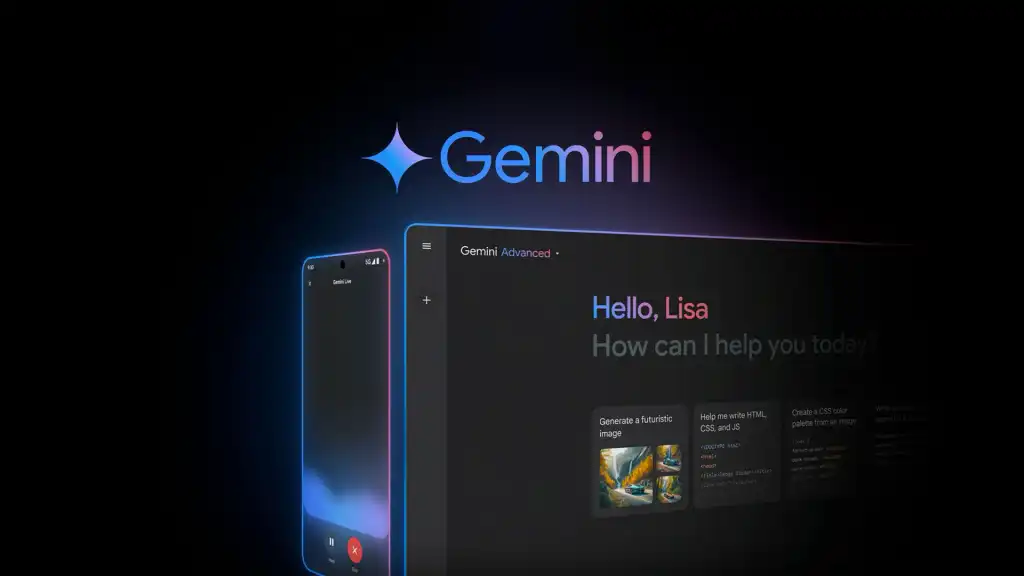
From language translation to content generation and personalized recommendations, the Gemini app has integrated AI into daily life for millions.

Let’s unpack how Google Gemini app surpasses 450M monthly active users amid AI push in India, and why it matters both locally and globally with TazaJunction.com.


The Genesis of Gemini

Before we dive into the present, it’s important to understand how the Gemini project began. Google launched Gemini as part of its generative AI initiative, designed to compete with other large language models in the market.

Initially integrated with Google Search, Gmail, and Docs, the Gemini app eventually became a standalone product, offering users a wide range of intelligent services powered by Google’s latest AI models.

Also you can take a look into 8 Google Sheets Formulas That Make Work So Much Easier. So read our article on it and be the master into the world of Formulas.

What sets Gemini apart is its seamless integration across devices, intuitive interface, and real-time adaptability. As Google Gemini app surpasses 450M monthly active users amid AI push in India, it’s clear that this foundation was built for massive scalability.


India: The Perfect Testbed for AI

India presents a unique environment for AI innovation. With its massive population, linguistic diversity, and rapidly expanding internet access, the country is fertile ground for digital experimentation.

Google Gemini app surpasses 450M monthly active users amid AI push in India precisely because it meets users where they are—across multiple languages, platforms, and use cases.

Rural and urban users alike benefit from AI-driven features such as voice assistance, text summarization, code generation, and document creation.

What’s more, Gemini supports Indian languages including Hindi, Tamil, Bengali, Marathi, and more—bridging the digital divide and making AI accessible to millions.


Key Features Driving Adoption

image 142

One of the major reasons Google Gemini app surpasses 450M monthly active users amid AI push in India is its feature-rich ecosystem.

Let’s look at a few standouts:

  • Multilingual support: Gemini supports 10+ Indian languages, ensuring inclusivity across demographics.
  • Voice input and output: For users unfamiliar with typing or digital literacy, Gemini’s voice capabilities offer an easy on-ramp.
  • Content generation: Bloggers, students, and small business owners use Gemini for drafting emails, writing blogs, or generating ideas in seconds.
  • Translation and summarization: These tools are particularly helpful for students and professionals working in bilingual environments.
  • Educational tools: From solving math problems to summarizing long texts, Gemini is rapidly becoming a go-to tool for students across India.

The app’s continuous learning and adaptability make it feel personal, a key reason why Google Gemini app surpasses 450M monthly active users amid AI push in India so quickly.


AI-First Mobile Strategy

Google’s aggressive AI integration strategy aligns with India’s mobile-first digital ecosystem. With over 1 billion smartphone users, India offers the perfect launchpad for mobile-first AI apps.

The fact that Google Gemini app surpasses 450M monthly active users amid AI push in India is no accident—it’s the result of strategic alignment between product development and market behavior.

Gemini is optimized for low-bandwidth environments, ensuring functionality even on budget devices. Google’s focus on AI performance at the edge (on-device processing) helps the app maintain speed and reliability, two critical factors for users in bandwidth-variable regions.


Government Collaboration and Digital India Vision

As Google Gemini app surpasses 450M monthly active users amid AI push in India, it also intersects with national priorities. The Indian government’s Digital India mission emphasizes technology as a driver of economic growth, education, and inclusion.

Google has partnered with several Indian ministries to deploy AI in sectors like education, agriculture, and healthcare.

Through these collaborations, Gemini is being tested and deployed in classrooms, clinics, and public service centers. Its ability to democratize information access is a core reason why Google Gemini app surpasses 450M monthly active users amid AI push in India today.


Localized AI: A Game Changer

Global AI models often struggle with cultural nuances and local language fluency. But Gemini architecture has been fine-tuned for regional understanding. The app understands Indian idioms, dialects, and cultural context better than most Western-built AI models. This cultural sensitivity is critical in a country as diverse as India.

When users feel understood—both linguistically and contextually—they are more likely to engage with technology regularly. This explains why Google Gemini app surpasses 450M monthly active users amid AI push in India and continues to see strong growth in tier-2 and tier-3 cities.


Competition and Market Impact

India’s AI market is heating up, with global and local players racing to dominate the space. OpenAI-backed services, local startups, and Chinese tech companies are all launching language models and productivity tools tailored for Indian users.

Still, Google Gemini app surpasses 450M monthly active users amid AI push in India because of Google’s existing ecosystem advantage. With Android commanding a vast majority of the mobile OS market share in India, integration with services like Google Search, Maps, and YouTube gives Gemini a natural edge.

Furthermore, trust plays a key role. Users familiar with Google’s suite of tools are more comfortable adopting AI features from the same ecosystem.


Challenges and Concerns

Despite its success, Google Gemini app surpasses 450M monthly active users amid AI push in India amidst growing concerns around AI ethics, data privacy, and misinformation. With AI becoming more embedded in decision-making processes, it’s crucial that models like Gemini operate transparently and fairly.

There are calls from civil society organizations and tech ethics experts urging Google to be more transparent about how Gemini processes data, especially in educational and medical contexts. As usage grows, so too will the scrutiny.


Future Outlook

The momentum is far from slowing down. With Gemini expected to be integrated into even more services—from Android Auto to smart home devices—its role in the daily digital life of Indians is expanding rapidly. The fact that Google Gemini app surpasses 450M monthly active users amid AI push in India could be just the beginning.

Google is also investing in AI literacy campaigns and workshops to help users—especially in rural areas—better understand how to use these tools responsibly. As generative AI continues to mature, the use cases will only multiply.


The Global Implications

India’s rise as a key testing ground for AI applications has global consequences. The fact that Google’s Gemini app surpasses 450M monthly active users amid AI push in India is being watched closely by other emerging markets. If Gemini can scale successfully in India, similar models could be adapted for countries in Africa, Southeast Asia, and Latin America.

India’s AI journey is no longer just a local story—it’s becoming a global blueprint for inclusive, mobile-first, AI-powered transformation.


Conclusion

Google Gemini app surpasses 450M monthly active users amid AI push in India, and it represents far more than a user milestone. It’s a signal of the shifting technological landscape—where AI is no longer confined to labs and elite workplaces but is now integrated into the daily routines of everyday users.

With robust features, strategic localization, and alignment with national goals, Gemini is shaping up to be one of the most influential AI tools in India.

As it continues to evolve, the app’s impact on education, productivity, language accessibility, and digital empowerment will only deepen.

This moment marks the beginning of a new AI era—and India is leading the charge.

Battlefield 6 Trailer Breakdown: Key Details, Gameplay, and What to Expect

battlefield 6 trailer breakdown

After years of anticipation and speculation, the Battlefield 6 trailer breakdown is finally here, and it’s as explosive and ambitious as fans hoped it would be.

The trailer delivers a high-octane look at the next evolution of the Battlefield franchise, bringing modern warfare to new heights with enhanced visuals, larger-scale destruction, and a gritty tone that sets it apart from its predecessors.

Whether you’re a longtime Battlefield fan or new to the series, the Battlefield 6 trailer breakdown offers plenty of exciting details to dig into.

From new weapons and vehicles to massive maps and possible campaign clues, this TazaJunction.com deep dive will cover everything the trailer reveals—and some things it hints at.


A Return to Modern Warfare Roots

The biggest and most immediate takeaway from the Battlefield 6 trailer breakdown is the game’s setting. Gone are the historical battlefields of World War I and II.

Instead, Battlefield 6 embraces a near-future, modern warfare scenario, featuring cutting-edge military technology, urban environments, and large-scale battles that feel both futuristic and grounded in realism.

This marks a return to the franchise’s most beloved era—modern combat, reminiscent of Battlefield 3 and Battlefield 4, but reimagined for the power of next-gen consoles and PCs.

Also you can dive into everything you need to know about All of Us Are Dead Season 2: Netflix’s Korean Zombie Hit Returns—including release expectations, plot theories, returning cast members, and what the new season might explore.


Epic Scale and Chaos

The Battlefield 6 trailer breakdown showcases a renewed focus on scale, which has always been a hallmark of the franchise. From towering skyscrapers to sprawling desert landscapes, the maps teased in the trailer are enormous.

Players can expect battles involving hundreds of soldiers, tanks, aircraft, and even weather elements that drastically change the flow of combat.

One standout moment in the Battlefield 6 trailer breakdown features a full-on skyscraper collapse—similar to Battlefield 4’s Levolution feature—but this time it’s even more dynamic and unpredictable. The level of destruction hints at a refined physics engine capable of creating truly immersive warzones.


Revolutionary Weather Effects

image 141

A highlight of the Battlefield 6 trailer breakdown is the introduction of extreme weather systems. We see a massive tornado sweeping through the battlefield, sucking up vehicles, debris, and even players.

Sandstorms, torrential rain, and thunderstorms also make appearances, potentially altering visibility, mobility, and strategic decision-making mid-match.

These environmental hazards aren’t just cosmetic—they’re gameplay features. The Battlefield 6 trailer breakdown implies that dynamic weather will become an integral part of every match, creating unpredictable scenarios and forcing squads to adapt in real time.


Weapons and Gear

Another key aspect of the Battlefield 6 trailer breakdown is the weaponry and military gear on display. Fans get a glimpse of modern assault rifles, drones, robotic quadrupeds, and advanced HUD systems that look like they’re straight out of a near-future tech lab.

There’s also an emphasis on player customization. Loadouts appear more flexible than ever, with modular weapon parts, tactical gadgets, and gear that can be swapped on the fly.

This suggests that Battlefield 6 will support more tailored playstyles, allowing players to adapt their equipment mid-battle—perhaps even mid-life.


Vehicles Galore

A Battlefield game wouldn’t be complete without vehicles, and the Battlefield 6 trailer breakdown doesn’t disappoint. We see tanks rumbling through city streets, jets performing aerial acrobatics, helicopters launching missiles from above, and even futuristic amphibious transports.

What stands out is the sheer variety and detail. The trailer hints that vehicles may play an even more central role than in past entries.

The control systems appear smoother, and vehicle interiors are more interactive. One exciting shot shows a player deploying from a transport plane directly into a chaotic ground battle, showcasing seamless transitions from air to land.


Squad-Based Gameplay

The Battlefield 6 trailer breakdown puts a heavy emphasis on teamwork. Squad dynamics are back in full force, with coordinated assaults, synchronized revives, and tactical flanks shown throughout the reveal. The trailer makes it clear: this is a game designed to reward cooperation.

Interestingly, one sequence shows players interacting with environmental objects—such as lifting a garage door to flank enemies or disabling an elevator. This suggests a more interactive world, where teams can manipulate the environment for strategic advantages.


A Glimpse at the Campaign?

While the trailer is mostly multiplayer-focused, there are a few cinematic moments that feel like they might be part of the campaign. One such moment includes a tense conversation between soldiers inside a command bunker, hinting at a narrative-driven story mode.

If included, the single-player experience could revolve around the geopolitical consequences of modern warfare, perhaps pitting private military contractors against national armies.

The Battlefield 6 trailer breakdown doesn’t reveal much, but it certainly teases a campaign that could tackle moral dilemmas, high-tech espionage, and global conflict.


Battle Pass and Live Service Teasers

Although not directly shown, the Battlefield 6 trailer breakdown includes some UI elements and progression markers that suggest the game may follow a live-service model. This means players can expect ongoing content updates, battle passes, seasonal events, and evolving game worlds.

Skins, emblems, weapon camos, and character customization options were briefly shown, implying a cosmetic progression system. This would align Battlefield with other modern shooters, allowing players to personalize their look while unlocking new gear over time.


Cross-Platform and Next-Gen Ready

Another big takeaway from the Battlefield 6 trailer breakdown is its graphical fidelity. The game clearly takes full advantage of next-gen hardware. Explosions are more detailed, character animations are smoother, and lighting effects are breathtaking.

Given the visuals and the scale, it’s clear that Battlefield 6 is being designed with PlayStation 5, Xbox Series X|S, and high-end PCs in mind. However, rumors suggest cross-platform play could be a core feature, letting players on different systems squad up or face off against each other.


Fan Reactions and Community Hype

The reception to the Battlefield 6 trailer breakdown has been overwhelmingly positive. Fans have praised the return to modern combat, the ambitious destruction physics, and the focus on large-scale warfare. For many, this feels like the Battlefield they’ve been waiting for.

Social media is already flooded with frame-by-frame analyses, easter egg discoveries, and speculation about new game modes. The trailer managed to reignite interest in a franchise that some felt had lost its way. Now, with Battlefield 6 trailer breakdown front and center, the community is more hyped than ever.


What’s Still Unknown?

While the Battlefield 6 trailer breakdown gave us a lot, there are still plenty of unanswered questions. What are the official game modes? How many maps will be available at launch? Will there be a beta before release? What’s the progression system like?

We also don’t know the exact release date—though it’s widely expected to launch later this year. These details will likely emerge in upcoming gameplay showcases or official developer updates.


Final Thoughts

The Battlefield 6 trailer breakdown makes one thing abundantly clear: this isn’t just another Battlefield sequel—it’s a reimagining of what large-scale, multiplayer warfare can be. With cutting-edge visuals, dynamic weather, deep squad mechanics, and a focus on modern military combat, Battlefield 6 is shaping up to be a true return to form for the series.

Whether you’re excited for the sprawling maps, the jaw-dropping destruction, or the new gear and vehicles, there’s no denying the ambition behind this game.

As we wait for more details, one thing is certain: the Battlefield 6 trailer breakdown has set the stage for what could be one of the most exciting shooters in years.

All of Us Are Dead Season 2: Netflix’s Korean Zombie Hit Returns

all of us are dead season 2

When All of Us Are Dead premiered on Netflix in early 2022, it quickly became one of the most talked-about Korean dramas of the year. With its intense storytelling, emotional depth, and brutal take on the zombie apocalypse genre, it left audiences around the world wanting more.

Now, with All of Us Are Dead Season 2: Netflix’s Korean Zombie Hit Returns, fans are buzzing with anticipation as the show prepares for its highly awaited continuation.

In this TazaJunction.com article, we dive into everything you need to know about All of Us Are Dead Season 2: Netflix’s Korean Zombie Hit Returns—including release expectations, plot theories, returning cast members, and what the new season might explore.


A Quick Recap of Season 1

Before looking ahead, it’s worth revisiting what made All of Us Are Dead such a standout series. Set in a high school in the fictional city of Hyosan, the story follows a group of students who must fight to survive when a mysterious virus turns their classmates and teachers into flesh-eating zombies.

Season 1 didn’t hold back on emotion or gore. It focused not only on survival but also on friendships, sacrifice, class dynamics, and the moral dilemmas that arise in a crisis. By the end of the season, most of the city had been destroyed, many characters were dead, and the virus remained a looming threat.

With that backdrop, All of Us Are Dead Season 2: Netflix’s Korean Zombie Hit Returns promises to build on a powerful foundation, offering new layers of horror, character development, and social commentary.


Has Netflix Confirmed Season 2?

Yes, Netflix officially confirmed that All of Us Are Dead Season 2: Netflix’s Korean Zombie Hit Returns is in production. The renewal announcement came with a short teaser, reigniting excitement and speculation among fans.

Given the show’s global popularity and strong performance on Netflix’s Top 10 list, the renewal wasn’t a surprise. All of Us Are Dead became one of the most-watched non-English language series on the platform, proving once again the international appeal of Korean storytelling.


What Will Season 2 Be About?

image 140

While plot details are under wraps, there are several clues about where All of Us Are Dead Season 2: Netflix’s Korean Zombie Hit Returns might go. The first season ended with a handful of survivors being rescued and placed into quarantine.

However, a surprise twist revealed that some infected individuals—like Nam-ra—had not turned fully into zombies but instead became something new: hybrids.

These hybrid characters maintain their intelligence and emotions but possess enhanced strength, healing, and other zombie-like traits. This opens up fascinating possibilities for Season 2. Could these hybrids be the future of humanity—or a greater threat than zombies themselves?

All of Us Are Dead Season 2: Netflix’s Korean Zombie Hit Returns may shift focus from pure survival to exploring this new phase of the infection. Themes like identity, ethics in science, and government response could be front and center.


Returning Cast and New Characters

Fans can expect several familiar faces to return in All of Us Are Dead Season 2: Netflix’s Korean Zombie Hit Returns. While many beloved characters died in Season 1, the core survivors—On-jo, Su-hyeok, Dae-su, Ha-ri, and Nam-ra—are likely to come back.

Nam-ra, played by Cho Yi-hyun, is especially crucial. As the most prominent hybrid survivor, her role in Season 2 could redefine the show’s direction. Her struggle to balance her humanity with her mutated identity will likely be a key emotional arc.

In addition to returning cast members, new characters are expected to be introduced. These may include scientists studying the virus, military officials, or other survivor groups.

With Hyosan destroyed, the story may expand into new regions, broadening the narrative scope of All of Us Are Dead Season 2: Netflix’s Korean Zombie Hit Returns.


Will There Be More Action or More Drama?

One of the strengths of All of Us Are Dead was its balance between intense zombie action and character-driven drama. Viewers were emotionally invested because the stakes felt real. Every decision mattered, and every death had weight.

According to interviews with the creators, All of Us Are Dead Season 2: Netflix’s Korean Zombie Hit Returns may lean more into the horror and thriller elements.

With the world already aware of the outbreak, the story can explore larger-scale conflicts, including how governments and scientists respond to the new hybrid threat.

That said, fans can still expect emotional storytelling. Korean dramas are known for their ability to blend genres, and this show is no different. The relationships between the characters, their personal growth, and their trauma from the first season will remain important.


How Will Season 2 Expand the World?

Season 1 was largely confined to the school and the immediate city of Hyosan. All of Us Are Dead Season 2: Netflix’s Korean Zombie Hit Returns is expected to go beyond that. With the virus potentially spreading—or mutating—other regions or even countries could become involved.

This expansion allows the show to introduce new perspectives. Imagine seeing how adults in different professions respond to the crisis. How would a group of doctors handle hybrid infections?

What would a rural community do without access to military support? These storylines could help the show evolve from a high school horror into a broader survival drama.


Themes to Watch For

What makes All of Us Are Dead Season 2: Netflix’s Korean Zombie Hit Returns stand out isn’t just its zombie premise—it’s the social commentary. The first season touched on bullying, parental neglect, government incompetence, and media responsibility.

Season 2 could deepen these themes. As the hybrid characters become central to the story, issues like discrimination, fear of the unknown, and scientific ethics will likely take the spotlight. How society reacts to beings that are neither human nor zombie could mirror real-world fears of “the other.”

Expect the series to continue challenging viewers to think about how we define humanity and how far people will go to survive—or to maintain control.


When Will Season 2 Be Released?

As of now, Netflix hasn’t announced an official release date. However, if production stays on schedule, All of Us Are Dead Season 2: Netflix’s Korean Zombie Hit Returns could arrive by late 2025 or early 2026.

Post-production on a show of this scale takes time, especially with the extensive makeup, CGI, and practical effects needed for the zombies and hybrid transformations. Fans may have to be patient—but all signs point to a season that’s worth the wait.


Final Thoughts

All of Us Are Dead Season 2: Netflix’s Korean Zombie Hit Returns has a lot to live up to. Season 1 raised the bar for zombie storytelling with its emotional depth, thrilling action, and memorable characters. Now, the second season has the opportunity to expand the world, explore new themes, and introduce higher stakes.

Whether you’re in it for the gore, the drama, or the sci-fi intrigue, Season 2 promises to deliver. With the potential for new hybrids, evolving virus mutations, and complex moral questions, the show is set to push the genre into bold new territory.

So get ready—because All of Us Are Dead Season 2: Netflix’s Korean Zombie Hit Returns is coming, and it may change everything you thought you knew about zombies, survival, and what it means to be human.

Fantastic Four: First Steps – All Your Biggest Questions Answered

fantastic four: first steps

Marvel fans have waited patiently for the return of one of the most iconic superhero teams in comic book history—the Fantastic Four. After years of speculation, false starts, and forgettable reboots, excitement has reached a new high with the official reveal of Fantastic Four: First Steps.

As the title suggests, this new take on the legendary team promises to take us back to the beginning, offering a fresh origin story for a new generation of Marvel fans.

But what exactly is Fantastic Four: First Steps? How does it fit into the broader Marvel Cinematic Universe (MCU)? And what should fans expect from this long-anticipated reboot?

In this TazaJunction.com article, we’ll explore all the burning questions surrounding Fantastic Four: First Steps and give you a comprehensive look at everything you need to know.


What Is Fantastic Four: First Steps?

Fantastic Four: First Steps is the upcoming reboot of Marvel’s First Family, promising to reintroduce Reed Richards, Sue Storm, Johnny Storm, and Ben Grimm to modern audiences.

The film is expected to take a grounded and emotionally-driven approach, showing how the team came together, gained their powers, and learned to operate as a family and superhero unit.

Unlike previous adaptations, which often jumped straight into action, Fantastic Four: First Steps will reportedly focus on the formative moments that shape each character.

Think of it as a true origin story—with all the emotional stakes, scientific intrigue, and interpersonal drama that made the Fantastic Four legendary in the first place.


Fantastic Four: First Steps – All Your Biggest Questions Answered

image 139

How Is This Version Different?

One of the most exciting elements of Fantastic Four: First Steps is its promise to finally “get it right.” Previous versions of the Fantastic Four have struggled with tone, pacing, and character development.

This time, Marvel Studios is taking the reins directly, giving fans hope that the new movie will align with the quality and storytelling standards seen in the broader MCU.

What makes Fantastic Four: First Steps stand out is its character-first approach. Rather than rushing into flashy battles, the film is said to invest time in building emotional connections between the characters.

We’ll see Reed’s obsession with science, Sue’s internal strength, Johnny’s fiery personality, and Ben’s battle with his new identity as “The Thing.” These elements will all be explored with depth and nuance, making the team’s journey feel authentic and earned.


Who’s in the Cast?

While the full cast for Fantastic Four: First Steps has not been officially confirmed in all territories, there’s been intense speculation and fan casting across the board. Marvel Studios is known for striking a balance between star power and performance credibility, and expectations are high.

The most important thing to understand is that the chemistry between the four leads is crucial. For Fantastic Four: First Steps to succeed, the actors must convincingly portray a team that functions more like a family—flawed, loving, occasionally in conflict, but ultimately inseparable.


When Is the Release Date?

As of now, Fantastic Four: First Steps is scheduled to release in 2026, becoming one of the MCU’s tentpole films for that year. Given the massive expectations and Marvel’s strategic rollout plans, this film is expected to be part of the next big phase in the Marvel universe.

The studio appears to be taking its time to ensure that Fantastic Four: First Steps avoids the pitfalls of previous adaptations.

With careful direction, detailed world-building, and a renewed focus on character development, this could be the Fantastic Four movie fans have been waiting decades for.


How Does It Fit Into the MCU?

One of the biggest questions fans have is how Fantastic Four: First Steps fits into the existing Marvel Cinematic Universe. Are they from another dimension? Have they been hiding in plain sight? Or are they just now coming into existence?

From what has been teased, Fantastic Four: First Steps may involve multiverse elements but is ultimately expected to take place in the main MCU timeline. This opens the door for future crossovers with other beloved characters like Spider-Man, Doctor Strange, and even the Avengers.

Marvel has hinted that the Fantastic Four could play a pivotal role in the next overarching storyline, possibly leading into larger threats like Galactus, Kang, or Doom. Fantastic Four: First Steps is not just an origin story—it’s a foundation for the future.


Will Doctor Doom Appear?

A Fantastic Four story isn’t complete without mentioning Victor Von Doom, one of Marvel’s most iconic villains. While not officially confirmed, many believe that Fantastic Four: First Steps will plant the seeds for Doom’s eventual rise.

However, insiders suggest that Doom may not be the primary villain in this first film. Instead, the focus could be on a more scientific or cosmic threat, allowing room for Doom’s character to develop in future installments. This slow-burn approach could give Doom the gravitas he truly deserves, setting him up as a long-term threat within the MCU.


Will There Be Cosmic Elements?

Absolutely. Part of what makes Fantastic Four: First Steps so exciting is the potential to explore the cosmic side of the Marvel Universe. The team’s origin has always been rooted in space exploration and scientific discovery. Expect elements like alternate dimensions, strange energy fields, and cosmic radiation to play a central role in the story.

This opens the door to characters like the Silver Surfer and Galactus in future films, though it’s unlikely they’ll appear prominently in Fantastic Four: First Steps. Still, the seeds will be planted, setting the stage for epic storylines that could rival even Thanos in scale.


What Can We Expect in Terms of Tone?

Marvel has indicated that Fantastic Four: First Steps will balance heart, humor, and adventure—much like the best MCU films. However, the tone may skew slightly more emotional and character-driven than fans expect. Think less slapstick, more sincerity.

This tonal shift is intentional. The goal is to show the human side of the team before they become larger-than-life superheroes. By focusing on their “first steps,” the film can explore themes like loss, transformation, and resilience—making the Fantastic Four feel more relatable than ever.


Is It Comic-Accurate?

Early reports suggest that Fantastic Four: First Steps will stick closer to the source material than previous iterations. From the Baxter Building to the Negative Zone, Marvel appears committed to honoring the original comics while modernizing the story for today’s audience.

Fans of the classic Jack Kirby and Stan Lee stories will likely appreciate the attention to detail and Easter eggs scattered throughout the film. Still, expect some changes to adapt the team for a new generation without losing the core of what makes them special.


Final Thoughts

If you’ve been disappointed by past Fantastic Four films, you’re not alone. But Fantastic Four: First Steps has all the signs of being a true course correction. With Marvel Studios at the helm, a renewed focus on character, and the full resources of the MCU behind it, this reboot has the potential to redefine what superhero origin stories can be.

In short, Fantastic Four: First Steps is more than just another comic book movie—it’s a reintroduction to four of the most important characters in Marvel history. Whether you’re a lifelong fan or a newcomer, this film promises to bring something fresh, exciting, and emotionally resonant to the superhero genre.

So yes—be excited. Ask questions. Get curious. Because Fantastic Four: First Steps could be the start of something incredible.