
Call of Duty: Black Ops 7 Will Include a Game-Changing Loadout Feature

call of duty: black ops 7

The excitement around Call of Duty: Black Ops 7 is reaching a fever pitch, and for good reason. This latest installment in the blockbuster franchise is promising innovations that could significantly change how fans experience the game.

Among these updates, one feature stands out—a game-changing loadout system that promises to revolutionize multiplayer and possibly campaign gameplay as well.

In this TazaJunction.com article, we’ll explore what this new feature might entail, how it differs from past titles, and why it could redefine the way players engage with Call of Duty: Black Ops 7.

If you’re a longtime fan or a newcomer to the franchise, this feature alone might be enough to get you hyped for the game’s release.


A Legacy of Evolution

The Call of Duty: Black Ops series has long been a staple of the first-person shooter (FPS) genre. From its Cold War themes to futuristic warfare, every title has pushed boundaries in terms of gameplay mechanics, storytelling, and customization.

In the past, players have seen significant changes to the loadout system — from the classic “Pick 10” system in Black Ops II to the Gunsmith mechanics introduced in Modern Warfare. Now, with Black Ops 7, the franchise is ready to leap forward once more.


What Is the New Loadout Feature?

image 78

While full details haven’t been officially confirmed by Activision as of this writing, trusted insiders and early Black Ops 7 leaks suggest that Call of Duty: Black Ops 7 will include a dynamic loadout system — a feature that allows players to adjust or modify their weapons and equipment mid-match, based on changing combat scenarios.

This could mean:

  • Switching attachments on the fly
  • Changing perks without restarting a match
  • Altering tactical and lethal gear based on enemy strategy

Imagine being pinned down by snipers and being able to swap your SMG for a DMR without respawning. That’s the level of strategic flexibility this new feature could bring to Call of Duty: Black Ops 7.


Why It’s a Big Deal

For years, one of the central challenges in Call of Duty multiplayer was committing to a single loadout before a match began. Players would often find themselves stuck with an ineffective build once the battlefield conditions changed. With the new system in Call of Duty: Black Ops 7, that limitation may become a thing of the past.

This change enhances player agency, allowing more tactical depth. It also reduces frustration, particularly for players who may not know which maps or modes they’ll be playing in random lobbies.

Competitive players and casual fans alike are already praising the innovation, seeing it as a way to keep gameplay fresh and adaptable.


How Does It Compare to Previous Games?

To understand just how revolutionary this is, let’s compare it to older entries:

  • In Black Ops Cold War, players had to exit a match to change loadouts.
  • In Modern Warfare (2019), the Gunsmith allowed deep weapon customization, but only before the match.
  • In Warzone, players could retrieve a new loadout via crates — but only if they survived long enough to reach one.

With Call of Duty: Black Ops 7, on-the-fly customization means the game can adapt to you, not the other way around. It’s the next step in making every second of gameplay strategic and satisfying.


Impact on Multiplayer Meta

image 79

Multiplayer is the heart of every Call of Duty title. The inclusion of this dynamic loadout feature could shake up the current meta entirely. No longer will players be able to rely solely on “one-size-fits-all” builds. Instead, adaptability becomes the name of the game.

In Call of Duty: Black Ops 7, teams with better communication and quicker strategic shifts could dominate matches, making loadout decisions as critical as shooting accuracy.

The days of predictable class choices are numbered, and the battlefield is about to get more unpredictable—and more thrilling.


Campaigns and Zombies: Could They Be Affected?

Although the loadout feature is primarily focused on multiplayer, speculation is high that it could also extend into Call of Duty: Black Ops 7‘s campaign and Zombies modes.

For the campaign, this means players may be able to change loadouts between missions or even during specific checkpoints. This would allow a more tailored experience and let players approach scenarios in vastly different ways.

For Zombies, a flexible loadout system could be revolutionary. Imagine adapting your gear to suit different zombie types or difficulty spikes mid-round. Such a system would bring a whole new level of depth to cooperative play.


Competitive Scene Reactions

Esports professionals and streamers have already begun dissecting the possibilities of the new system. Many are calling it a “meta-defining shift” that will demand faster reflexes — not just in gameplay, but in decision-making.

Tournament organizers will likely need to introduce new rules or strategies to accommodate this mechanic in competitive formats. In short, Call of Duty: Black Ops 7 is not just changing the game — it’s changing the way the game is played at the highest levels.


Community Expectations

The Call of Duty community is notoriously vocal, and early impressions of Call of Duty: Black Ops 7‘s new loadout feature have been overwhelmingly positive.

On forums and social media, fans are sharing their dream loadouts and speculating about how this system will evolve over time.

Many are hopeful that the new mechanic will also include a custom preset manager, allowing players to save dynamic setups for different map types or game modes.

Others are asking for more transparency on how changes will be balanced, especially if mid-match swaps become standard.


Challenges and Potential Drawbacks

While the new loadout system in Call of Duty: Black Ops 7 is exciting, it’s not without its concerns. Balancing will be key. If players can change weapons and perks too freely, it might undermine the importance of strategic preparation.

Additionally, developers will need to ensure that the feature doesn’t slow down gameplay or clutter the user interface. A smooth, intuitive system is critical for its success. However, given Treyarch’s history of innovation and polish, fans remain optimistic.


The Bigger Picture for the Franchise

Call of Duty: Black Ops 7 isn’t just another sequel — it’s shaping up to be a turning point for the franchise. With its new dynamic loadout system, it may set a precedent for all future Call of Duty titles.

This innovation aligns with a broader trend in gaming toward modular, player-driven customization. As gamers demand more control and deeper immersion, Call of Duty: Black Ops 7 looks ready to deliver on both fronts.


Final Thoughts

The upcoming release of Call of Duty: Black Ops 7 is more than just another addition to the series. With the introduction of its game-changing loadout feature, it stands to fundamentally alter how players interact with every aspect of the game—from casual matches to esports tournaments.

Whether you’re an old-school Call of Duty veteran or someone who’s just now jumping into the action, Call of Duty: Black Ops 7 is shaping up to be one of the most exciting entries in the franchise’s long and storied history.

Keep your eyes on this one—it’s not just another shooter; it’s a redefinition of strategy and customization in modern FPS gaming.

Google’s Latest Smartphone AI Is Leaving Apple in the Dust

latest smartphone ai

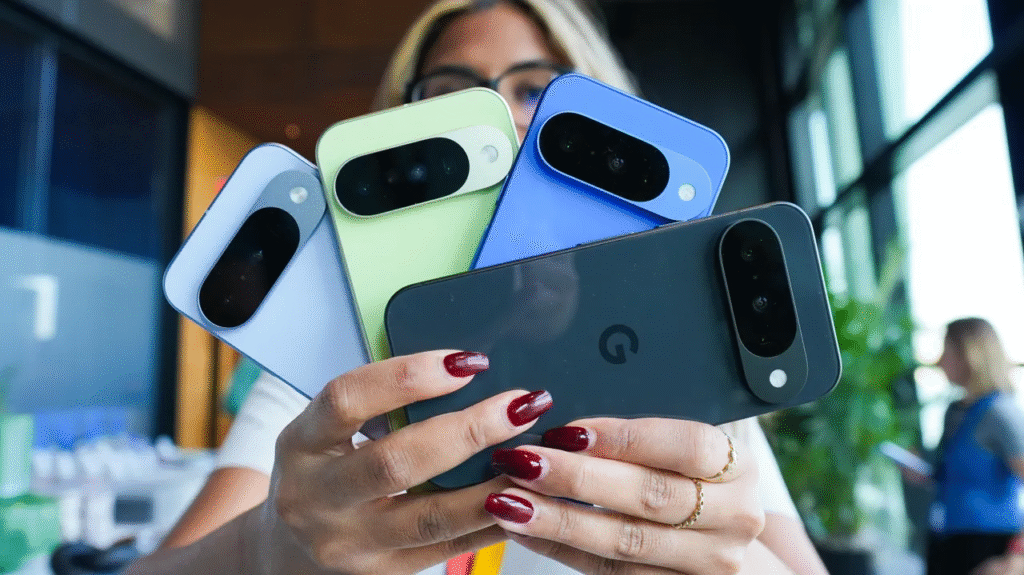
Google has once again propelled smartphone AI into the future with an impressive set of features that put its rival Apple on notice. The company’s latest smartphone AI advancements introduce real-time voice translation, predictive app launches, and AI photo editing—capabilities that redefine what users expect from mobile devices.

Apple’s ecosystem remains strong, but it’s clear that Google is accelerating ahead in terms of on-device intelligence and proactive assistance.

In this TazaJunction.com article, we’ll dive into the key features of Google’s latest smartphone AI, compare how they stack up against Apple’s offerings, and explore what this means for the mobile tech landscape moving forward.


What Makes Google’s Latest Smartphone AI Stand Out?

1. Real-Time Multilingual Conversation

One of the most striking features of Google’s latest smartphone AI is seamless, real-time conversation translation. Users can speak in one language, and the phone instantly displays and speaks the translation. Unlike earlier apps, this works smoothly between various languages and dialects, with impressive accuracy and latency.

2. Predictive App Shortcuts

Using context, location, and usage patterns, Google’s latest smartphone AI anticipates the app you’re most likely to use next—whether it’s messaging your ride-share driver or opening the calendar as your flight time approaches. It displays dynamic app shortcuts right on your home screen, streamlining your workflow.

3. Runtime Smart Camera Enhancements

Thanks to its latest smartphone AI, the camera can now label objects, translate text on the fly, and even identify landmarks during preview—before you tap the shutter. These real-time overlays offer contextually rich experiences while capturing your shot.

Also, if you’re looking for innovation, performance, and versatility in one sleek package, the Samsung Galaxy Z Fold 7 is the foldable to beat in 2025.


AI-Driven Power Efficiency

By distributing processing intelligently between on-device AI hardware and Google’s cloud infrastructure, the latest smartphone AI delivers high-performance features without killing battery life.

This strategic balance outperforms Apple’s current AI approach, which remains largely cloud-centric and more energy-intensive.


Privacy First: On-Device Intelligence

image 77

Unlike many AI systems that depend heavily on cloud processing, Google’s latest smartphone AI can perform tasks like transcription or contextual actions entirely on the device.

This offers enhanced privacy and keeps sensitive interaction data secure—an area where Apple has traditionally emphasized its advantage, but one where Google is now making bold strides.


Putting It Side-by-Side: Google vs. Apple

FeatureGoogle’s Latest Smartphone AIApple (iOS AI Capabilities)
Real-Time TranslationLive multilingual voice and textTranslation apps require app launch
Predictive App AIContextual, home-screen suggestionsNo automated in-app suggestions
Camera AI EnhancementsReal-time recognition in camera UILimited to post-shot analysis
On-Device ProcessingYes, minimal cloud dependencyHeavily relies on cloud services

The latest smartphone AI from Google significantly outpaces iOS in terms of autonomy, context-awareness, and proactive assistance.


Developer Impacts & Ecosystem Growth

With these AI capabilities, Google is opening doors for creative developers:

  • New APIs let developers leverage real-time translation or app prediction in their own apps.
  • Smart camera features are exposed through an AR overlay toolkit, encouraging innovation.
  • AI-based shortcuts and assistant integrations empower third-party apps to offer advanced automation.

All these momentum points reinforce how Google’s latest smartphone AI is expanding not just Google’s capabilities but also the broader Android ecosystem.


Impact on Consumer Experience

For users, this translates into a smarter, more intuitive phone:

  • No longer manual translation—conversations happen naturally.
  • Quick app access when you need it most.
  • Camera functionality becomes an interactive learning tool rather than a passive shooter.

These features make Google’s latest smartphone AI not just a novelty but an integral part of everyday mobile use.


Potential Limitations and Considerations

While advanced, there are some caveats to keep in mind:

  1. Device Fragmentation: Not all Android phones will support the most advanced AI features—some require specific chips or newer models.
  2. Data Usage: While optimized for on-device tasks, certain features still rely on internet connections.
  3. Learning Curve: Users might need time to adapt to new interactions like predictive shortcuts or real-time overlays.
  4. Privacy Trade-Offs: Though much runs on-device, some features still rely partially on cloud services.

Even so, these constraints are manageable and expected during early rollout phases of such cutting-edge capabilities.


What’s Next for Mobile AI?

We’re likely to see:

  • Expansion of AI airport tools to mental health and personal finance features.
  • Improvements to real-time accuracy in translation and object detection.
  • Better battery impact as AI compute is refined and specialized chips proliferate.
  • AI becoming a core differentiator in Android vs. iOS competition.

The arrival of this latest smartphone AI opens the door to less hands-on and more organic interaction with mobile devices.


Final Thoughts

Google’s latest smartphone AI marks a major leap forward in mobile intelligence—offering smoother user experiences, unprecedented context awareness, and a vision of smartphones that work in sync with user intent.

Whether you value natural language tools, predictive assistance, or minimal cloud dependence, it’s clear that Google is reframing the expectations of what a phone “should do.”

As this AI rolls out across devices next year, it may very well become a turning point in mobile technology—and leave Apple’s current offerings in the dust.

Stay tuned, because smartphone interaction has entered a truly intelligent era.

Kiddle for Kids: The Ultimate Kid-Friendly Search Engine Parents Can Trust

kiddle for kids

In today’s digital age, ensuring safe and appropriate online experiences for children is paramount. Enter Kiddle for Kids—a search engine crafted with children’s safety and curiosity in mind.

Whether your child is researching a fun school project or exploring Brady the Dinosaur, it offers a colorful, easy-to-navigate environment that filters out inappropriate content.

With large thumbnails, child-friendly language, and a dedicated “Kids Safe” filter, it’s designed to make web browsing both fun and monitored.

In this TazaJunction.com article, we’ll break down what makes Kiddle for Kids stand out, its key features, potential limitations, and why it’s rapidly becoming a top choice for parents and educators alike.


What Is Kiddle for Kids?

Kiddle for Kids is a specialized search engine created with younger users in mind, built on trust, supervision, and ease of use. Designed for kids under 12, it prioritizes safe, accurate, and easy-to-understand information while shielding them from inappropriate content.

This makes it not just another search engine but a foundational tool for introducing safe web exploration in a child’s early digital journey.


Key Features of Kiddle for Kids

Below are the standout capabilities that make Kiddle for Kids an essential tool:

1. Kids-Safe Search Filter

Every search on it runs through a strict filter, prominently hiding explicit images, adult content, or mature topics. This ensures children navigate internet searches with confidence, free from unintended exposure.

2. Large Thumbnails and Legible Fonts

The interface features vibrant thumbnails and large, readable fonts, making navigation intuitive even for early readers. These design choices reflect thoughtful usability, demonstrating the value of it in child-focused web design.

3. Kid-Friendly Language

Search results are displayed using simple, easy-to-understand language—no jargon, no technical terms. This user-centric design reflects how Kiddle for Kids developers prioritize comprehension and learning.

4. Three-Tiered Result Ranking

Results are categorized to support safe browsing:

  • First ten results: verified by editors, safe for all ages
  • Next twenty: automatically filtered and kid-appropriate
  • Remaining results: still safe but less tailored to kids

This layered approach means Kiddle for Kids blends human curation with algorithmic scaling.

5. Visual Design for Engagement

With its bright colors and whimsical illustrations, the overall design feels more like a game than a browser—encouraging children to explore safely, without overwhelming them.


Why Kiddle for Kids Matters Today?

image 76

1. Enhancing Online Safety

With rampant digital risk, it offers a child-first solution for safe content discovery—something traditional search engines often fail to offer in plain terms.

2. Supporting Early Literacy & Learning

As a parent or educator, introducing Kiddle for Kids early can nurture curiosity and teach students how to search effectively—all within a secure, child-friendly format.

3. Empowering Parental Confidence

Knowing children can explore subject topics freely while shielded from risky web content encourages more open dialogue and less restrictive “digital cordoning.”


Thoughtful Ways to Use Kiddle for Kids

  • Homework Assistance: Younger students can research historical figures or planets without worrying about mature content popping up.
  • General Knowledge Exploration: Kids curious about dinosaurs, sports, or weather can get accurate, age-appropriate responses.
  • Creative Learning: Teachers can craft scavenger hunts in class using it to reinforce literacy and research skills.

When integrated thoughtfully, it becomes a fun, educational companion rather than simply a search tool.


Limitations to Acknowledge

While it excels in many ways, it’s not without caveats:

  • Limited Breadth of Information: The safe filter means not all complex or niche details may appear, potentially limiting higher-level research.
  • Manual Curation Bias: Editor-verified results depend on past contributions, potentially skewing content relevance.
  • Not a Substitute for Oversight: While safer, parental involvement remains essential should supplement, not replace, engagement.

How to Maximize Kiddle for Kids in Learning?

  1. Use it as a starting point for research, then encourage exploration of broader sources.
  2. Combine Kiddle use with parent or teacher discussion of findings.
  3. Teach kids about digital footprints and privacy, using Kiddle’s safe environment as a training ground.
  4. Update kids when they’re older about how to move from Kiddle to the mainstream internet safely.

Educators and parents alike should view Kiddle for Kids as a bridge between protected browsing and digital fluency.


Final Thoughts

Kiddle for Kids stands out as an exemplary tool for empowering children to navigate the web safely, creatively, and confidently. By blending safety filters, kid-friendly design, and educational focus, it offers young learners a secure entrance into the richness of the internet.

As digital natives grow smarter, tools like Kiddle for Kids will play a key role in shaping safe, exploratory, and autonomous web usage habits from an early age.

Apple Accidentally Revealed 2025 Device Upgrades: iPad, Apple Watch, HomePod Mini & More

apple accidentally revealed 2025 device upgrades

Apple appears to have unintentionally hinted at a wave of Apple accidentally revealed 2025 device upgrades, sparking excitement and speculation across the tech community.

Analysts argue that leaks in recent beta software and marketing previews point to refreshed iPad models, a new Apple Watch lineup, an updated HomePod mini, and much more. If verified, these premature reveals offer a rare glimpse into Apple’s next wave of innovation.

For tech enthusiasts and Apple fans, understanding these unintentional unveilings can help prepare for what’s next—from design refreshes to hardware upgrades that may shape user experience in the coming year.

Let’s explore the rumored upgrades and what they could mean for the product ecosystem with TazaJunction.com.


Unpacking Apple’s Accidental Programming Glitches

image 74

In typical Apple fashion, product details are tightly guarded—making any slip all the more unusual. Internally facing software and pre-release materials seem to have included references to unreleased hardware.

This supports the case where Apple accidentally revealed 2025 device upgrades through coding names, dummy images, or software references.

These accidental exposures, though quickly removed, offer clues that may outpace traditional leaks—making them extraordinarily valuable for anticipation and planning.

With the expected launch of the iPhone 17 Pro in September 2025, Apple appears to be preparing one of its most significant updates to the Pro lineup in years with iPhone 17 Air. Here’s everything about it.


What iPad Upgrades Could Be Coming?

Several references allude to upgraded iPad models in 2025:

  • Updated iPad Air with edge-to-edge display and slimmer bezels
  • A redesign for the standard iPad, with a larger screen and upgraded camera
  • M2 chip integration across multiple models

If accurate, these updates suggest Apple is doubling down on balancing affordability with performance—making the Apple accidentally revealed 2025 device upgrades especially attractive for everyday users and professionals alike.


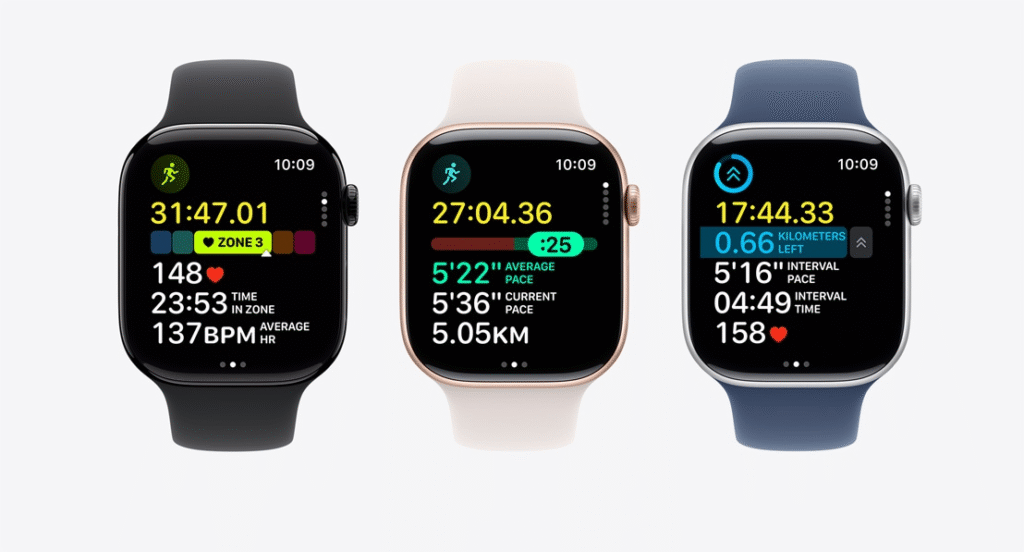
A New Apple Watch on the Horizon

image 75

Hints from internal artwork and model identifiers seem to point to:

  • A redesigned Apple Watch Series 10 with flatter edges
  • Larger screen real estate in the same footprint
  • Additional health-tracking sensors—potentially body temperature or blood pressure monitoring

These changes suggest the Apple Watch keeps evolving as a health-forward wearable. That the Apple accidentally revealed 2025 device upgrades include an Apple Watch adds weight to the notion that Apple is ramping up both design and health functionality.


HomePod Mini: A Silent but Significant Refresh

The whispers of a refreshed HomePod mini appear in system logs and internal firmware references. Improvements may include:

  • Smarter adaptive EQ
  • Enhanced Siri understanding
  • Better integration with smart home devices
  • New color finishes

Although typically overshadowed by Apple’s more glamorous devices, inclusion in the Apple accidentally revealed 2025 device upgrades signals Apple is treating the smart speaker line with newfound importance.


Other Device Upgrades in the Pipeline

Beyond these headline updates, additional leaks hint at:

  • A new-generation iMac with slimmer bezels and upgraded gpu options
  • Refreshed Mac mini featuring M3 Pro chips
  • VR/AR headset firmware indicating an imminent headset launch

These projected releases suggest the Apple accidentally revealed 2025 device upgrades span multiple categories—mobile, desktop, wearables, and home systems—highlighting a comprehensive refresh strategy.


Why These Previews Matter

These early revelations have practical and psychological impact:

  • They shape buying decisions—especially for those weighing upgrades carefully
  • They build early buzz and feedback loops for Apple, even if accidental
  • They reinforce Apple’s design direction—if true—that exudes sleek, bezel-less aesthetics across product lines

When Apple accidentally revealed 2025 device upgrades, it wasn’t just a leak—it became a roadmap for where Apple may be heading in design and user experience.


Risks and Rewards in Leaking Too Soon

Apple’s guarded approach typically avoids such accidental disclosures—but that comes with trade-offs:

Risks

  • Diluted impact of official product launches
  • Leakage of product edge before marketing creates hype
  • Stock traders reacting prematurely

Rewards

  • Encourages early community discussion and anticipation
  • Provides Apple with feedback in beta phases
  • Boosts search and organic interest ahead of announcements

Managing these challenges means balancing secrecy with the reality that some information may escape—even if Apple accidentally revealed 2025 device upgrades that weren’t intended.


What This Means for Buyers?

If these upgrades are accurate, here’s what consumers should note:

  • Timing: Expect announcements at Apple’s spring or fall events in 2025
  • Feature Value: Budget conservatively if you’re eyeing hardware improvements like M2 chips
  • Resale Strategy: Hold off selling or buying merch, knowing new models may soon replace current ones
  • Workshop Ready: Council on ergonomics—the slimmer iPad bezels, larger screens, and watch refresh suggest subtle but real UX shifts ahead

Industry Implications

Apple’s updated stance sets standards—and competitors watch closely:

  • Intel and Arm OEMs may recalibrate their next gen laptops to match M-series norms
  • Watch and wearable brands may focus more on health sensors and fitness breakthroughs
  • Smart home ecosystems should prepare for deeper Apple integration and more intelligent speaker experiences

When Apple accidentally revealed 2025 device upgrades, it didn’t just impact core fans—it sent reverberations across entire tech markets.


Final Thoughts

Our preview of possible upgrades—iPad, Apple Watch, HomePod Mini, and beyond—centers on a refined yet expansive Apple update strategy. As unplanned as these accidental hints were, they provide fans and analysts a rare early look at Apple’s 2025 trajectory.

Close observers can now tailor buying decisions, prepare for design changes, and discuss features before keynote reveals.

For Apple, controlling future leaks—or embracing them—becomes part of the modern product cycle.

10 Powerful WhatsApp Features You Should Know

powerful whatsapp features

WhatsApp has grown from a simple messaging app into a full-featured communication platform used by billions globally. While most people are familiar with sending messages, photos, and videos, many don’t realize the depth of tools and functionalities available.

These powerful WhatsApp features are designed not only to make messaging easier but also to help users boost productivity, ensure privacy, and stay better organized.

In this TazaJunction.com article, we explore 10 powerful WhatsApp features that you might not be using—but definitely should.

Whether you use WhatsApp for personal chats, business coordination, or family groups, these tools will enhance your experience and help you use the app more efficiently and effectively.


Powerful WhatsApp Features You Need to Try

image 73

1. Schedule WhatsApp Calls

One of the newest and most powerful WhatsApp features is the ability to schedule calls. This feature allows users to plan audio or video calls in advance with individuals or groups.

When scheduling, you can select a time and date, and WhatsApp will automatically notify all participants shortly before the call starts. This is incredibly useful for coordinating meetings, especially for group chats, and brings WhatsApp one step closer to being a reliable tool for business communications.

2. Set Reminders Within Chats

Another recent addition to the powerful WhatsApp features list is the in-app reminder function. You can now long-press a message and choose to be reminded about it later.

The app will notify you at your selected time with a preview of the original message. This feature is perfect for remembering to reply to important messages or take action on information shared in a busy chat.

3. Edit Sent Messages

Ever sent a message and instantly regretted a typo or wrong detail? With the message editing feature, WhatsApp now lets you fix that. Simply long-press a sent message and tap “Edit” to modify the content.

The message will be updated with an “Edited” label visible to everyone, maintaining transparency. It’s one of the most practical and powerful WhatsApp features introduced to improve accuracy and clarity in conversations.

4. Star Messages for Easy Access

Starring messages helps you bookmark important texts like addresses, meeting times, or key information. You can then revisit all your starred messages in one place via the menu.

This is a valuable feature when you’re looking for specific information buried deep in ongoing conversations and stands out among powerful WhatsApp features for everyday use.

5. Convert Voice Notes to Text (iOS)

For iOS users, WhatsApp offers voice note transcription. When enabled, this feature converts long voice messages into readable text, allowing you to understand messages without listening—especially handy in public places or during meetings. It’s an intelligent tool that adds another layer of flexibility to the powerful WhatsApp feature set.

6. Enhanced Search Filters

Finding past messages in WhatsApp has become much easier with enhanced search filters. You can now narrow searches by document type (images, links, videos), sender name, and chat.

Whether you’re searching for a link from last week or a photo from last month, this is one of the most powerful WhatsApp features that saves both time and frustration.

7. Quick Navigation on Android

Android users benefit from an underrated but extremely helpful navigation shortcut. By long-pressing the back button, you can switch between recent chats without returning to the main screen.

This feature is perfect for multitaskers who juggle several conversations at once and prefer speed and efficiency—making it one of the more subtle yet powerful WhatsApp features available.

8. Custom Notifications

Tired of missing messages from specific people or groups? With custom notification settings, you can set different tones, vibration patterns, and popup alerts for individual chats.

It’s an excellent way to prioritize messages from close friends, family, or work contacts. This personalization is part of what makes these powerful WhatsApp features adaptable to your unique communication style.

9. Home Screen Chat Shortcuts (Android)

On Android, you can place direct shortcuts to specific chats right on your home screen. Just long-press the chat and select “Add Chat Shortcut.”

This saves time, especially for users who frequently contact the same individuals or groups. It’s a small touch but ranks high on the list of powerful WhatsApp features for convenience and speed.

10. Control Media Visibility

By default, WhatsApp saves received media to your gallery or camera roll. However, with media visibility settings, you can hide certain chat media from appearing in your phone’s gallery.

This feature is essential for users who want to keep their personal or group content private. It’s one of the powerful WhatsApp features that respects user control and privacy.


Why These Features Matter?

Each of these powerful WhatsApp features adds value to your communication routine. Whether you’re scheduling work calls, organizing daily chats, or simply looking to improve your WhatsApp efficiency, these tools make a difference.

They reflect how WhatsApp is evolving—not just as a social app—but as a platform that supports productivity, privacy, and personalization.

Users who explore these features often discover new workflows that help them stay connected more intelligently. From message control and reminders to smart navigation and customized alerts, each tool can be a game-changer in the right context.


Final Thoughts

WhatsApp isn’t just a chat app anymore—it’s a robust, intelligent, and user-centric platform full of productivity tools and communication enhancements. By mastering these 10 powerful WhatsApp features, you can significantly improve how you interact, respond, and stay on top of your digital conversations.

Whether you’re an individual looking to tidy up your chats or a professional aiming to streamline meetings and task reminders, these tools are your key to getting the most out of WhatsApp.

Start using them today, and experience the app in a whole new way.

Pokémon Legends: Z‑A 4‑Player Battle Mode Introduced

Pokémon Legends: Z‑A 4‑player battle

The Pokémon universe continues to surprise and delight with the latest update to Pokémon Legends: Z‑A, introducing an all-new Pokémon Legends: Z‑A 4‑player battle mode.

This fresh addition brings cooperative strategy and excitement to the highly acclaimed action-centric RPG. Imagine teaming up with three friends across the region, coordinating attacks, strategizing combos, and taking on legendary Pokémon with real-time synergy.

Whether you’re battling towering foes or coordinating for optimal combo chains, this 4‑player format adds unprecedented depth and replayability.

In the evolving landscape of Pokémon gameplay, the Pokémon Legends: Z‑A 4‑player battle mode stands out as a bold next step.


What Is the 4-Player Battle Mode?

Pokémon Legends: Z‑A 4‑player battle mode allows a group of four players to engage in real-time cooperative combat.

Available via local wireless or online multiplayer, parties can synchronize their Pokémon’s moves, dodge enemy attacks, and adjust strategies dynamically.

Key features include:

  • Real-time coordination for powerful move combinations
  • Reviving downed teammates mid-battle
  • Shared health and synergy boosts with team play
  • Both free-for-all and cooperative boss battle formats

This mode blends action RPG with social multiplayer and invites entirely new ways to experience the Legend’s world.

Also, you can run through how this Pokemon Scarlet and Violet distribution event works and why it matters to both veterans and fresh players.


How It Works: Mechanics and Gameplay Flow

  1. Lobby Creation – Players assemble a team either locally or online before selecting their Pokémon.
  2. Dynamic Party Composition – Each player chooses a starter with complementary types and abilities.
  3. Collaborative Battle Dynamics – Moves like “Dual Z‑Strike” or “Sync Shield” activate when coordinated well.
  4. Strategic Element – Players share revives and stamina items during intense encounters.
  5. Shared Rewards – Loot scaling encourages team success, rewarding all participants equally.

These mechanics underscore why Pokémon Legends: Z‑A 4‑player battle isn’t just a gimmick—it’s a meaningful evolution.


Why It Matters: Enhancing Multiplayer Engagement

image 72

The Pokémon Legends: Z‑A 4‑player battle mode brings numerous advantages:

  • Elevated Co‑op Experience: Players must react to real-time events and help each other in ways beyond trading or battling.
  • Fresh Replay Value: High-level legendary raids become social events, pushing gamers to discover team strategies.
  • Inclusive Gameplay: Families and friends can enjoy ARPG Pokémon together, not just duel each other.

This fresh take on multiplayer elevates Legends from solo-styled adventure to shared experience.


Strategic Depth: Building the Best Team

Success in the Pokémon Legends: Z‑A 4‑player battle isn’t random—it relies on synergy and strategy:

  • Role Synchronization: Assigning players as attackers, defenders, support, or healers.
  • Move Coordination: Combination attacks triggered when moves align properly (e.g., tandem elemental strikes).
  • Cover and Timing: Skillful timing of dodge and positioning, especially during boss animations.
  • Resource Sharing: Efficient item usage like shared revives or group buffs.

Strategic teamwork becomes imperative as battles ramp up in difficulty.


What Persona Can Expect: Accessibility and Fun?

Not all players are co-op veterans, but Pokémon Legends: Z‑A 4‑player battle accommodates varying playstyles:

  • Auto‑Match Feature: Jump into public lobbies if you lack friends online.
  • Robust Tutorial: Early in-game guidance helps understand team-based mechanics.
  • Adjustable Difficulty: Options match your group’s experience, whether casual or competitive.

This ensures fun remains accessible, regardless of expertise.


How Does the Community React?

Reaction from the Pokémon community suggests excitement:

  • “Finally, a Pokémon multiplayer that feels epic and dynamic!”
  • “Battling with friends against legendary creatures—genius mechanics.”
  • “Hoping for raid leaderboards down the line.”

The enthusiastic chatter highlights how the Pokémon Legends: Z‑A 4‑player battle mode better unites online and offline fans alike.


The Bigger Picture: Pokémon’s Online Evolution

This new mode underscores Pokémon’s growing online ambition:

  • Series Milestone: Legends treads new ground beyond trading and battling.
  • Cultural Relevance: Real-time co-op reflects modern ARPG trends.
  • Monetization Potential: Co-op campaigns could introduce future premium expansions.
  • Fan Momentum: Greater community-led content and team strategies may shape future updates.

The Pokémon Legends: Z‑A 4‑player battle displays the series’ realization that shared experiences drive modern gaming.


Potential Challenges and Considerations

While promising, this co-op mode has shaping-edge risks:

  1. Network Stability—Synchronization matters; lag can ruin combo-dependent gameplay.
  2. Balancing—Ensuring solo and team rewards feel equitable is pivotal.
  3. Accessibility vs. Competitiveness—Striking the right mixture of fun and tactical depth may be challenging.

Evolution implies iteration—community feedback will be vital for refining the experience.


Final Thoughts

The debut of the Pokémon Legends: Z‑A 4‑player battle mode marks a dynamic shift in Pokémon gameplay philosophy. Turning solo adventures into shared escapades, it has redefined what a Pokémon experience can be.

For fans—new or seasoned—this mode offers:

  • A compelling reason to return to Legends.
  • The excitement of teaming up for epic boss fights.
  • Real-time social interaction combined with RPG strategy.

If Pokémon’s goal is to be more than a game—to be a shared experience—then this co-op evolution is a powerful statement.

New BWR Rarity Shakes Up Pokémon TCG with Stunning Black & White Cards

new bwr rarity

The Pokémon TCG is shaking things up with the introduction of a new BWR rarity, debuting in the highly anticipated “Black Bolt” and “White Flare” expansion sets.

Celebrating the 15th anniversary of the Unova region, this launch brings every Unova-era Pokémon back into focus with Illustration Rare, Special Illustration Rare, and now BWR collector cards.

The new BWR rarity—short for Black White Rare—offers stark, monochrome artwork of marquee Pokémon like Zekrom, Reshiram, and Victini. Bold, stylish, and collector‑friendly, these are poised to be the rarest chase cards yet.

In this TazaJunction.com article, we’ll explore what makes the new BWR rarity so special, how it fits into the ever‑evolving rarity system, and why collectors are already buzzing.


What Is the New BWR Rarity?

The new BWR rarity stands for Black White Rare and debuts in the Unova‑themed “Black Bolt” and “White Flare” sets. These cards spotlight legendary Pokémon such as Zekrom and Reshiram with an all-black or all-white background, sleek mono‑tonal art, and a distinctive holofoil pattern.

The BWR rarity officially elevates itself above Illustration Rare and Special Illustration Rare as a premium tier—designed to honor the Gen 5 art style and deliver standout appeal to collectors.

Also you can run through on how this Pokemon Scarlet and Violet distribution event works and why it matters to both veterans and fresh players.


Why the New BWR Rarity Matters?

Collectors are embracing the BWR rarity for several compelling reasons:

  1. Nostalgic Art Direction: The minimalist monochrome design recalls the original Black & White-era full art cards of 2011, making the rarity a bridge between nostalgia and modern aesthetics.
  2. Rarity That Stands Out: A sleek monochrome palette gives the new BWR rarity unmatched visual impact—instantly recognizable and highly sought after.
  3. Chase‑worthy Appeal: With only a few BWR cards confirmed, these are destined to become the top chase targets of the expansion, setting new benchmarks in value and rarity.

How Does BWR Fit into the Rarity Hierarchy?

image 71

The Pokemon TCG has long featured multiple tiers of rarity—from Common, Rare, Illustration Rare, and Special Illustration Rare. The arrival of the BWR rarity adds a contemporary ultra‑rare tier that exceeds existing classifications.

  • Illustration Rare (IR): Full‑art normal Pokémon.
  • Special Illustration Rare (SIR): Premium full‑art ex or Supporter cards.
  • New BWR Rarity: Ultra‑rare, single‑tone art featuring legendary Pokemon, built for nostalgia and collector distinction.

This shift underscores how the TCG continues to evolve design and collector value over time.


The Expansion Sets Featuring BWR

The new BWR rarity is central to the “Black Bolt” and “White Flare” expansion sets:

  • Released first in Japan on June 6, 2025, with English products arriving July 18–August 22.
  • Each set highlights the entire Unova Pokédex—156 Pokémon—with fresh Illustration Rare and Special Illustration Rare cards.
  • BWR cards include Zekrom ex in Black Bolt, Reshiram ex in White Flare, and a tournament-limited Victini promo.
  • The BWR rarity is positioned as the expansion’s prize highlight—rare, striking, and collector‑focused.

Collector Buzz and Economic Impact

Collectors are already recognizing the significance of the new BWR rarity:

  • Early estimates show Zekrom BWR and Reshiram BWR commanding premium resale prices—often in the high triple digits.
  • The dual-set format paired with ultra-rare chase cards is increasing both excitement and scarcity.
  • Deck builders also see value in owning the new BWR rarity to enhance physical and digital collections alike.

Rarity Evolution in Pokémon TCG

The new BWR rarity continues a long-standing evolution in TCG rarities. From Simple Rares to Illustration and Secret Rares, and even Radiant Rare and ACE SPEC cards, Pokémon has refined its rarity taxonomy over time.

The new BWR rarity is the most visually distinct innovation yet—fresh, bold, and deliberately targeted to stand atop the collector pyramid.


What This Means for Collectors?

For trading card enthusiasts, the new BWR rarity offers both opportunity and challenge:

  • Pros: Coveted chase cards, visually striking, strong resale/leverage value.
  • Cons: Harder to pull, product scarcity, workloads of completing both dual sets.

Collectors are strategizing purchases—choosing between Elite Trainer Boxes, binder collections, or certain bundles—to maximize chances at BWR pulls.


Final Thoughts

Pokémon TCG’s unveiling of the new BWR rarity represents a pivotal moment in the game’s design and collectible landscape. Combining nostalgic aesthetics, ultra‑rare scarcity, and Unova nostalgia, these cards redefine what a “rare card” can be.

Whether you’re a longtime collector or just diving into TCG excitement, the new BWR rarity promises a memorable pursuit—one that marks a bold evolution in card rarity and set design.

Low‑Cost MacBook Powered by iPhone Chip Could Launch for Just $599

low‑cost MacBook

Apple is rumored to be preparing a low‑cost MacBook that flips the script on its premium pricing strategy. This new model may debut in late 2025 or early 2026, featuring a vibrant 12.9- or 13-inch display and, notably, running on the A18 Pro chip— the same processor used in the iPhone 16 Pro.

Analysts project a starting price between $599 and $699, dramatically undercutting the current MacBook Air. With mass production potentially beginning soon, this low‑cost MacBook could shake up the laptop market, especially among budget-conscious students and users transitioning away from unsupported Windows 10 devices.

Let’s explore what this affordable MacBook rumor could mean for Apple, consumers, and the broader market landscape with TazaJunction.com.


What Is the Low‑Cost MacBook All About?

The low‑cost MacBook is Apple’s tentative entry into the under-$700 laptop tier—something it has traditionally avoided. Instead of its typical high-performance M-series chips, Apple may leverage the A18 Pro chip from its iPhone lineup.

This device is said to be compact, stylish, and colorful, potentially reviving the playful aesthetics of earlier iBooks. The rumored pricing and specs suggest Apple wants to broaden access to macOS without sacrificing brand quality.

With the expected launch of the iPhone 17 Pro in September 2025, Apple appears to be preparing one of its most significant updates to the Pro lineup in years with iPhone 17 Air. Here’s everything about it.


Why the A18 Pro Chip?

Using an A18 Pro chip allows Apple to offer compelling performance at a lower cost. While it may fall short of a modern M-series chip in multi-core power, it reportedly matches the performance of the older M1 and outperforms it in graphics.

The low‑cost MacBook is expected to offer enough horsepower for everyday tasks and a smoother experience than equivalent Chromebooks or budget Windows laptops.


Expected Launch and Production Timeline

Sources suggest the low‑cost MacBook will start production in late Q4 2025, with widespread availability in early 2026. Analysts like Ming‑Chi Kuo predict that this new model could drive MacBook shipments up by 30–40%, aiming to account for up to 28% of total MacBook sales next year. For Apple, it represents a bold strategy to increase market share and reach new customer segments.


Design Highlights

  • Display: Compact sizes—12.9 to 13 inches—smaller than MacBook Air.
  • Build & Colors: Lightweight chassis with eye-catching color options like Blue, Pink, Silver, and Yellow.
  • Ports: Plain USB-C ports expected due to A-series limitations (no Thunderbolt).
  • RAM and Storage: Likely configured with 8GB RAM and 128GB base storage to keep costs down.

These design choices reflect practicality and purpose, enabling Apple to produce a cost-efficient yet idiomatic Mac.


Pricing Strategy and Market Implications

image 69

With pricing rumored between $599 and $699—or even $599 with educational discounts—the low‑cost MacBook represents a steep departure from Apple’s premium image.

It’s poised to compete directly with Chromebooks and lower-end Windows laptops, especially in emerging markets and education settings. This pricing could encourage Windows users, especially those with expired Windows 10 support, to switch to macOS for the first time.


Challenges and Trade‑Offs

While the low‑cost MacBook presents exciting possibilities, some trade-offs are likely:

  • Lower RAM and storage may limit multitasking or heavy workflows.
  • Graphics performance, while strong, may not match that of higher-tier MacBook Air models.
  • No Thunderbolt support may restrict external display and accessory compatibility.
  • Apple must balance affordability with its premium reputation—a delicate branding challenge.

Who Stands to Benefit?

  • Students and Educators: Affordable access to macOS and Apple’s ecosystem can encourage productivity and learning.
  • Budget Buyers: Users wanting Mac reliability without high prices now have a viable option.
  • Windows Migrants: With Windows 10 out of support, this could entrench many new users into Apple’s ecosystem.
  • Apple Collectors: Fans attracted by nostalgia and color options akin to past iBook models.

How It Affects Apple’s MacBook Lineup

The low‑cost MacBook won’t replace MacBook Air or Pro models but complements them. It offers an entry point for price-sensitive buyers without cannibalizing higher-end model sales. Apple may also maintain differentiation through build materials or chip selection to keep segmentation clear.


Broader Industry Impact

  • Market Pressure for Competitors: Windows OEMs may need to lower prices or improve value to remain competitive.
  • MacBook Ecosystem Expansion: New users adopting the platform can increase app development and service adoption.
  • Education Market Penetration: A device like this positions Apple to reclaim ground lost to Chromebook popularity in schools.

Future Outlook

If the low‑cost MacBook becomes official, Apple will need to carefully craft marketing that emphasizes performance, quality, and affordability. Software optimizations and battery life will play key roles in user satisfaction.

Moreover, if this device sells well, it could shift future MacBook design and cost strategy—hinting at multiple tiers of affordability.

WhatsApp Schedule Calls Feature: New Call Scheduling for Group and Personal Chats

whatsapp schedule calls feature

Coordination has never been smoother for WhatsApp users. The new WhatsApp schedule calls feature brings much-needed convenience by allowing users to pre-plan voice and video calls—be it for work, family chats, or group meetups.

Now, with scheduled reminders, improved call management tools, and interactive in-call enhancements like “Raise Hand” and emoji reactions, WhatsApp transforms how conversations begin and unfold.

In this TazaJunction.com article, we explore how to use this new feature, examine its advantages, and assess its impact on both personal and professional communication.

Whether you’re organizing a meeting or catching up with loved ones, the WhatsApp schedule calls feature offers a smarter, more engaging calling experience.


What Is the WhatsApp Schedule Calls Feature?

The WhatsApp schedule calls feature enables users to set up one-on-one or group calls in advance directly from the Calls tab. Instead of relying on spontaneous invites, users can now:

  • Choose a date and time for the call
  • Invite individuals or entire groups
  • Share the call link instantly
  • Automatically sync with personal calendars

All scheduled participants receive timely reminders before the call begins, making it much less likely for important discussions to be missed. This innovation merges WhatsApp’s ease with the structural advantages of professional meeting apps.

Also, WhatsApp is rolling out an exciting new feature that allows users to set WhatsApp reminders directly on messages. You can read more about it.


How to Use the Schedule Calls Feature

Using the WhatsApp schedule calls feature is intuitive and streamlined:

  1. Open the Calls tab in WhatsApp.
  2. Tap the “+” button and select Schedule Call.
  3. Select your contact or group for the scheduled call.
  4. Choose the type of call (voice or video), date, and time.
  5. Confirm the schedule and optionally share the invitation link.
  6. All participants receive notifications and can add the event to their calendars.

Once scheduled, the call appears under the Calls tab with attendee details, and you can track RSVPs or share the link again as needed.


Key Benefits of the WhatsApp Schedule Calls Feature

image 68

1. Enhanced Call Planning

Instead of chasing people in real time, you can plan ahead. The WhatsApp schedule calls feature encourages better time management and clearer expectations for all participants.

2. Reduced No-Shows

With built-in reminders and calendar integration, forgotten calls become less of a problem—making planning more reliable whether it’s for family chat or business meet-up.

3. Improved Call Management

The updated Calls tab now tracks upcoming calls and their participants, helping you stay organized and ready for scheduled conversations.

4. Better Engagement in Group Calls

In-call tools like Raise Hand and emoji reactions elevate interaction by enabling you to respond or request to speak without disruptions—making group call flow smoother and more respectful.

5. A Step Toward Unified Communication Tools

With the WhatsApp schedule calls feature, WhatsApp is increasingly aligning itself with professional collaboration platforms (like Zoom or Teams) without sacrificing its user-friendly appeal.


How WhatsApp Matches Professional Calling Platforms?

Meta’s addition of the WhatsApp schedule calls feature helps the platform catch up with enterprise tools. Here’s how it measures up:

FeatureWhatsApp Schedule CallsTraditional Meeting Apps
Schedule & Send InvitesYes, built-inYes
Calendar IntegrationYes, optionalYes
RemindersYesYes
In-Call FeaturesRaise hand, reactionsYes, with more depth
Ease of UseHigh, familiar UXVaries by platform
SecurityEnd-to-end encryptionOften encryption optional

WhatsApp now blends ease of use, trust, and enhanced features in a clean, mobile-centric format—making the WhatsApp schedule calls feature a welcome upgrade.


Real-World Use Cases

  • Remote Work Meetings: Schedule a catch-up with your team and manage participation easily.
  • Virtual Family Gatherings: Plan monthly video family time—every participant joins on time, reminded ahead.
  • Online Study Groups or Classes: Set up group discussions or webinars in advance with interactive participation tools.
  • Community Coordination Calls: Neighborhood or volunteer groups can plan sessions without last-minute coordination struggles.

These scenarios highlight how the WhatsApp schedule calls feature benefits both personal and professional users—without needing new apps.


Privacy, Security, and Global Rollout

WhatsApp stakeholders emphasize that despite its advanced calling features, privacy remains a cornerstone. All calls made via the new feature are still protected with end-to-end encryption, meaning even scheduled interactions retain WhatsApp’s high privacy standards.

Rollout is global but gradual. Some users might see it immediately, while others may get it in the coming days. Be sure to update to the latest app version for access.


Tips to Maximize the WhatsApp Schedule Calls Feature

  • Double-check the timezones when inviting international participants.
  • Set reminders or sync with your calendar to avoid missed connections.
  • Enable notifications specifically for upcoming scheduled calls.
  • Use links wisely—only share with intended participants to prevent link abuse.
  • Balance casual and professional tone—scheduled calls may warrant more structure than spontaneous chats.

These small practices make the WhatsApp schedule calls feature work effortlessly and responsibly.


Final Thoughts

The WhatsApp schedule calls feature transforms how we plan and engage in conversations—making them more structured, interactive, and reliable.

Paired with intuitive tools like “Raise Hand,” emoji reactions, and improved call tracking, this update brings WhatsApp closer to becoming a universal platform for both personal catch-ups and virtual meetings.

Whether it’s catching up with family or organizing work calls, WhatsApp now gives you more control, clarity, and convenience than ever before.

Death Threat to Kamal Haasan: Actor Seeks Anticipatory Bail Amid Legal Storm

death threat to kamal haasan

A major controversy has erupted in South Indian cinema. A well-known television actor, T. Ravichandran, has been accused of issuing a death threat to Kamal Haasan.

The incident unfolded after the veteran actor and political figure made a comment regarding Sanatana Dharma, triggering backlash from certain religious and political circles. Ravichandran’s fiery response, which allegedly included threats of violence, led to an FIR filed by the Central Crime Branch.

In response, the actor has now moved the Madras High Court seeking anticipatory bail. The death threat to Kamal Haasan has not only sparked public outrage but also renewed debates around freedom of speech, digital responsibility, and legal boundaries in political discourse.

This TazaJunction.com article explores the details of the incident, the legal arguments, and its broader implications.


The Trigger: Kamal Haasan’s Remarks and the Escalation

The death threat to Kamal Haasan followed his remarks made during the 15th anniversary of the Agaram Foundation. Speaking at the event, Haasan remarked that education is the only weapon capable of breaking the “chains of Sanatana Dharma.” These comments did not sit well with certain right-wing factions and individuals in the entertainment industry.

In response, T. Ravichandran gave a heated interview where he criticized Haasan’s stance and allegedly threatened him by stating he would “slit his throat” if such views continued. This violent statement quickly went viral, turning what could have been a political disagreement into a legal crisis.


Following the death threat to Kamal Haasan, a formal complaint was lodged by A.G. Mourya, vice-president of Makkal Needhi Maiam and a retired IPS officer. The complaint was filed with the Greater Chennai Police Commissioner and then escalated to the Central Crime Branch (CCB), leading to an FIR against the TV actor.

With the legal pressure mounting, Ravichandran applied for anticipatory bail in the Madras High Court. His legal team argued that the statement was made impulsively and without intent to cause harm.

They also highlighted the fact that he was unaware of the FIR until after media reports broke the story, suggesting a lack of due process.


The High Court’s Role in the Case

The Madras High Court’s role is pivotal in deciding whether anticipatory bail should be granted in the death threat to Kamal Haasan case. Justice G. Jayachandran, presiding over the matter, has directed the government counsel to gather inputs from the Central Crime Branch before proceeding further. A hearing is scheduled for August 20.

In cases like this, the court evaluates the credibility of the threat, the public impact, and the legal definitions under sections of the IPC. While freedom of expression is a constitutional right, issuing a death threat to Kamal Haasan or any other public figure is a criminal offense under Indian law.


Free Speech vs Threats: Drawing the Line

image 64

This incident has reopened national debates on where the line should be drawn between free speech and criminal conduct. While public figures like Kamal Haasan often voice strong, polarizing opinions, responses like a death threat to Kamal Haasan cross legal and ethical boundaries.

Public discourse must be robust but respectful. Whether Ravichandran’s words were emotionally charged or a legitimate threat, the law must treat any death threat to Kamal Haasan as serious and investigate thoroughly to maintain order and uphold public safety.


Impact on Kamal Haasan’s Public Role

Though not directly involved in the case’s legal proceedings, Kamal Haasan is at the center of its fallout. The death threat to Kamal Haasan has prompted calls for increased personal security and protection for the actor, especially as he remains active in both the film industry and political spheres.

As the founder of Makkal Needhi Maiam, Haasan is no stranger to controversy. But a death threat to Kamal Haasan over ideological differences is a grim reminder of how political tensions can escalate dangerously when not handled responsibly by all parties involved.


Consequences for Ravichandran

If the High Court denies anticipatory bail, Ravichandran could face arrest and criminal prosecution. Even if bail is granted, he may be restricted in his public interactions or online activity. The death threat to Kamal Haasan has already damaged his public image, and legal proceedings could result in career consequences as well.

His defense will likely hinge on showing the lack of malicious intent behind the comments. However, the judicial system will scrutinize the video footage, public reaction, and the timeline surrounding the death threat to Kamal Haasan before reaching a conclusion.


Industry and Political Reactions

The death threat to Kamal Haasan has drawn reactions from across the entertainment and political landscape. While many have condemned Ravichandran’s comments, others have criticized Haasan’s remarks as needlessly provocative.

This clash reveals a deeper cultural and ideological divide within the Tamil Nadu public space, where cinema and politics are deeply intertwined. Yet, no matter the views held, issuing a death threat to Kamal Haasan is not protected by any political allegiance or free speech defense.


Social Media’s Role in Amplifying Threats

One key aspect of the controversy is how rapidly the death threat to Kamal Haasan spread online. Ravichandran’s video, once uploaded, was shared widely across platforms, igniting outrage but also support from fringe elements.

The episode underscores how social media acts as both amplifier and record-keeper. A verbal outburst that may once have stayed local now has nationwide—and even international—ramifications. Digital accountability, especially for public figures, is now a non-negotiable reality.


Final Verdict: Awaiting Judicial Clarity

The legal outcome of this case could set important precedents. Will the High Court consider the death threat to Kamal Haasan as a moment of emotional excess or a punishable offense? The decision will influence not only Ravichandran’s future but also how society handles hate speech, political rivalry, and celebrity opinion.

Whatever the verdict, the death threat to Kamal Haasan has stirred a meaningful discussion on the limits of expression, digital responsibility, and the price of public discourse in modern India.


Conclusion

The death threat to Kamal Haasan case serves as a mirror to our societal tensions, legal frameworks, and cultural expectations. As a celebrated actor and political voice, Kamal Haasan’s freedom to speak should be respected—but so should the laws protecting individuals from violence.

Ravichandran’s actions, now under legal scrutiny, will be judged not just by words spoken, but by the intention, context, and public impact.

All eyes are now on the Madras High Court as it prepares to decide whether freedom of expression was misused or criminal law was broken.