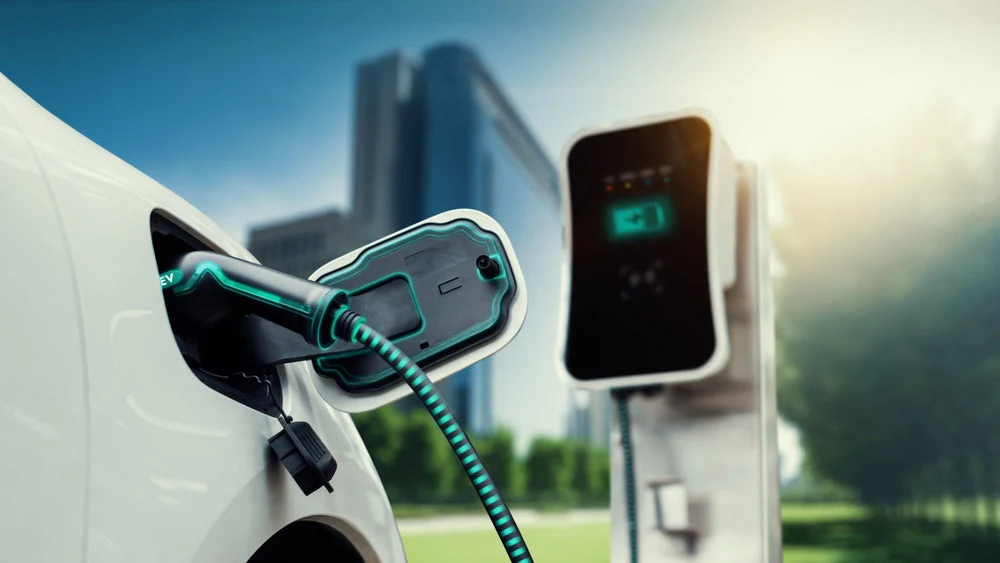
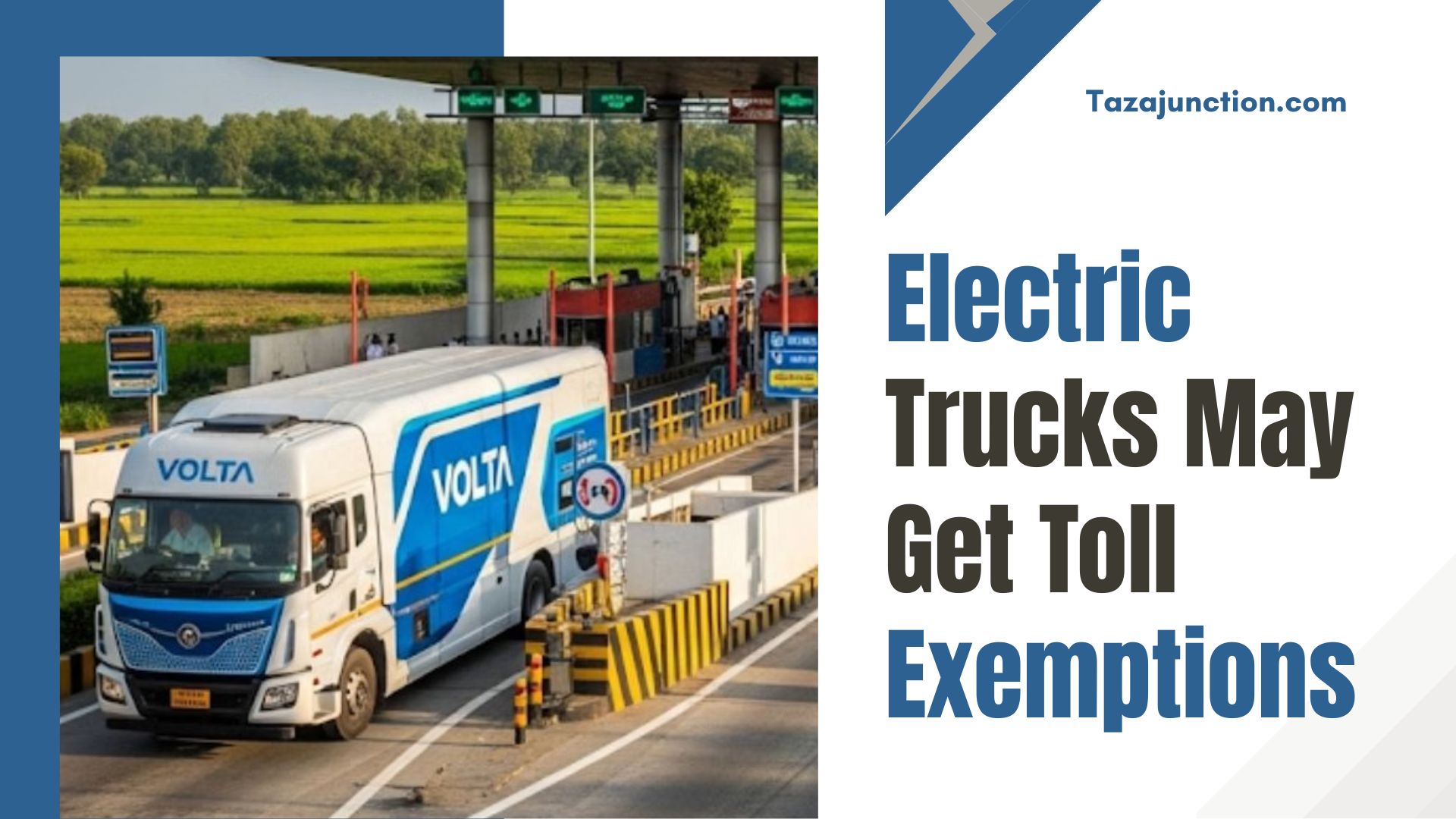
Electric Trucks May Get Toll Exemptions for Their Extra Weight: Gadkari

electric trucks may get toll exemptions

India’s transport sector is undergoing a massive transformation with the government pushing for green mobility, sustainable infrastructure, and futuristic logistics.

In a recent statement, Union Minister for Road Transport and Highways, Nitin Gadkari, hinted at a policy shift that could provide significant benefits to commercial EV adoption.

He revealed that electric trucks may get toll exemptions for their extra weight, offering both economic and environmental incentives. This announcement has sparked discussions in the auto and logistics industry about how such a move could reshape the country’s freight ecosystem.


Why Electric Trucks Are Gaining Momentum

The global push towards electric mobility is no longer limited to passenger cars and two-wheelers. Heavy commercial vehicles, including trucks, are now being electrified to cut emissions and reduce dependence on fossil fuels. India, being one of the largest logistics-driven economies, is gradually embracing electric freight solutions.

The concern with electric trucks lies in their battery weight, which adds significantly to the overall vehicle mass. Traditional toll policies often penalize heavier vehicles, making EV trucks less economically viable compared to diesel trucks.

By acknowledging this challenge, Gadkari’s statement that electric trucks may get toll exemptions for their extra weight reflects a pragmatic approach to encourage EV adoption.


Gadkari’s Vision for Green Logistics

Gadkari has been vocal about reducing India’s oil import dependency and tackling air pollution. He believes electric mobility is not just an environmental choice but also an economic necessity. The idea that electric trucks may get toll exemptions for their extra weight fits into his broader strategy of incentivizing clean transport.

According to him, if operators are penalized for adopting heavier but cleaner trucks, they will hesitate to switch. A toll exemption could balance the operational cost equation, making EV trucks more attractive for long-haul logistics companies.


How Toll Exemptions Could Help?
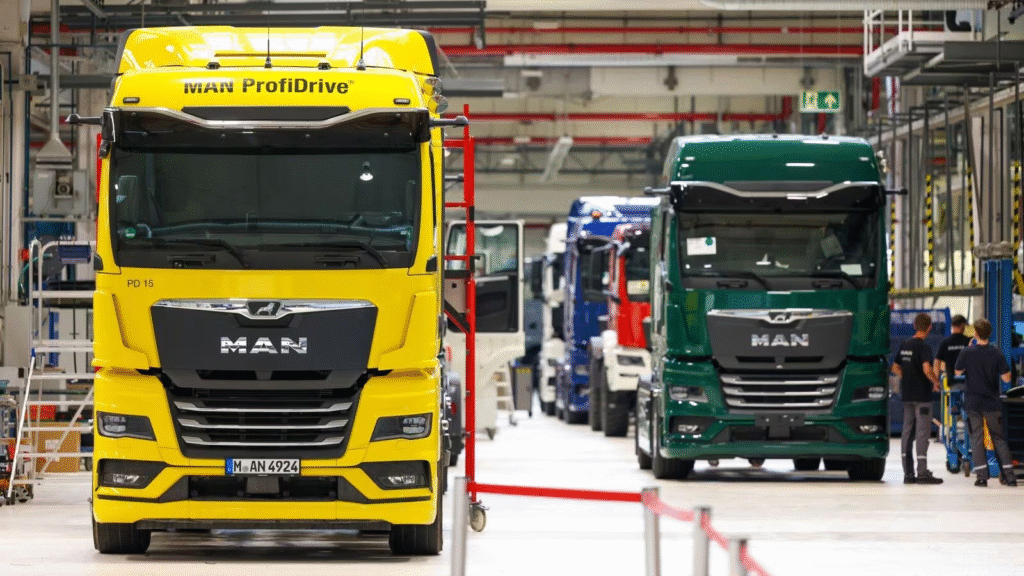
Electric Trucks May Get Toll Exemptions
  1. Level Playing Field – Diesel trucks don’t carry the burden of heavy batteries, while electric trucks do. Offering exemptions ensures fairness.
  2. Lower Operating Costs – Freight operators are highly sensitive to cost structures. Since tolls form a big part of expenses, waiving them can tip the scales in favor of EV trucks.
  3. Faster Adoption – Many fleet owners are on the fence about switching. The idea that electric trucks may get toll exemptions for their extra weight could be a game-changer.
  4. Boost to Indian EV Industry – Domestic manufacturers investing in EV trucks will get a stronger demand push.

Industry Reactions

The logistics and transport industry has welcomed the statement with cautious optimism. Many operators see this as a long-overdue recognition of EV-specific challenges.

Fleet managers note that if electric trucks may get toll exemptions for their extra weight, it could reduce total cost of ownership and accelerate fleet electrification. However, they also demand clarity on how the exemption will be structured—whether it will be partial, based on extra weight, or a complete waiver.

Automobile manufacturers, especially those investing heavily in EV trucks, are encouraged. They believe this could give them a competitive advantage in convincing customers to make the switch.


Challenges in Implementation

While the announcement is promising, several challenges remain:

  • Policy Framework: A uniform national guideline is needed, as toll collection is often managed at state and private concessionaire levels.
  • Verification Mechanism: Authorities must clearly define how much “extra weight” will qualify for exemption.
  • Revenue Impact: Toll revenue is critical for highway maintenance. Waiving it for EVs means alternate funding mechanisms must be identified.
  • Risk of Misuse: Non-electric trucks could attempt to misuse such exemptions unless strict digital monitoring is enforced.

The Bigger Picture: Sustainability Goals

India has pledged to achieve net-zero emissions by 2070. Transport, being a major contributor to carbon emissions, is central to this goal. Encouraging EV trucks is a logical step since the freight sector accounts for nearly 40% of total road transport fuel consumption.

By declaring that electric trucks may get toll exemptions for their extra weight, Gadkari is sending a signal that the government is willing to re-think legacy policies to align with future mobility. Such forward-looking reforms could also improve India’s standing in global clean energy rankings.


Economic Implications

  1. Cost Savings for Businesses – Lower toll costs would reduce logistics expenses, benefiting industries reliant on road transport.
  2. Investment Boost – More companies might invest in EV fleets, battery tech, and charging infrastructure.
  3. Job Creation – The EV truck industry could open new avenues for manufacturing, service, and charging infrastructure employment.

If electric trucks may get toll exemptions for their extra weight, it won’t just be an environmental decision—it will be an economic catalyst.


What This Means for Logistics Giants?

Large logistics companies like DHL, Amazon, and Indian fleet operators have already begun experimenting with electric trucks. However, the cost of ownership remains a hurdle. Toll exemptions could lower running costs significantly, encouraging wider adoption in last-mile and long-haul delivery.

For smaller fleet owners, who are often skeptical of investing in expensive technology, the promise that electric trucks may get toll exemptions for their extra weight could provide the necessary reassurance to make the switch.


Global Perspective

Globally, countries like Norway, Germany, and the US have introduced incentives for electric freight. Toll discounts, tax breaks, and subsidies are common. India aligning with this trend means the nation is serious about competing on the EV front.

By proposing that electric trucks may get toll exemptions for their extra weight, India is not only supporting domestic logistics but also aligning with international best practices.


The Road Ahead

For this policy to succeed, clear guidelines and a robust monitoring system must be in place. Authorities will need to collaborate with toll operators, fleet owners, and EV manufacturers to ensure smooth rollout.

Technology solutions like RFID, GPS, and weight sensors can help identify qualifying vehicles and prevent misuse. At the same time, infrastructure for charging heavy-duty trucks must be scaled up rapidly.


Conclusion

The announcement by Nitin Gadkari that electric trucks may get toll exemptions for their extra weight is a bold step toward accelerating India’s EV transition. It acknowledges the unique challenges faced by heavy commercial EVs and offers a practical solution to balance economics with sustainability.

If implemented effectively, this move could not only boost EV adoption but also strengthen India’s logistics sector, reduce emissions, and support the nation’s net-zero goals.

As the country gears up for a greener future, such progressive policies could make India a global leader in clean freight solutions. The road ahead is challenging, but with innovative measures like toll exemptions, the EV revolution for trucks seems closer than ever.

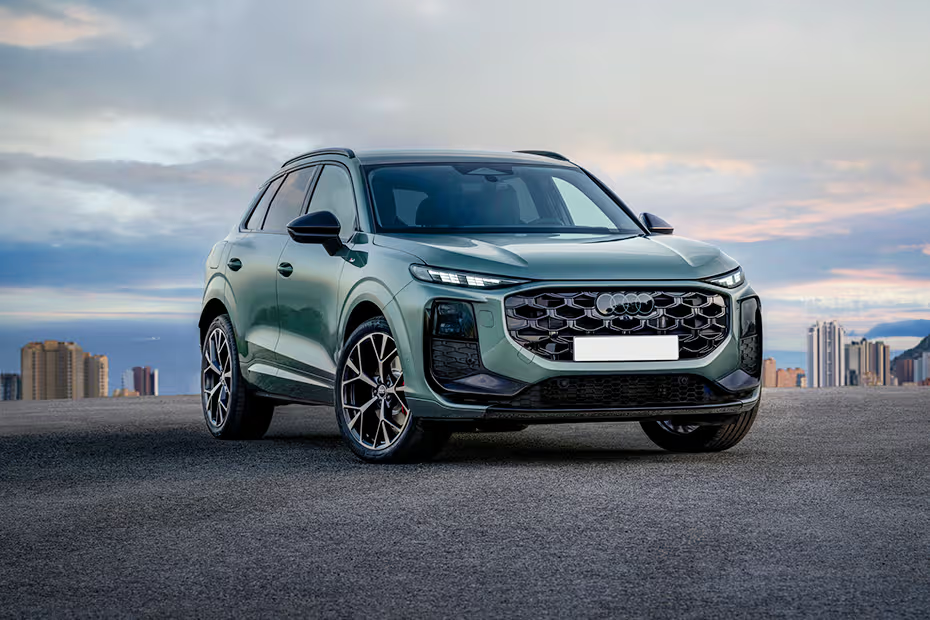
2026 Audi Q3: Top 5 Highlights Features & Launch Possibility

2026 audi q3

The premium compact SUV segment has always been competitive, with luxury automakers pushing boundaries in design, technology, and performance. Among them, Audi has consistently stood out, offering models that blend elegance, innovation, and everyday practicality.

With the 2026 Audi Q3 on the horizon, global car enthusiasts are buzzing with excitement about what this new version brings to the table. From advanced features to potential market strategies, there’s a lot to uncover.

In this TazaJunction.com article, we’ll break down the five key highlights of the 2026 Audi Q3 and explore the big question: Will it make its way to the Indian market?


5 Key Highlights You Need To Know About The Globally Revealed 2026 Audi Q3

1. Fresh Design Language With a Bold Presence

Audi has always managed to balance subtlety with sophistication in its designs, and the 2026 Audi Q3 continues this legacy. Early reports suggest that the SUV will feature sharper body lines, a wider stance, and an upgraded Singleframe grille that enhances its road presence.

The new design embraces modern aerodynamic principles, ensuring efficiency while maintaining luxury appeal. Expect slimmer LED headlights with customizable light signatures, larger alloy wheel options, and a sportier rear design.

The interior will also undergo a transformation, offering a minimalist yet premium look, dominated by sustainable materials and cutting-edge displays.

For Indian buyers who value aesthetics as much as performance, the refreshed styling of the 2026 Audi Q3 could be a strong selling point.


2. Powertrain Options and Electrification

Under the hood, the 2026 Audi Q3 is expected to offer a wide range of powertrain options, including efficient petrol and diesel engines for traditional markets, along with hybrid and fully electric variants for eco-conscious buyers.

Audi’s global strategy increasingly leans toward electrification, and the Q3 will not be left behind. A plug-in hybrid variant may become a star offering, allowing urban users to commute on electric power while retaining long-distance flexibility with combustion backup.

If the 2026 Audi Q3 arrives in India, the hybrid or petrol versions may be prioritized first, considering the current EV infrastructure challenges. However, with India investing heavily in EV charging networks, even a full-electric Q3 e-tron could eventually enter the market.


3. Tech-Loaded Cabin With AI Integration

2026 Audi Q3

Luxury buyers today expect much more than leather seats and climate control; they want a digital experience. The 2026 Audi Q3 will likely come with Audi’s next-gen MMI infotainment system, featuring AI-driven personalization.

The new AI assistant can learn driver habits, suggest routes, and adjust in-car settings automatically. A dual-screen setup with a larger central touchscreen and a customizable virtual cockpit will dominate the dashboard. Other highlights may include wireless Apple CarPlay, Android Auto, augmented reality heads-up display, and over-the-air software updates.

Indian customers, who are increasingly tech-savvy, would appreciate these smart features if the 2026 Audi Q3 is launched locally. With rivals like Mercedes-Benz and BMW already integrating similar digital advancements, Audi has no choice but to push the envelope further.


4. Safety and Driver Assistance Systems

Safety is a key factor in premium vehicles, and the 2026 Audi Q3 will carry Audi’s strong legacy of advanced driver-assistance systems (ADAS).

Globally, the SUV is expected to come equipped with adaptive cruise control, lane-keeping assist, blind-spot monitoring, and automated emergency braking. Audi might also include semi-autonomous driving features in higher trims, especially for European and North American markets.

For India, regulations around autonomous features are still evolving. But at the very least, the 2026 Audi Q3 could arrive with basic ADAS features, multiple airbags, electronic stability programs, and a 5-star Euro NCAP safety rating, making it an attractive choice for safety-conscious Indian families.


5. Pricing, Competition, and Indian Market Prospects

Perhaps the biggest question for Indian buyers is whether the 2026 Audi Q3 will arrive in the country. The Indian market for premium SUVs has seen consistent growth, with models like the BMW X1, Mercedes-Benz GLA, and Volvo XC40 already gaining traction.

If Audi positions the 2026 Audi Q3 competitively, it could significantly disrupt this segment. Pricing is likely to start higher than the current Q3, considering the new tech and electrified powertrains, but Audi may introduce locally assembled versions to keep costs competitive.

As for timing, if global launches begin by late 2025, India could see the 2026 Audi Q3 by mid-to-late 2026. This would allow Audi to strengthen its foothold in India, particularly as demand for compact luxury SUVs continues to rise.


The Road Ahead: Can It Disrupt the Market?

The 2026 Audi Q3 is more than just another SUV update; it represents Audi’s vision for the future of compact luxury vehicles. Its combination of bold design, electrified powertrains, intelligent technology, and robust safety features makes it a strong contender in global markets.

For India, the success of the 2026 Audi Q3 will depend on several factors — pricing, availability of hybrid or EV infrastructure, and how it stacks up against rivals like Hyundai Tucson, BMW X1, and Mercedes-Benz GLA.

Audi has a reputation for appealing to young professionals, entrepreneurs, and families who want both luxury and practicality.

If the company gets its strategy right, the 2026 Audi Q3 could very well become one of the most desirable SUVs in its segment, giving Indian buyers a new taste of premium innovation.


Conclusion

The excitement around the 2026 Audi Q3 highlights how important this model is for Audi’s global strategy. With striking design updates, electrified powertrain options, AI-driven interiors, and advanced safety features, this SUV has the potential to set new benchmarks in its class.

For Indian car enthusiasts, the big question remains: Will we get the 2026 Audi Q3 on our roads? While nothing is officially confirmed yet, all signs suggest that Audi is likely to bring this SUV to India, given the rising demand for premium compact SUVs.

Until then, global fans can look forward to one of the most technologically advanced and stylish versions of the Q3 yet — and Indian buyers can stay hopeful that the 2026 Audi Q3 will soon become a part of their luxury driving dreams.

India EV Charging App to Skip Personal Data Collection

india ev charging app

The electric vehicle (EV) revolution in India has been steadily gaining momentum over the past few years. With government incentives, growing environmental awareness, and an increasing number of manufacturers entering the EV market, adoption has been accelerating.

However, while vehicles are important, the real challenge often lies in charging infrastructure and digital platforms that support it.

Recently, news surfaced that India EV charging app is set to skip personal data collection, a move that has sparked discussion among industry experts, EV owners, and digital privacy advocates alike.

This development represents more than just a technological decision—it highlights the growing tension between convenience and privacy in India’s fast-expanding digital ecosystem.

As we dive with TazaJunction.com into the details, it becomes clear that this decision could reshape user trust and set new benchmarks for digital platforms across industries.


Why Data Privacy Matters in the EV Sector?

Most modern apps collect user data, whether for improving services, targeting advertisements, or monetizing in other ways. In the EV ecosystem, apps often request sensitive information like location history, payment details, and even driving habits. For users, this can feel invasive, particularly when data protection laws are still evolving.

By announcing that India EV charging app will avoid personal data collection, developers are signaling a strong commitment to user privacy.

This decision aligns with the growing awareness of digital rights in India and the push toward compliance with the upcoming Digital Personal Data Protection Act (DPDP Act).

Skipping personal data collection not only reassures users but also simplifies app onboarding. Drivers can focus on finding a charging point rather than worrying about how their personal data might be stored or shared.


Key Features Expected in the App

Although privacy is the headline feature, the app is expected to include a range of practical tools designed to enhance the EV driving experience.

  1. Real-Time Station Locator – Users will be able to find the nearest charging stations with availability status.
  2. Seamless Payments – Integration with UPI and digital wallets for quick, hassle-free transactions.
  3. Charging Speed Information – Details about fast chargers versus slow chargers at each location.
  4. Battery Health Insights – Without collecting personal identifiers, the app may still offer generic tips to maximize battery life.
  5. Anonymous Feedback System – Users can rate charging stations and leave reviews without revealing their identities.

Together, these features make India EV charging app a promising tool not only for convenience but also for setting a new gold standard in user-first design.


Industry Impact and Market Implications

India EV Charging App

Skipping personal data collection is a bold move in an industry where data often drives business models. Many global EV platforms rely heavily on user data for analytics and monetization. By contrast, India EV charging app appears to prioritize long-term trust over short-term gains.

This could influence other Indian mobility apps, from ride-sharing services to fuel station locators, to rethink their strategies. If users come to expect privacy-first designs, companies that fail to adapt may lose relevance.

Additionally, EV adoption in India could accelerate as more users feel comfortable engaging with charging platforms without fear of misuse of their personal information. A transparent approach builds loyalty, which is critical as competition among charging networks heats up.


How This Aligns with Government Policy?

The Indian government has been actively pushing for cleaner transportation solutions and robust digital ecosystems. The DPDP Act emphasizes consent-driven data processing, which means companies need explicit approval before collecting personal details.

By designing India EV charging app without personal data collection, developers are effectively future-proofing the platform. It ensures compliance with current regulations while also anticipating stricter rules that may come later.

Furthermore, this approach aligns with India’s broader goals of digital sovereignty—where user data stays within the country and platforms are accountable to domestic regulations rather than foreign entities.


Challenges Ahead

While the privacy-first model sounds appealing, it comes with its own challenges:

  • Limited Personalization – Without user profiles, tailoring experiences (like recommending stations based on past visits) becomes difficult.
  • Revenue Models – Apps that skip data collection may struggle to find monetization avenues outside of transaction fees or partnerships.
  • User Verification – Ensuring secure payments and preventing misuse while avoiding personal data storage will require innovative security solutions.

That said, these challenges also present opportunities for innovation. For instance, anonymous tokens or blockchain-based identity systems could balance privacy with trust.


User Reactions So Far

Early reactions from EV owners and privacy advocates have been largely positive. Many see India EV charging app as a refreshing alternative to the data-heavy platforms dominating other industries.

Some users, however, have expressed curiosity about how the app will manage issues like lost transactions or account recovery without personal identifiers. Clear communication from developers will be essential in addressing such concerns.


Global Context: Lessons from Abroad

Globally, EV charging apps in markets like Europe and North America typically collect user data for analytics and personalization. However, growing awareness around digital rights has led to stricter regulations such as GDPR in Europe.

If successful, India EV charging app could become a model for privacy-centric platforms not just in the EV industry but across the digital economy. This could even inspire global players to rethink their reliance on personal data.


Future Outlook

The long-term success of India EV charging app will depend on its ability to balance user trust with functionality. If the app delivers a smooth, reliable experience while keeping privacy intact, it could set a precedent for other sectors like healthtech, fintech, and mobility.

We may also see a ripple effect where competitors launch similar privacy-first solutions to keep up with evolving consumer expectations. This could trigger a much-needed shift in how apps are designed, moving from “data-hungry” to “user-respecting.”


Conclusion

The launch of India EV charging app marks a milestone not only for the EV sector but also for digital privacy in India. By skipping personal data collection, the platform sends a strong message: user trust is more valuable than monetizing data.

As EV adoption continues to rise, this app has the potential to become a cornerstone of India’s green mobility infrastructure. More importantly, it could redefine what users expect from digital platforms across industries.

If successful, India EV charging app may well prove that convenience and privacy are not mutually exclusive but can coexist to deliver a better, more ethical digital experience.

Russian Influencers on Telegram: How They Are Thriving in the New Digital Era

russian influencers on telegram

In the rapidly shifting world of social media, platforms rise and fall as user preferences, regulations, and global politics shape their usage. Over the past few years, one trend has stood out in particular: the rapid growth of Russian influencers on Telegram.

With Instagram and Facebook facing restrictions in Russia and Western platforms losing traction due to bans or limited access, Telegram has emerged as the platform of choice for influencers who want to connect with audiences, promote brands, and share unfiltered content.

This shift has transformed the influencer ecosystem in Russia, offering creators both new opportunities and unique challenges.

Let’s explore with TazaJunction.com about why Russian influencers on Telegram are thriving, what makes the platform appealing, and how this trend is shaping the future of digital influence.


The Rise of Telegram as Russia’s Go-To Platform

Telegram, originally developed as a messaging app, has evolved into something much bigger. It is now a hybrid platform offering private chats, group communities, public channels, and even monetization tools.

When Western social media platforms faced restrictions, Telegram became the natural alternative for creators. Unlike Instagram, which focuses heavily on visual content, or YouTube, which requires video production, Telegram allows influencers to share posts instantly—whether text, photos, videos, or voice messages.

This flexibility gave Russian influencers on Telegram a way to keep their audience engaged without the barriers of censorship or high production costs. Many creators who once thrived on Instagram have successfully migrated their communities to Telegram channels, where they maintain close connections with followers.


Why Telegram Appeals to Influencers?

Russian influencers on Telegram

Several features make Telegram particularly attractive for influencers:

  1. Direct Communication: Unlike other platforms where algorithms decide visibility, Telegram ensures that posts reach subscribers directly. This gives Russian influencers on Telegram more control over their audience engagement.
  2. Community-Building Tools: Telegram groups allow influencers to create interactive spaces where followers can comment, discuss, and feel like part of a community. This builds stronger loyalty compared to one-sided platforms.
  3. Privacy and Security: Telegram’s reputation for security appeals to both creators and users, especially in an environment where censorship and data privacy concerns are widespread.
  4. Monetization Options: With paid subscriptions, ad networks, and collaborations, Russian influencers on Telegram can earn money directly from their content.

The Types of Content Thriving on Telegram

While Instagram focused heavily on lifestyle and visuals, Telegram has opened the door to more diverse forms of content. Popular categories among Russian influencers on Telegram include:

  • Lifestyle and Fashion: Creators still share outfit inspirations, shopping tips, and fashion updates.
  • News and Politics: Many influencers combine personal opinions with breaking news, giving audiences unfiltered perspectives.
  • Education and Self-Improvement: From language learning to fitness routines, Telegram channels are filled with practical guides.
  • Entertainment and Humor: Memes, short videos, and behind-the-scenes content have exploded in popularity.

This diversity allows influencers to reach different demographics and cater to niche audiences who feel underserved by mainstream media.


How Brands Are Responding?

Brands have quickly realized the marketing potential of Russian influencers on Telegram. While Instagram and TikTok once dominated influencer campaigns, brands are now turning to Telegram for collaborations. Sponsored posts, giveaways, and product promotions within Telegram channels are becoming increasingly common.

The unique advantage lies in Telegram’s high engagement rates. Since followers subscribe voluntarily and see posts without algorithmic filtering, they are more likely to interact with content. This makes advertising campaigns more effective and gives brands confidence in their investments.


Challenges Facing Influencers on Telegram

Despite the opportunities, thriving on Telegram is not without challenges. Some issues include:

  1. Monetization Limits: Compared to platforms like YouTube, Telegram’s monetization tools are still developing. This means many Russian influencers on Telegram must rely on brand deals or outside platforms for income.
  2. Competition: With so many influencers migrating, standing out is becoming more difficult. Creators must offer unique value to retain and grow their audiences.
  3. Content Piracy: Since Telegram allows easy forwarding of content, protecting intellectual property is harder. Paid or exclusive content can sometimes spread without permission.
  4. Platform Regulation: While Telegram currently offers freedom, changes in government regulation or platform policies could impact how influencers operate in the future.

The Audience Perspective

For Russian users, following influencers on Telegram is more than entertainment—it’s about community, trust, and authenticity. Many feel that Russian influencers on Telegram provide more relatable and honest content than mainstream celebrities.

This sense of closeness encourages users to support their favorite creators through paid subscriptions, donations, and merchandise purchases.

Audiences also appreciate the immediacy of Telegram. Instead of filtered, polished photos, they receive raw updates, personal notes, and behind-the-scenes glimpses of influencers’ lives. This unfiltered communication builds stronger emotional connections.


Future of Influencer Marketing in Russia

Looking ahead, it’s clear that Telegram will remain a dominant force in Russian influencer culture. The platform is continuously adding features to support creators, including premium subscriptions, ad networks, and enhanced analytics.

If these tools continue to evolve, Russian influencers on Telegram could rival global creators on platforms like Instagram and YouTube.

Additionally, the success of influencers on Telegram may inspire other regions to adopt similar models. If political or regulatory issues impact access to global platforms, Telegram could see international growth in influencer culture.


Case Studies: Success Stories on Telegram

Several influencers have already demonstrated how Telegram can serve as a powerful platform for growth:

  • Fashion Bloggers who once thrived on Instagram have recreated similar content strategies on Telegram, but with more personal engagement.
  • Political Commentators have built loyal audiences by offering unfiltered news and analysis.
  • Fitness Coaches are using Telegram to share daily routines, diet plans, and motivational messages.

These case studies highlight how Russian influencers on Telegram can adapt across industries, proving the platform’s versatility.


Conclusion

The rise of Russian influencers on Telegram marks a significant shift in the country’s digital landscape. With restrictions on Western platforms and growing demand for direct, authentic communication, Telegram has become the natural home for influencers in Russia.

While challenges such as monetization and competition exist, the opportunities far outweigh the obstacles. Brands, creators, and audiences are all embracing the platform, turning Telegram into a thriving hub for influencer culture.

As the influencer marketing industry evolves, the success of Russian influencers on Telegram may serve as a blueprint for how creators worldwide can adapt to changing platforms and continue building meaningful connections with their audiences.

JioHotstar New AI-Powered Features: Riya Assistant, Real-Time Dubbing & Cricket Mode

jiohotstar new ai-powered features

In today’s streaming era, innovation is the key to survival. Platforms constantly upgrade their technology to provide smoother experiences, greater accessibility, and more engaging features for users.

Jio and Disney+ Hotstar, after joining forces, are now stepping up their game. The latest announcement has created quite a buzz: JioHotstar new AI-powered features are set to revolutionize the way audiences consume content in India.

Among the additions are a brand-new voice assistant named Riya, real-time dubbing for multilingual accessibility, an immersive cricket mode for sports lovers, and other enhancements that will elevate the platform into a truly intelligent entertainment hub.

These upgrades position JioHotstar as not just a streaming service but a smart, interactive experience that understands its users.

Also you can explore 10 powerful WhatsApp features, you can significantly improve how you interact, respond, and stay on top of your digital conversations.


Why AI Features Are Becoming Essential for Streaming Platforms?

The entertainment industry has undergone a massive transformation in the past decade. From traditional cable TV to on-demand content, user expectations have evolved.

People no longer just want to watch shows and movies—they want personalized recommendations, real-time engagement, and easy navigation.

That is why the rollout of JioHotstar new AI-powered features is so significant. Artificial intelligence is not only streamlining the backend of streaming platforms but also redefining how users interact with content.

From predicting what to watch next to enabling voice-controlled commands, AI ensures that users spend less time searching and more time enjoying.


JioHotstar New AI-Powered Features

JioHotstar New AI-Powered Features

Feature 1: Riya Voice Assistant

The highlight of the announcement is the introduction of Riya, a voice assistant designed specifically for JioHotstar. Similar to Alexa or Siri, Riya will help users navigate through the platform effortlessly. Imagine simply saying, “Riya, play the latest episode of Criminal Justice,” and the show starts instantly without typing or scrolling.

This is a massive step forward for accessibility as well. People who may struggle with complex menus or prefer voice interactions can now enjoy content seamlessly. With JioHotstar new AI-powered features, Riya will also be able to learn user preferences over time, making suggestions that are smarter and more relevant.

Feature 2: Real-Time Dubbing

India is a land of linguistic diversity, and one of the biggest barriers to streaming adoption has been language accessibility. Real-time dubbing addresses this challenge directly. With this feature, users can watch a show or live event in their preferred language instantly, without waiting for official translations to be uploaded days later.

For instance, a Tamil-speaking viewer watching a Hindi web series will be able to enjoy it in Tamil in real-time. Similarly, cricket commentary can be heard in multiple languages instantly, ensuring that no fan feels left out. This makes JioHotstar new AI-powered features a game-changer for inclusivity in entertainment.

Feature 3: Immersive Cricket Mode

Cricket is not just a sport in India; it is an emotion. JioHotstar has always been a go-to platform for streaming cricket matches, but now it’s about to become even more interactive. The immersive cricket mode will allow fans to experience matches like never before.

This mode will integrate AI-driven stats, predictions, and real-time analysis directly onto the screen. Viewers can switch between camera angles, track player performance with AI-driven insights, and even enjoy interactive polls during live matches.

For cricket fans, this is one of the most exciting aspects of the JioHotstar new AI-powered features, as it takes match-viewing from passive to deeply engaging.

Feature 4: Personalized User Experience

The fourth addition may not be as flashy as a voice assistant or cricket mode, but it is equally important. JioHotstar is set to upgrade its personalization engine. Through AI, the platform will better understand user behavior, recommend shows based on mood, and even adjust streaming quality automatically based on internet bandwidth.

This kind of personalization ensures that every subscriber feels like the app is tailored just for them. Whether you’re a movie buff, a cricket fanatic, or someone who just wants casual entertainment, the JioHotstar new AI-powered features will make your journey smoother and more enjoyable.


How These Features Compare to Global Streaming Giants?

Globally, platforms like Netflix and Amazon Prime have already embraced AI to recommend content and enhance the user experience.

However, JioHotstar’s innovations take it a step further by focusing on the unique demands of the Indian audience. Netflix may offer dubbing and subtitles, but real-time dubbing powered by AI is revolutionary.

Similarly, no international streaming service has an immersive cricket mode—because cricket’s demand is uniquely tied to India and South Asia. By tailoring the JioHotstar new AI-powered features to local audiences, the platform is gaining a competitive edge.


Fan Reactions and Industry Buzz

The announcement of these features has sparked excitement among fans. Social media is already buzzing with hashtags related to JioHotstar’s AI upgrades. Cricket lovers are particularly thrilled about the immersive cricket mode, while regional users are celebrating real-time dubbing.

Industry experts believe that these additions may push JioHotstar into becoming India’s leading streaming platform, surpassing rivals who are slower in adopting region-specific innovations.

The fact that the JioHotstar new AI-powered features address accessibility, personalization, and interactivity shows that the platform has a clear vision for the future.


What This Means for the Future of Indian Streaming?

The introduction of AI-driven streaming in India could redefine how digital entertainment works. With affordable internet already widespread thanks to Jio, adding intelligent features ensures that millions of users can enjoy smarter experiences without extra cost.

If successful, the JioHotstar new AI-powered features may set a precedent for other platforms like Zee5, SonyLIV, and Voot to follow. This will not only benefit users with better experiences but also push the entire industry toward faster innovation.


Conclusion

The future of streaming is interactive, accessible, and intelligent. With the launch of the JioHotstar new AI-powered features, users can look forward to an entertainment platform that doesn’t just serve content but actively engages with them.

From the Riya voice assistant to real-time dubbing and immersive cricket mode, these innovations are more than just upgrades—they are milestones in India’s digital entertainment journey.

As audiences grow more demanding, platforms will need to adopt similar strategies to remain competitive. But for now, JioHotstar seems to be leading the race, proving that in the world of streaming, those who innovate are the ones who win.

TRAI Registers First Eight Digital Connectivity Rating Agencies to Boost In-Building Network Quality

digital connectivity rating agencies

The Telecom Regulatory Authority of India (TRAI) has officially registered the first eight digital connectivity rating agencies, marking a significant step toward improving the in-building network experience across the country.

With mobile data consumption reaching unprecedented levels, and users expecting seamless coverage everywhere—from homes and offices to shopping malls and airports—TRAI’s move is expected to address long-standing challenges in connectivity quality.

This initiative aims not only to strengthen transparency but also to encourage real estate developers, telecom operators, and enterprises to prioritize better in-building infrastructure.

In this TazaJunction.com article, we’ll explore what these new agencies mean, why they matter, and how they will shape the future of India’s digital ecosystem.


Why TRAI Introduced Digital Connectivity Ratings?

Digital Connectivity Rating Agencies

For years, mobile users in India have complained about inconsistent network coverage inside buildings. Whether it’s call drops in high-rise apartments or weak data signals in underground offices, poor in-building connectivity has been a recurring pain point.

TRAI has been receiving feedback from consumers, telecom service providers, and industry experts urging it to find a structured way of addressing this problem.

This is where the concept of digital connectivity rating agencies comes into play. These agencies will be responsible for evaluating and rating in-building network infrastructure, helping customers and businesses understand the quality of connectivity in a particular building or complex.

By setting a benchmark, TRAI ensures that both builders and telecom providers remain accountable for delivering a smooth digital experience.


The First Eight Agencies Registered

The announcement that TRAI has registered its first eight digital connectivity rating agencies has sparked interest across the telecom and real estate sectors.

While the names of the agencies represent a diverse set of organizations with expertise in technology and telecom consulting, their responsibilities will be similar—rating and certifying buildings based on the strength, reliability, and efficiency of in-building networks.

These ratings will function much like energy-efficiency ratings for appliances. Just as consumers check star ratings before buying a refrigerator or air conditioner, future tenants, companies, and institutions will look at the connectivity rating of a building before making investment or rental decisions.


Key Responsibilities of Digital Connectivity Rating Agencies

image 201

The digital connectivity rating agencies will carry out multiple critical tasks to ensure transparency and consumer empowerment:

  1. Assessment of In-Building Infrastructure – Checking whether the building has modern Distributed Antenna Systems (DAS), fiber connectivity, and adequate coverage for all major telecom operators.
  2. Evaluation of Network Quality – Measuring factors such as signal strength, call drop rate, data speed, and latency inside buildings.
  3. Rating Certification – Assigning a score or grade that reflects the building’s digital readiness.
  4. Promoting Awareness – Helping both consumers and developers understand the importance of investing in proper telecom infrastructure.
  5. Encouraging Fair Competition – Driving builders to enhance digital connectivity in order to achieve higher ratings, thereby offering better value to occupants.

Impact on Real Estate Developers

The move is expected to push real estate developers to incorporate better telecom infrastructure right from the design and construction phases. Until now, many developers focused primarily on physical amenities such as gyms, swimming pools, and security systems, often neglecting digital connectivity.

With the involvement of digital connectivity rating agencies, buildings that score poorly may face reduced interest from potential buyers or tenants. On the other hand, developers that invest in strong in-building networks will be able to highlight it as a selling point.

This could create a healthy cycle where better connectivity becomes a standard requirement, much like electricity and water supply.


Benefits for Telecom Operators

Telecom operators will also benefit from the work of digital connectivity rating agencies. They will gain clear data on the weak spots in urban and rural constructions, enabling them to deploy resources more effectively.

Instead of reacting to complaints, operators will be able to proactively collaborate with developers to improve coverage. This partnership model not only reduces customer dissatisfaction but also lowers long-term operational costs by minimizing emergency fixes and repeated service calls.


Consumer Empowerment

For end-users, the biggest advantage of digital connectivity rating agencies is the transparency it brings. Consumers often enter into long-term commitments such as home purchases, office rentals, or commercial leases without knowing how strong the digital infrastructure is inside the property.

A connectivity rating will allow them to make informed decisions. For instance, a professional working in a digital-first role may prioritize an apartment or office with higher connectivity ratings. Similarly, large companies that rely heavily on cloud services and video conferencing will prefer spaces certified with superior ratings.


Challenges Ahead

While the registration of the first eight digital connectivity rating agencies is a strong step forward, challenges remain. Ensuring uniform standards across different regions, training professionals for accurate assessments, and maintaining unbiased rating processes are critical hurdles.

Additionally, developers and operators may initially resist the move due to cost implications. Building telecom infrastructure like fiber lines, repeaters, and distributed antenna systems can be expensive. However, as the demand grows, economies of scale and competition are likely to make these investments more affordable.


Global Context

India’s decision to establish digital connectivity rating agencies aligns with international trends. In many advanced economies, building connectivity standards are already in place, and ratings are provided by independent organizations.

For example, in the United States and parts of Europe, certification systems already exist to evaluate Wi-Fi coverage, 5G readiness, and overall digital infrastructure. By implementing a similar framework, India is ensuring that its digital growth remains sustainable and globally competitive.


The Road Ahead

The registration of the first eight digital connectivity rating agencies marks only the beginning of a larger transformation. As these agencies begin their work, several future developments can be expected:

  • Standardized rating formats accessible to the general public.
  • Partnerships between telecom providers and real estate developers to co-create high-rated digital spaces.
  • Greater emphasis on smart buildings that integrate both energy efficiency and digital readiness.
  • Stronger policy support from TRAI to ensure compliance and prevent manipulation of ratings.

Ultimately, this step reflects TRAI’s vision of a digitally inclusive India where users can enjoy seamless connectivity irrespective of where they are located.


Conclusion

The registration of the first eight digital connectivity rating agencies by TRAI is a landmark development for India’s telecom and real estate sectors.

It sets a foundation for better in-building network quality, greater transparency for consumers, and higher accountability for developers and operators.

As mobile and internet usage continues to grow exponentially, such initiatives are not just timely but essential. With these agencies in place, India is moving toward a future where digital connectivity is treated as a core infrastructure—just as vital as electricity, water, and transportation.

This move promises to empower consumers, strengthen businesses, and push the country closer to becoming a truly digital-first economy.

Gears of War Games on PS5 – Latest Rumors & Insights

gears of war games on ps5

The Gears of War franchise has been one of the most iconic titles in the world of third-person shooters gaming. For years, the series has been closely tied to Microsoft and Xbox, often used as a showcase for the power of their consoles and Game Pass ecosystem.

However, recent rumors suggest that we may be entering a new era for the franchise, as multiple reports indicate that more Gears of War games on PS5 could soon be a reality.

This development has sparked excitement, speculation, and even debate among fans of both Xbox and PlayStation. Could one of Xbox’s most beloved exclusives really make its way to Sony’s hardware?

Let’s dive deep into the rumors, the evidence, and what it could mean for the gaming industry.


The Legacy of Gears of War

Before exploring the possibility of Gears of War games on PS5, it’s important to reflect on what makes the franchise so special. First launched in 2006, Gears of War introduced players to a gritty and visceral take on third-person shooters.

With its unique cover system, brutal executions, and a storyline filled with war, brotherhood, and tragedy, the series became an instant classic.

Over the years, the franchise has released multiple entries, from the original trilogy to spinoffs like Gears Judgment and more recent installments such as Gears 5.

Each game showcased advancements in graphics, gameplay mechanics, and emotional storytelling. Until now, all of these experiences have been limited to Xbox consoles and PC.


The Spark of Rumors

The buzz about Gears of War games on PS5 began when insiders within the industry started dropping subtle hints. A few well-known leakers on social media platforms claimed that Microsoft is considering expanding the reach of its franchises beyond its own ecosystem.

Adding fuel to the fire, Phil Spencer, the head of Xbox, has recently expressed openness to making Xbox games more accessible across different platforms.

While he didn’t mention Gears of War specifically, his statements about “reaching gamers wherever they are” have been interpreted as a signal that exclusivity may be softening.


Why Would Microsoft Allow It?

At first glance, the idea of Gears of War games on PS5 seems counterintuitive. Why would Microsoft allow one of its flagship series to appear on a rival console? The answer lies in shifting business models.

Microsoft has been pushing Game Pass as the centerpiece of its strategy. By focusing on subscription services and software sales rather than strict hardware competition, they can profit even if their games appear on competing platforms.

Allowing PlayStation players access to Gears of War could broaden the fanbase, increase merchandise sales, and bring more attention to the franchise ahead of future releases.


The PlayStation Factor

Gears of War games on PS5

From Sony’s perspective, bringing Gears of War games on PS5 would be a massive win. PlayStation gamers have long admired the franchise from afar but were never able to experience it without investing in an Xbox or a gaming PC.

Adding Gears of War to the PS5 lineup would diversify the platform’s third-person shooter offerings, which already include hits like The Last of Us and Uncharted.

For many players, this could also mean the end of choosing one ecosystem over another just to play beloved games. If franchises once considered exclusive begin appearing across multiple platforms, the entire console war narrative may start to shift.


Which Titles Could Arrive?

Speculation about which Gears of War games on PS5 might appear first has been rampant. Some believe Microsoft might start by porting older titles, such as a remastered collection of the original trilogy. This would make sense as a way to introduce PlayStation fans to the saga’s roots.

Others suggest that Gears 5 or even the rumored Gears 6 could eventually come to PS5. Launching a new entry simultaneously on Xbox and PlayStation would be unprecedented, but it would undoubtedly make waves in the industry.


Fan Reactions

Unsurprisingly, the rumors of Gears of War games on PS5 have generated passionate responses online. Longtime Xbox fans have expressed mixed feelings, with some welcoming the idea of a larger community while others fear it diminishes the identity of Xbox exclusives.

On the other hand, PlayStation fans are largely thrilled. Many who never had the chance to play the franchise are excited by the possibility of finally experiencing it on their console of choice.

Social media is filled with debates, wishlists, and even mock-up box art of what a PlayStation edition of Gears of War might look like.


What This Means for the Industry?

image 198

If Gears of War games on PS5 do come to fruition, it could signal a new phase in gaming. The traditional boundaries of exclusivity may continue to blur, leading to a future where franchises are no longer tied to a single console.

This wouldn’t be the first time a major exclusive shifted platforms. In recent years, games like MLB The Show—once a PlayStation exclusive—have launched on Xbox as well.

Similarly, Death Stranding and Horizon Zero Dawn moved to PC after debuting on PlayStation. The industry trend is clearly leaning toward accessibility and cross-platform presence.


Could This Impact Game Pass?

One concern among Xbox fans is whether releasing Gears of War games on PS5 could weaken the appeal of Game Pass. After all, part of the service’s strength lies in exclusive access to top-tier franchises.

However, Microsoft may view it differently. Even if PlayStation gets Gears of War, Game Pass still offers immense value with day-one releases, cloud gaming, and a huge library of titles.

If anything, expanding the reach of Gears could act as marketing for Game Pass, encouraging PS5 players to try the service on PC or even consider buying an Xbox as a secondary console.


The Business Angle

Financially, releasing Gears of War games on PS5 makes sense. With development costs for AAA games skyrocketing, publishers are under pressure to maximize revenue.

Limiting a major franchise to one platform can restrict its earning potential. By tapping into the massive PlayStation audience, Microsoft could offset development expenses and ensure the future of the series remains strong.


Looking Ahead

While nothing has been officially confirmed, the possibility of Gears of War games on PS5 is more real than ever. As Microsoft continues to redefine its place in the industry, the traditional idea of console exclusivity may no longer hold the same weight.

For fans, this could be an exciting opportunity to experience legendary franchises without restrictions. Whether you’re a seasoned veteran of the COG army or a PlayStation player eager to dive in for the first time, the future of Gears of War promises to be one worth watching.


Conclusion

The rumors about Gears of War games on PS5 represent more than just speculation about a single franchise—they highlight the evolving nature of the gaming industry. As exclusivity gives way to accessibility, fans across platforms may soon enjoy the best of both worlds.

For now, we wait for official announcements. But if the whispers are true, and Gears of War finally makes its way to PlayStation, it could mark a turning point in gaming history.

Battlefield 6 PC System Requirements Revealed: Official Requirements

battlefield 6 pc system requirements

The Battlefield franchise has always pushed the limits of technology and large-scale multiplayer gameplay. From destructible environments to massive 128-player battles, the series has consistently raised the bar for first-person shooters.

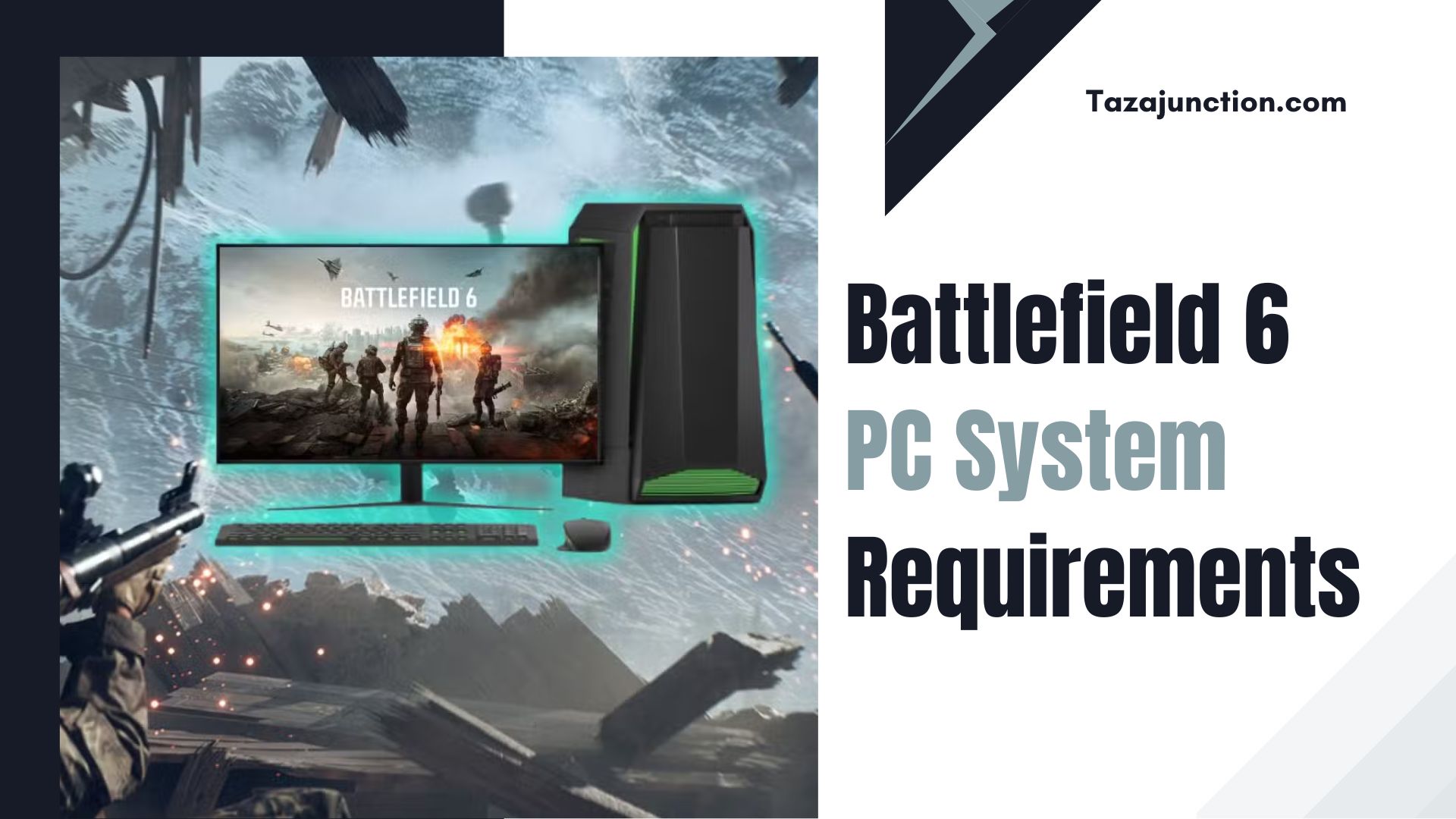
Now, with Battlefield 6 on the horizon, excitement is building as Electronic Arts and DICE begin to share new details. Among the most anticipated updates is the announcement of the Battlefield 6 PC system requirements, which give fans an idea of what kind of hardware they’ll need to fully enjoy the next entry in the series.

For PC players, system requirements are often the first insight into just how advanced a game might be. And for a title like Battlefield 6, which promises stunning visuals, dynamic destruction, and expansive maps, expectations are incredibly high.

Let’s break down what the Battlefield 6 PC system requirements reveal, how they compare to past titles, and what they mean for gamers eager to jump into the battlefield.


Minimum Battlefield 6 PC System Requirements

According to official details, the minimum Battlefield 6 PC system requirements are designed to ensure the game can run at a basic but playable level.

These specifications are aimed at gamers with older or mid-range rigs who don’t necessarily need ultra-high graphics settings but still want to experience the game without constant performance issues.

  • OS: Windows 10 (64-bit)
  • Processor: Intel Core i5-6600K or AMD Ryzen 5 1600
  • Memory: 8 GB RAM
  • Graphics Card: NVIDIA GTX 1060 (6GB) or AMD Radeon RX 580 (8GB)
  • DirectX: Version 12
  • Storage: 100 GB available space

At these settings, players should be able to run the game at 1080p with medium settings, maintaining around 60 frames per second. While not the most visually impressive setup, it ensures a smooth gameplay experience for those who don’t have access to the latest hardware.


For players who want the full immersive experience, DICE has also released the recommended Battlefield 6 PC system requirements.

These specs are for gamers who expect high-quality visuals, stable frame rates, and the ability to handle the game’s massive online battles without compromise.

  • OS: Windows 10/11 (64-bit)
  • Processor: Intel Core i7-8700K or AMD Ryzen 7 2700X
  • Memory: 16 GB RAM
  • Graphics Card: NVIDIA RTX 3060 Ti or AMD Radeon RX 6700 XT
  • DirectX: Version 12
  • Storage: SSD with 100 GB available space

With this setup, players can enjoy Battlefield 6 at 1440p or even 4K with higher frame rates, ray tracing enabled, and maximum graphical fidelity.

The inclusion of an SSD requirement also highlights the game’s emphasis on fast loading times and seamless world rendering.


How Battlefield 6 PC System Requirements Compare to Battlefield V?

Battlefield 6 PC system requirements

When Battlefield V released, its requirements were already considered steep for the time. However, technology has advanced significantly since then, and the Battlefield 6 PC system requirements show just how far the franchise has come.

While Battlefield V only required a GTX 1050 Ti for minimum settings, Battlefield 6 demands a GTX 1060, reflecting the more graphically demanding environments and advanced destruction systems.

The recommended specs also push into modern GPU territory, showing that DICE has no intention of holding back the game’s technical ambitions.


Why Battlefield 6 is More Demanding?

There are several reasons why the Battlefield 6 PC system requirements are higher than previous games.

  1. Larger Maps and More PlayersBattlefield 6 promises bigger battlefields with more destructible environments and up to 128 players in multiplayer.
  2. Ray Tracing and Visual Fidelity – With next-gen graphics cards in mind, the game integrates real-time lighting and reflections, which demand more powerful GPUs.
  3. Improved Physics and Destruction – Battlefield is known for its dynamic environments, and Battlefield 6 takes it further with enhanced building destruction and realistic debris.
  4. Seamless Load Times – The SSD requirement indicates faster map loading and less waiting between matches, creating a smoother experience.

Can Your PC Handle Battlefield 6?

For gamers, the big question is whether their current hardware can run the game. The Battlefield 6 PC system requirements suggest that mid-tier gaming rigs from the past few years should handle the game at medium settings without issue. However, those hoping to experience the full glory of the Frostbite engine will need a fairly powerful GPU and CPU.

If you’re already running a system with an RTX 30-series card or an AMD Radeon RX 6000-series, you should be well-prepared for the recommended experience.

On the other hand, players with older graphics cards may need to consider upgrading if they want to see Battlefield 6 at its best.


The Future of Battlefield on PC

image 196

The Battlefield 6 PC system requirements also provide insight into the broader future of PC gaming. As developers push for more immersive worlds, the demand for higher-end hardware is only going to increase.

Titles like Cyberpunk 2077, Starfield, and now Battlefield 6 set a new standard for what gamers expect from large-scale titles.

With the rise of technologies like DLSS (Deep Learning Super Sampling) and FSR (FidelityFX Super Resolution), even those with slightly weaker hardware may still enjoy the game at respectable frame rates. These tools will be crucial for players who want to maximize performance without sacrificing visual quality.


Community Reactions to the Requirements

Fan reactions to the Battlefield 6 PC system requirements have been mixed. Some gamers with high-end PCs are excited to finally see a title that pushes their hardware to the limit. Others worry that the steep requirements will leave mid-range players behind.

Forums and social media are filled with debates about whether developers should optimize more for weaker systems or fully embrace next-gen capabilities. While opinions vary, one thing is clear: Battlefield 6 is shaping up to be one of the most ambitious PC games ever made.


Preparing for Launch

With the game’s launch approaching, now is the time for PC players to assess their rigs and make any necessary upgrades. Checking the Battlefield 6 PC system requirements against your current setup is the first step. If your system falls short, consider whether an upgrade to your GPU, CPU, or RAM is worth the investment to ensure a smooth experience.

Additionally, clearing up SSD space in advance will help you avoid last-minute storage issues. Since the game requires at least 100 GB, managing your library and freeing up space is essential.


Final Thoughts

The reveal of the Battlefield 6 PC system requirements has given fans plenty to discuss. On one hand, the requirements are demanding, signaling just how ambitious and visually impressive the game will be. On the other, they raise concerns for players with mid-range PCs who may struggle to keep up.

Ultimately, Battlefield 6 looks set to deliver one of the most technologically advanced multiplayer experiences in gaming. Whether you’re upgrading your rig or testing the limits of your current setup, the system requirements make one thing clear: this is a game designed to push PC hardware to its limits.

As we get closer to launch, the conversation around performance, optimization, and accessibility will continue. But for now, one thing is certain—the Battlefield 6 PC system requirements have set the stage for one of the most visually stunning and technically demanding shooters of the decade.

Potential Injustice 3 Voice Actors May Have Confirmed It’s in Development

injustice 3 voice actors

The fighting game community thrives on speculation, leaks, and hints about future projects. Few franchises spark as much excitement as Injustice, NetherRealm Studios’ superhero fighting series based on DC Comics characters.

With Injustice: Gods Among Us and Injustice 2 achieving critical and commercial success, fans have been eagerly waiting for any news about the third installment. Recently, rumors started heating up when several Injustice 3 voice actors appeared to hint that the project may already be in development.

While no official announcement has been made, the buzz has fans dissecting interviews, social media posts, and appearances from the talent behind the voices of their favorite heroes and villains.

Let’s break down with TazaJunction.com about what we know so far and why the involvement of Injustice 3 voice actors could be the strongest evidence yet of the game’s existence.


Why Voice Actors Matter in the Injustice Series?

Voice acting has always been a cornerstone of the Injustice franchise. From Kevin Conroy’s iconic Batman to Tara Strong’s mischievous Harley Quinn, the performances bring DC’s legends to life in a way that feels authentic.

Because the cast is such a key element of the series, any movement among Injustice 3 voice actors immediately sets off alarm bells in the fan community.

These actors often attend conventions, participate in live streams, or share updates about their recording schedules. Even the smallest slip, like mentioning a mysterious project or teasing collaboration with NetherRealm, is enough to fuel speculation.


The Recent Clues from Potential Cast Members

In recent weeks, a handful of familiar voices have been dropping hints. During a podcast appearance, one of the Injustice 3 voice actors mentioned working on “something big” for a fighting game but stopped short of naming the project.

Another long-time DC voice talent tweeted about returning to the booth to “revisit an old friend,” sparking widespread theories that the line referred to reprising their role in the Injustice universe.

Fans also noticed increased activity among several voice talents known for playing key characters in the franchise. Combined, these little clues form a bigger picture: the likelihood that Injustice 3 voice actors are already recording dialogue for the game, even before its official reveal.


What This Means for Injustice 3’s Development?

The possibility that Injustice 3 voice actors are involved suggests that development is further along than many expected. Typically, voice recording takes place once character models, scripts, and story outlines are already in place. If actors are indeed in the studio, NetherRealm may be preparing for a reveal sooner rather than later.

This aligns with the studio’s past strategy. Both Injustice and Injustice 2 were teased ahead of major gaming events, with cinematic trailers showcasing characters in action.

If Injustice 3 voice actors are currently working, it raises the possibility of a reveal at a major event like The Game Awards or an upcoming DC Fandome.


Fan Expectations for the Next Chapter

Injustice 3 Voice Actors

Speculation about Injustice 3 voice actors naturally leads into discussions about the game’s story. The Injustice universe is known for its darker take on the DC mythos, where Superman turns authoritarian following a personal tragedy.

With Injustice 2 expanding the roster and continuing the dramatic narrative, fans are eager to know which heroes and villains will return in the next chapter.

Many are hoping to see classic performers reprise their roles. Tara Strong as Harley Quinn, Phil LaMarr as Green Lantern, and Laura Bailey as Supergirl are just a few names fans want confirmed.

If the rumored involvement of Injustice 3 voice actors pans out, it could mean beloved characters are set to return with the same iconic voices.


Why the Leaks Are Believable?

Gaming leaks are not always reliable, but in this case, there’s strong precedent. In the past, voice actors have unintentionally revealed major projects. For example, a cast member once confirmed Mortal Kombat 11 before its official announcement.

Given NetherRealm’s close ties between Mortal Kombat and Injustice, it wouldn’t be surprising if Injustice 3 voice actors let slip similar information.

The consistency of these hints across multiple performers also adds credibility. It’s not just one person making vague statements—it’s several individuals connected to the franchise, each providing small but intriguing pieces of the puzzle.


Potential New Additions to the Cast

If NetherRealm is indeed moving forward, the roster of Injustice 3 voice actors may expand to include new talent. Fans are speculating about the introduction of characters from newer DC storylines, such as Punchline, Damian Wayne’s Robin, or even crossover heroes from other universes.

Bringing in fresh voices while retaining the core cast could give the next installment a perfect balance of familiarity and novelty. For instance, fans have voiced their desire for Dwayne Johnson to lend his voice to Black Adam, capitalizing on the character’s growing popularity.

Similarly, Margot Robbie’s Harley Quinn portrayal might influence casting decisions if NetherRealm seeks synergy with the films. Such high-profile Injustice 3 voice actors would add extra hype to the game’s launch.


Community Reactions to the Rumors

The fighting game community is buzzing with excitement. On Reddit, Twitter, and fan forums, discussions about Injustice 3 voice actors have dominated conversations.

While some remain skeptical until an official reveal, others are already celebrating what they believe to be confirmation that the game is in active development.

Fans are also speculating about the release window. If recording is underway now, many believe Injustice 3 could launch as early as 2026. Until then, every new interview or social media post from known Injustice 3 voice actors is being dissected for hidden clues.


The Bigger Picture for NetherRealm Studios

The timing of this news is particularly interesting given NetherRealm’s track record. The studio typically alternates between Mortal Kombat and Injustice titles. With Mortal Kombat 1 recently released, it would make sense for the team to shift focus toward the next superhero fighting game.

If Injustice 3 voice actors are indeed already involved, it could mean the studio has been working on the project in secret for some time. This would also explain the long silence from NetherRealm regarding future plans.


Final Thoughts

The evidence pointing toward the involvement of Injustice 3 voice actors is compelling, even without an official confirmation from NetherRealm or DC.

For fans, this is the clearest sign yet that the beloved superhero fighting series will make a return. While caution is always wise when interpreting leaks, the consistency of hints from multiple cast members makes the possibility hard to ignore.

If the rumors prove true, Injustice 3 could deliver another groundbreaking entry, combining a rich narrative with the thrilling combat system fans love.

Until then, all eyes remain on the Injustice 3 voice actors—their words and actions may be the key to unlocking the next big chapter in the DC fighting game saga.

India EV Powertrain Reset: Decoupling From China’s Rare Earths

india ev powertrain reset

The global electric vehicle (EV) revolution has highlighted the importance of rare earth elements, which are critical for manufacturing batteries, motors, and advanced electronics.

For years, China has held a near-monopoly on rare earth mining and processing, creating a supply chain dependence that worries several countries. As the EV market continues to expand, nations are seeking alternatives to reduce their reliance on Beijing.

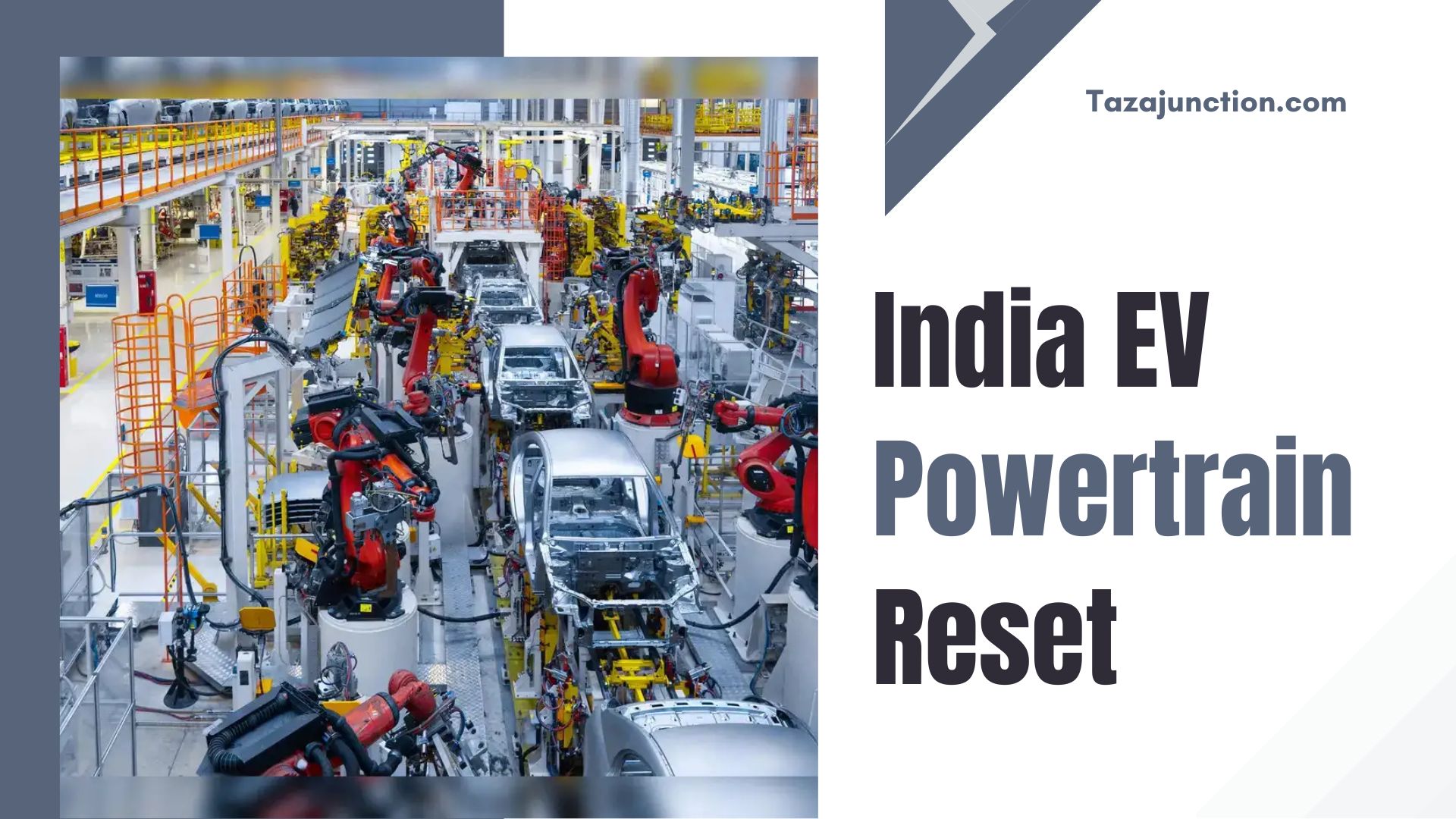
Among them, India has taken a bold step forward with what many are calling India EV powertrain reset—an ambitious strategy to decouple from China’s dominance and build a more secure, self-reliant ecosystem.

The Rare Earth Challenge

Rare earth elements like neodymium, dysprosium, and terbium play a vital role in producing permanent magnets used in EV motors.

China controls over 60% of global production and nearly 90% of processing capacity. This imbalance has long been a vulnerability in the supply chain. Any disruption in exports, whether due to political tensions or trade restrictions, could derail EV production worldwide.

For India, which has aggressive targets to electrify its transport sector, this dependence on imported materials poses a serious risk. If left unaddressed, it could limit the country’s ability to scale up EV adoption.

Recognizing this challenge, policymakers and industry leaders have embraced India EV powertrain reset as a way to reshape the country’s technological and economic trajectory.

What Is India EV Powertrain Reset?

India EV Powertrain Reset

At its core, India EV powertrain reset is about reducing dependence on imported rare earths while accelerating domestic innovation. This strategy involves multiple dimensions:

  1. Diversification of supply chains by sourcing critical minerals from friendly nations.
  2. Investments in research for alternative motor technologies that minimize or eliminate the use of rare earths.
  3. Boosting local mining and refining capacity to leverage untapped reserves in India.
  4. Strengthening EV manufacturing ecosystems with incentives for both domestic and foreign firms.

The initiative is not just a policy adjustment but a transformative shift in how India envisions its place in the EV value chain.

Mining and Domestic Potential

India is estimated to have significant reserves of rare earths, though much of it remains unexplored. The Indian Rare Earths Limited (IREL), under the Department of Atomic Energy, has already begun expanding its operations to harness these resources responsibly.

The government’s Production Linked Incentive (PLI) scheme also encourages investments in advanced battery and motor technologies, creating a favorable ecosystem for India EV powertrain reset.

However, mining is only the first step. The bigger challenge lies in refining, as China’s dominance comes from its advanced processing capacity rather than raw extraction. To bridge this gap, India is partnering with technology providers and research institutions to scale up domestic refining capabilities.

Alternative Technologies and Innovation

One of the most exciting aspects of India EV powertrain reset is its focus on alternative technologies. Researchers are experimenting with induction motors and switched reluctance motors, which either reduce or eliminate the need for rare earth magnets.

These innovations could help India leapfrog traditional dependencies and build more resilient EV architectures.

Moreover, Indian startups are increasingly active in developing indigenous solutions for batteries, motors, and charging infrastructure. With government support and venture capital backing, the innovation ecosystem is rapidly aligning with national priorities.

Strategic Partnerships

India’s shift is not happening in isolation. The country has signed agreements with Australia and other resource-rich nations to secure access to critical minerals.

These partnerships are essential to diversify supply chains while India builds its domestic processing capabilities. By reducing its reliance on Chinese imports, India EV powertrain reset is gradually creating a more balanced global trade network.

Economic and Industrial Impacts

The EV sector is projected to generate billions in investments and millions of jobs over the next decade. By focusing on self-reliance, India EV powertrain reset ensures that a greater share of this economic growth stays within the country.

Local manufacturing hubs are expected to rise, driving down import bills and enhancing technological sovereignty. Additionally, this reset strengthens India’s export potential.

With global demand for EV components surging, Indian companies could position themselves as reliable suppliers of motors, batteries, and charging technologies. This would boost both foreign exchange earnings and India’s reputation as a global manufacturing powerhouse.

Geopolitical Implications

Decoupling from China’s rare earths has major geopolitical consequences. As tensions simmer between New Delhi and Beijing, reducing strategic dependence is more than just an economic move—it is a security imperative.

India EV powertrain reset not only shields the country from external shocks but also aligns with its vision of becoming a leading force in the global clean energy transition.

Moreover, this strategy resonates with like-minded democracies such as the United States, Japan, and members of the European Union, all of whom are wary of China’s dominance. India’s leadership in this space could open doors to stronger global alliances.

Challenges on the Road Ahead

Despite its promise, India EV powertrain reset faces several hurdles. These include:

  • High capital investment required for mining and refining infrastructure.
  • Environmental concerns linked to rare earth extraction and processing.
  • Technology gaps compared to global leaders.
  • Slow adoption rates among consumers due to higher upfront costs of EVs.

To overcome these challenges, India will need consistent policy support, private sector innovation, and strong public awareness campaigns.

Sustainability and Green Growth

One of the cornerstones of India EV powertrain reset is its alignment with sustainability goals. The government is committed to ensuring that mining and refining are conducted with minimal ecological damage.

Simultaneously, the emphasis on alternative technologies could reduce overall dependence on mining-intensive solutions. This dual approach strengthens India’s image as a responsible global player in the clean mobility revolution.

The Road Ahead

The next decade will be critical for India’s EV journey. With growing urbanization, rising fuel costs, and climate imperatives, the transition to clean mobility is inevitable. India EV powertrain reset provides the roadmap to achieve this transition without falling into the trap of resource dependency.

As infrastructure develops, partnerships expand, and innovation accelerates, India could soon emerge as not just a major EV consumer but also a global hub for sustainable powertrain technologies. This would represent a massive leap forward in both industrial and strategic terms.

Conclusion

The decision to decouple from China’s rare earths marks a turning point in India’s energy and industrial strategy. Through India EV powertrain reset, the country is positioning itself for long-term resilience, economic growth, and technological leadership.

While challenges remain, the commitment to innovation, sustainability, and strategic autonomy makes this reset one of the most ambitious projects in India’s modern industrial history.

By embracing this path, India is not only safeguarding its EV future but also setting an example for other nations navigating the complexities of global supply chains. The reset is more than just a policy shift—it is a declaration of intent to shape the future of mobility on its own terms.