

The gaming industry has been no stranger to controversy in recent years, especially when it comes to the use of artificial intelligence in creative work.
From AI-generated art to synthetic voices, the debate over how far technology should go in replacing human creativity has been heating up. Now, one of the most iconic franchises in gaming history has found itself at the center of this debate.
Tomb Raider IV-VI Remastered Removes AI Content After Lawsuit, marking a significant moment not only for the series but also for the broader conversation about AI in entertainment.
Table of Contents
The Background of the Remastered Trilogy
The Tomb Raider franchise has always been a cornerstone of action-adventure gaming. With Lara Croft as its iconic protagonist, the series has spanned decades, multiple console generations, and even blockbuster films.
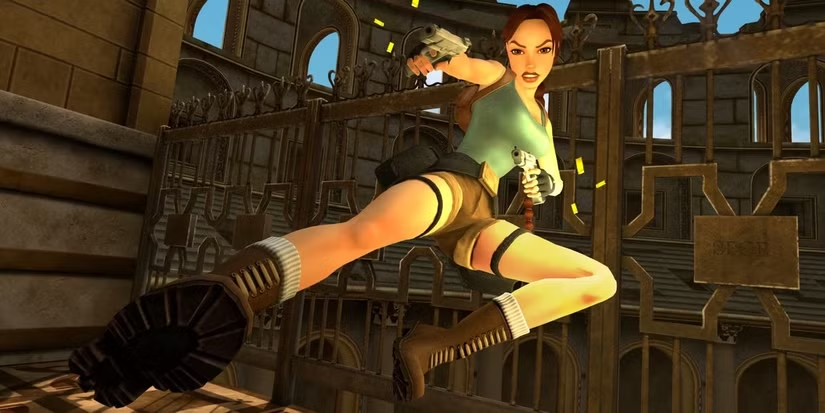
In 2024, Aspyr Media released a remastered collection of the original trilogy (Tomb Raider I-III), which was met with generally positive reviews. Building on that momentum, the studio followed up in 2025 with Tomb Raider IV-VI Remastered, covering The Last Revelation, Chronicles, and The Angel of Darkness.
While fans were excited to revisit these classics with updated visuals and performance improvements, the release quickly became embroiled in controversy. Reports surfaced that AI-generated voiceovers had been used in the remastered collection, sparking outrage among fans and professionals alike.
The situation escalated when Lara Croft’s French voice actress, Françoise Cadol, filed a lawsuit against Aspyr, claiming her voice had been replicated without her consent. This legal action is the reason why Tomb Raider IV-VI Remastered Removes AI Content After Lawsuit became headline news.
The Lawsuit and Its Implications
The lawsuit filed by Cadol alleged that Aspyr had used AI to generate new voice lines mimicking her performance. According to reports, she only became aware of this after fans pointed out the differences in certain dialogue lines following an update.
The revelation that her voice had been artificially replicated without her knowledge or approval raised serious ethical and legal questions.
The fact that Tomb Raider IV-VI Remastered Removes AI Content After Lawsuit highlights the growing tension between technological innovation and intellectual property rights.
Voice actors, artists, and other creatives are increasingly concerned about how AI tools can be used to replicate their work without proper compensation or acknowledgment.
Aspyr’s Response
Aspyr Media responded swiftly once the lawsuit gained traction. The company released a patch that explicitly removed all AI-generated voiceover content from the remastered trilogy. In their statement, they acknowledged that the use of AI was “unauthorized” and apologized for any inconvenience caused to players.
By taking this step, Tomb Raider IV-VI Remastered Removes AI Content After Lawsuit not only addressed the immediate legal issue but also attempted to rebuild trust with the community.
However, questions remain about how much AI-generated content had been included in the game and whether other voice actors were similarly affected.
The Role of AI in Gaming
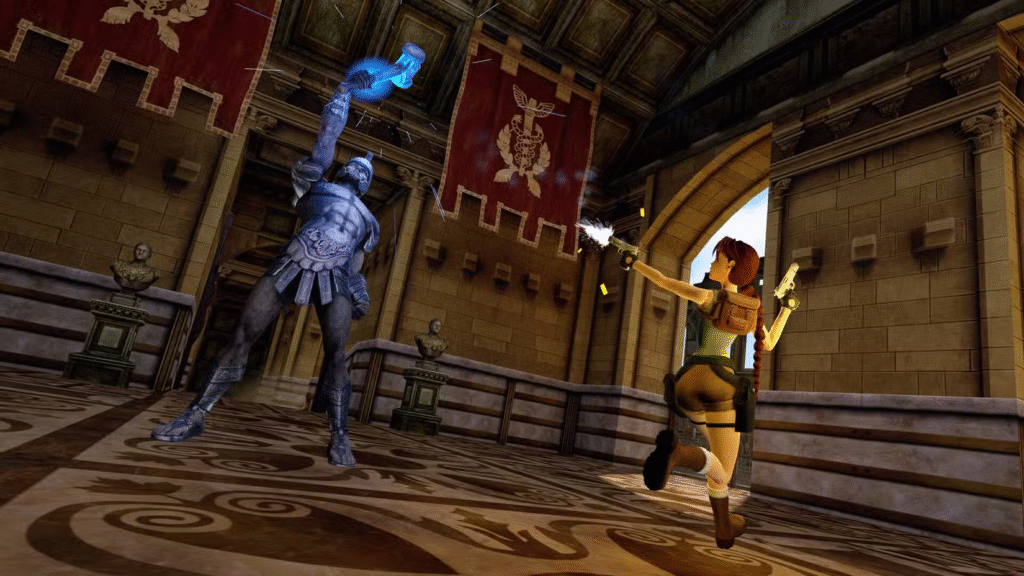
The controversy surrounding Tomb Raider IV-VI Remastered is part of a larger trend in the gaming industry. AI tools are increasingly being used to speed up development, generate assets, and even create dialogue.
While these tools can save time and money, they also raise concerns about authenticity, artistic integrity, and the future of human labor in creative industries.
The fact that Tomb Raider IV-VI Remastered Removes AI Content After Lawsuit underscores the risks of relying too heavily on AI without proper oversight. Developers must balance the efficiency of AI with the ethical responsibility of respecting the rights of human creators.
Fan Reactions
The gaming community’s response to the controversy has been mixed. Many fans applauded Cadol for standing up against the unauthorized use of her voice, arguing that voice actors deserve respect and protection in the age of AI. Others expressed disappointment that such a beloved franchise had become entangled in a scandal.
Still, the announcement that Tomb Raider IV-VI Remastered Removes AI Content After Lawsuit has been largely welcomed. Players appreciate the transparency and the effort to correct the mistake, even if the situation should never have occurred in the first place.
A Precedent for the Industry
This case could set an important precedent for the gaming industry and beyond. If Cadol’s lawsuit succeeds, it may establish stronger legal protections for voice actors and other creatives against unauthorized AI replication.
The fact that Tomb Raider IV-VI Remastered Removes AI Content After Lawsuit could become a landmark moment in entertainment law. It highlights the urgent need for clearer regulations around AI use, ensuring that technology enhances creativity rather than exploiting it.
Comparisons to Other AI Controversies
The Tomb Raider situation is not unique. Other companies have faced backlash for using AI-generated content without proper disclosure or consent. For example, Blizzard recently pulled an Overwatch 2 ad after fans discovered AI-generated artwork, and several publishers have been criticized for replacing human writers or artists with AI tools.
The fact that Tomb Raider IV-VI Remastered Removes AI Content After Lawsuit places it in the same category as these controversies, showing that the issue is widespread and not confined to a single studio or franchise.
The Future of Tomb Raider
Despite the controversy, the Tomb Raider franchise remains strong. With Crystal Dynamics working on a new mainline entry in the series, fans are hopeful that the brand can move past this scandal.
The removal of AI content from the remastered trilogy is a step in the right direction, but it also serves as a cautionary tale for future projects.
The fact that Tomb Raider IV-VI Remastered Removes AI Content After Lawsuit will likely influence how developers approach remasters, remakes, and new titles in the years to come. Transparency, respect for creators, and ethical use of technology will be key to maintaining fan trust.
Broader Cultural Impact
Beyond gaming, this controversy reflects a broader cultural debate about AI. Musicians, writers, and visual artists are all grappling with similar issues, as AI tools become more capable of replicating human creativity. The Tomb Raider case is just one example of how these debates are playing out in real time.
The fact that Tomb Raider IV-VI Remastered Removes AI Content After Lawsuit resonates beyond the gaming community shows how interconnected these issues are. It’s not just about one franchise — it’s about the future of creative industries as a whole.
Conclusion
The removal of AI-generated content from Tomb Raider IV-VI Remastered is more than just a patch note. It’s a turning point in the ongoing conversation about AI, creativity, and ethics.
By taking action after the lawsuit, Aspyr Media has acknowledged the importance of respecting human creators and their contributions.
The fact that Tomb Raider IV-VI Remastered Removes AI Content After Lawsuit will likely be remembered as a pivotal moment in gaming history. It serves as both a warning and a lesson: technology must be used responsibly, and the rights of artists must always come first.
As the industry continues to evolve, one thing is clear — the future of gaming will depend not only on innovation but also on integrity.